Now Reading: Traditional Nigerian Marriage Ceremonies
-
01
Traditional Nigerian Marriage Ceremonies

Introduction: The Communal Essence of Nigerian Weddings
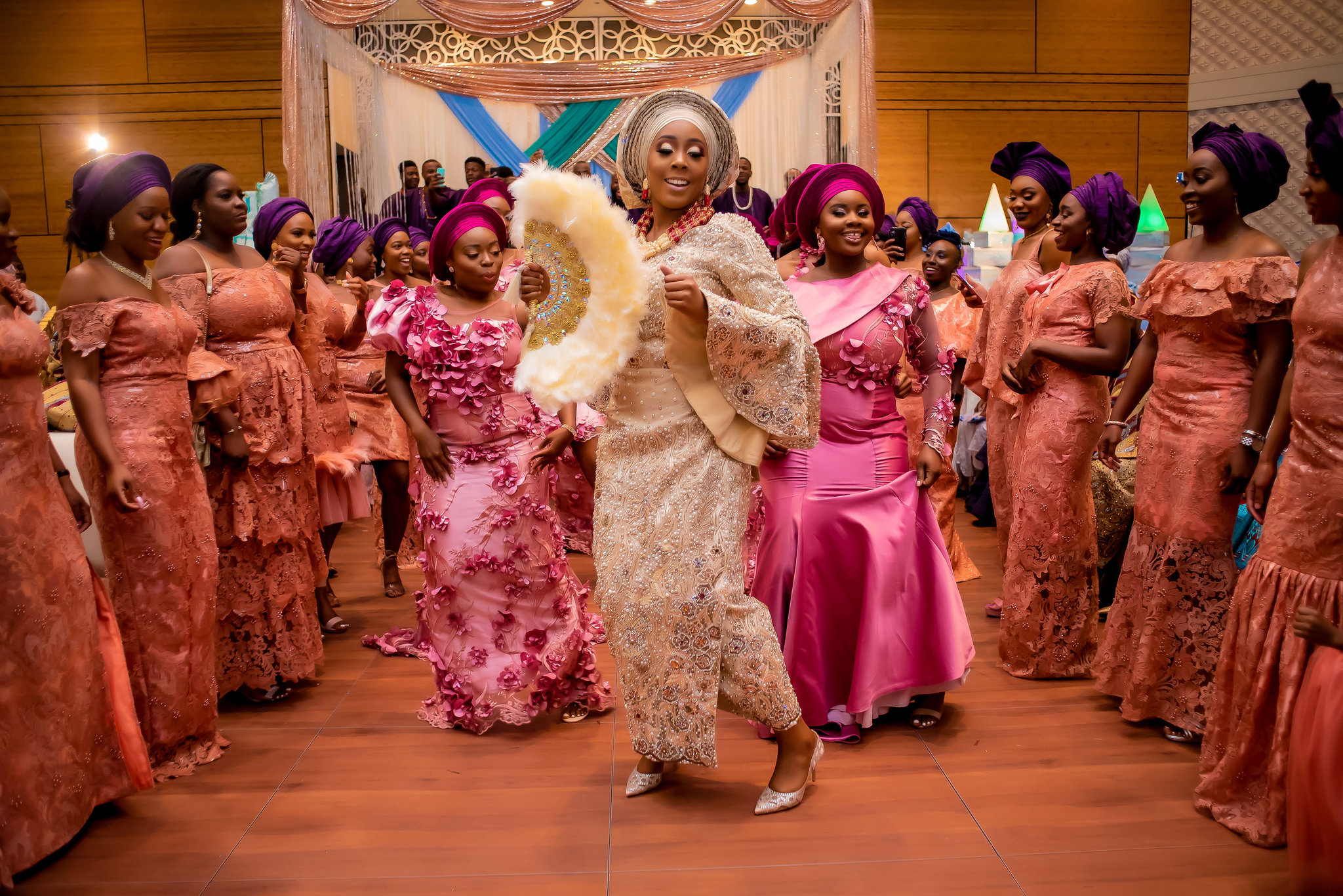
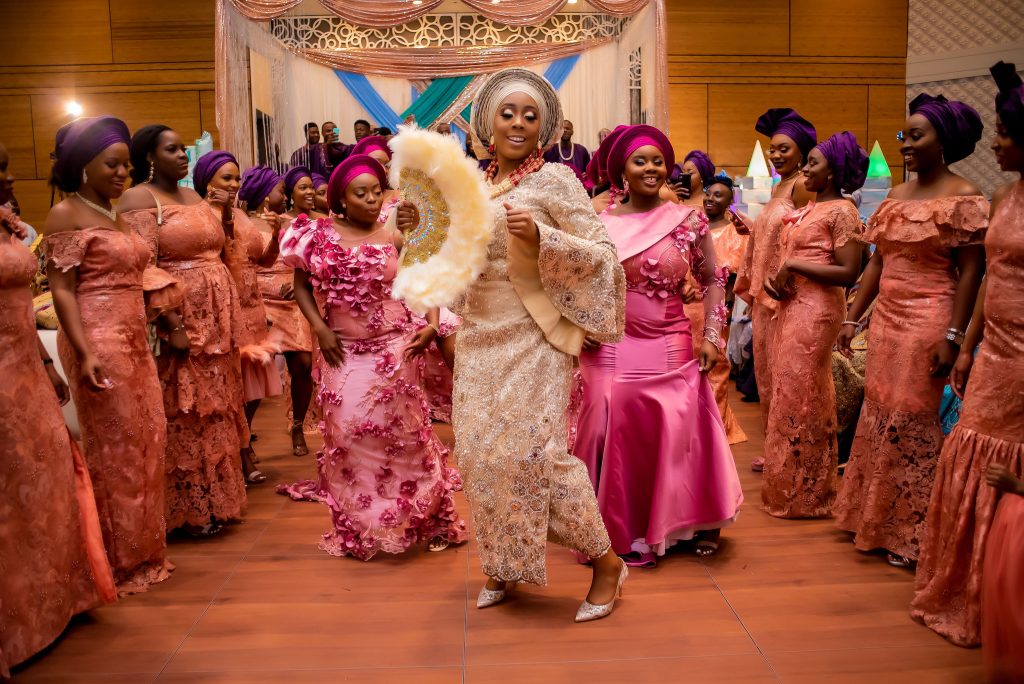
Traditional Nigerian marriage ceremonies represent a profound cultural phenomenon, transcending the simple union of two individuals to become a vibrant amalgamation of families and communities. The nation, home to over 250 distinct ethnic groups, showcases a remarkable diversity of customs, yet several core elements consistently form the foundation of these celebrations. A deep-seated family involvement is paramount, emphasizing that marriage is a collective concern rather than a personal affair. These events are renowned for their stunning visual spectacle, with the bride and groom adorning elaborate, vibrant attire that proudly reflects their ethnic heritage. The festivities are incomplete without a rich array of traditional dishes, energetic music, and spirited dance, all of which contribute to an atmosphere of joy and community.
This report provides a detailed, comparative analysis of the marriage customs of Nigeria’s three major ethnic groups—the Yoruba, Igbo, and Hausa. It then extends its scope to include the unique traditions of other significant tribes, such as the Efik and Tiv. The analysis explores the enduring symbolism embedded within the rituals, the pivotal roles of key participants, and the dynamic interplay between centuries-old tradition and the influences of modern life. Ultimately, this document serves as a comprehensive reference, illuminating the intricate and deeply meaningful processes that define marital unions in Nigeria.
Chapter 1: The Foundational Pillars: Shared Customs and Symbolic Meanings
Across Nigeria’s diverse cultural landscape, certain principles and rituals consistently underpin the traditional marriage process. These shared customs establish a universal framework for matrimonial unions, regardless of regional or religious distinctions.
1.1 The Formal Introduction and Initial Intent
The journey to marriage universally begins with a formal declaration of intent by the groom’s family to the bride’s family. For the Igbo people, this initial meeting is known as Ikụ Aka n’ Uzo, which translates to “knocking on the door”. This ritual is more than a simple request; it is a ceremonial act of humility and respect that formally asks for permission to enter the bride’s life. In this first encounter, the groom’s family, accompanied by elders, brings a few gifts like kola nuts and palm wine, but it is not a day for a full exchange of items. Similarly, the Hausa tradition begins with
Na Gani Ina so, meaning “I have found and I love it”. This formal proposal is marked by the presentation of symbolic gifts, such as sweets and kola nuts, which, if accepted by the bride’s parents, signals their consent to the union. This initial stage is a critical precursor to the main ceremony, formalizing the relationship between the two families and initiating the marriage process with grace and honor.
1.2 The Role of Family and Elders as Custodians of Tradition
In Nigerian society, marriage is fundamentally a family and community affair. Parents and elders are the primary custodians of this tradition, playing an indispensable role in the planning and execution of the wedding. Their involvement underscores the importance of family approval and unity, ensuring that the new union is socially and culturally sanctioned by both kin groups.
Within Igbo culture, the roles of extended family are particularly pronounced. The Umunna (extended family groups of men) and Umuada (female elders or daughters of the community) wield significant influence in negotiations and are pivotal in resolving any disputes. The
Umuada are described as a “mobile court” that maintains peace and justice, intervening in matters of social discord, and ensuring that community norms are upheld. This powerful, female-led institution acts as a critical force for social order, a role that demonstrates the respected and influential position of women within the traditional Igbo social structure.
1.3 The Symbolic Weight of the Bride Price (Dowry)
The transfer of a bride price or dowry is a nearly universal custom that transcends specific ethnic boundaries. For the Hausa, this is known as
Sadaki, a dowry rooted in Islamic doctrine where a smaller amount is believed to result in a more blessed marriage. In Igbo tradition, the monetary component of the bride price, known as
Ime ego, is often a small, symbolic sum, sometimes as little as 20-40 Naira. The true value lies in the subsequent gifts and items provided by the groom.
It is essential to reframe the understanding of the bride price. The common external perception that it implies the “ownership” of the bride is a fundamental misinterpretation. Instead, the custom is a gesture of profound appreciation and respect for the bride’s parents, an acknowledgment of their sacrifices, and an honorific recognition of their investment in her upbringing and education. In Igbo culture, the payment is a “blood cleanser” that removes shame and grants the woman honor and community value. Furthermore, without the payment of the bride price, any children born of the union are not culturally recognized by the groom’s family. This custom is not a transaction for property, but a legal and cultural foundation that validates the marriage and establishes the kinship ties that follow, solidifying the union as legitimate in the eyes of the community.
Chapter 2: The Yoruba ‘Igbeyawo’: An Elaborate Performance of Respect and Celebration
The traditional Yoruba wedding, or Igbeyawo, is a meticulously choreographed and highly theatrical event that emphasizes respect, community involvement, and celebration.
2.1 The Grand Procession and Rituals of Humility
The ceremony begins with a grand entrance by the groom’s family, who arrive dancing to celebratory music, led by his parents and elders. The most defining ritual of the day is the groom’s prostration, or
Idobale. He and his friends prostrate multiple times before the bride’s family, touching their foreheads to the ground to demonstrate profound respect and humility. This powerful, visual act is a public declaration of the groom’s humility and his readiness to be a caring and respectful husband to his wife and a devoted son-in-law to her family. The bride’s entrance is equally significant, as she dances into the venue with her friends, veiled and kneeling before her parents and then her in-laws to receive their blessings before her face is unveiled.
2.2 The Alagas and Talking Drummers: Cultural Gatekeepers
The entire Yoruba ceremony is masterfully guided by two witty and engaging female MCs, known as the Alaga Iduro and Alaga Ijoko. The
Alaga Iduro represents the groom’s family, and her role is to formally introduce the groom and his intentions with a blend of humor, respect, and traditional proverbs. The
Alaga Ijoko represents the bride’s family and acts as a playful “gatekeeper,” using witty banter and songs to challenge the groom’s family before granting permission for the ceremony to proceed.
The roles of these two figures are not merely ceremonial; they are an ingenious mechanism for symbolically representing and uniting two families. Their scripted, playful exchanges symbolize the negotiation and ultimate integration of two separate kin groups. This good-natured tension reinforces the communal nature of the marriage and provides a lively source of entertainment for all guests, ensuring the ceremony is both deeply respectful and highly engaging.
Their performances are amplified by the presence of a talking drummer, who uses rhythmic beats to announce key moments, praise the couple, and punctuate the Alagas’ speeches. The talking drummer is not just a musician but a cultural archivist, using rhythm to narrate history and tradition, thereby connecting the present celebration to the enduring heritage of the Yoruba people.
2.3 The ‘Eru Iyawo’ (Engagement List) and its Symbolic Language
The Eru Iyawo, or engagement list, is a cherished tradition where the groom’s family presents a collection of gifts to the bride’s family. The list, provided by the bride’s family, is a comprehensive document that includes a diverse array of items. These include food staples like yams, salt, and palm wine, physical goods such as luggage and cookware, and symbolic items like a Bible or a Quran. A particularly symbolic act is when the bride is asked to choose one of the gifts, from which she is expected to select the Bible or Quran, as it contains the engagement ring.
The Eru Iyawo is more than a simple list of demands; it is a symbolic contract and a non-verbal expression of wishes for a prosperous and blessed marriage. The items represent the groom’s commitment and his ability to provide for his wife. The inclusion of yams symbolizes abundance, while honey and sugar signify the hope for a sweet marriage. The meticulous and decorative way these gifts are packaged and presented also conveys a deep sense of respect for the bride’s family.
The following table details common items found on the Eru Iyawo list and their cultural significance:
| Item Type | Specific Item | Cultural Significance |
| Food & Drink | Yams (Isu Ogooji) | A traditional staple representing wealth, sustenance, and prosperity. |
| Palm Wine (Emu) | Symbolizes blessings, goodwill, and the traditional beverage of celebration. | |
| Honey (Oyin) | Represents the wish for sweetness, happiness, and a fulfilling life for the couple. | |
| Household Items | Luggage Bag | Symbolizes the bride’s journey to her new home and her readiness to start a new life with her husband. |
| Cookware | Represents the bride’s role as the keeper of the home and her ability to nurture her family. | |
| Faith-Based | Bible or Quran | Represents the spiritual foundation of the marriage and its grounding in religious faith. |
| Clothing & Adornment | Aso Oke, Ankara | Traditional hand-woven fabrics symbolizing the beauty and elegance of the bride and the richness of their shared heritage. |
| Coral Beads | Adornments for the couple, believed to bring good luck, protection, and fertility. | |
| Monetary | Dowry & Various Fees | A symbolic payment of appreciation to the bride’s family and an acknowledgment of their investment in her. |
Chapter 3: The Igbo ‘Igba Nkwu’: A Testament of Kinship and Cultural Legality
The Igbo traditional marriage is a multi-phased process that culminates in the vibrant Igba Nkwu ceremony, a testament to the profound legal and social significance of each step.
3.1 The Multi-Phased Journey to Igba Nkwu
The process is structured as a series of formal stages, beginning with the Ikụ Aka n’ Uzo (knocking on the door), followed by the Ijụ Ajụjụ (background investigation) and the Ego Isi Nwanyi (dowry negotiations). The
Ijụ Ajụjụ is a critical, often unseen, element. It involves both families conducting separate, thorough investigations into each other’s lineage, social standing, religious practices, and general health. This comprehensive vetting process serves as a risk-mitigation strategy, ensuring that the union is sound and protecting the interests of both families. The fact that either family can halt the marriage process based on their findings underscores the seriousness of this investigation and its importance in ensuring a compatible and sustainable union.
3.2 The Wine-Carrying Ceremony: The Definitive Act of Acceptance
The climax of the Igbo wedding is the Igba Nkwu, or wine-carrying ceremony, which is a powerful and public ritual of acceptance. During this ceremony, the bride, having changed into a new outfit, receives a cup of palm wine from her father. He offers a final word of advice and then instructs her to find the man she wishes to marry among the crowd of guests.
The bride then searches for her groom, who is intentionally hidden among the guests. This public search and her ultimate discovery of her groom is a performative declaration of her choice and acceptance. The moment she finds him, she kneels before him and offers him the cup of wine, which he drinks to signify his acceptance of her proposal. This ritual brilliantly links the formal pre-wedding negotiations to the final, public declaration of love and commitment, giving the bride a powerful voice and agency in a culturally formal setting. Following this defining moment, the couple kneels before her father to receive his blessings and counsel for their new life together.
3.3 The Umunna and Umuada: The Matriarchs and Patriarchs of Kinship
The Igbo marriage process is a deeply communal affair, relying heavily on the influence and authority of kinship groups. The
Umunna (extended family of men) and Umuada (female elders/daughters of the community) play influential roles in every stage, from negotiations to conflict resolution. The
Umuada, in particular, function as a formidable institution with the power to convene meetings and participate in decision-making processes, even after marrying outside their natal communities. They are described as a “mobile court” that ensures peace and justice, intervening to prevent social discord and upholding community norms. This powerful matriarchal force functions as a check and balance on the patriarchal structure, demonstrating the complex and integrated roles of men and women in preserving social order and family integrity.
Chapter 4: The Hausa ‘Aure’: Blending Tradition with Islamic Faith
The Hausa marriage ceremony, or Aure, is uniquely shaped by its foundation in Islamic and Sharia law, which provides a distinct structure and set of rituals.
4.1 The Islamic Foundation and Phased Ceremonies
Hausa weddings are a structured process that adheres to religious doctrines. The journey begins with the groom seeking permission from his parents, followed by the payment of the Sadaki (dowry) to the bride’s family. The main marriage ceremony, known as the
Fatiha, is a religious rite where vows are exchanged and the union is formally consecrated.
4.2 Pre-Wedding Celebrations and Rituals of Transition
The main ceremony is preceded by a series of female-centric rituals that are integral to the social and cultural transition of the bride. The
Kamu ritual is a light-hearted occasion where the bride’s friends engage in playful bargaining with the groom’s friends to “free” the bride, who is symbolically “held captive” by her friends. This ritual serves as a light-hearted but symbolic act of separation from her friends, marking the transition from single womanhood to married life.
Another crucial pre-wedding ceremony is the Lefe, where the groom’s family presents gift boxes to the bride’s family. These boxes contain fashionable clothes, jewelry, shoes, and cosmetics that the bride will need in her new home. The
Lefe is a public display of the groom’s commitment to providing for his future wife. It is a communal bonding activity, as women from both families gather to open and admire the contents of the gift boxes, fostering a sense of kinship and mutual respect. The
Sa Lalle, or henna ceremony, which follows Kamu, is another female-focused event where the bride, her friends, and her family decorate their hands and legs with intricate henna designs, adding to the celebratory atmosphere.
4.3 The Gendered Divide: The Fatiha and Walimah
A defining feature of the Hausa wedding is the traditional separation of men and women in key ceremonies. The
Fatiha is a men-only ceremony, typically led by an Imam, where the marriage vows are formally exchanged and the union is legally sanctioned. There is no music or food at this event; its purpose is solely to “tie the knot” in a religious context.
Simultaneously, women are engaged in their own parallel celebrations. They prepare the bride during a ceremony called Kunshi, which is similar to a bridal shower, and celebrate at a grand reception known as Walimah. The women’s preparation of the bride and the grand celebration provide a space for female elders to impart wisdom and for the community to socially validate the new union. This gendered separation reflects the societal and religious norms of the Hausa people, balancing the formal, male-only religious vows with the equally important public, social celebration led by women.
Chapter 5: A Broader Spectrum: The Diverse Tapestry of Other Tribes
While the Yoruba, Igbo, and Hausa traditions are widely known, the matrimonial customs of other Nigerian ethnic groups offer a glimpse into the nation’s rich cultural diversity.
5.1 Efik and the Fattening Room
The Efik people, from Southern Nigeria, practice a unique and ancient pre-wedding rite known as the “Fattening Room”. Approximately six months before the wedding, the bride is sent into seclusion to be pampered, fed, and instructed on the intricacies of marriage by older women. She is taught domestic skills such as cooking and childcare, and receives advice from elders. This custom is rooted in the Efik belief that a full-figured woman with a healthy waistline is beautiful and a sign of prosperity. The seclusion culminates in a ceremony to honor her “awakening into womanhood,” marking her transition from a girl to a wife.
5.2 Tiv and the Marriage Dance
The Tiv people of Benue State celebrate their traditional weddings with a ceremony called Kwase Ku. The process begins with the groom’s family visiting the bride’s family with a pot of wine to negotiate the bride price, which can include a list of items such as goats, pigs, local gin, and other goods. The negotiation concludes with a formal payment, after which the couple is united in a traditional dance. This dance is often accompanied by nuptial poetry, which is performed by professional poets and elderly women, adding a rich artistic and ceremonial dimension to the event.
5.3 Other Distinctive Customs
Nigeria’s cultural diversity is reflected in many other unique rituals. The Nupe people perform a custom called Kuchiko, a mock battle near the bride’s home that demonstrates the groom’s resilience and dedication to protecting her. The Isoko people practice the
Udi Efe ceremony, where the groom must peel and cook a yam presented by the bride’s family to prove his ability to provide for his future family. The Yoruba also have a symbolic ritual where the bride and groom taste four flavors—sweet, sour, bitter, and spicy—to represent the different experiences they will face together in their married life.
The following table provides a comparative overview of the rituals, main symbolic acts, and key participants across a spectrum of major Nigerian ethnic groups.
| Ethnic Group | Key Ritual(s) | Main Symbolic Act | Key Participants |
| Yoruba | Igbeyawo (Traditional Wedding) | The groom’s prostration (Idobale) and the presentation of the Eru Iyawo (Engagement List). | Alaga Iduro & Alaga Ijoko (female MCs), talking drummers, families. |
| Igbo | Igba Nkwu (Wine-carrying ceremony) | The bride’s search for her groom with a cup of palm wine and his acceptance of the drink. | Umunna (men’s extended family) and Umuada (female elders), parents. |
| Hausa | Kamu & Lefe (Pre-wedding rites), Fatiha (Vows) | Playful bargaining to “free” the bride (Kamu), presentation of gift boxes (Lefe), and the men-only vow exchange (Fatiha). | Groom’s family and friends, bride’s friends, Iman and male elders. |
| Efik | The Fattening Room | The bride’s seclusion to be pampered and educated, symbolizing her transition to womanhood and readiness for marriage. | The bride, older women, and family members. |
| Tiv | Kwase Ku (Traditional Wedding) | The negotiation of the bride price and the traditional marriage dance. | Bride’s and groom’s families and community elders. |
Chapter 6: Aesthetics and Symbolism: The Attire and Visuals
The aesthetic elements of a Nigerian wedding are not merely for show; they are deeply symbolic statements of cultural heritage, unity, and social status.
6.1 The ‘Aso-Ebi’ and ‘Gele’: The Symbolism of Unity
The use of Aso-Ebi, which translates to “family clothes,” is a unique and cherished tradition where family and friends wear coordinated attire chosen by the couple’s families. This practice visually symbolizes unity and a collective show of support for the couple. Women often complement their outfits with a
Gele, an ornate headwrap that is considered a form of intricate fabric art. The
Gele adds a regal touch to the attire and is a staple in Nigerian wedding photographs.
6.2 Fabrics of Heritage: Aso Oke, Ankara, and George
The choice of fabric for the couple’s and guests’ attire is a powerful statement of ethnic identity. The Yoruba people favor Aso Oke, a hand-woven fabric known for its vibrant colors and intricate designs. The groom wears a traditional outfit known as
Agbada, with a matching cap (Fila), while the bride’s attire, often a long wrapper (Iro) and blouse (Buba), is made from this same fabric. The Igbo people are often seen wearing “George” fabric, a richly patterned textile, while the Hausa favor the flowing
Babanriga for men. These sartorial choices are a public display of cultural pride and belonging.
6.3 The Art of Adornment: Coral Beads and other Accessories
Intricate adornments are an essential part of the wedding attire. For the Yoruba, coral beads are an integral component of the bride and groom’s jewelry, worn as necklaces, bracelets, and headpieces. These vibrant, deep-colored beads are believed to bring good luck, protection, and fertility to the couple. The use of such accessories transforms the couple into a vision of royalty and prosperity, celebrating their union with a sense of historic opulence and cultural significance.
Chapter 7: Navigating Modernity: The Resilience and Evolution of Tradition
Nigerian marriage traditions are not static; they are living, evolving practices that reflect the dynamic interplay between centuries-old customs and contemporary global influences.
7.1 The Fusion of Ceremonies: The Double Ceremony
A significant trend, especially among the Nigerian diaspora, is the “double ceremony,” where a traditional wedding is held in conjunction with a Western-style “white wedding”. This fusion allows couples to honor their cultural heritage while also embracing modern customs and religious practices. In some cases, both ceremonies are held on the same day to accommodate busy schedules, with the traditional rites in the morning followed by the white wedding and reception in the afternoon. This pragmatic approach saves time and money. However, the fact that many still view the traditional wedding as “more important” than the white wedding indicates that the social and cultural validation of the traditional rites holds a weight that the legal or religious sanction of a white wedding cannot replace. The double ceremony is a testament to the resilience of tradition in a changing world, demonstrating a successful adaptation to modern logistical constraints while preserving cultural identity.
7.2 Changing Social Dynamics and the Rise of the Independent Woman
Modernity, urbanization, and a shift from an agricultural economy to a formal labor market have brought about significant social changes that are influencing marriage patterns. The practice of polygyny, once common in pre-colonial society, is now in decline, with monogamous households becoming more prevalent due to economic changes and religious factors.
Furthermore, the economic independence of women, a direct consequence of urbanization and new job opportunities, is subtly but fundamentally shifting the dynamics of marriage. Women are now able to contribute financially to their families, and this increased economic power gives them more leverage and a stronger voice in their marital relationships. While traditional patriarchal roles may persist, the ability of women to be financially independent means they have more choice and agency in selecting their partners and negotiating the terms of their marriage. This demonstrates that traditions are not rigid; they are living practices that reflect the changing socio-economic landscape and the evolving roles of men and women within society.
7.3 The Global Diaspora: Tradition Maintained and Adapted
Nigerian communities around the world, particularly in Western countries, continue to celebrate their traditions, adapting them to new environments. These celebrations serve as a vital cultural bridge, connecting the diaspora to their roots and introducing Nigerian customs to a global audience. The perpetuation of these ceremonies abroad highlights the deep-seated importance of cultural identity and the desire to pass these rich traditions down to future generations, even when far from the homeland.
Conclusion: Enduring Values in a Changing World
Traditional Nigerian marriage ceremonies are a vibrant testament to the nation’s rich and diverse cultural heritage. While the specific rituals vary between ethnic groups, the core values of respect, family unity, community involvement, and the symbolic significance of key customs such as the bride price remain constant.
This comprehensive analysis reveals that these traditions are more than mere celebrations; they are profound rituals that serve a vital social function. The meticulously choreographed steps, the symbolic language of gift exchanges, and the intricate roles of family members all work in concert to lay a strong cultural and social foundation for a new family. The dynamic fusion of tradition with modernity, exemplified by the double ceremony and the changing roles of women, demonstrates the remarkable resilience and adaptability of these customs. Ultimately, these ceremonies honor the past, celebrate the present, and pave the way for a prosperous future, all rooted in a shared history and celebrated by a unified community.










Related Posts


Stay Informed With the Latest & Most Important News
Previous Post
Next Post

Advertisement