Now Reading: The Nigerian South-South: A Strategic Road Trip Itinerary and Expeditionary Primer
-
01
The Nigerian South-South: A Strategic Road Trip Itinerary and Expeditionary Primer
The Nigerian South-South: A Strategic Road Trip Itinerary and Expeditionary Primer

This report provides a comprehensive and strategic guide for a road trip through Nigeria’s South-South geopolitical zone. It is meticulously crafted for the discerning traveler whose primary objective is a secure, culturally immersive, and well-planned journey. The region, which includes the states of Akwa Ibom, Bayelsa, Cross River, Delta, Edo, and Rivers, presents a compelling duality. On one hand, it is a landscape of profound historical significance, breathtaking natural beauty, and a vibrant cultural heritage. On the other, it is a theater of significant security, logistical, and infrastructural challenges that demand a calculated and disciplined approach to travel.
The core philosophy of this document is a departure from conventional, low-cost tourism models. The analysis indicates that the inherent risks associated with poor infrastructure and a complex security environment necessitate a travel plan that places risk mitigation above all other considerations. Consequently, the central recommendation is the unequivocal rejection of a self-drive expedition. This report posits that the only viable and responsible method of navigating the South-South region is through the use of a professionally vetted, private driver. This singular decision transforms a high-risk endeavor into a manageable and profoundly enriching expedition, allowing the traveler to focus on the unique cultural and natural offerings of the Niger Delta without undue peril.
Part I: The Strategic Primer—Laying the Foundation for a Safe Journey
1.0 Understanding the Geopolitical Zone
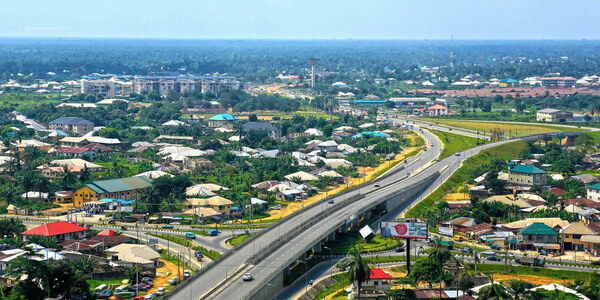
The South-South region of Nigeria is a six-state geopolitical zone situated along the country’s eastern coast. This area encompasses Akwa Ibom, Bayelsa, Cross River, Delta, Edo, and Rivers States. The region is a diverse tapestry of urban hubs and rural landscapes, with Benin City serving as the largest city and Greater Port Harcourt as the largest metropolitan area, with a population of approximately 3 million people. The zone is home to a rich mosaic of indigenous languages, including Ibibio, Boki, Edo, Efik, and Urhobo, which reflect a deep and varied cultural history.
Economically, the South-South is of paramount importance to Nigeria, as it is the source of the nation’s vast oil wealth. However, this economic identity is inextricably linked to significant environmental degradation, particularly in the coastal mangroves and rivers that face the Atlantic. The region’s unique geography includes the largest swamp forest habitat in Africa after the Congo Basin. This complex relationship between economic exploitation and environmental impact is not merely a geographical or ecological observation; it forms a critical backdrop for understanding the region’s security dynamics. The exploitation of natural resources and the resulting environmental fallout have historically contributed to local grievances, fueling the civil unrest and the rise of armed groups that are a persistent security challenge in the area. Therefore, an understanding of this interconnectedness is essential for anyone seeking to travel with an informed perspective on the destination.
2.0 The Unavoidable Truth: A Deep Dive into the Security Landscape
A comprehensive analysis of travel advisories from multiple governments indicates a consistent and elevated level of risk for travel to Nigeria. The country as a whole carries a “Reconsider Travel” advisory, with many states, particularly in the South-South, under a more severe “Do Not Travel” warning. Specifically, the states of Bayelsa, Delta, and Rivers (with the notable exception of Port Harcourt) are deemed to carry a high risk of crime, kidnapping, and armed gangs. While Calabar and Lagos are viewed as relatively safer, they still require a high degree of caution.
The primary threat vectors to be aware of include:
- Kidnapping for Ransom: This is a prevalent and significant risk, particularly targeting U.S. citizens, dual nationals, and anyone perceived as wealthy. Criminal gangs have been known to stop vehicles on major inter-city roads to abduct victims. The threat is especially pronounced in the Niger Delta states, where expatriate workers at oil and gas facilities are at particular risk.
- Violent Crime and Armed Gangs: Violent crime, encompassing armed robbery, carjacking, assault, and rape, is widespread. Armed gangs are active throughout the Niger Delta and Southeast regions.
- Civil Unrest and Instability: The region is prone to violent civil unrest and inter-communal violence that can flare up with little or no warning. Security operations to counter these threats may also occur without prior notification, and curfews can be imposed on short notice, severely restricting movement.
Given these persistent and dynamic security threats, a strategic approach to travel is mandatory. It is critical to avoid travel at night, as banditry and police roadblocks are more numerous after 6:00 p.m.. Maintaining a low profile, varying travel routes, and refraining from resisting any robbery attempt are standard operating procedures. For a family or individual planning a trip, establishing a “proof of life” protocol with loved ones is a recommended precaution to prepare for a worst-case scenario.
Table 1: Regional Travel Risk Assessment Based on a Synthesis of U.S., U.K., and Canadian Travel Advisories
| State | Primary City | Travel Advisory Level | Key Threats |
| Edo | Benin City | Exercise a High Degree of Caution | Terrorism, violent crime, kidnapping |
| Rivers | Port Harcourt | Do Not Travel (except in Port Harcourt) | High risk of crime, kidnapping, armed gangs |
| Cross River | Calabar | Exercise a High Degree of Caution | Civil unrest, kidnapping, armed crime |
| Delta | Warri, Asaba | Do Not Travel | High risk of crime, kidnapping, armed gangs |
| Bayelsa | Yenagoa | Do Not Travel | High risk of crime, kidnapping, armed gangs |
| Akwa Ibom | Uyo | Do Not Travel | Violent crime, kidnapping, armed gangs |
3.0 The Mobility Matrix: Choosing Your Mode of Transport
The choice of transportation is the most critical decision for a Nigerian road trip. A thorough analysis of available options leads to one irrefutable conclusion: a self-drive tour is an inadvisable endeavor. The reasons for this are numerous, including the lack of recognition for international driving permits, the absence of roadside assistance, and the high prevalence of carjacking, which makes a foreign driver a primary target.
This report strongly recommends the use of a professionally vetted, private driver as the optimal solution. Platforms like DriversNG and Travo.ng provide access to screened professionals who are trained to ensure the safety and security of their clients. This is not a matter of luxury but a fundamental component of a sound risk-management strategy. Daily rates for a private driver in Nigeria typically range from ₦15,000 to ₦40,000, with additional costs for fuel and potential overtime. While this is a higher initial cost than public transport, the security and reliability it affords are incalculable.
Public transportation, including buses and especially motorbike taxis known as “okadas,” is not recommended for this type of expedition. The safety risks associated with poor vehicle maintenance, overcrowding, and high speeds, coupled with the lack of reliable services, make it an unsuitable option. While some interstate bus services like Peace Mass Transit exist, they do not offer the secure, door-to-door, and flexible service required for a multi-day itinerary in a high-risk environment. The following table provides a detailed comparison of the different travel methods.
Table 2: Transportation Method Comparison
| Method | Safety Level | Cost (Daily/Trip) | Flexibility | Drawbacks |
| Self-Drive | Low | Variable (Rental + Fuel) | High | Carjacking risk, poor road conditions, lack of roadside assistance, need for Nigerian license, high vehicle wear |
| Private Driver | High | ₦15,000 – ₦40,000 + Fuel | High | Higher cost, requires vetting of service provider |
| Public Bus | Unsafe | Varies (Low) | Low | Unreliable service, poor maintenance, overcrowding, high speeds |
4.0 On the Road: Navigating Infrastructure and Real-World Conditions
The condition of Nigeria’s road network, while the largest in West Africa, is a significant logistical and safety concern. A considerable portion of the 195,000 km network, of which only 60,000 km are paved, is in a state of disrepair due to inadequate maintenance, poor drainage, and the use of subpar materials. Signs of decay such as cracks, potholes, and bulges are widespread, and these conditions are particularly dangerous during the rainy season, which typically runs from May to October.
A critical aspect of planning is recognizing the disparity between estimated travel times and real-world conditions. Standard navigation tools often provide optimistic journey durations that fail to account for the reality on the ground. A recent report by SBM Intelligence reveals that actual travel times are substantially longer due to a confluence of factors, including chronic traffic congestion, poor road surfaces, and security-related delays. For example, a trip from Port Harcourt to Lagos, which might appear to be a simple drive, has an actual average travel time of 16 hours. This phenomenon is not merely an inconvenience; it is a direct contributor to the overall security risk. The poor state of the roads and the resulting traffic gridlock create ideal conditions for criminal activities, such as roadside banditry and kidnapping, as vehicles are slowed or brought to a standstill. This direct link between infrastructure failure and security vulnerability underscores the necessity of a professional driver who possesses local knowledge and can effectively navigate these dynamic threats.
Part II: The Curated Itinerary—A Journey Through History, Culture, and Nature
5.0 Edo State: Echoes of the Benin Empire
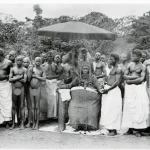
The journey begins in Benin City, a city that traces its origins back to the 10th century AD and served as the administrative capital of the powerful Benin Empire. It is an essential starting point for any exploration of the South-South region due to its deep historical roots and rich cultural legacy.
- Benin City National Museum: Located in the city center on King’s Square, this museum is a repository of Edo history and culture. It houses an impressive collection of artifacts, most notably the world-renowned Benin Bronzes, which offer a glimpse into the artistry and advanced metalworking skills of the Benin Kingdom. The museum is open Monday through Saturday from 9:00 a.m. to 6:00 p.m., and on Sunday from 11:00 a.m. to 6:00 p.m.. Entry fees are affordable: ₦300 for adults and ₦1,000 for foreign visitors.
- Igun Street: A UNESCO World Heritage Site and the second most frequented tourist attraction in Benin City, Igun Street is the residence of the Guild of Benin Bronze and Brass Casters. Visitors can observe master artisans practicing the ancient lost-wax casting technique. It is a living workshop where bronze is more than a material; it is a language that transmits Benin history across generations. It is recommended to visit during the cooler morning or late afternoon hours and to seek permission before photographing the artisans or their work.
- The Great Benin Moat: Known locally as Iya, this monumental network of defensive earthworks was built as a fortification around the city between the 13th and 15th centuries. While much of it has been affected by urban expansion, long stretches are still clearly visible as characteristic green swathes of vegetation across the city. The moats were meticulously designed with steep banks and rammed earth walls to deter invaders.
For accommodation in Benin City, options range from luxury to budget-friendly. The Protea Hotel by Marriott Benin City Select Emotan is a centrally located hotel offering international service standards and amenities like a fitness center, pool, and spa. Other notable hotels include Poshlux Executive Hotel and Shamrockmanor, which offer comfortable lodging at various price points. When dining, Buka Queen is a “culinary jewel” praised for its authentic Nigerian cuisine, including local favorites like Bini owo and pounded yam, served in a clean and friendly environment.
6.0 Rivers State: The Garden City and its Mangrove Delta
The next stage of the expedition proceeds to Port Harcourt, a gulf city and the vibrant hub of Nigeria’s oil industry. The road distance from Benin City is approximately 284 km, with a realistic driving duration of about 4 hours, though this is subject to traffic and road conditions. A key point for consideration is that Port Harcourt is explicitly noted as a place of exception within the general “Do Not Travel” advisory for Rivers State, making it a viable and relatively more secure destination within the region.
- Port Harcourt Pleasure Park: A prime destination for family enjoyment and outdoor recreation, the park is equipped with modern rides and a wide array of amenities, including a 5-star cinema, PS4 games, a gyroscope, and a shooting range.
- Port Harcourt Zoo: Established in 1974, this state-owned zoological park is another attraction for visitors.
- Other Sites: The city also offers cultural sites like Isaac Boro Park and the Corpus Christi Cathedral.
Port Harcourt offers a variety of accommodations, including international brands. The Golden Tulip Hotel, Echelon Heights Hotel, and Novotel Port Harcourt are among the highly-rated options, providing amenities such as pools, fitness centers, and restaurants offering a blend of local and continental cuisine.
7.0 Cross River State: The People’s Paradise
The final leg of the journey takes the traveler to Cross River State, renowned as “The People’s Paradise”. The road distance from Port Harcourt to Calabar is approximately 206 km, with a driving time of under 3 hours. Calabar is one of Nigeria’s oldest trading centers, a city rich in history and charm.
- Slave History Museum: Located on the site of a 15th-century slave-trading warehouse in Marina Beach, this museum provides a profound and sobering account of Calabar’s role as a major embarkation port during the African Slave Trade. Exhibits feature artifacts such as chains and shackles, and artistic impressions of how slaves were packed “sardine-style” into ships. The museum is managed by the Nigerian National Commission for Museums and Monuments.
- Cross River National Park: As a key “other destination,” this park is a lush rainforest teeming with diverse wildlife, covering approximately 4,000 km². The park is a biodiversity hotspot and a stronghold for species such as the Nigeria-Cameroon chimpanzee, the drill, and the African forest elephant. Entrance to the park is currently free.
- Agbokim Waterfalls: Located near the border with Cameroon, this spectacular site consists of seven streams cascading over a cliff in a lush tropical rainforest. It is an ideal spot for a picnic and is often enveloped in a rainbow-like aura, especially during the rainy season.
- Obudu Mountain Resort: This destination, also known as Obudu Cattle Ranch, is one of Africa’s most spectacular and exciting tourist spots, known for its temperate climate and picturesque views. Key attractions include a 1.8-kilometer-long cable car ride that offers panoramic views, a canopy walkway for amazing views of the mountain scenery, and the Becheve Nature Reserve. An organized tour package can cost over ₦350,000, which typically includes meals, transportation, and activities like cable car tickets. The entry fee varies depending on the services used.
The Calabar area offers a variety of hotels for visitors, including Monty Suites and Tinapa Lakeside Hotel.
Table 3: Key Attractions and Visitor Information
| Attraction | Location | Entry Fee | Operating Hours |
| Benin City National Museum | King’s Square, Benin City | ₦300 (Adults), ₦1,000 (Foreigners) | Mon-Sat: 9 a.m.-6 p.m., Sun: 11 a.m.-6 p.m. |
| Igun Street | Near Ring Road Roundabout, Benin City | N/A (A public street) | N/A (Workshops open during business hours) |
| Slave History Museum | Marina Beach, Calabar | N/A (Not specified) | Open daily |
| Cross River National Park | Cross River State | Free | N/A (Open 24/7) |
| Agbokim Waterfalls | Etung LGA, Cross River State | N/A (Not specified) | N/A (Best viewed in rainy season) |
| Obudu Mountain Resort | Obanliku, Cross River State | Varies based on services | Open daily, 24/7 |
Part III: Thematic Exploration—Culture, Cuisine, and Practical Realities
8.0 A Palate for the Niger Delta
The culinary landscape of the South-South region is a highlight of any visit. Southern Nigerian cuisine is characterized by hearty stews, fresh seafood, and root vegetables, all intensely flavored with chili peppers and spices. A number of dishes are central to the regional identity.
- Afang Soup: Native to the Efik and Ibibio peoples of Cross River and Akwa-Ibom, this dish is prepared with Ukazi vegetable, providing a healthy, high-fiber meal often accompanied by seafood and assorted meats.
- Edikang Ikong: A popular and nutritious vegetable soup unique to the South-Eastern people, made with fluted pumpkin leaves (Ugwu) and a variety of proteins, from beef to periwinkles.
- Banga Soup: A popular delicacy among the Delta and Edo people, this soup is made from the Banga fruit and served with a starch-based “swallow”.
- Egusi Soup: A thick, fragrant soup with its origins in the Niger Delta, made from ground melon seeds and often containing spinach, bitterleaf, and various meats.
Travelers can find these dishes at various local establishments. In Benin City, Buka Queen is highly regarded for its delicious, homemade Nigerian food. In Calabar, a number of restaurants specialize in authentic cuisine, including Native Delicacies Restaurant and others that advertise their focus on traditional flavors. The following table provides a concise guide to these regional specialties.
Table 4: Culinary Guide to the South-South
| Dish | Origin/Region | Key Ingredients | Sample Eatery (if applicable) |
| Afang Soup | Efik, Ibibio (Cross River/Akwa-Ibom) | Ukazi leaves, water leaves, periwinkles, stockfish, meat/seafood | Calabar-Igbo restaurants (Lagos-based) |
| Edikang Ikong | Cross River/Akwa-Ibom | Fluted pumpkin leaves (Ugwu), waterleaves, beef, assorted seafood | Native Delicacies Restaurant, Calabar |
| Egusi Soup | Niger Delta | Ground melon seeds, spinach/bitterleaf, meat/seafood | Buka Queen, Benin City |
| Banga Soup | Delta/Edo | Banga fruit, dry pepper, crayfish, onions, fresh fish | N/A (Home-style dish) |
9.0 Rhythms of the People: Major Festivals
The South-South region is a hub of cultural expression, celebrated through a number of prominent annual festivals.
- Calabar Carnival: Known as “Africa’s Biggest Street Party,” this is a month-long celebration held every December. The carnival features colorful parades, energetic dance performances, and elaborate costumes that showcase Nigeria’s rich cultural heritage. For 2025, the main carnival is scheduled for December 29th, with the Children’s Carnival on the 27th and the Cultural Carnival on the 26th.
- Igue Festival: A significant festival of the Edo people in Benin City, the Igue Festival is a historical and cultural event that runs from late December to early January. The 2025 dates are set for December 28th to January 1st, 2026.
- Leboku New Yam Festival: This annual festival of the Yakurr people in Cross River State is a three-week celebration that typically takes place in August. It marks the beginning of the yam harvest and is a time for appeasing ancestral spirits and honoring the earth goddess. The festival attracts tourists from around the world who come to witness the unique cultural displays.
10.0 Beyond the Itinerary: A Comprehensive Practical Guide
A successful expedition requires meticulous attention to practical details beyond the itinerary itself. The reality on the ground is that Nigeria’s tourism infrastructure is underdeveloped and largely geared toward the business market, which necessitates that the traveler be prepared for self-sufficiency and potential disruptions.
- Health and Hygiene: Travelers should not expect the same level of healthcare as in the U.S. or Europe, as Nigerian medical facilities are generally not equipped to those standards. Ambulance services are unreliable, and many common medications may not be available. It is imperative to obtain comprehensive medical insurance that includes medical evacuation coverage. In terms of hygiene, tap water is unsafe for consumption, and travelers are advised to drink only bottled water and be cautious of beverages made with ice. Essential vaccinations, including Yellow Fever, Hepatitis A, and Typhoid, are recommended, along with a polio booster and malaria prophylaxis due to the high risk of malaria in the country.
- Local Etiquette and Social Norms: Travelers should maintain a low profile and be aware of their surroundings at all times. It is crucial to avoid large political gatherings and demonstrations, which can turn violent with little warning. Furthermore, photography of government buildings, military installations, or airports may lead to arrest.
- Money and Communication: When managing finances, it is advisable to be extra vigilant at banks and ATMs and to avoid displaying cash or valuables. The practice of traffic control officers and others soliciting bribes is common. Lastly, it is important to be aware that telecommunications and mobile networks can be suspended on short notice in certain areas.










Related Posts


Stay Informed With the Latest & Most Important News
Previous Post
Next Post


Advertisement