Now Reading: Akachi Adimora-Ezeigbo: Nigeria’s Feminist Novelist and Scholar
-
01
Akachi Adimora-Ezeigbo: Nigeria’s Feminist Novelist and Scholar
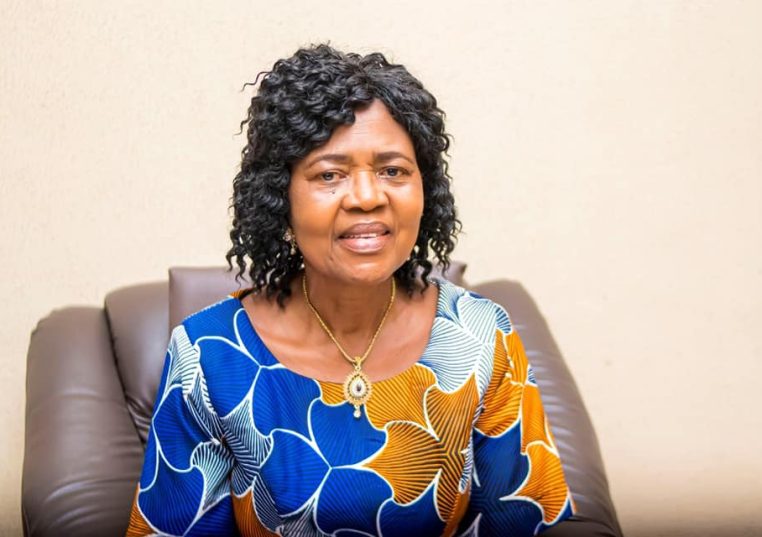

Early Life and Background
Akachi Adimora-Ezeigbo was born on 18 October 1953 in Eastern Nigeria (Umuahia, Abia State). She grew up in a family that valued both tradition and education, experiences that shaped her interest in storytelling and women’s roles in society.
She studied English and Literature at the University of Lagos, where she earned her B.A., M.A., and Ph.D. in English.
Her academic journey led her into teaching and research, with a career that spanned decades at the University of Lagos, where she rose to become Professor of English and later Head of Department.
Literary Career
Novels
Adimora-Ezeigbo is one of Nigeria’s most important feminist novelists. Her works often explore gender, culture, tradition, and women’s struggles in patriarchy.
- The Last of the Strong Ones (1996): Part of her acclaimed Umuga Trilogy, exploring women’s resilience in precolonial and colonial Igbo society.
- House of Symbols (2001): Sequel to The Last of the Strong Ones, continuing the narrative of Igbo women navigating tradition and colonialism.
- Children of the Eagle (2002): The concluding part of the trilogy, interweaving family, tradition, and modernity.
- Trafficked (2008): A powerful novel about human trafficking, prostitution, and survival.
- Roses and Bullets (2011): A love story set against the backdrop of the Nigerian Civil War (Biafra), highlighting women’s experiences in conflict.
Short Stories and Poetry
- Rituals and Departures (1999) – short story collection.
- Heart Songs (2009) – poetry.
Children’s Literature
Adimora-Ezeigbo has also written numerous children’s books, emphasizing moral lessons, culture, and Nigerian folktales. Titles include:
- The Prize (1994)
- Eze Goes to School (revised edition work)
- My Cousin Sammy (2006)
Scholarship and Criticism
As a literary critic, she has published extensively on feminist theory, African literature, oral traditions, and women’s writing. Her essays and academic books are widely used in Nigerian universities.
Style and Themes
Her writing is marked by:
- Feminist advocacy: highlighting women’s resilience and agency in a patriarchal society.
- Interrogation of tradition: balancing respect for culture with critique of oppressive practices.
- Historical fiction: using colonial and postcolonial settings to explore gender and power.
- Blend of oral tradition and modern narrative techniques.
She is often associated with “Snail-Sense Feminism”, a term she coined to describe a pragmatic, culturally sensitive Nigerian feminism that negotiates change within tradition.
Awards and Recognition
- The Nigeria Prize for Literature (2007) – Longlisted for Trafficked.
- WORDOC (Women’s Research and Documentation Centre) fellow.
- Multiple national and international awards for fiction, children’s literature, and academic research.
- Recognized as a leading voice in African feminist writing alongside Buchi Emecheta, Flora Nwapa, and Chimamanda Ngozi Adichie.
Academic Contributions
- First female Professor of English at the University of Lagos.
- Visiting scholar in South Africa, UK, and USA.
- Mentor to many young Nigerian academics and writers.
Conclusion
Akachi Adimora-Ezeigbo is more than a novelist — she is a feminist thinker, scholar, and cultural custodian. With works like The Last of the Strong Ones, Trafficked, and Roses and Bullets, she has given powerful voice to Nigerian women’s experiences, blending oral tradition, history, and feminist consciousness. As both writer and academic, she remains a vital figure in Nigerian and African literature.










Related Posts


Stay Informed With the Latest & Most Important News
Previous Post
Next Post

Advertisement