Now Reading: Nigeria: The cultural diversity of the Giant of Africa
-
01
Nigeria: The cultural diversity of the Giant of Africa
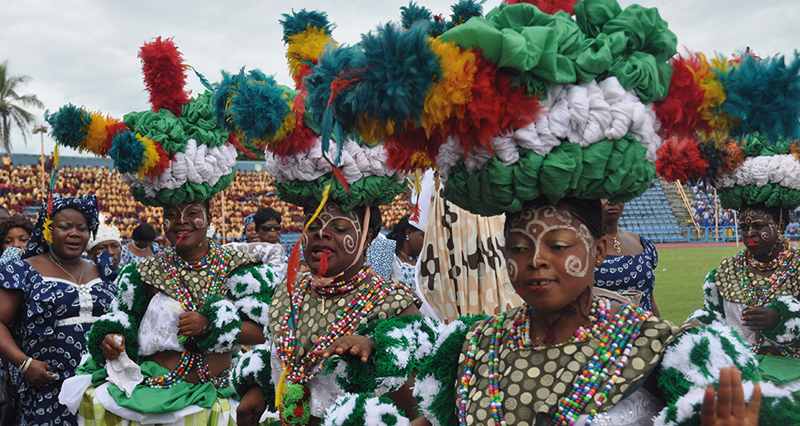

1. Introduction: The Tapestry of Nigerian Culture
1.1 Defining Nigeria’s Cultural Richness
Nigeria, often recognized as the most populous Black nation globally and the richest nation in Africa, presents a cultural landscape of extraordinary depth and vibrancy. This cultural richness is not merely an aggregation of disparate elements but a complex, intricately woven tapestry shaped by centuries of diverse human experiences, the convergence of numerous peoples, and dynamic interactions that continue to evolve. Understanding Nigeria’s cultural dynamism requires moving beyond superficial descriptions to delve into the profound historical, social, and artistic dimensions that define its unique identity on the global stage. The nation’s cultural heritage is a testament to its resilience, adaptability, and the creative spirit of its people, enduring and transforming through various historical epochs.
1.2 Overview of Key Cultural Dimensions
This report embarks on a comprehensive exploration of Nigeria’s multifaceted cultural dimensions. It will first establish the foundational elements of its profound ethnic and linguistic diversity, examining how over 250 distinct groups coexist and interact. Subsequently, the intricate religious landscape, characterized by the significant presence of Islam, Christianity, and enduring indigenous belief systems, will be analyzed, highlighting their historical integration and contemporary influence. The report will then trace the historical trajectory of Nigerian culture, from the sophisticated pre-colonial civilizations with their unique governance structures and artistic achievements to the transformative, often challenging, impact of British colonialism. Finally, it will delve into the vibrant post-independence cultural developments, examining Nigeria’s prolific artistic expressions across visual arts, textile design, music, literature, and the globally impactful film industry, Nollywood. The analysis will also extend to deeply rooted social practices, including the diverse and culturally significant cuisine, the elaborate festivals and ceremonies that punctuate the year, and the fundamental structures of traditional marriage and family life. Through this exhaustive and nuanced analysis, the report aims to provide a comprehensive understanding of what constitutes Nigeria’s rich culture.
2. Foundations of Diversity: People, Languages, and Belief Systems
2.1 Ethnic and Linguistic Landscape: A Mosaic of Identities
Nigeria is a nation characterized by an unparalleled mosaic of ethnic and linguistic identities, comprising over 250 distinct ethnic groups and languages. This profound diversity forms the bedrock of Nigeria’s cultural richness. Among these numerous groups, three stand out for their demographic size and historical influence, each accounting for approximately a fifth of the national population: the Hausa, predominantly located in the north; the Yoruba, residing in the southwest; and the Igbo (or Ibo), concentrated in the southeast. The languages of these three major groups hold official recognition, permitting their use in government alongside English. Beyond these dominant groups, other significant populations include the Ijaw in the east and the Fulani in the north, further contributing to the nation’s complex human tapestry.
English serves as the official language and the primary lingua franca, facilitating communication across this vast linguistic spectrum. Its widespread adoption stems from the British colonial era, particularly through the establishment of mission schools in Southern Nigeria, where it became the common language for most people in the area. This historical imposition led to English being perceived as a language of prestige, education, and wealth, a perception that continues to influence societal dynamics. This historical development has created a situation where individuals not belonging to the major ethnic groups often do not speak the languages of the dominant groups, relying instead on English or Pidgin for inter-ethnic communication. This dynamic highlights a subtle yet pervasive cultural pressure, where Nigerian youths sometimes adopt Western accents to avoid negative attention, navigating a “two-persona-identity” that balances their indigenous roots with perceived global norms. Thus, English functions as a necessary linguistic bridge for a multi-ethnic state, yet its historical elevation has contributed to the marginalization of indigenous languages and fostered identity challenges among younger generations.
In addition to formal English, Nigerian Pidgin, a vibrant blend of African languages and English, is widely spoken throughout southern Nigeria. This creole language fundamentally uses English words integrated into Yoruba or Igbo grammatical structures. Pidgin originally emerged from the practical need for British sailors to communicate with local merchants during colonial encounters, demonstrating a grassroots linguistic innovation born out of necessity. Its unique structure, combining elements of both English and indigenous languages, signifies a dynamic process of cultural adaptation rather than a simple adoption of a foreign tongue. Consequently, Pidgin stands as a distinct cultural artifact, reflecting the resilience and creativity inherent in Nigerian linguistic expression. It serves as a pragmatic and informal bridge between formal English and the diverse indigenous languages, fostering a unique Nigerian identity that is neither entirely Western nor purely traditional, embodying the nation’s capacity for cultural synthesis.
2.2 Religious Pluralism: Coexistence and Influence
Nigeria’s cultural landscape is profoundly shaped by its significant religious pluralism, with the population almost equally divided between Muslims and Christians, each accounting for approximately 50 percent. This religious diversity is not uniformly distributed but follows distinct regional patterns. In the northern states, particularly the 13 northern states, the vast majority of the population adheres to Islam. The Hausa, a dominant ethnic group in this region, have been Muslims for nearly a millennium, having been converted to Islam by Arab traders and merchants as early as the 10th century. Conversely, in the southern states, the majority of Nigerians are Christian, though a notable segment of the population continues to practice indigenous beliefs. While the Hausa are predominantly Muslim, the Igbo are largely Christian. Other ethnic groups in the south, such as the Efik, Ibibio, and Annang, are also primarily Christian. The Yoruba, however, exhibit a unique balance, with significant adherents to both Islam and Christianity, often blending indigenous beliefs with their adopted Abrahamic faiths. Despite this profound religious diversity, Nigeria is officially a secular nation, with no declared state religion.
This religious diversity, while fostering a profound sense of cultural richness and tolerance, has also historically led to tensions and conflicts between different religious groups. The historical introduction of Islam and Christianity by foreign missionaries further deepened these divisions, as each religion gained its own following and exerted influence in distinct regions of the country. This historical development established a causal link between religious spread and regional socio-political dynamics, where religious fundamentalism has, unfortunately, had far-reaching and devastating effects. The intersection of religious beliefs with political ideologies and aspirations has given rise to unique political dynamics and challenges in Nigeria. Although the secular nature of the state is an attempt to manage this inherent tension, the reality on the ground remains complex, with religious affiliations often intertwined with ethnic and regional identities, contributing to the nation’s socio-political complexities.
However, the blending of indigenous beliefs with Christian practices, particularly among the Yoruba, and the observation that some Fulani groups combine Islamic and traditional practices, illustrate a strong capacity for cultural synthesis within Nigeria. This integration is not merely a superficial adoption of new religions but a profound process where traditional spiritual frameworks persist and evolve within new contexts. This syncretism highlights the remarkable resilience of indigenous spiritual roots and the adaptive nature of Nigerian culture, preventing the complete erasure of local traditions by imported belief systems. It demonstrates a dynamic cultural fluidity where new beliefs are often reinterpreted and integrated through an existing indigenous worldview.
2.3 Traditional Belief Systems: Enduring Spiritual Roots
Beneath the dominant Abrahamic religions, Nigeria’s cultural fabric is deeply interwoven with rich and enduring traditional belief systems, particularly prominent in the southern regions. These indigenous faiths typically center on a belief in various spirits and a Supreme Being or creator. For the Yoruba, this Supreme Being is known as Olorun or Olodumare, while the Igbo refer to their creator as Chineke or Chukwu. These systems represent sophisticated cosmologies that continue to influence daily life, even among adherents of Christianity and Islam.
Among the Yoruba, the traditional religion revolves around the Orishas, divine spirits believed to be sent by the supreme creator, Olodumare, to assist humanity. These
Orishas are often associated with royal lineages, forces of nature, and, in many diaspora communities, have been syncretized with Catholic saints, demonstrating a creative religious pluralism. Yoruba tradition often posits the existence of 400 plus one
Orishas, signifying an innumerable pantheon. Key
Orishas govern specific aspects of nature and human experience; for instance, Ogun is associated with iron and war, Oshun with love and rivers, and Yemoja with motherhood and the ocean. The worship of
Orishas frequently involves drumming, dance, and spirit possession as central aspects of ritual life, strengthening communal bonds and fostering direct spiritual experiences. A central concept is
Orí, literally meaning the head, but spiritually understood as the portion of the soul determining personal destiny. Devotees strive for proper alignment with their
Orí through offerings, prayers, and self-reflection to ensure balance and success in life. Divine energy, known as
Ase, originates from Olodumare and is manifested through Olorun, the ruler of the heavens, and is invoked through rituals, prayers, songs, and sacrifices, making every action and word potentially sacred. Some
Orishas are rooted in ancestor worship, with revered warriors, kings, and city founders being celebrated after death and integrated into the pantheon. The persistence of concepts like
Orí even among adherents of Abrahamic faiths speaks to their deep cultural embedding.
For the Igbo people, the traditional belief system is known as Odinani (or Odinala, Omenala), centered on a Supreme God, Chukwu, alongside spirits (Alusi), ancestors (Ndi Ichie), and natural forces. Important deities within
Odinani include Ala, the Earth Goddess; Amadioha, the god of thunder; and Ikenga, the god of personal success. While Chukwu is the central deity, direct sacrifices are not given to Chukwu, nor are shrines erected for it; instead,
Arụsị (the spirit class) are mediated by priests known as Dibia through divination (áfà), which communicates the laws and demands of the Arụsị to the living. Ancestor worship forms a main component of the traditional Igbo religion, with deceased ancestors believed to reside in the spirit world where they can be contacted and can bestow blessings or illness upon their living descendants. A fundamental belief in
Odinani is that each person possesses a personal spiritual guardian called Chi, appointed at birth, which personifies an individual’s fate and influences their successes, misfortunes, and failures throughout life. Although
Odinani has largely syncretized with Catholicism, it remains a strong influence among rural, village, and diaspora Igbo populations, demonstrating its enduring cultural significance. The practical application of
Ala in the Igbo legal system, where offenses against the Earth Goddess included murder and homicide, and the community’s role in conflict resolution, illustrate how these systems provided social order and justice in pre-colonial societies. This indicates that indigenous religions were not merely about worship but were integral to the socio-political and communal fabric, offering a holistic worldview that integrated spiritual, social, and practical life.
The pre-Islamic traditional religion of the Hausa people of West Africa is known as Maguzanci or Bori, characterized by magic and spirit possession. Historically,
Bori became a state religion led by ruling-class priestesses in some late precolonial Hausa Kingdoms. While Islam made inroads from the 11th century, suppressing aspects like idol worship,
Bori survived by integrating certain Islamic elements into its spirit-possession cults. In
Bori-Islam, Allah is considered distant, with iskoki (spirits) serving as the active supernatural forces in people’s lives and acting as intermediaries between humans and the divine creator. The beliefs encompass family rituals, such as sacrifices to inherited
iskoki spirits for agricultural events and marriages (not practiced by urban Muslim Hausa); public rituals, which have declined; individual sacrifices for personal ends (e.g., occupational cooperation or healing); and possession-trance rites. Spirits are categorized as “white” (often Muslim/town) or “black” (pagan/bush). Some Fulani groups, closely related to the Hausa, also combine Islamic and traditional practices. The description of
Bori as an institution controlling spiritual forces and healing illness through ritual dance and music highlights the practical application of traditional beliefs in health and well-being. This further demonstrates how these systems provided social cohesion and addressed practical needs in pre-colonial societies.
The enduring influence of indigenous cosmologies, despite the widespread adoption of Christianity and Islam, is a significant aspect of Nigerian culture. The fact that Odinani remains strong among diaspora populations and that some Fulani combine Islamic and traditional practices indicates that the adoption of new religions did not lead to a complete abandonment of indigenous spiritual frameworks. Instead, there is a dynamic process of integration and adaptation, where traditional spiritual roots persist and evolve within new contexts. This suggests that these belief systems are not merely historical relics but living, evolving components of Nigerian identity, providing a continuous link to ancestral wisdom and a unique lens through which to interpret modern life. This cultural synthesis underscores the profound resilience and adaptability of Nigerian spiritual traditions.
Table 1: Major Ethnic Groups, Languages, and Dominant Religions
| Ethnic Group | Primary Region | Major Languages | Dominant Religions | Key Cultural Characteristics (Brief) |
| Hausa | North | Hausa | Islam | Centralized kingdoms, stratified society, Durbar festival, Bori traditional religion (pre-Islam) |
| Yoruba | Southwest | Yoruba | Christianity, Islam, Indigenous (Orisha) | Urbanized, hereditary monarchies, complex social structure, rich artistic traditions (Ife, Owo), Jùjú, Apala music |
| Igbo (Ibo) | Southeast | Igbo | Christianity, Indigenous (Odinani) | Decentralized “village republics,” communal living, Ozo title holders, New Yam Festival, Igbo highlife music |
| Fulani | North | Fulfulde | Islam (often Sufism, blended with traditional practices) | Historically nomadic pastoralists, egalitarian social structure (pastoral Fulani), influential in northern political structures |
| Ijaw | East | Ijaw | Indigenous, Christianity | Niger Delta fishermen, water spirit cults, distinctive masks and figures |
| Efik/Ibibio | South-South | Efik/Ibibio | Christianity | Ekpo Festival, traditional governance structures |
3. Historical Evolution of Nigerian Culture
3.1 Pre-Colonial Civilizations: Indigenous Systems and Artistic Heritage
Before the advent of colonial rule, the geographical area now known as Nigeria was a vibrant tapestry of diverse pre-colonial civilizations, each with its own sophisticated governance structures, intricate social systems, and rich artistic traditions. This historical reality underscores that Nigeria’s cultural richness is deeply rooted in a complex past, far from a “blank slate” awaiting external influence. Many of the over 200 ethnic groups that comprise Nigeria today were, in fact, large enough to constitute independent nations in their own right, possessing age-old political societies that varied significantly in their organization.
The pre-colonial socio-political systems ranged from highly centralized kingdoms, such as those of the Hausa-Fulani, Yoruba, Edo, Igala, Nupe, and Jukun, to more non-centralized or “stateless” communities like the Igbo, Urhobo, and Ibibio. This inherent diversity in political organization meant that the British colonial authorities would later encounter vastly different societal structures, a factor that profoundly influenced their approach to governance and contributed to post-colonial complexities.
The Igbo people of Southeastern Nigeria, for instance, were renowned for their stateless society, characterized by decentralized authority and autonomous “village republics”. Governance was organized at the village level with a strong emphasis on collective leadership, typically vested in a council of elders known as the “Ama-ala” or “Ndichie”. This consensus-driven approach ensured that the needs and voices of all community members were considered, fostering a system of checks and balances that prevented the concentration of power. Age grades and secret societies played crucial roles in policy implementation, checking abuses of power, and performing ceremonial and cultural functions. Succession to leadership was not hereditary, with wealthy and influential men often holding the prestigious Ozo title. The Earth goddess, Ala, held immense importance in their legal system, with offenses against her, such as murder, being resolved by the community acting as a court. Igbo economic practices were deeply intertwined with social cohesion, with communal farming fostering collaboration and trade serving as important social events.
In contrast, the Hausa-Fulani in the North developed a highly stratified society, particularly after the Fulani takeover in 1804, which established a hierarchy of hereditary and appointive ruling classes over the Habe commoners. Their cities were often walled, with distinct wards for foreigners, and residential compounds were also walled, housing large extended families. Urban women, though often in seclusion, were economically active from within their homes, primarily to finance their daughters’ dowries. Markets served not only economic functions but also significant social purposes, acting as meeting places and venues for social display. The Durbar Festival, originating in late 15th century Kano as a military power display, evolved into a grand ceremonial event associated with Muslim Eids, demonstrating loyalty to the Emir and showcasing equestrian skills and cultural heritage.
The Yoruba, located in the southwest, were characterized by a high degree of urbanization, advanced agricultural practices, and the formation of independent city-states (such as Oyo, Egba, Ijebu, Ijesa, and Ife) led by hereditary ruler-priests. Their social structure was complex and highly stratified, with rank determined by a multitude of factors including wealth, sex, status (free or slave), age, clan rank, and political or religious office. While industry was valued, the accumulation of wealth was also attributed to luck, associated with the concept of the head.
The artistic heritage of these pre-colonial civilizations provides compelling evidence of their advanced nature. The earliest known large-scale sculpture in the Sudan region is the ceramic art of the Nok culture, which flourished extensively in northern Nigeria from the 5th century BCE into the early centuries CE. These well-fired clay sculptures depicted animals naturalistically, while human figures were rendered with distinctive cylindrical, spherical, or conical heads. Further south, excavations at Ife, a central site in Yorubaland and the mythical origin of the world for some Yoruba, revealed naturalistic sculpture in brass and pottery produced between 1100 and 1450 CE. These sculptures, possibly representing royal figures and their attendants, included life-size portrait heads in brass, perhaps used as part of funerary effigies. Ife’s artistic naturalism appears to have had widespread importance, influencing the fundamental development of Yoruba sculptural style, which features human figures rendered naturalistically but with characteristic bulging eyes, flat, protruding, and usually parallel lips, and stylized ears. The city of Owo, near the frontier with Edo-speaking peoples, developed an art style that blended Yoruba and Benin traditions, particularly noted for its important ivory carving and wooden heads of rams or humans with rams’ horns used on ancestral altars. The Benin Kingdom was renowned for its brass heads, figures, and plaques, with royal regalia incorporating coral beads and red cloth, symbolizing a mystical threat to enemies. Wood was used for staffs commemorating ancestors, placed on altars, and pottery heads were made for shrines, with life-size royal figures in mud still produced for the cult of Olokun, the divinity of the sea and wealth. The Ijo fishermen of the Niger Delta created masks for water spirit cults in the form of aquatic animals, such as hippopotamuses and crocodiles, while the western Ijo used
ejiri figures representing the household head on a schematic quadruped as a family guardian spirit.
The existence of highly sophisticated art forms like Nok ceramics and Ife bronzes, dating back millennia, demonstrates advanced technological and aesthetic capabilities long before European contact. These are not merely crafts but complex artistic traditions that required specialized knowledge, materials, and patronage, often linked to royalty and religious practices. This directly challenges any colonial narratives that might have portrayed these lands as “uncivilized,” instead highlighting a rich, indigenous artistic heritage that forms a core component of Nigeria’s cultural identity and contributes significantly to global art history. The influence of Ife art on Yoruba sculptural style, for example, illustrates a continuous artistic lineage and internal cultural diffusion within pre-colonial Nigeria.
3.2 The Colonial Encounter: Impact and Transformation
The British colonial encounter fundamentally reshaped Nigeria’s cultural, social, and political landscape, leaving a complex and enduring legacy. Between the 1890s and 1900s, the diverse ethnic groups of the region were gradually brought under three distinct informal British colonial administrations. These were eventually unified in 1906 as the Lagos Colony and Protectorate of Southern Nigeria, culminating in the amalgamation of the Protectorates of Northern and Southern Nigeria in 1914. This administrative act, rather than a natural unification, forcibly brought together disparate groups, each with their own cultural heritage and religious beliefs, under a single political entity.
The amalgamation immediately created a “complex tapestry of cultural, social, and political identities” and intensified competition among ethnic groups for resources, socio-political power, and governmental representation. This artificial unity, imposed without a pre-existing “emblem of a national identity,” meant that the colonial construct of Nigeria struggled with internal cohesion from its inception. This struggle directly contributed to the “long-standing regional stresses, caused by ethnic competitiveness, educational inequality, and economic imbalance” that plagued Nigeria following independence. The absence of a shared national identity prior to amalgamation meant that many of Nigeria’s post-colonial challenges, including devastating conflicts like the 1967-1970 Biafra-Nigeria War, can be traced as direct consequences of its artificial colonial genesis. This implies that cultural integration remains a continuous and complex endeavor in Nigeria, striving to reconcile imposed unity with inherent diversity.
A cornerstone of British colonial administration was the system of “indirect rule,” wherein local government was ostensibly left in the hands of traditional chiefs, albeit subject to the guidance of European officers. While this policy aimed to utilize native institutions and minimize interference with local customs, the British did not always fully comprehend these customs, leading to contradictions and unintended consequences. This system evolved into a sophisticated form of local government, particularly in the emirates of the North, becoming a hallmark of British colonial rule in Africa. However, to prevent any united opposition to their authority, the British deliberately adopted a “divide-and-rule” policy, actively keeping Nigerian groups separate from one another as much as possible.
The application of indirect rule was not uniform across the protectorates, leading to significant regional disparities. In the North, where centralized pre-colonial systems existed and Muslim leaders strongly resisted the spread of Western education and Christianity by Christian missionaries, the British co-opted traditional authorities. In contrast, in the South, where political hierarchies were often less centralized or non-existent, the British sometimes created new political structures or ruled through individuals deemed most “malleable,” regardless of their traditional authority. This differential application of colonial policy, coupled with the rapid spread of Western education and Christianity in the South versus its slower adoption in the North, directly caused a “growing disparity between north and south”. This disparity, in turn, fueled “political tensions” and “ethnic competitiveness” , demonstrating a clear cause-and-effect relationship between colonial administrative policies and long-term socio-political fragmentation. The colonial era also introduced paternalistic tools of supremacy, domination, and victimization, leading to the draining of human and natural resources from the region. English was enforced in schools, government, church, and commerce, becoming the language of prestige, education, and wealth, further entrenching colonial influence. This economic policy also resulted in Nigeria’s growing dependence on an export economy dominated by European firms, conducting business primarily for European profitability at the expense of indigenous Nigerian enterprise.
3.3 Post-Independence Dynamics: Identity, Challenges, and Resilience
Nigeria gained its independence from British colonial rule on October 1, 1960. The period following independence, however, was immediately dominated by the complex and enduring legacy of its colonial past, manifesting in pervasive ethnic and regional antagonisms. The country, despite its newfound sovereignty, remained largely segmented into three major geographic regions, each effectively controlled by a dominant ethnic group: the Yoruba in the west, the Igbo in the east, and the Hausa-Fulani in the north. These long-standing regional stresses, exacerbated by ethnic competitiveness, educational inequality, and economic imbalance—issues deeply rooted in colonial policies—came sharply to the fore during the controversial census of 1962–63.
The inherent difficulties in forging a unified national identity from disparate pre-colonial entities, artificially brought together by amalgamation, quickly led to profound political instability. Nigeria experienced five military coups since independence, alongside the devastating Biafra-Nigeria War from 1967 to 1970, which claimed millions of lives. This period of conflict and military rule, interspersed with brief attempts at civilian democracy, highlighted the profound challenge of unifying a nation born from such diverse origins. The immediate post-independence period, therefore, was marked by a paradox: striving for national unity amidst enduring divisions, a direct consequence of colonial “divide-and-rule” tactics that exploited pre-existing differences.
Despite these formidable challenges, there have been conscious and sustained efforts to build a cohesive national cultural identity while simultaneously affirming the distinct cultural identities of Nigeria’s numerous ethnic groups. This approach recognizes the nation’s inherent pluralism and seeks to foster unity without suppressing individual ethnic expressions. Initiatives include the development of cultural infrastructure, the introduction of new technologies in cultural activities, and the establishment of links between culture and education, as well as between education and various cultural industries, particularly mass media. This implies that post-independence cultural development is a continuous negotiation between the forces striving for national cohesion and the forces upholding ethnic particularism.
A powerful counter-trend to the lingering effects of colonialism is the active cultural resilience and reaffirmation observed across the nation. Despite the colonial era leading to a “diminished view and utilization of Nigerian culture and languages,” there is a strong counter-movement emphasizing the importance of culture as an integral part of one’s identity. Nigerian youths, in particular, express a strong desire to cling to their language and culture, recognizing its vitality to their sense of self. They are actively working to challenge and falsify negative stereotypes and narratives imposed by external perspectives, upholding their values and diligently passing them down through generations. This indicates a powerful cultural resilience and a proactive stance against the lingering effects of colonial cultural subjugation. The challenges of post-independence have, paradoxically, strengthened a sense of cultural identity and a commitment to its preservation, particularly among younger generations, demonstrating a dynamic process of cultural self-assertion.
4. Artistic Expressions: Visual, Performing, and Literary Arts
4.1 Traditional Arts and Sculpture: Ancient Legacies and Enduring Forms
Nigeria boasts an extraordinary legacy of traditional arts and sculpture, reflecting ancient craftsmanship, diverse aesthetic styles, and the profound integration of art with religious, social, and political life. This rich heritage demonstrates the longevity and continuity of artistic traditions across its various ethnic groups, serving as a powerful testament to the sophistication of pre-colonial civilizations.
The earliest known large-scale sculpture in the Sudan region (northern Nigeria) is the ceramic art of the Nok culture, which flourished extensively from the 5th century BCE into the early centuries CE. These well-fired clay sculptures depicted animals naturalistically, while human figures were rendered with distinctive cylindrical, spherical, or conical heads. This ancient art form provides a foundational understanding of the region’s early artistic prowess.
Moving to central Yorubaland, particularly the site of Ife—which holds mythical significance as the creation place of the world in some Yoruba traditions—excavations have revealed naturalistic sculpture in brass and pottery produced between 1100 and 1450 CE. These sculptures are believed to represent royal figures and their attendants, with life-size portrait heads in brass potentially used as part of funerary effigies. Ife’s artistic naturalism held widespread importance, significantly influencing the basic development of Yoruba sculptural style. Throughout Yorubaland, human figures are generally depicted in a fundamentally naturalistic manner, but with characteristic bulging eyes, flat, protruding, and usually parallel lips, and stylized ears. Within this basic canon, numerous local styles can be distinguished, often down to the hand of the individual artist. Yoruba art is deeply associated with royal courts, including objects such as staffs, court dress, and beaded crowns, as well as architectural elements like veranda posts, gates, and doors embellished with carvings. Shrines dedicated to the Yoruba pantheon of deities (Orishas) are adorned with carvings and house an array of altar figures and other ritual paraphernalia. Masking traditions, varying regionally, are employed in various festivals and celebrations. A widely distributed cult is that of twins (
ibeji), whose effigies, made on the instructions of the oracle, are among the most numerous of all classes of African sculpture. Beyond religious and royal contexts, Yoruba art also serves purely secular functions, such as bowls for kola nuts offered to guests,
ayo boards for games, stools, spoons, combs, and heddle pulleys. Materials used in Yoruba sculpture include terracotta, stone, copper alloy (copper, brass, and bronze), iron, ivory, and wood. Ogun is honored as the god of iron by blacksmiths who create iron sculptures, while the Ogboni society considers brass incorruptible, utilizing it for their works.
The city of Owo, located southeast of Yorubaland near the border with the Edo-speaking peoples, developed a distinctive art style that blends Yoruba and Benin traditions. Ivory carving is particularly important in Owo, and wooden heads of rams and humans with rams’ horns are used on ancestral altars. From the Benin Kingdom, brass heads, figures in the round, groups on common bases, and plaques are notable. The regalia of the king and chiefs also included coral beads and red cloth, with the color red signifying a mystical threat to the kingdom’s enemies. Wooden staffs commemorating ancestors were placed on their altars. Pottery heads were made for shrines in the brass casters’ quarter, and life-size groups of royal figures in mud are still created for the cult of Olokun, the divinity of the sea and wealth.
In the Niger Delta, the Ijo fishermen create masks for the cults of water spirits, often in the form of aquatic animals such as the hippopotamus and crocodile. The western Ijo utilize
ejiri figures, where the head of the household is represented upon a highly schematic quadruped said to represent the family’s guardian spirit. Similar objects are made by the Edo-speaking Urhobo to the north of the Ijo, used in a cult of aggressiveness by warriors. Among the eastern Ijo, shrines for the water spirits feature figures that are often large, though frequently kept hidden.
Traditional Nigerian art serves as a profound repository of societal values, belief systems, and historical narratives. The detailed descriptions of these art forms reveal that they are far more than mere decorations. For instance, Ife sculptures representing royal figures and Yoruba art associated with royal courts indicate art’s fundamental role in legitimizing political power and documenting lineage. The use of art in shrines for Orishas and the widespread cult of twins, with their effigies, demonstrates its integral connection to spiritual beliefs and daily life. The symbolism embedded in Owo art, such as rams’ horns for ancestral altars, and Benin regalia, where red cloth signifies a mystical threat, illustrates how art functions as a visual language for conveying complex cultural meanings, historical accounts, and social order. This implies that traditional Nigerian art is a rich cultural archive, offering invaluable insights into pre-colonial governance, spirituality, and societal structures.
Furthermore, the interconnectedness of art, religion, and social life is a defining characteristic. The recurring themes of art serving religious functions (e.g., shrines, effigies, masks for spirits), political functions (e.g., royal regalia, commemorative staffs), and social functions (e.g., kola nut bowls, ayo boards) demonstrate that in traditional Nigerian societies, art was rarely created for its own sake. It was deeply embedded in the very fabric of daily life, ritual, and governance. This holistic integration contrasts sharply with Western notions of art as a separate, often autonomous, domain. It highlights a unique cultural philosophy where artistic expression is inseparable from communal existence, spiritual practice, and the maintenance of social harmony, reflecting a profound and integrated worldview.
4.2 Contemporary Visual Arts: Innovation, Identity, and Social Commentary
The contemporary visual arts scene in Nigeria is a dynamic and evolving landscape, marked by innovation, a strong sense of identity, and a profound engagement with social commentary. Nigerian Modernism, a significant movement, celebrates the achievements of artists working both before and after the nation gained independence in 1960. These artists consciously fused Nigerian, African, and European techniques and traditions to create vibrant, multidimensional works. Influential groups such as the Zaria Art Society and the Mbari Artists’ and Writers’ Club played crucial roles in fostering this artistic synthesis.
A pivotal development in this trajectory was the emergence of the Young Contemporaries movement in the 1960s, during Nigeria’s vibrant post-independence period. This movement represented a significant shift in African contemporary art, successfully bridging traditional and modern aesthetic approaches. Its core philosophy emphasized innovation in artistic expression, integrating traditional Nigerian elements with contemporary global art practices, social commentary, and cultural dialogue. Key contributors to this movement often combine traditional Nigerian artistic elements with modern techniques and materials, crafting distinctive visual languages that address both local and global concerns. The Young Contemporaries movement has profoundly influenced art education in Nigeria, encouraging experimental approaches to art-making, promoting cross-cultural artistic dialogue, and supporting the professional development of emerging artists through mentorship and networking. The movement continues to evolve, embracing new media such as digital art, installation, and performance, reflecting changing artistic practices while maintaining its commitment to innovation and cultural dialogue.
Notable artists who have shaped contemporary Nigerian visual arts include pioneers like Ben Enwonwu (born 1917), Bruce Onobrakpeya (born 1934), Yusuf Grillo (born 1934), Abayomi Barber (born 1928), and Twins Seven Seven (born 1944). More contemporary figures include Yinka Shonibare, El Anatsui, Njideka Akunyili Crosby, Victor Ehikhamenor, and Nike Davies-Okundaye.
Ben Enwonwu’s work, for example, is characterized by its powerful fusion of indigenous notions of power with political demands for Black empowerment. The vibrancy and movement in his figures reflect the inherent philosophies of the Negritude movement, advocating for the emancipation and celebration of Africans and their land. Bruce Onobrakpeya’s themes cover a wide variety of subjects, deeply celebrating Nigerian culture, reflecting his Christian faith, addressing environmental issues, and promoting the concept of rainbow unity amidst Nigeria’s diversity. He notably developed
Ibiebe, an invented script of ideographic geometric and curvilinear glyphs that blends his Urhobo heritage with Chinese, Japanese, Ghanaian, and Nigerian calligraphy. Abayomi Barber became the guiding light and mentor for an informal Afro-surrealist school of art, known as the Barber…
source artworks and paintings.
A significant aspect of contemporary Nigerian visual art is its pervasive use for social commentary. Nigerian art prints, with a rich history rooted in indigenous artistic expressions that initially depicted cultural myths, daily life, and traditional ceremonies, evolved into powerful tools for communication of community values and collective identity. During the colonial era, Nigerian artists adopted printmaking to challenge colonial narratives, effectively exposing oppression and highlighting social injustices. Artists like Chike Aniakor used prints to depict colonial resistance, fostering awareness and solidarity throughout the country. Print studios in cities like Lagos and Ibadan emerged as centers of political artistic expression. Following independence, printmaking flourished as artists addressed new social issues, with figures like Nike Davies-Okundaye using prints to discuss gender and cultural identity, and highlighting topics such as corruption, inequality, and environmental degradation. Artists like Sofoluwe Adeyemi use vivid imagery to highlight issues of governance, depicting power struggles and election dynamics, thereby serving as visual narratives that question political accountability and encourage public discourse on democracy and civic responsibility. Corruption remains a prevalent theme, with printmakers like Chinyere Okafor employing symbolism to expose bribery and its impact on everyday citizens, encouraging societal reflection and reform. Nigerian art prints also frequently highlight social and economic disparities, portraying the gap between wealth and poverty in both urban and rural settings, and raising awareness about access to education, healthcare, and opportunity, inspiring calls for social justice and equal rights. Beyond these, themes like gender roles and environmental concerns are also addressed, with artists like Amina Bello depicting women’s empowerment and Emeka Chukwu addressing environmental degradation. Nigerian artists utilize strong colors and symbolic motifs, such as the eagle (strength, vigilance), kola nut (unity, hospitality), and snake (deceit, transformation), employing satire and allegory to provoke critical thought. Folkloric tales are leveraged as allegories to reflect contemporary societal challenges, providing a culturally familiar lens for addressing sensitive topics. Art, in this context, serves as a powerful tool for protest and an inciter of social change, capable of conveying complex ideas across classes and cultures due to its non-reliance on written language.
The emergence of Nigerian Modernism and the Young Contemporaries movement post-independence represents a direct cultural response to the colonial experience. Artists’ efforts to fuse Nigerian, African, and European techniques and traditions, while addressing local and global concerns, demonstrate a conscious and deliberate effort to define a unique Nigerian artistic identity that is neither purely traditional nor merely imitative of Western forms. Ben Enwonwu’s work, which explicitly links indigenous power notions to political demands for Black empowerment, directly connects art to the Negritude philosophy and the broader anti-colonial movement. This indicates that contemporary art in Nigeria is not just an aesthetic pursuit but a vital cultural and political tool for self-definition and resistance against lingering colonial mentalities.
Furthermore, the evolution of social commentary in Nigerian art serves as a direct reflection of the nation’s ongoing challenges. The progression of themes in Nigerian art prints, from depicting cultural myths to challenging colonial narratives and then to addressing new social issues like corruption, inequality, and environmental degradation, mirrors the historical trajectory of Nigeria itself. Art transformed into a powerful medium to expose oppression during colonialism and continues to question political accountability and expose the impact of corruption in the post-independence era. This demonstrates a clear causal relationship between societal challenges and artistic expression. The strategic use of symbolism and folkloric tales provides a culturally resonant way to critique sensitive topics, highlighting art’s role as a critical mirror and a catalyst for social dialogue and change within Nigerian society.
4.3 Textile Arts: Patterns, Symbolism, and Modern Adaptations
Woven textiles are deeply embedded in the historical and cultural fabric of Nigeria, serving as much more than mere clothing; they are carriers of identity, status, and narrative, reflecting societal values and beliefs. Archaeological remains of woven bark fragments from the 9th century A.D. at Igbo Ukwu provide the earliest known evidence of weaving in Nigeria, though their specific nature and use remain largely unknown. Centuries later, cast bronze figures from the ancient Yoruba site at Ife (12th-15th Century A.D.) depict royalty wearing cloth wrappers, suggesting the use of upright frame looms similar to those Yoruba women weavers use today.
The history of Nigerian textile design also incorporates external influences. Batik wax-resist textiles, for instance, were first imported from Indonesia in the 19th century. Their vibrant colors and patterns quickly gained popularity among Africans, leading to the customization of fabrication methods and the adaptation of designs to reflect local traditional culture. As African countries gained independence in the 20th century, they established their own textile mills, which began creating designs that specifically reflected traditional African culture, with each ethnic group developing its own preferences for colors and designs.
A prominent example of indigenous textile art is Akwete cloth, a special woven fabric created by Igbo women in the Akwete area of Abia State. Originally referred to as “Akwa Miri” (Cloth of the water), its weaving tradition is considered to be as old as the Igbo nation itself. Akwete cloth is typically made of cotton thread, with decorative motifs produced using heavier cotton threads or rayon silk on a loom. The patterns found on Akwete cloth are inspired by various elements from the earth and daily human activities, including animals, bits, chairs, and tools. The colors used also carry specific significance: blue/indigo is considered most important, followed by black/white, and then earth tones such as greens, browns, and yellows, with red sometimes used as a base, reflecting the red soil prevalent in those parts. Notably, patterns of red and black designs, intricately interwoven in geometric forms on a white ground, are favored by Igbo men and traditionally used as bathing towels. Coarser Akwete cloths woven from sisal-hemp fibers are used by masqueraders and warriors as headgears, while those made from raffia fibers are reserved for religious occasions like the Ozo titleship and for mourning by women. Certain motifs, such as the “tortoise” motif (
ikaki), were historically reserved exclusively for members of royal families, with severe penalties, including enslavement, for non-royal individuals who dared to wear them. The “ebe” design was specially reserved as a protective talisman for pregnant women or warriors. Many of these designs are believed to be divinely inspired, revealed to weavers by the gods, and thus, no weaver is permitted to copy another’s design, leading to the potential loss of motifs if not preserved.
African print designs generally fall into four main categories: themes related to women’s lives (family, love, housework); aspects of town life (alphabet, television, money, power); elements of nature (animals, flowers); and rhythms (music, drums). These designs often convey metaphors and tell stories, with specific motifs, like beads, symbolizing proverbs such as “Precious beads make no noise,” meaning a good person does not need to brag. The classic dice design symbolizes nobility and is frequently worn by senior women as a uniform. Colors also provide information about the wearer’s tribal origin, social standing, age, and marital status; for instance, yellow is the color of initiation, and a combination of yellow and red is associated with the Igbo tribe.
However, modern Nigerian textile manufacturers face significant challenges, particularly from cheap Asian imports and the proliferation of copied designs and counterfeit trademarks. Smuggled textiles are often high-velocity prints, not authentically wax-resist dyed, and use chemical rather than natural dyes, mimicking the bleeding effect and dye-resistant spots of authentic products.
The fact that “each motif and pattern tells a story” and colors convey “tribal origin, social standing, age and marital status” elevates textiles beyond mere aesthetic objects to a form of non-verbal communication and historical record. The specific examples of Akwete cloth, where motifs like the “tortoise” were reserved for royalty, or the “ebe” design for protective talismans, demonstrate how textiles reinforce social structures, spiritual beliefs, and communal values. This implies that Nigerian textile arts are a dynamic cultural language, constantly evolving while preserving deep-rooted traditions and social codes.
The issue of “cheap Asian imports” and “copied designs, stamped with ‘Made in Nigeria’ and counterfeit popular trademarks” highlights a significant challenge to the preservation of authentic Nigerian textile traditions. The distinction between wax-resist dyed fabrics and “high-velocity textile prints” using chemical dyes points to a degradation of traditional craftsmanship and materials. This poses a threat not only to the economic viability of local manufacturers but also to the cultural integrity of the art form, as the stories and meanings embedded in authentic designs can be lost or distorted in mass-produced imitations. This indicates a broader struggle for cultural preservation in the face of globalized markets and intellectual property infringement, underscoring the importance of safeguarding indigenous artistic authenticity.
4.4 Music: From Indigenous Rhythms to Global Afrobeats
Nigerian music is a vibrant and evolving landscape, characterized by a rich tapestry of indigenous rhythms, historical fusions, and a profound global impact. The country’s internationally renowned genres include traditional Indigenous music, Apala, Jùjú, Fuji, Afrobeat, Afrobeats, Igbo highlife, Gospel, Nigerian pop, and Yo-pop.
Traditional Nigerian music forms the bedrock of its contemporary sounds. Palm-wine music, a syncretic genre that emerged in the early 20th century in West African port cities like Lagos, was primarily a song tradition. It incorporated brass instruments, written notation, Islamic percussion, and new Brazilian techniques into Yoruba music, played with string instruments (guitars or banjos), shakers, and hand drums. Baba Tunde King, one of the first stars of palm-wine music in the 1920s, is credited with coining the term “jùjú,” a style he helped create, possibly in reference to a Brazilian tambourine or as a colonial term of disdain for native traditions. Jùjú remained one of Nigeria’s most popular genres throughout the 20th century. The modern Jùjú style, notably developed by I.K. Dairo in the 1960s, incorporated electric guitar, accordions, and talking drums, transforming songs from short pop pieces into longer tracks, often exceeding 20 minutes.
Apala is a vocal and percussive Muslim Yoruba music style that emerged in the late 1930s to rouse worshippers after the fasting of Ramadan. Under the influence of popular Afro-Cuban percussion, Apala developed into a more polished style and attracted a large audience. It utilizes traditional instruments such as two or three talking drums (
omele), a rattle (sekere), a thumb piano (agidigbo), and a bell (agogo). Haruna Ishola was the most famous Apala performer, playing an integral role in popularizing the genre. Apala originated from
Wéré music, evolving from a fusion of traditional Yoruba music and Islamic practices, and was initially performed as non-liturgical Islamic music during Muslim festivals. Its themes include religious, political, eulogical, satirical, and educational content. Distinct from Fuji music, Apala is older and considered more difficult to master, and notably, it traditionally did not incorporate Western musical instruments or synthetic sounds, focusing instead on the centrality of its singing and ideas.
Highlife music, another significant genre, spread in the 1920s across Nigeria and neighboring West African countries. Igbo highlife, a diverse musical heritage from the southeastern part of Nigeria, typically features call-and-response singing, with a lead vocalist supported by a chorus, and is played on instruments such as the
ogene, udu, and ekwe.
The evolution of Nigerian music culminated in the emergence of Afrobeat and its contemporary derivative, Afrobeats, which have achieved profound global influence. Afrobeat, pioneered by Nigerian multi-instrumentalist and bandleader Fela Kuti in the 1960s, fused West African rhythms (such as Yoruba and highlife) with American funk, jazz, and soul influences. This genre is characterized by layered rhythms, extensive instrumental jams, and politically and socially charged lyrics. Fela Kuti famously used Afrobeat as a powerful tool for social criticism, critiquing military dictatorship, corruption, and neocolonialism in Nigeria. His legendary venue, The Shrine, served as a “crucible of political energy and cultural innovation,” where he fused his political ideas with his sound.
Afrobeats, distinct from Afrobeat, is a 21st-century combination of sounds originating in West Africa, an eclectic mix of genres including hip hop, house, jùjú, R&B, and dancehall. Though often conflated, the two genres are not the same.
The global influence of Afrobeat and Afrobeats is undeniable. Afrobeat has become a global cultural movement, transcending borders and impacting diverse genres worldwide. International musicians in pop, hip-hop, and electronic music began incorporating Afrobeat elements into their work, drawn by its rhythmic complexity and energetic vibe. Icons such as Beyoncé, Drake, and Rihanna have included Afrobeat-inspired sounds in their songs, introducing the genre to wider audiences. Notable collaborations with Afrobeat artists include tracks by Burna Boy, Wizkid, and Davido, who have popularized the sound through collaborations with international stars. The fusion of Afrobeat with Electronic Dance Music (EDM) has created a new wave of energetic tracks that thrive in festival settings, bringing an element of Afro-centric energy to dance floors worldwide. Beyond music, Afrobeat’s influence extends to global pop culture, dance, and fashion. Afrobeat artists often celebrate African heritage through fashion, popularizing Afro-centric clothing styles globally. The genre has also given rise to popular dance styles, often showcased in viral social media challenges, transcending cultural boundaries.
The spread of Afrobeat was significantly amplified by the Nigerian and West African diaspora, who carried their cultural heritage—including cassette tapes, radio shows, and oral storytelling—to cities like London, Berlin, and New York. This made Afrobeat a “transatlantic bridge,” connecting first-generation youth to ancestral rhythms while adapting to new cultural surroundings and linking identity to sound. The explosion of digital platforms like YouTube, SoundCloud, and Audiomack allowed Nigerian artists to bypass traditional Western gatekeepers, transforming tracks like Wizkid’s “Ojuelegba” and Davido’s “Fall” into viral hits not just in Africa but globally. This democratized access and visibility for Nigerian music. Afrobeat became a powerful tool for cultural reclamation, identity-building, and intergenerational connection for the diaspora, offering a bridge back to heritage and allowing diasporic youth to craft hybrid identities rooted in both ancestral memory and present realities. The genre also intersects powerfully with language and linguistic pride, with songs in Pidgin, Yoruba, Igbo, and Twi dominating international charts, empowering African communities by globally valuing their languages. However, this globalization also raises critical questions about cultural authorship and economic control, as Western brands and pop stars may tap into Afrobeat aesthetics without adequately platforming African producers, engineers, or lyricists.
The evolution from Palm-wine music incorporating European, Islamic, and Brazilian forms to Afrobeat fusing West African rhythms with jazz, funk, and soul demonstrates a continuous process of cultural synthesis within Nigerian music. The fact that Apala initially resisted Western instruments but later influenced “apala pop, apala trap, and apala-fusion” illustrates an internal tension and eventual adaptation, showcasing the genre’s dynamic nature. Fela Kuti’s pioneering use of Afrobeat for social criticism and liberation highlights music’s powerful role as a tool of political protest against state violence and corruption. This indicates that Nigerian music is not only a vibrant artistic expression but also a living testament to the nation’s ability to absorb external influences, innovate internally, and use art for socio-political commentary and cultural self-assertion.
The global success of Afrobeats is a prime example of how cultural richness, when combined with diaspora networks and digitalization, can achieve unprecedented global reach. The spread of Afrobeat by the Nigerian and West African diaspora and its amplification through digital platforms like YouTube and SoundCloud reveal a crucial causal link between migration, technology, and global cultural diffusion. This allowed Nigerian artists to bypass traditional Western gatekeepers, democratizing access and visibility. The genre’s influence on global pop, hip-hop, and EDM, and its impact on fashion and dance, demonstrate its “soft power” as a cultural export. However, the accompanying challenges around cultural authorship and economic control highlight a potential pitfall of globalization, where the originators may not fully benefit from the global appropriation of their cultural forms. This indicates that Afrobeats is a dynamic model of cultural influence, but also raises critical questions about ownership and authenticity in a globalized cultural economy.
Table 2: Key Nigerian Music Genres and Influential Artists
| Genre | Origins/Key Characteristics | Key Instruments | Notable Artists (Historical/Contemporary) | Cultural Significance/Themes |
| Palm-wine Music | Early 20th century, West African port cities; syncretic song tradition, incorporated brass, Islamic percussion, Brazilian techniques | Guitars/Banjos, shakers, hand drums | Baba Tunde King, Ojoge Daniel, Tunde Nightingale, Speedy Araba, Kokoro | Foundation for Jùjú; urban style for social gatherings |
| Jùjú | Developed from Palm-wine music; long tracks, complex rhythms, call-and-response, polyrhythmic percussion | Acoustic/Electric guitar, drums, sèkèrè, tambourine, talking drum, accordion, synthesizers, pedal steel guitar, saxophone, thumb piano, Hawaiian guitar | Baba Tunde King, I.K. Dairo, King Sunny Adé, Ebenezer Obey, Ojoge Daniel, Irewole Denge, Kokoro | One of Nigeria’s most popular genres throughout 20th century; praise singing, storytelling, social commentary |
| Apala | Late 1930s, Muslim Yoruba music; vocal and percussive, influenced by Afro-Cuban percussion, non-liturgical Islamic music | Talking drums (omele), sekere, agidigbo, agogo | Haruna Ishola, Ayinla Omowura, Ligali Mukaiba, Adisa Aniyameta, Raimi Dogo, Lasisi Layemi, Aminu Olaribigbe, Lasisi Onipede, Kasunmu Alao, Terry Apala, Olamide, DJ Tunez, Seyi Vibez | Rousing worshippers after Ramadan, later social events; religious, political, eulogical, satirical, educational themes; cultural resistance against Western instruments |
| Igbo Highlife | Diverse musical heritage from southeastern Nigeria; typically call-and-response singing | Ogene, udu, ekwe | (Not specified in snippets, but contributes to modern Nigerian music) | Major influence on modern Nigerian music |
| Afrobeat | 1960s, pioneered by Fela Kuti; fusion of West African rhythms (Yoruba, highlife) with American funk, jazz, soul | Bass guitar, sakara drum, drums, guitar, horns, Hammond organ, keyboards, percussion, ogene, saxophone, shekere, vocals | Fela Kuti, Lagbaja, Burna Boy, Wizkid, Davido | Political and social commentary (critique of military rule, corruption, neocolonialism); global cultural movement, influencing pop, hip-hop, EDM, fashion, dance |
| Afrobeats | 21st century, West African; eclectic combination of hip hop, house, jùjú, R&B, dancehall | (Diverse, often digital/electronic) | Davido, Burna Boy, Rema, Wizkid, Ayra Starr, Olamide, Tems, Kizz Daniel, Omah Lay, Asake, Fireboy DML, CKay, Yemi Alade, Tiwa Savage | Global cultural phenomenon, driven by diaspora and digitalization; cultural reclamation, identity-building for diaspora; linguistic pride |
4.5 Literature: Voices of Identity, History, and Social Conscience
Nigerian literature has gained profound international recognition since the mid-20th century, particularly with the emergence of literary giants such as Chinua Achebe and Wole Soyinka. This body of written works, encompassing a wide range of genres including novels, poetry, short stories, and plays, serves as a powerful mirror reflecting the country’s rich cultural diversity, complex historical experiences, and pressing social issues. It often delves into themes of identity, colonialism, post-colonialism, and the ongoing struggle for self-definition, while incorporating various indigenous languages and storytelling traditions, thereby showcasing Nigeria’s linguistic diversity. Contemporary Nigerian literature also prominently features themes of migration and diaspora, addressing the experiences and challenges faced by Nigerians living abroad. Nigerian writers have consistently utilized literature as a platform to engage with critical social issues such as corruption, gender equality, and human rights. The growth and visibility of Nigerian literature are further supported by various literary festivals and initiatives that actively promote reading and writing across the country.
Among the foundational figures, Chinua Achebe is often hailed as the “Father of Nigerian Literature”. His seminal work,
Things Fall Apart (1958), masterfully characterizes cultural norms, changing societal values, and the profound struggle of individuals to find their place amidst these transformations. Achebe’s narratives critically examine colonial influences while highlighting the struggle for cultural reclamation, depicting the downfall of a community due to the arrival of white men and the subsequent erosion of African culture.
Wole Soyinka, the first African to receive the Nobel Prize in Literature, is another towering figure whose works heavily criticize oppression and exploitation. His plays explore themes of colonialism, African tradition, political dictatorship, and the social tensions arising from the encounter between African societies and European values. Soyinka endeavors to reconcile these social and cultural tensions through dramatic elements like satire and irony. His book,
Myth, Literature and the African World, asserts the metaphysical interconnectedness of history, ritual, and drama, projecting a culture whose reference points are drawn from within itself. Soyinka also engages with the Yoruba primordial gods—Ogun, Obatala, and Sango—interpreting their roles in a universal context.
Chimamanda Ngozi Adichie stands out as arguably the most recognized face in contemporary Nigerian publishing, known for her bold stances on feminism and social justice issues. Her celebrated novel,
Purple Hibiscus, is integrated into the Literature-in-English curriculum for secondary schools in Nigeria. Other widely acclaimed works include
Americanah, which explores themes of migration and diaspora, and Half of a Yellow Sun, a powerful narrative set against the backdrop of the Nigerian Civil War.
The contemporary Nigerian literary scene is rich with diverse voices and genres. Oyinkan Braithwaite’s debut thriller, My Sister, The Serial Killer, set in Lagos, offers a rare genre for Nigerian literature. Lizzie Damilola Blackburn’s
Yinka, Where is Your Huzband addresses societal pressures on marriage and the immigrant experience. Nikki May’s
Wahala also explores contemporary social dynamics. Other notable contemporary authors include Chigozie Obioma, Nnedi Okorafor (a trailblazer in Africanfuturism and fantasy), Ayobami Adebayo (known for emotional depth and vivid characters), Ukamaka Olisakwe (themes of gender, trauma, and resilience), Eloghosa Osunde (exploring marginalized lives in Lagos with magical realism), Akwaeke Emezi (identity, spirituality, Igbo cosmology), Yejide Kilanko (sexual abuse, resilience), Chimeka Garricks (impact of oil exploration), and Aiwanose Odafen (love, marriage, societal expectations).
Nigerian postcolonial writers have played a crucial role in reshaping the country’s national identity by critically examining and calling into question the underlying assumptions about both their traditional culture and their colonial legacy. Authors like Achebe used their narratives to critique colonial influences while simultaneously highlighting the struggle for cultural reclamation. Soyinka’s work explicitly addresses the “culture clash” and emphasizes the “triumph of African traditional ways” over imposed Western norms. This demonstrates that literature is not merely a reflection of society but an active agent in the process of decolonization, challenging imposed worldviews and asserting indigenous knowledge systems. The central themes of identity, colonialism, post-colonialism, and the struggle for self-definition are paramount because these writers are actively engaged in reshaping how Nigerians perceive themselves as an empowered people, capable of integrating their cultural knowledge with aspects of their colonial inheritance.
The scope of Nigerian literature has significantly expanded, moving beyond initial post-colonial critiques to encompass a diverse array of contemporary social issues. While foundational authors like Achebe and Soyinka focused heavily on the impact of colonialism, contemporary authors like Adichie have explored feminism, social justice, and the diaspora experience. The inclusion of genres such as thrillers and Africanfuturism by authors like Braithwaite and Okorafor indicates a vibrant literary scene that is no longer confined to historical or political themes but engages with universal human experiences through a distinctly Nigerian lens. This broadening thematic range suggests a maturation of Nigerian literature, reflecting a complex and evolving society that is grappling with a wider array of social, psychological, and speculative narratives, while still maintaining its deep cultural roots.
Table 3: Notable Nigerian Authors and Representative Works/Themes
| Author | Key Works | Prominent Themes | Contribution to Nigerian/Global Literature |
| Chinua Achebe | Things Fall Apart, Arrow of God, No Longer at Ease | Colonialism, post-colonial identity, cultural clash, changing societal values, individual struggle, cultural reclamation | “Father of Nigerian Literature”; critiqued colonial influences; shaped global perceptions of Africa |
| Wole Soyinka | Aké: The Years of Childhood, The Lion and the Jewel, Myth, Literature and the African World | Colonialism, African tradition, political dictatorship, social tensions, culture clash, oppression, exploitation, Yoruba cosmology | First African Nobel Laureate; used satire/irony to reconcile cultural tensions; asserted indigenous cultural reference points |
| Chimamanda Ngozi Adichie | Purple Hibiscus, Americanah, Half of a Yellow Sun, We Should All Be Feminists | Feminism, social justice, migration, diaspora, Nigerian Civil War, identity, post-colonial Nigeria | Most recognized contemporary Nigerian author; bold takes on social issues; works part of school curriculum |
| Oyinkan Braithwaite | My Sister, The Serial Killer | Thriller, sibling loyalty, moral ambiguity, Lagos urban life | Introduced rare genre (thriller) to Nigerian literature; gripping storytelling |
| Nnedi Okorafor | Akata Witch, Lagoon, Who Fears Death | Africanfuturism, fantasy, magic, identity, spirituality, bridging African traditions with futuristic visions | Trailblazer in Africanfuturism/fantasy; global icon |
| Ayobami Adebayo | Stay With Me | Love, marriage, infertility, emotional depth, vivid character portrayals | Renowned for memorable characters and emotional depth; global appeal |
| Akwaeke Emezi | Freshwater, The Death of Vivek Oji, You Made a Fool of Death with Your Beauty | Identity, spirituality, Igbo cosmology, mental health, marginalized lives, gender | Groundbreaking exploration of identity/spirituality; bold, innovative writer |
| Lizzie Damilola Blackburn | Yinka, Where is Your Huzband | Societal pressure on marriage, self-love, immigrant experience, cultural expectations | Popular on BookTok; addresses prevalent cultural issues for Nigerian women |
4.6 Nollywood: Storytelling, Cultural Export, and Global Reach
Nollywood, Nigeria’s dynamic film industry, has carved an indelible mark on the global cinematic stage, earning acclaim for its vibrant storytelling, cultural richness, and unparalleled impact. The history of Nigerian cinema traces back to the late 19th and early 20th centuries, with the introduction of peephole viewing devices and early films like
Palaver (1926), which notably featured Nigerian actors in speaking roles. During this nascent period, Christian missionaries utilized filmmaking for propaganda, and cinema gradually became a common feature of social life, particularly in Lagos.
The development of the Nigerian motion picture industry is generally categorized into four main eras: the Colonial era, the Golden Age era, the Video film era, and the emerging New Nigerian Cinema era. In the Colonial era (late 19th century – early 1960s), Western films dominated screenings in Nigerian theaters, though local plays were also adapted and shown. Following Nigeria’s independence in 1960, the film industry entered its “Golden Age” (late 1950s – late 1980s), marked by a rapid expansion of new cinema houses. However, this period also saw a significant influx of American, Indian, and Chinese films, which overwhelmed theaters and led to foreign stars gaining immense popularity in Nigeria. The oil boom of 1973-1978 further boosted cinema culture, with foreign investments leading to the construction of several cinema complexes, including the 5000-capacity National Arts Theatre in Lagos.
A pivotal moment came in 1972 when the then-head of state, Yakubu Gowon, issued the Indigenization Decree, mandating that 300 film theaters be returned to Nigerian ownership from their foreign proprietors. This policy spurred a shift towards more local content, with popular Nigerian books and plays being adapted into motion pictures. As more households acquired televisions, the focus shifted from cinemas to home viewing, leading producers to broadcast local theater shows on TV and subsequently on video, partly due to legislation restricting foreign content on television. This transition gave rise to the “Home Video Boom” (late 1980s – mid 2010s), supposedly marked by the release of the direct-to-video film
Living in Bondage (1992). The industry peaked in the mid-2000s, becoming the second-largest film industry globally in terms of annual output. These films dominated screens across the African continent, the Caribbean, and the wider diaspora, with actors becoming household names and significantly influencing cultures. However, this era eventually declined due to rampant piracy, insufficient distribution networks, and a lack of government support.
The “New Nigerian Cinema” era (mid-2000s – present) witnessed a resurgence in the cinema industry, with new theaters opening in affluent cities and malls, spearheaded by groups like Silverbird. A new generation of filmmakers, many with formal training, emerged in the 2000s, producing films such as
The Figurine (2009), Ijé (2010), and The Wedding Party (2016). These films were characterized by larger budgets, more sophisticated narratives, and improved production quality, taking longer to produce than earlier video films. The advent of streaming services, including iROKOtv, Netflix, and Amazon’s Prime Video, has further transformed the industry, becoming primary distribution channels and allowing films to reach a global audience. Streaming has also encouraged filmmakers to be more daring in their storytelling, proving crucial for the industry’s continued growth, with platforms like Netflix investing millions in local content.
Nollywood’s cultural significance and economic impact are immense. It is recognized as a “massive export of Nigerian culture,” leaving an “indelible mark on the global cinematic stage” with its dynamic storytelling and cultural richness. Nollywood films are a prevalent source of internet gifs and memes, demonstrating their widespread global popularity and cultural penetration. Economically, the Nigerian film business contributed 2.3% of the country’s GDP, approximately $660 million, in 2021, with a forecast to generate $1 billion in export income. A major aspiration for Nollywood is to win an Academy Award for International Feature Film, a feat not yet achieved despite submitting impressive works.
Nollywood’s emergence and growth can be understood as a profound cultural response to post-colonial realities and a powerful catalyst for self-representation. The Indigenization Decree of 1972, which mandated the return of foreign-owned theaters to Nigerians, was a direct cultural policy aimed at countering the “invasion of foreign culture” that dominated Nigerian screens. This policy, coupled with the shift to video production due to restrictions on foreign television content, created the necessary conditions for the Home Video Boom. This suggests that Nollywood’s explosive growth was not merely an economic phenomenon but a cultural imperative, a grassroots movement to tell authentic Nigerian stories when traditional cinematic infrastructure was either failing or controlled by foreign interests. It filled a critical void, providing a powerful platform for self-representation and cultural affirmation in a post-colonial context, allowing Nigerians to narrate their own experiences and shape their own identity on screen.
Furthermore, the adaptive resilience of Nollywood in navigating technological shifts and global markets is remarkable. The industry’s evolution from traveling theater troupes filming on video to its current embrace of streaming platforms demonstrates an extraordinary capacity for adaptation. Nollywood’s ability to thrive despite significant challenges like piracy and poor distribution during the video era, and then to pivot towards higher production quality and global digital distribution, showcases its inherent resilience. This indicates that Nollywood’s “indelible mark on the global cinematic stage” is a direct result of its continuous innovation in response to both internal challenges and external technological advancements, making it a dynamic model of cultural entrepreneurship and a powerful force in global cultural influence.
5. Cultural Practices and Social Fabric
5.1 Cuisine: Flavors, Staples, and Culinary Significance
Nigerian cuisine is a cornerstone of the nation’s cultural identity, celebrated for its aromatic and spicy flavors, akin to other West African culinary traditions. It encompasses an astonishing diversity, with over 250 distinct dishes originating from Nigeria’s myriad ethnic groups. Traditional Nigerian cooking predominantly utilizes locally grown vegetables, fruits, grains, cereals, and various meats. Starchy foods such as rice, cassava, yam, beans, and plantains form common staples across the country, serving as the foundation for many meals.
Among the most popular dishes is Jollof Rice, a flavorful one-pot meal considered a national dish and a staple at almost every event, lunch, or Sunday gathering. This dish is prepared by cooking long-grain rice in a spicy tomato broth, with preparation methods varying by region, and is typically served with meat and vegetables. Soups constitute another highly diverse category, offering a range of flavors from spicy and sour to sweet and nutty. Examples include Egusi Soup, a well-loved, nutritious soup made from melon seeds that thicken it, along with meat, seafood, mushrooms, and greens, often paired with yam and fufu. Banga Soup, made from palm nut fruit, and Edikang Ikong are also widely consumed. Regional specialties abound, such as Ofe Owerri, a hearty soup from the Igbo made with leafy greens, meat, and palm oil, often served with fufu or pounded yam, and Ofe Nsala (White Soup), a spicy catfish and yam soup. The Yoruba region features Amala, a dark dough from yam flour, typically served with Ewedu, a slimy jute leaf soup.
Staple accompaniments like Fufu, a doughy food made from cassava or yams, are essential for scooping up stews and soups. Pounded Yam, a smooth and stretchy dough made by pounding boiled yam, is another popular choice. Dodo, which is fried ripe plantains, is a versatile side dish, cut into different shapes to complement various meals. Popular street foods and snacks include Suya, skewered grilled meat marinated in a spicy peanut sauce, and Akara, deep-fried black-eyed pea fritters, a common breakfast item. Beverages like Chapman, Ugu Juice, Kunu Zaki, Pito, and Zobo further complement the culinary landscape.
Nigerian cuisine is more than just sustenance; it is a profound “cultural heritage that reflects the country’s rich history and traditions”. Food serves as a fundamental means of connecting with one’s roots and preserving cultural identity, often featured prominently at important cultural events such as weddings and funerals. The Yoruba saying, “Oun t’a ó jẹ l’àgbà oun ta ó se” (“What we want to eat is, on the hierarchical scale, superior to what we want to do”), vividly illustrates the philosophical importance of fueling the body before engaging in work. This saying reflects the historical reliance of agrarian societies on physical energy and the paramount importance of proper nutrition for productivity. The yam, in particular, holds immense cultural significance, celebrated annually in Yam Festivals. Historically, the size of a man’s yam barn was a measure of his wealth and his ability to provide for his family, demonstrating how food is intertwined with social values and economic status.
The fact that Nigerian food “consists of over 250 dishes from different ethnic groups” and that “each [ethnic group] has its own way of cooking” directly links culinary diversity to the nation’s profound ethnic mosaic. The regional specialties, such as Ofe Owerri for the Igbo or Amala and Ewedu for the Yoruba, illustrate how cuisine reinforces distinct regional identities. This indicates that food serves as a tangible and delicious marker of cultural belonging, allowing individuals to connect with their specific heritage within the broader Nigerian identity.
The philosophical and social depth of Nigerian food culture is further evident in its sayings and traditions. The Yoruba saying about the primacy of eating before working elevates food beyond mere sustenance to a foundational principle for productivity and well-being, especially for an agrarian society. The immense importance of yam, celebrated in annual festivals, and its historical link to wealth and a man’s ability to care for his family, demonstrate how food is deeply intertwined with social values and economic status. This suggests that Nigerian cuisine is imbued with deep cultural meaning, reflecting historical livelihoods, social structures, and a holistic understanding of human existence where nourishment is paramount, making it a rich and profound aspect of the national culture.
5.2 Festivals and Ceremonies: Celebrations of Life, Harvest, and Heritage
Festivals and ceremonies are iconic symbols of Nigeria’s cultural identity, serving as vibrant reflections of its rich traditions, deeply held beliefs, and diverse social practices. These events invariably involve intricate rituals, captivating music, dynamic dance, and expressive art forms, fulfilling crucial roles in religious observances, fostering communal bonding, and celebrating cultural heritage.
Among the most prominent traditional festivals is the New Yam Festival, known as Iri Ji or Iwa Ji, predominantly celebrated by the Igbo people annually between August and October. This festival marks the culmination of the farming season and the auspicious beginning of the harvest, with its most important purpose being the celebration of the first yam harvest. Communities gather to express gratitude to deities for a bountiful harvest and to pray for future prosperity. Central to the celebrations are traditional dances, masquerades, and elaborate feasts featuring various yam dishes, making it a joyous time of gratitude and family reunion. For the Igbo, yam is far more than a staple food; it represents the very fabric of their existence, symbolizing wealth and success, with a man’s social standing historically linked to the size of his yam barn. The solemn role of eating the first yam is traditionally performed by the oldest man or the Eze (traditional ruler) of the community, who is believed to mediate between the community and the gods of the land. Masquerades, believed to be spiritual elements reincarnated into human forms, signify the gods’ approval of the celebration. This festival is also celebrated globally by the Igbo diaspora, demonstrating its role in maintaining cultural identity across geographical boundaries.
The Eyo Festival, also known as the Adamu Orisha Play, is a unique Yoruba festival deeply rooted in Lagos, with historical origins in Iperu-Remo, Ogun State. Traditionally, it is held to honor the passing of a deceased Lagos King or Chief and to usher in a new king. The festival features masquerades, also called Eyo, dressed entirely in white, representing the spirits of the dead, who parade through the streets of Lagos Island. It is a vibrant display of music, dance, and traditional Yoruba customs, with the first recorded procession in Lagos dating back to 1854. In modern times, the Eyo Festival is increasingly presented as a tourist event, and can also commemorate notable persons or special occasions like visits by heads of state. These old festivals, while rooted in indigenous religions, are still widely observed as tourist attractions, generating significant revenue for the government and local businesses around the Lagos Island venue.
The Durbar Festival is a traditional event and cultural expression in Northern Nigeria with a history spanning over 500 years. Introduced by Sarki Muhammadu Rumfa of Kano in the late 15th century as a means of demonstrating military power and skills before going to war, it is now a grand ceremonial festival associated with the Muslim Eids, welcoming visiting dignitaries, and the installation of new Emirs. It is essentially a dexterous display of horsemanship and a brilliant exhibition of the people’s cultural heritage and traditions, with each noble house parading before the Emir to demonstrate loyalty. The Durbar has also evolved into a prominent cultural industry, fostering horse breeding, manufacturing of saddles, ceremonial garments, and musical instruments, thereby generating employment and developing skills in leatherwork, weaving, embroidery, and blacksmithing.
The Osun-Osogbo Festival is an annual worship of the Osun goddess of fertility, love, beauty, and water, held in Osogbo, Osun State, every August. Its origins trace back to the 15th century, stemming from a covenant between the early settlers of Osogbo and the river goddess Osun, who promised protection and blessings in exchange for annual sacrifices. The festival manifests the Yoruba people’s deep connection to their past, present, and future, and is recognized as a UNESCO cultural heritage site. It provides a significant opportunity for descendants of Yoruba enslaved people in the diaspora to reconnect with their ancestral roots and participate in the cultural practices of their forebears.
Other notable festivals include the Argungu Fishing Festival in Kebbi State, a competitive fishing event accompanied by cultural displays, wrestling matches, and canoe races. The Calabar Festival, often dubbed “Africa’s Biggest Street Party,” showcases the rich culture of the Efik people with music concerts, cultural performances, traditional dances, and elaborate costumes. The Ekpo Festival in Akwa Ibom and Cross River states is a masquerade festival honoring ancestral spirits. The Ofala Festival, celebrated by the Igbo, particularly in Onitsha and Nnewi, is a royal event honoring the reign of the traditional king or Obi, featuring colorful parades, music, and dance. The Mmanwu Festival in Enugu also features colorful masquerades to usher in the new yam.
Festivals in Nigeria function as dynamic arenas for cultural preservation, economic activity, and tourism. The celebration of the New Yam Festival by the Igbo diaspora demonstrates its vital role in maintaining cultural identity across geographical boundaries. The Durbar Festival’s evolution from a military display to a cultural industry, generating employment and developing traditional skills, highlights its economic significance. Similarly, the Eyo Festival’s presentation as a “tourist event” and its revenue generation underscore its adaptation to modern contexts. This transformation indicates that festivals are not static historical relics but living traditions that serve not only traditional religious and communal purposes but also contribute to the economy and promote cultural exchange on a global scale, thereby underscoring their resilience and contemporary relevance.
Furthermore, Nigerian festivities demonstrate a continuous interplay of sacred and secular elements. Many festivals, such as the New Yam Festival, with its thanksgiving to deities and offerings to ancestors, and the Osun-Osogbo Festival, dedicated to the worship of the goddess Osun, have clear religious origins. However, these events are also characterized by vibrant “music, dance, and feasting” and are increasingly promoted as “tourist attractions”. The Durbar Festival, while rooted in historical military displays, is now associated with Muslim Eids and the welcoming of dignitaries. This consistent blending of spiritual reverence with communal celebration, entertainment, and economic activity highlights a nuanced cultural approach where the sacred is seamlessly integrated into the everyday. This reflects the deeply syncretic nature of Nigerian society, where traditional beliefs and practices coexist and intermingle with modern life and imported religions.
Table 4: Major Traditional Festivals and Their Significance
| Festival Name | Ethnic Group(s) | Primary Region | Timing/Frequency | Historical Origin/Purpose | Key Activities/Rituals | Contemporary Relevance |
| New Yam Festival (Iri Ji/Iwa Ji) | Igbo | Southeast, Benue State | Annually, Aug-Oct | Marks end of farming season, beginning of harvest; thanksgiving to deities for bountiful yam harvest; pray for prosperity | Traditional dances, masquerades, feasts featuring yam dishes; oldest man eats first yam; offerings to ancestors/gods | Celebration of life, community achievements; family reunions; maintains cultural identity for diaspora; economic significance (wealth from yam) |
| Eyo Festival (Adamu Orisha Play) | Yoruba | Lagos (unique to Lagos, origins in Iperu-Remo) | Traditionally for deceased king/chief or new king’s election; now also for notable persons/special occasions | Escort soul of departed Lagos King/Chief; usher in new king | Masquerades (Eyo) in white parading Lagos Island; music, dance, traditional Yoruba customs | Major tourist event, generates revenue for government/businesses; traditional monarchs exercise residual power |
| Durbar Festival | Hausa-Fulani | Northern states (Kano, Katsina, Zaria, Daura) | Annually, coinciding with Eid al-Fitr and Eid al-Adha | Late 15th century (Kano); demonstration of military power/skills before war | Dexterous display of horsemanship; parade of noble houses before Emir; cultural displays, shows, competitions | Ceremonial event for Eids, welcoming dignitaries, installing Emirs; prominent cultural industry (horse breeding, crafts); cultural tourism attraction |
| Osun-Osogbo Festival | Yoruba | Osogbo, Osun State | Annually, August | 15th century; covenant with river goddess Osun for protection/blessings for early settlers | Worship of Osun goddess of fertility, love, beauty, water; rituals, sacrifices | UNESCO-recognized cultural heritage site; opportunity for Yoruba diaspora to reconnect with ancestral roots; manifests Yoruba connection to past/present/future |
| Argungu Fishing Festival | Kebbawa | Kebbi State | Annually, Feb/Mar (4 days) | Originated 1930s | Competitive fishing event at Matan Fada River; cultural displays, wrestling matches, canoe races | Showcases rich traditions of Kebbawa people; promotes tourism |
| Ofala Festival | Igbo | Onitsha, Nnewi | Annually, usually October | Royal event honoring reign of traditional king (Obi) | Public appearance by Obi, blessings, homage; colorful parades, traditional music and dance | Strengthens bond between king and people |
5.3 Traditional Marriage and Family Life: Customs and Social Bonds
Traditional marriage and family life in Nigeria are characterized by a remarkable diversity of customs and deeply ingrained social bonds, reflecting the nation’s myriad ethnic groups. Families are considered a crucial aspect of Nigerian society and are typically larger than those in Western cultures. A higher number of children is traditionally believed to improve a man’s social standing, leading to newborns being regarded with immense joy and pride as they represent the future and continuity of the lineage. While polygamy remains legal in some northern states, it is not permitted in southern Nigeria, highlighting a regional divergence in family structures.
Nigerian marriage customs often involve a multi-tiered approach to formalizing a union, typically comprising three distinct ceremonies: a traditional wedding, a court wedding, and a religious ceremony (either in a church or a mosque). This layered recognition ensures the union is acknowledged by tradition, law, and religion.
Across the various ethnic groups, traditional marriage ceremonies are rich with symbolic rituals. For the Yoruba, the “Eru Iyawo” (gifts of the bride) custom involves the groom’s family sending a beautiful array of gifts to the bride’s family, symbolizing the unity of the two families. During the ceremony, the bride and groom taste four different flavors—sweet, sour, bitter, and spicy—representing the diverse experiences they will encounter together in their married life. In Igbo tradition, the “Igbankwu Alumdi” (wine carrying) ceremony is central, where the bride serves a cup of palm wine to her fiancé. Prior to this, the groom must seek the bride’s father’s consent, and after the drink is offered, the couple kneels before the father to receive his blessings.
Among the Hausa, adult society is essentially totally married, with the ideal marriage being virilocal/patrilocal and polygynous, allowing a man up to four wives at a time. The “Kamu” ritual is an entertaining occasion where the bride’s friends playfully bargain with the groom’s friends to “free” the bride, with the groom paying a symbolic sum. Urban Hausa women, though often in seclusion, remain economically active from behind their compound walls, primarily to finance their daughters’ dowries. Marriage is formally marked by a bride-price given by the groom’s family to the bride, and a dowry provided by her family.
Other ethnic groups also possess unique and symbolic marriage customs. The Tiv people celebrate with the “Kwase Ku” ceremony, where the groom’s family visits the bride’s family with a pot of wine to negotiate the bride price, followed by a traditional dance uniting the couple. The Kalabari community observes the “Iya” ritual, where the bride’s relatives send an inventory of items to the groom’s family, demonstrating their commitment to supporting the bride. The Nupe tribe’s “Kuchiko” involves the groom and his companions engaging in a pretend battle near the bride’s residence, showcasing the groom’s resilience and dedication to safeguarding his bride. In the Ibibio tradition, the “Nkuho” ritual requires the bride’s family to conduct a thorough investigation into the groom’s family’s background to ensure their upright character before the marriage can proceed. The Ijaw custom features the “Ikeni” ritual, where the groom’s family offers a sizable pot of soup to the bride’s family, symbolizing the groom’s capacity to cater to his bride’s needs. The Ogoni people celebrate with the “Marital Dance” or “Nkumbara,” during which the groom carries his bride on his back, dancing around the village to express their love and happiness. Isoko culture includes the “Udi Efe” ceremony, where the bride’s family presents the groom with a yam tuber, which he must peel and cook to prove his ability to care for his future family. The Igala tribe has the “Igbegwu” custom, a faux kidnapping of the bride by her family before the wedding, requiring the groom and his companions to “save” her, showcasing their dedication. The Ebira people’s “Evo” tradition involves the groom choosing the correct soup prepared by his bride-to-be from several bowls, symbolizing their connection and compatibility. The Gbagyi people’s “Kwaghir” ceremony is a lively pre-wedding event with traditional dances and gift presentations from the groom’s family. In Itsekiri culture, the “Igbeyawo” ceremony involves the groom’s family visiting with gifts, including kola nuts and palm wine, which are shared to signify acceptance of the marriage. Finally, the Bini people’s “Igue” ceremony involves the couple receiving blessings from their families and the community, with elders placing hands on their heads to transfer wisdom and blessings for a successful marriage.
Marriage in Nigeria functions as a communal affirmation and a profound reflection of inter-ethnic diversity. The prevalence of three types of weddings—traditional, court, and religious—signifies the multifaceted recognition required for a union, blending indigenous, legal, and imported religious systems. The sheer variety of specific customs across different ethnic groups, from the Yoruba’s “Eru Iyawo” to the Isoko’s “Udi Efe,” demonstrates that marriage is not a monolithic institution but a highly localized and culturally specific practice. Each custom, whether gift-giving, symbolic challenges, or communal dances, serves to affirm communal bonds, assess compatibility, and ensure the stability of the new family unit. This indicates that marriage ceremonies are profound cultural performances, embodying the unique values and social structures of each ethnic group while reinforcing the importance of community approval and integration.
The enduring importance of children and family size in social standing is a deeply rooted cultural value. The explicit statement that a “higher number of children improves the social standing of a man” and that “newborns are regarded with joy and pride as they are the future” reveals a fundamental cultural emphasis on progeny and family expansion, which contrasts with Western trends towards smaller nuclear families. The legality of polygamy in some northern states is directly linked to this value, as it facilitates the creation of larger families. This indicates that traditional Nigerian family structures and values, rooted in communal and agrarian societies where labor and lineage continuity were paramount, continue to exert significant influence on contemporary social norms and individual aspirations, contributing to the rich tapestry of cultural practices.
5.4 Social Structures and Community Dynamics
Nigeria’s cultural richness is fundamentally expressed through the diverse and intricate social structures and community dynamics that characterize its over 250 ethnic groups. These pre-colonial societal organizations, varying from centralized kingdoms to non-centralized communities, continue to influence contemporary interactions and governance.
The Igbo people, for instance, were historically known for their decentralized society, organized into autonomous villages often referred to as “village republics”. This structure placed a strong emphasis on communal living and mutual support, with collective leadership typically vested in a council of elders (known as
Ama-ala or Ndichie). Age grades and secret societies played crucial roles in promoting efficacy, representation, and accountability within their communities, assisting in policy implementation and checking abuses of power. Succession to leadership was not hereditary; instead, wealthy and influential men who had demonstrated wisdom and integrity were often conferred the prestigious Ozo title. The economic practices of the Igbo were deeply intertwined with their social cohesion, with communal farming fostering collaboration and trade serving as important social events that strengthened community bonds.
In contrast, the Hausa-Fulani society, particularly after the Fulani takeover in 1804, became highly stratified, with a hereditary ruling Fulani class, an appointive ruling class dominated by Fulani, and the Habe commoners. Urban living held significant prestige, with capital cities often walled and containing distinct wards for foreigners. Residential compounds, whether urban or rural, were typically walled or fenced, housing extended families and featuring separate quarters for women in urban areas. Urban women, despite seclusion, were economically active from within their homes, primarily to finance their daughters’ dowries. Markets were traditional to Hausa society and carried both social and economic significance, serving as meeting places and opportunities for social display. The society observed clear divisions of labor based on class and gender.
The Yoruba people developed a complex and highly stratified social structure, where rank depended on a series of factors beyond an individual’s personality or capabilities. These factors included wealth, sex, free or enslaved status, relative age or seniority, the rank of the clan into which one was born, and any achieved or inherited political or religious office. While economic differences were significant, leading to terms like “wealthy man” (
Ọlọrọ), “rich man” (Ọlọla), and “poor man” (talaka), social ideals were also embodied in concepts like the “gentleman” and the “man of principle,” who possessed qualities of fearlessness, leadership, and social responsibility. The importance of industry was recognized, but the accumulation of property was also attributed to “luck,” associated with the head (
Orí).
The enduring influence of pre-colonial social structures on contemporary dynamics is a fundamental aspect of Nigeria’s cultural fabric. The stark contrast between the decentralized, consensus-driven Igbo society and the highly stratified, centralized Hausa-Fulani and Yoruba kingdoms profoundly influenced how British indirect rule was applied, leading to differential development and persistent regional disparities. The continued existence of traditional institutions like age grades and secret societies in Igbo society, or the social significance of markets in Hausa society, indicates that these structures are not just historical footnotes but active forces shaping contemporary community interactions and governance challenges. This demonstrates that historical social organization continues to exert a tangible influence on modern Nigerian society.
The dynamic interplay of traditional values and economic realities in defining social status is also evident. The Yoruba concept of social status being influenced by a multi-dimensional array of factors, including wealth, gender, and inherited or achieved positions, demonstrates a complex understanding of hierarchy that goes beyond mere economic standing. The shift in terminology for wealth, from “wealthy man” to “man of money” since European contact, suggests an adaptation of traditional values to new economic realities introduced by colonialism. Similarly, the Hausa emphasis on urban living and the economic activity of secluded women illustrates how traditional gender roles and social norms adapted to new economic opportunities. This indicates a continuous negotiation between inherited social structures, traditional values (such as the importance of industry), and the evolving economic landscape, highlighting the adaptive nature of Nigeria’s social fabric and its capacity to integrate new realities into established cultural frameworks.
6. The Enduring Richness: Challenges, Preservation, and Future Outlook
6.1 Navigating Modernity and Globalization
Nigeria’s profound cultural richness, while a source of immense pride, also faces complex challenges in navigating the forces of modernity and globalization. Despite achieving independence nearly 65 years ago, the nation continues to grapple with the enduring aftereffects of colonialism, which have exacerbated sociocultural maladies such as tribalism, religious fanaticism, pervasive corruption, military coups, and devastating conflicts. Religious fundamentalism, in particular, has had far-reaching and destructive consequences. Furthermore, some indigenous religions contain elements of superstitions, taboos, and assumptions that are considered retrogressive in a modern context.
A significant challenge arises from cultural protectionism, where each tribe prides itself on rigidly safeguarding its cultural values. While this dedication to heritage is commendable, this very rigidity can create boundaries that intensify tribalism, nepotism, religious bigotry, dogmatism, and fanaticism. This indicates a critical tension: the very act of preserving unique cultural identities, when taken to an extreme, can inadvertently hinder national unity and exacerbate internal conflicts. In a globalized world, rigid cultural boundaries can impede cross-cultural understanding and collaboration within the nation, suggesting that a delicate balance between preservation and openness is crucial for Nigeria’s continued progress and cohesion.
Nigerian youths frequently experience pressure to conform to Western norms, particularly in language and cultural expression, leading to what has been described as a “two-persona-identity”. They may switch between Nigerian and Western accents depending on their audience, often fearing a “slip-up” that might expose their “normal talk” and make them stand out. This tactic is employed to avoid negative attention and to project similarity to those in Western societies, highlighting a cultural clash where Nigerian youths perceive a difference in values between their culture and Western cultures. The globalization of cultural forms, such as Afrobeats, while expanding its reach, also raises critical questions about cultural authorship and economic control, as Western brands and pop stars may appropriate aesthetics without adequately platforming African creators.
The ongoing quest for authentic self-definition in a post-colonial, globalized era is a continuous process for Nigeria. The “aftereffects” of colonialism continue to exacerbate “sociocultural maladies,” and Nigerian youths navigate a “two-persona-identity” due to Western influence, underscoring a persistent struggle for authentic self-definition. However, the rise of Afrobeats, which has allowed non-Western languages like Pidgin, Yoruba, and Igbo to gain international prominence, and Nollywood’s pervasive global reach, represent powerful counter-narratives to this struggle. This indicates that while external pressures persist, Nigerian culture is actively asserting itself on the global stage, challenging stereotypes and fostering a hybrid identity that is both deeply rooted in tradition and dynamically engaged with the contemporary world. This ongoing process of cultural negotiation and re-invention is central to Nigeria’s cultural evolution.
6.2 Cultural Preservation and Promotion Initiatives
Recognizing the immense value of its diverse heritage, Nigeria has undertaken structured initiatives for cultural preservation and promotion since gaining independence. A core post-independence goal has been the affirmation of authentic cultural values and heritage, alongside the crucial task of building a national cultural identity while simultaneously affirming the distinct cultural identities of different ethnic groups. This approach acknowledges the inherent diversity of Nigeria and seeks to foster unity without suppressing individual ethnic expressions.
To achieve these objectives, various public and semi-public bodies have been established or tasked with cultural responsibilities. The Federal Ministry of Culture and Social Welfare, through its Federal Department of Culture, is responsible for formulating and executing national cultural policies, financing and promoting national cultural organizations, and managing international cultural relations. The National Council for Arts and Culture actively encourages and develops all aspects of Nigerian cultures and collaborates with private or public organizations. Other federal bodies partly involved in cultural life and policies include the Ministry of Information and the Ministry of Education. Specific cultural sectors are covered by statutory bodies at the federal level, such as the National Commission for Museums and Monuments, the National Library of Nigeria, the Center for Black and African Arts and Civilization, the National Gallery of Modern Art, and the Federal Radio Corporation of Nigeria. The Federal Ministry of Culture and Social Welfare also coordinates cooperation among various bodies at the national, state, and local government levels. At the state level, each Nigerian state has established State Art Councils by law, which are responsible for developing, administering, and promoting state cultural policies, often with financial and administrative support from the Federal Government.
Beyond governmental structures, non-governmental cultural institutions, artistic associations, and specialized agencies operate through registration with authorities, often self-organized and sometimes supported for specific activities. The growth of Nigerian literature, for example, is actively supported by various literary festivals and initiatives that promote reading and writing across the country. International recognition also plays a role in preservation, with sites like the Osun-Osogbo Festival receiving UNESCO recognition, elevating their global profile and encouraging conservation efforts.
The explicit goal of “building up of a national cultural identity and parallel affirmation of cultural identities of different ethnic groups” reveals a sophisticated, albeit challenging, approach to cultural policy. This approach acknowledges the inherent diversity of Nigeria and seeks to foster unity without suppressing individual ethnic expressions. The existence of both federal bodies and state-level Art Councils further reflects this decentralized yet coordinated approach to cultural governance. This indicates a recognition that true national identity in Nigeria must be pluralistic, built upon the strength of its diverse cultural components rather than attempting to homogenize them, thereby ensuring that all cultural voices are heard and valued.
Furthermore, Nigeria is actively leveraging modern infrastructure and international platforms for cultural preservation and dissemination. The stated aims of developing “cultural infrastructure and introduction of new technologies in cultural activities” and establishing “links between culture and education, as well as between education and different cultural industries” highlight a forward-looking approach to cultural preservation. The UNESCO recognition of festivals like Osun-Osogbo and the global reach of Nollywood and Afrobeats demonstrate that Nigeria is actively using international platforms and modern media to promote its culture. This indicates that cultural preservation is not just about safeguarding the past but also about dynamically engaging with the present and future, utilizing contemporary tools to ensure the relevance and global visibility of Nigerian heritage. This proactive engagement ensures that Nigeria’s cultural legacy remains vibrant and accessible to a global audience.
6.3 Nigeria’s Cultural Influence on the Global Stage
Nigeria’s cultural influence on the global stage has grown exponentially, transforming into a significant force that shapes trends and perceptions worldwide. This impact is particularly evident through its vibrant music and film industries, as well as its internationally recognized literature.
Afrobeat, originating in Nigeria, has evolved into a global cultural movement, transcending borders and influencing diverse genres worldwide. Its distinctive blend of West African rhythms with jazz, funk, and soul has resonated across Africa and reached the world stage, impacting audiences and artists globally. International musicians have incorporated Afrobeat elements into pop, hip-hop, and electronic music, with icons like Beyoncé, Drake, and Rihanna featuring Afrobeat-inspired sounds in their songs. Collaborations between Nigerian artists like Burna Boy, Wizkid, and Davido with international stars have further popularized the sound. The fusion of Afrobeat with Electronic Dance Music (EDM) has created energetic tracks that thrive in festival settings, bringing an Afro-centric energy to dance floors worldwide. Beyond music, Afrobeat influences global pop culture, dance, and fashion, with Afrobeat artists celebrating African heritage through colorful, traditional attire that has popularized Afro-centric fashion globally. The genre has also given rise to popular dance styles, often showcased in viral social media challenges, transcending cultural boundaries.
Nollywood, Nigeria’s vibrant film industry, has made an “indelible mark on the global cinematic stage” and is recognized as a “massive export of Nigerian culture”. Its dynamic storytelling and cultural richness have captivated audiences worldwide, making it a prevalent source of internet gifs and memes. This widespread presence underscores its significant cultural penetration.
Nigerian literature has also gained international recognition, playing a crucial role in shaping global perceptions of Africa and its people. Through powerful storytelling, Nigerian authors like Wole Soyinka challenge stereotypes and present nuanced portrayals of Africa’s cultures, histories, and social issues, countering simplified narratives about the continent. This body of work not only enriches global literature but also fosters greater empathy and understanding for African experiences among international audiences.
The global influence of Afrobeats on music, fashion, and dance, alongside Nollywood’s pervasive presence, demonstrates Nigeria’s significant cultural “soft power”. This cultural export is not merely entertainment; it serves as a powerful counter-narrative to assimilation pressures for the diaspora and challenges simplified narratives about the continent. By showcasing nuanced portrayals of its cultures, histories, and social issues, Nigerian cultural products foster greater empathy and understanding for African experiences among international audiences. This indicates that Nigeria’s cultural richness is a strategic asset, actively shaping global perceptions and asserting an authentic African voice in the international cultural discourse.
The role of the Nigerian and West African diaspora in amplifying Nigeria’s cultural reach is critical. The diaspora has carried cultural heritage with them to cities across the globe, making Afrobeat a “transatlantic bridge” connecting identity to sound. These communities not only consume but also adapt and re-interpret Nigerian culture, creating “hybrid identities” and expanding the genre’s reach into a “broader Black transnational context”. This indicates that the global success of Nigerian cultural forms is deeply intertwined with its diaspora communities, who act as cultural ambassadors and innovators, ensuring the continuous evolution and global resonance of Nigerian cultural expressions. This symbiotic relationship between the homeland and its diaspora is a key driver of Nigeria’s increasing cultural prominence.
7. Conclusion: A Legacy of Vibrancy and Resilience
Nigeria’s cultural landscape stands as a testament to its extraordinary vibrancy and enduring resilience, a dynamic phenomenon deeply rooted in a diverse pre-colonial heritage, profoundly shaped by the colonial encounter, and continually redefined in the post-independence era. The nation’s foundational strength lies in its profound ethnic and linguistic diversity, a mosaic of over 250 groups, each contributing unique traditions, languages, and belief systems. While English serves as a necessary lingua franca, the pervasive use of Pidgin and the enduring presence of indigenous languages highlight a continuous process of linguistic adaptation and cultural synthesis. The religious pluralism, encompassing Islam, Christianity, and persistent indigenous faiths, showcases a complex interplay of coexistence and occasional tension, yet also a remarkable capacity for syncretism where new beliefs are integrated into existing spiritual frameworks.
The pre-colonial civilizations of Nigeria, exemplified by the sophisticated artistic achievements of the Nok, Ife, and Benin cultures, and the varied governance structures of the Igbo, Hausa-Fulani, and Yoruba, demonstrate a rich history of advanced societal organization and artistic expression long before external influences. The colonial encounter, marked by the 1914 amalgamation and the implementation of “indirect rule,” fundamentally reshaped Nigeria, imposing artificial unity and exacerbating regional disparities, leading to enduring challenges in nation-building. However, the post-independence period, despite its struggles with ethnic antagonisms and political instability, has also witnessed a powerful reaffirmation of cultural identity, particularly among younger generations who actively seek to preserve and promote their heritage.
Nigerian artistic expressions, from the ancient legacies of traditional sculpture to the innovative forms of contemporary visual arts, serve as vital cultural archives and powerful platforms for social commentary. Textiles, imbued with intricate patterns and symbolism, narrate stories of identity and social hierarchy, though they face modern threats from globalization. Music, evolving from indigenous rhythms and historical fusions to the global phenomenon of Afrobeats, exemplifies Nigeria’s capacity for cultural synthesis and its powerful role as a tool for social critique and cultural export. Similarly, Nigerian literature, with its internationally acclaimed authors, acts as a critical lens for deconstructing colonial narratives and exploring a broadening range of contemporary social issues. Nollywood, the nation’s prolific film industry, stands as a testament to grassroots cultural entrepreneurship, adapting to technological shifts and successfully projecting Nigerian narratives and identity onto the global cinematic stage.
The continuous negotiation between traditional values and the forces of modernity and globalization defines Nigeria’s cultural trajectory. While cultural protectionism can sometimes contribute to internal divisions, there is a growing recognition of the need to foster national unity through the affirmation of diverse ethnic identities. Government and non-governmental initiatives actively work towards cultural preservation, leveraging modern infrastructure and international platforms to ensure the relevance and global visibility of Nigerian heritage. The significant role of the Nigerian diaspora in amplifying the nation’s cultural reach underscores a powerful symbiotic relationship that drives innovation and ensures the continuous evolution and global resonance of Nigerian cultural expressions.
In essence, Nigeria’s cultural landscape is a dynamic, living entity—a testament to its people’s creativity, adaptability, and enduring spirit. It is a legacy that continues to contribute significantly to the global cultural tapestry, offering profound insights into the complexities of identity, history, and human resilience in a rapidly changing world.










Related Posts
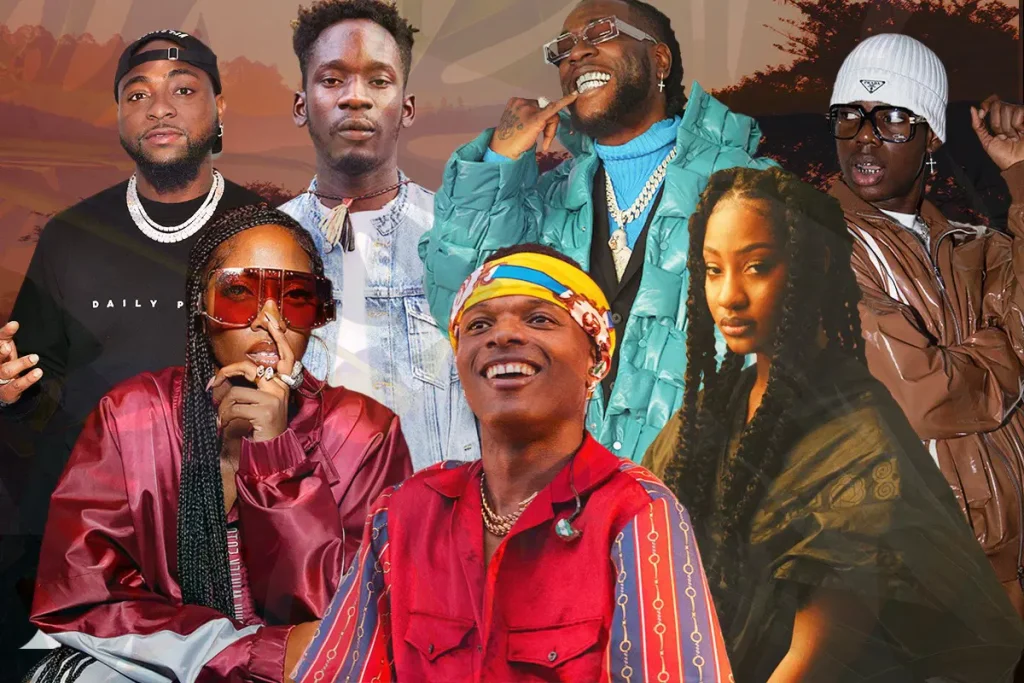
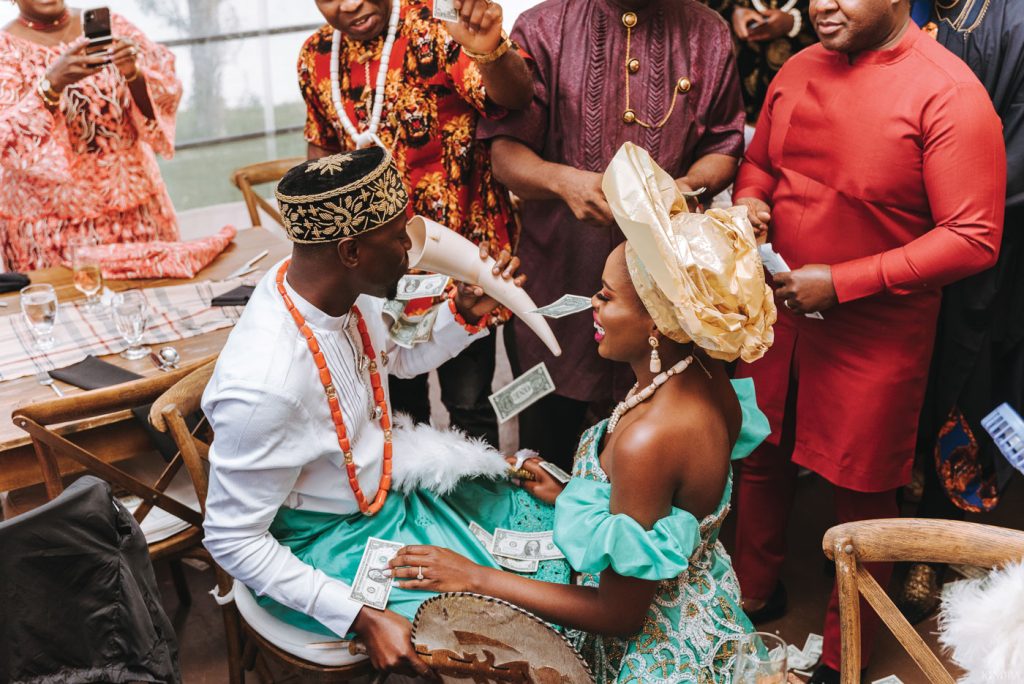
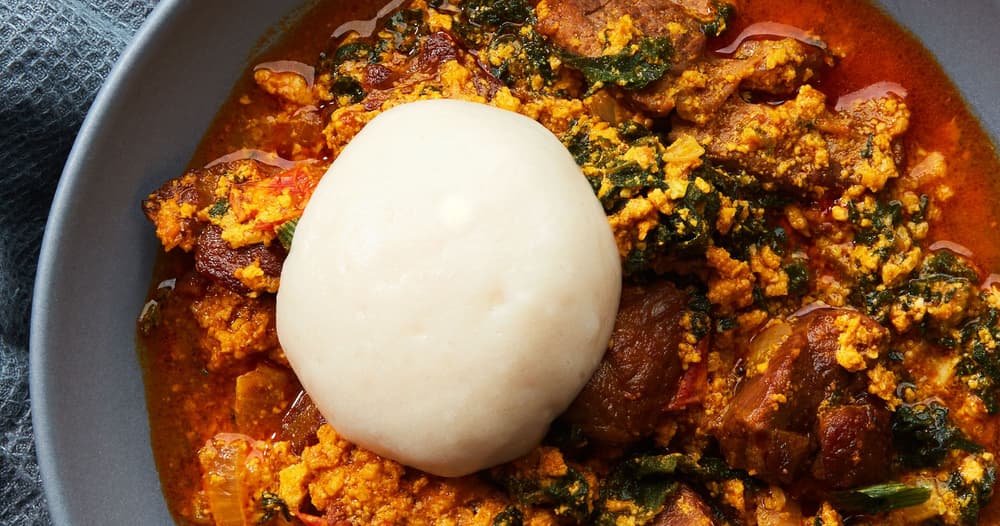
Stay Informed With the Latest & Most Important News
Previous Post
Next Post
Advertisement