
Now Reading: Alhaji (Dr.) Ibrahim Sulu-Gambari CFR: 11th Emir of Ilorin
1
-
01
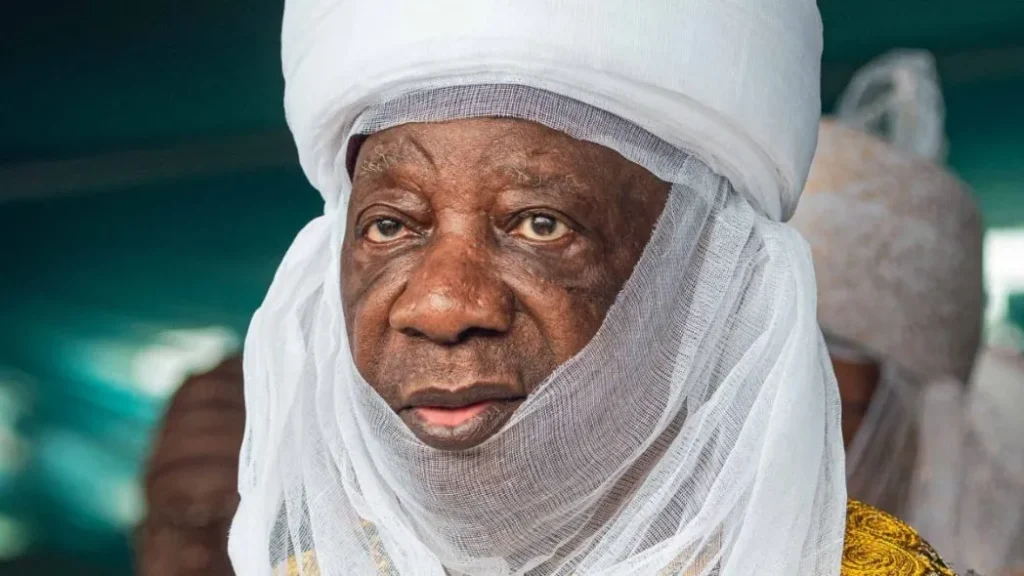
Alhaji (Dr.) Ibrahim Sulu-Gambari CFR: 11th Emir of Ilorin
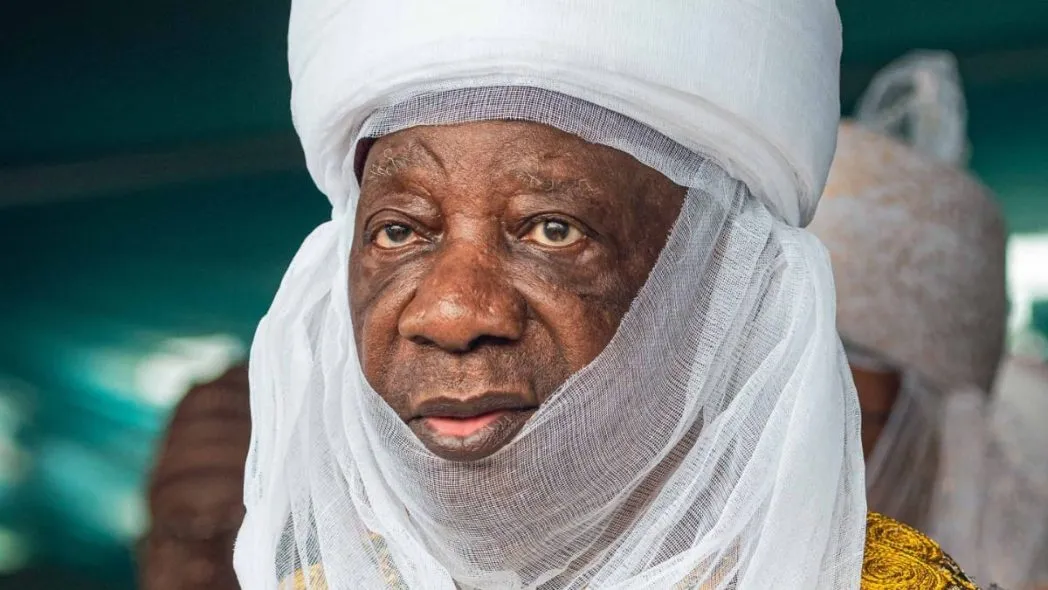
Alhaji (Dr.) Ibrahim Sulu-Gambari CFR: 11th Emir of Ilorin

Early Life and Background
Ibrahim Kolapo Sulu-Gambari was born on 22 April 1940 into the Fulani-Yoruba Alimi dynasty, rulers of Ilorin since the early 19th century.
- His family traces its ancestry to Sheikh Salihu (Alimi), the Fulani Islamic scholar who established Ilorin as an emirate under the Sokoto Caliphate.
- Grew up in a royal household deeply grounded in both Islamic learning and Yoruba traditions.
Education
- Attended primary and secondary schools in Ilorin and Kaduna.
- Studied law at the Nigerian Law School and was called to the bar.
- Furthered his professional training in legal and judicial practice.
Career Before Ascension
- Began as a legal practitioner, later joining the judiciary.
- Rose to become a Justice of the Court of Appeal in Nigeria, serving in several divisions.
- Retired as a respected jurist, known for his fairness, discipline, and deep understanding of law.
Ascension to the Throne
- In November 1995, following the passing of his predecessor, he was installed as the 11th Emir of Ilorin.
- His coronation reinforced the continuity of the Alimi dynasty, blending Islamic and Yoruba heritage.
Reign and Leadership
Custodian of Tradition
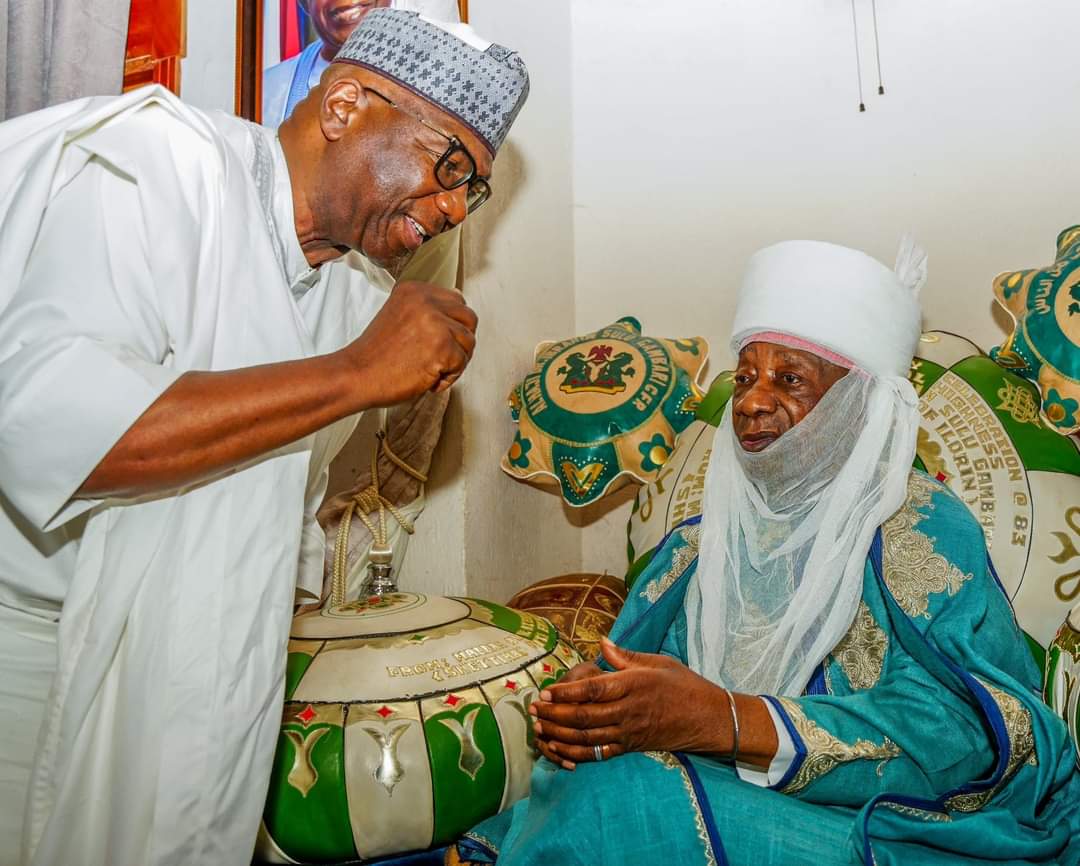
- Presides from the Ilorin Emir’s Palace, symbol of the emirate’s authority and culture.
- Maintains Ilorin’s unique identity as a Yoruba city with strong Islamic-Fulani influence.
Religious and Cultural Leadership
- Head of Islam in Kwara State, overseeing mosques, Islamic schools, and scholars.
- Promotes Qur’anic education alongside modern schooling.
- Encourages peaceful co-existence among Ilorin’s diverse population.
National Statesmanship
- Recognized as a first-class traditional ruler in Nigeria.
- Member of the National Council of Traditional Rulers of Nigeria, where he plays a role in national peace and cultural preservation.
- Seen as a monarch who bridges northern and southern Nigeria through Ilorin’s strategic identity.
Peace and Harmony
- Strong advocate of interfaith dialogue and tolerance, as Kwara has both Muslims and Christians.
- Promotes community harmony and economic development in Ilorin.
Cultural Role
- Presides over Durbar festivals during Islamic celebrations like Eid, showcasing Ilorin’s horsemen and royal regalia.
- Encourages preservation of both Yoruba culture and Fulani-Islamic traditions.
- Patron of Islamic scholars and students across Nigeria.
Personal Traits
- Known for his dignity, humility, and wisdom.
- Combines his background as a jurist with his role as a monarch, often emphasizing justice and fairness.
- Respected for his calm, fatherly approach to leadership.
Legacy and Significance (So Far)
- Strengthened the Emir of Ilorin throne as a symbol of unity between Yoruba and Fulani cultures.
- Guided Ilorin into the modern era while preserving its dual identity as a Yoruba city and an Islamic emirate.
- Embodied the role of monarch as both traditional custodian and national statesman.
Conclusion
Alhaji (Dr.) Ibrahim Sulu-Gambari CFR, the 11th Emir of Ilorin since 1995, is more than a monarch — he is a guardian of Yoruba-Fulani identity, a spiritual father, and a statesman of justice and unity. His reign continues to strengthen Ilorin’s place as a cultural and religious bridge in Nigeria.










Related Posts


Stay Informed With the Latest & Most Important News
Previous Post
Next Post
Advertisement

Donations




Loading Next Post...


