Now Reading: Analysis of Hausa Wedding Traditions in Nigeria
-
01
Analysis of Hausa Wedding Traditions in Nigeria

I. Introduction: A Tapestry of Faith and Culture
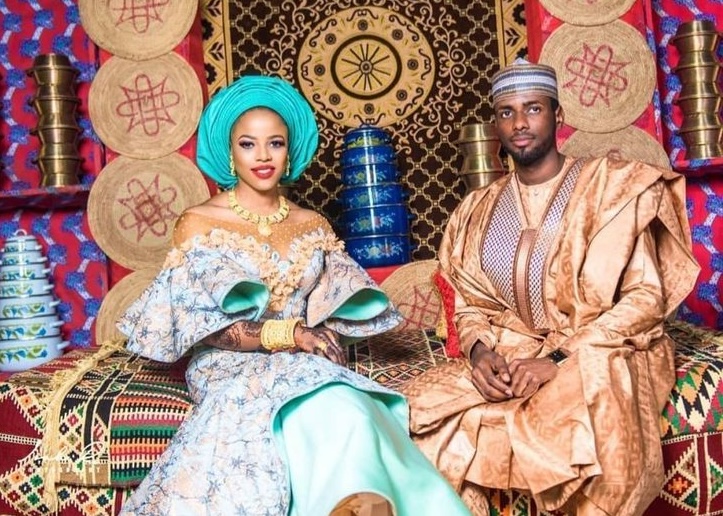
The Hausa people, comprising approximately a quarter of Nigeria’s population, are a prominent ethnic group predominantly located in the country’s northern region. Their culture is profoundly influenced by Islam, which serves as the foundational framework for their social customs, ethical principles, and, most significantly, their marriage traditions. A Hausa wedding is far more than a social celebration; it is a sacred religious and communal rite of passage that formally unites not just a couple, but their entire families.
This report offers a comprehensive analysis of the Hausa wedding process, detailing the sequential stages from the initial courtship to the final ceremonies. It explores the symbolic meaning embedded within key rituals, examines the distinct roles of family and community members, and contextualizes these customs by providing a comparative analysis with the traditions of other major Nigerian ethnic groups, such as the Igbo and Yoruba. Furthermore, this document addresses modern adaptations, including the influence of technology and shifting social dynamics, to provide a nuanced and definitive understanding of this rich cultural practice.
II. Foundational Pillars of Hausa Marriage
A. The Centrality of Islam
The Hausa traditional marriage is based almost entirely on Islamic or Sharia law, a fact that differentiates it from the customs of many other Nigerian cultures. This religious foundation dictates the structure and moral underpinnings of the entire process. A core principle is the emphasis on modesty and purity, which strictly discourages physical contact, romance, and extended courtship before marriage. The man’s initial approach to the woman’s family is brief and formal, and he is only permitted to see the girl after her parents have conducted a thorough background investigation to ascertain his religious beliefs, moral ethics, and family background. This intense family scrutiny and the subsequent limitation of pre-marital interaction is not an arbitrary cultural norm but a direct application of a religious framework that views intimacy as an exclusive component of the marital union. This commitment to purity creates a clear separation between the family-guided introductory phase and the religiously sanctioned solemnization, ensuring the marital foundation is built on moral and spiritual alignment rather than physical attraction.
B. The Union of Families and the Symbolic Dowry
In Hausa culture, marriage is viewed as a covenant that binds two families together, not merely two individuals. The consent and active participation of both families are central to the entire process, underscoring the communal nature of the institution. A key element of this union is the dowry, known as
Sadaki. In a significant departure from many other Nigerian cultures where high bride prices are considered a display of the groom’s wealth and capacity to provide, Islamic teachings promote a low dowry. The belief is that a lesser amount paid as bride price leads to a more blessed and prosperous marriage. The dowry negotiation begins at a minimum amount called “Rubu Dinar,” an Arabic phrase translated as a “quarter kilogram of a gold piece,” but can be adjusted to an amount the man can afford. This preference for a low, symbolic dowry is not about devaluing the bride, but rather reflects a cultural emphasis on humility, spiritual blessings, and the accessibility of marriage, prioritizing the strength of the union over material display.
III. The Journey to the Altar: Pre-Wedding Rituals
The path to a Hausa wedding is a series of well-defined stages, each with its own purpose and cultural significance. The formal process commences with the groom-to-be seeking his parents’ consent before he approaches the family of the girl he wishes to marry. This initial stage is known as Na Gani Ina so, which translates to “I have found and I love it”. Upon granting permission, the groom’s parents or guardians formally visit the bride’s family, a process known as
Gaisuwa. During this visit, they present symbolic gifts, such as kola nuts, chocolates, candies, and in some cases, bags of salt, to make their intentions known and seek formal approval. The acceptance of these gifts signifies the family’s approval of the union. Following this, the dowry negotiations begin, and a wedding date is set in a process called
Sarana.
A unique and significant aspect of the pre-wedding preparations is the division of responsibility for the couple’s future home. Hausa tradition dictates that the groom is responsible for providing an empty house for the couple, while the bride’s family takes on the full responsibility of furnishing it. This arrangement is not merely a financial division; it is a profound expression of communal investment in the new household. The groom’s provision of the physical structure symbolizes his ability to provide a home, while the furnishing by the bride’s family demonstrates their love and commitment to her comfort and well-being. One source suggests that the beauty of the furnished house is a public reflection of how much the bride is cherished by her family. This tradition reinforces the notion that the marriage is a joint project of both families, with each contributing a different but equally vital component to the new union’s foundation.
The Groom’s Provision: Kayan Zance and Lefe
In addition to the home, the groom presents his bride with an elaborate collection of gifts arranged in boxes or bags, known as Kayan Lefe. The items in the
Kayan Lefe are intended to set the bride up for her new life and can include a wide range of goods, such as clothing, fabrics, shoes, bags, cosmetics, and jewelry. A particularly meaningful inclusion is the Holy Qur’an and a praying carpet. The presence of these religious items transforms the gift from a simple material offering into a powerful symbolic gesture. It functions as a covenant from the groom, promising not only to provide for the bride’s physical needs but also to support her spiritual life. This framing of the marriage as a partnership grounded in shared faith is a core element of the Hausa union.
The Henna Ceremony: Kunshi or Sa Lalle
Among the most visually stunning of the pre-wedding events is the henna ceremony, known as Kunshi or Sa Lalle. This is a female-only celebration where the bride, surrounded by her friends and female family members, has intricate henna designs applied to her hands, palms, and legs. Her friends and family also get henna designs, though they are typically not as elaborate as the bride’s. This ceremony serves as a significant rite of passage, marking the bride’s final moments as a single woman before she embarks on her married life.
Table 1: Key Stages of a Hausa Wedding
| Stage Name (Hausa) | English Translation/Description |
| Na Gani Ina so | “I have found and I love it”; the man’s initial request for permission from the girl’s parents. |
| Gaisuwa | Formal Approval; a visit by the groom’s family to the bride’s family to officially seek her hand in marriage with gifts. |
| Sarana | The process of setting and agreeing upon a date for the wedding ceremony. |
| Sadaki | The payment of the dowry or bride price, which is intentionally kept low in accordance with Islamic tradition. |
| Kayan Zance & Lefe | Bridal Gifts; the items presented by the groom’s family to the bride, including clothing, cosmetics, and religious items. |
| Kunshi / Sa Lalle | The Henna Ceremony; a female-only event where the bride and her friends decorate their hands and feet with henna. |
| Daurin Aure / Fatiha | Solemnization of Vows; the main religious ceremony where representatives from both families exchange vows. Women do not attend. |
| Kamu Amariya | “Catch the Bride”; a playful, post-solemnization negotiation for the groom’s family to gain access to the bride. |
| Sayan Baki | “Buying the Mouth”; a friendly debate where groomsmen pay bridesmaids for the bride to speak to her groom. |
| Walimah | The Wedding Reception; a grand feast for family and friends held after the Fatiha. |
| Kai Amariya | Conveying the Bride; the ceremonial escort of the bride to her new matrimonial home with songs and well wishes. |
| Budan Kai | “Unveiling the Bride”; a welcoming event organized by the groom’s family to honor and receive the new bride into their home. |
IV. The Solemnization and Celebration: Core Wedding Events
A. The Wedding Fatiha (Daurin Aure)
The most significant event in the entire Hausa wedding process is the Wedding Fatiha, also known as Daurin Aure or Shafa Fatiha. This is the religious solemnization ceremony where the marriage vows are officially exchanged, making the union sacred. In keeping with traditional and religious norms, this is a male-only affair, attended by the groom, his male relatives, witnesses, and a religious leader. The ceremony is typically held at the bride’s residence or a mosque. Unlike many other cultures, the vows are not exchanged by the couple themselves but by representatives from each family. While the men are at the Fatiha, the women are indoors with the bride, preparing her for her new life and celebrating her last day as a single woman.
B. Playful Post-Solemnization Ceremonies
After the sacred Fatiha, a series of more lighthearted events take place. Kamu Amariya, which means “catch the bride,” is a fun and historical tradition where the groom’s family must negotiate with the bride’s friends for her release. This playful negotiation can last up to 30 minutes and is followed by a reception. Another similar custom is
Sayan Baki, or “buying the mouth,” which involves a friendly debate between the groomsmen and bridesmaids over the amount of money to be paid before the bride is allowed to speak to her groom. These events foster socialization and strengthen the bonds between the two families and their social circles.
C. The Grand Feast (Walimah) and Conveying the Bride (Kai Amariya)
The Walimah, or wedding reception, is a festive event that follows the Fatiha. It is a day-long ceremony where families, friends, and well-wishers gather to celebrate with food, drinks, music, and entertainment. After the festivities, the bride is ceremonially escorted to her new home in a procession called
Kai Amariya. Accompanied by her family and friends, she is given final advice and prayers before being received by the groom’s family at her new home. This is followed by
Budan Kai, or “Unveiling the Bride,” an event organized by the groom’s family to formally welcome the bride and present her with gifts in cash and kind.
V. Cultural and Symbolic Dimensions
A. Comparative Analysis of Nigerian Wedding Traditions
While Nigerian weddings share common elements like vibrant celebrations, rich cuisine, and strong family involvement, the specific rituals and their order differ significantly across ethnic groups. A comparative analysis reveals the distinct cultural and religious frameworks that guide each tradition.
| Characteristic | Hausa | Igbo | Yoruba |
| Religious Foundation | Primarily Islamic/Sharia Law | Primarily Christian/Traditional | Christian/Islamic/Traditional |
| Bride Price | Low, symbolic (Sadaki) | Variable, often high (Ime ego) | Variable, can be high |
| Vow Exchange | Exchanged by family representatives during the Fatiha | N/A; the main act is the wine-carrying ceremony | N/A; the main act is the prostration of the groom |
| Key Rituals | Fatiha (male-only), Kunshi (henna) | Wine-carrying ceremony where the bride finds the groom | Prostration by groom and male entourage |
| Groom’s Traditional Attire | Fula cap | Isiagu fabric with a lion’s head, red cap | Agbada |
B. Debunking the “Sharo” Misconception
It is important to clarify a common misattribution regarding the “Sharo” or flogging ritual. Research indicates that this is a rite of passage specific to the Fulani people, and it is not a part of the Hausa wedding process, though the Fulani and Hausa have a long history of cultural adoption and intermarriage. The ritual is a test of a young man’s bravery, endurance, and resilience, in which he undergoes caning without showing any sign of pain. This ordeal, also known as a “test of young manhood,” is used to settle rivalries between suitors and demonstrates a man’s readiness to protect his family and community. While it is a significant part of Fulani culture, it is not a core component of the Hausa matrimonial traditions.
C. Food, Music, and Community
Food and music are not simply entertainment at a Hausa wedding; they are deeply ingrained with cultural meaning. The wedding feast, or Walimah, often features staples of Hausa cuisine like Tuwo Shinkafa (rice flour porridge) and its accompanying soups, such as Miyan Taushe (pumpkin stew) or Miyan Kuka (baobab leaf soup). Savory snacks like
Dambu Nama and Masa (rice cakes) are also popular. The food serves to showcase the region’s agricultural practices and the Hausa people’s resourcefulness. For instance, a communal bowl of
Tuwo Shinkafa at a ceremony symbolizes unity and trust among the family.
Similarly, the songs performed at these ceremonies carry profound messages. They are often used as a pedagogical tool, transmitting core cultural values to the younger generation. The lyrics of these songs teach young girls about “bridehood and womanhood,” conveying the societal expectation of marriage and the importance of a girl’s acceptance of her parents’ decisions. This means that every element of the celebration, from the menu to the musical performances, is designed to reinforce and transmit the community’s values and identity.
VI. The Modern Hausa Wedding: Evolution and Adaptation
A. The Influence of Technology and Social Media
Contemporary Hausa weddings are navigating a dynamic landscape, increasingly influenced by technology and social media. Platforms like TikTok and Instagram serve as powerful sources of inspiration, driving trends in elaborate decor, fashion, and creating the desire for “picture-perfect” celebrations with “shareable moments”. This can sometimes create a tension with the traditional emphasis on modesty and less expensive ceremonies.
However, this adoption of technology also serves a paradoxical purpose: it is accelerating the global dissemination and preservation of Hausa culture. Social media platforms provide a global stage for Hausa traditions, allowing members of the diaspora to stay connected to their roots and introducing the culture to new audiences. This creates a situation where the desire for modern extravagance coexists with a strong, renewed effort to preserve and broadcast cultural heritage.
B. Shifting Dynamics and the Role of Marriage Brokers
Traditional Hausa courtship often involved parents or relatives identifying the “ideal” suitors. However, modern society has seen a rise in personal choice and preference in spouse selection. This shift has not dismantled the tradition of family approval, but it has created a need for new forms of mediation. The emergence of professional marriage brokers, known as
Mai Dalilin Aure, is a direct response to this social change. These intermediaries help identify potential partners, mediate between suitors, and negotiate to ensure a mutual understanding persists between the parties. This new social institution demonstrates the resilience of the core cultural value of family-approved marriage, as it adapts to ensure that the process remains communal and structured even as traditional courtship patterns evolve.
C. The Fusion of Ceremonies
A growing trend in modern Hausa weddings is the blending of traditional ceremonies with Western-style “white weddings”. This often involves hosting a double ceremony, with the traditional rites held in the morning and a Western-style reception, complete with white gowns and suits, in the afternoon or on a separate day. This fusion allows couples to honor their deep-seated cultural heritage while also embracing contemporary trends and showcasing their global identity.
VII. Conclusion: A Legacy of Love and Faith
The Hausa wedding, with its deep roots in Islamic tradition and its vibrant cultural practices, is a masterclass in the art of a communal rite of passage. It is a process where every step is imbued with symbolic meaning, from the humble dowry that seeks blessings over wealth to the collective responsibility of furnishing the couple’s home. The ceremonies are meticulously structured to reinforce core values: the purity of the union, the sacredness of family involvement, and the importance of faith as a guiding force.
The traditions are not static relics of the past. They are living, breathing customs that have proven their remarkable resilience in the face of a rapidly changing world. By adapting and incorporating modern elements, such as the use of social media to broadcast ceremonies and the emergence of marriage brokers to navigate new social dynamics, the Hausa people are ensuring that their rich cultural and religious legacy is not just preserved but is actively celebrated and transmitted to future generations. The Hausa wedding stands as a powerful testament to a culture that confidently honors its past while embracing its future.










Related Posts


Stay Informed With the Latest & Most Important News
Previous Post
Next Post

Advertisement