
Now Reading: Amanyanabo of Nembe: Custodian of the Ancient Nembe Kingdom
1
-
01
Amanyanabo of Nembe: Custodian of the Ancient Nembe Kingdom
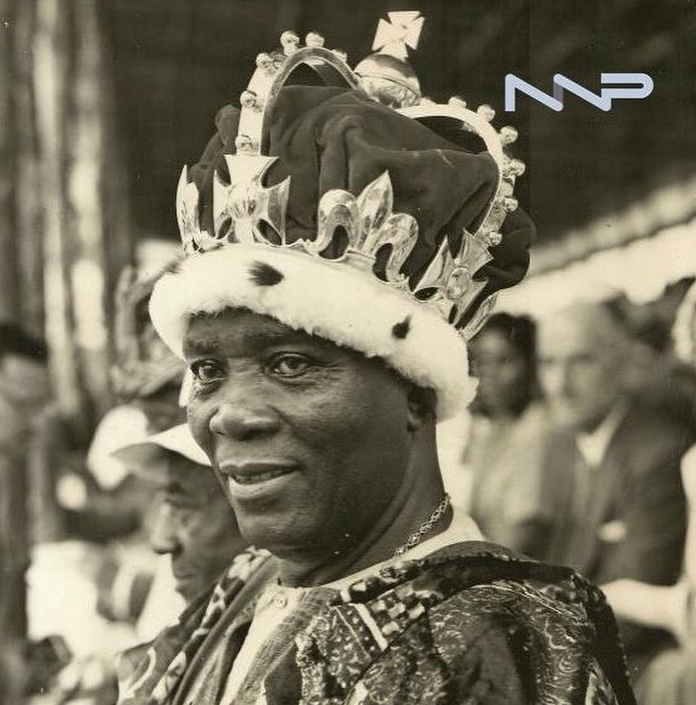
Amanyanabo of Nembe: Custodian of the Ancient Nembe Kingdom

Historical Background
The Amanyanabo of Nembe is the traditional ruler of the Nembe Kingdom, located in Bayelsa State, Nigeria.
- The title Amanyanabo means “owner of the land” or “king” in Ijaw language.
- Nembe, also called Brass, is one of the oldest Ijaw kingdoms, tracing its origins back to the 15th century.
- The kingdom was a major trading hub during the era of Atlantic trade, engaging with the Portuguese, Dutch, and later the British.
- Famous for the Akassa Raid of 1895, when Nembe warriors, under King Koko, attacked the Royal Niger Company outpost in protest against oppressive trade monopolies.
Role and Authority
- The Amanyanabo is the supreme monarch of Nembe, presiding over traditional institutions, culture, and governance.
- Custodian of the Ijaw people’s heritage, particularly Nembe’s unique dialect and traditions.
- Plays a role in conflict resolution, peacebuilding, and community leadership in Bayelsa State.
The Palace
- The Amanyanabo’s Palace in Nembe is the cultural and political seat of the Nembe people, symbolizing centuries of Ijaw resilience and heritage.
Notable Historical Monarchs
King Koko (1889–1898)
- One of the most famous rulers of Nembe.
- Led the 1895 Akassa Raid against the British Royal Niger Company.
- His resistance made Nembe a symbol of anti-colonial struggle in the Niger Delta.
Modern Monarchs
- In modern times, the Nembe throne has continued to play a central role in Niger Delta identity and politics.
- The kingship has been structured into different ruling houses, including Ogbolomabiri and Bassambiri, reflecting Nembe’s historical divisions.
Current Amanyanabo
- The recognized monarch of Nembe Ogbolomabiri is His Royal Majesty King Edmund Maduabebe Daukoru, Mingi XII.
- Born in 1943, he is a former Minister of State for Energy (Petroleum) and Secretary General of OPEC (2006).
- Installed as Amanyanabo in 2008, he is both a traditional ruler and a global energy statesman.
- As king, he promotes development, education, and cultural pride, while also advocating for environmental justice in the Niger Delta.
Cultural Role Today
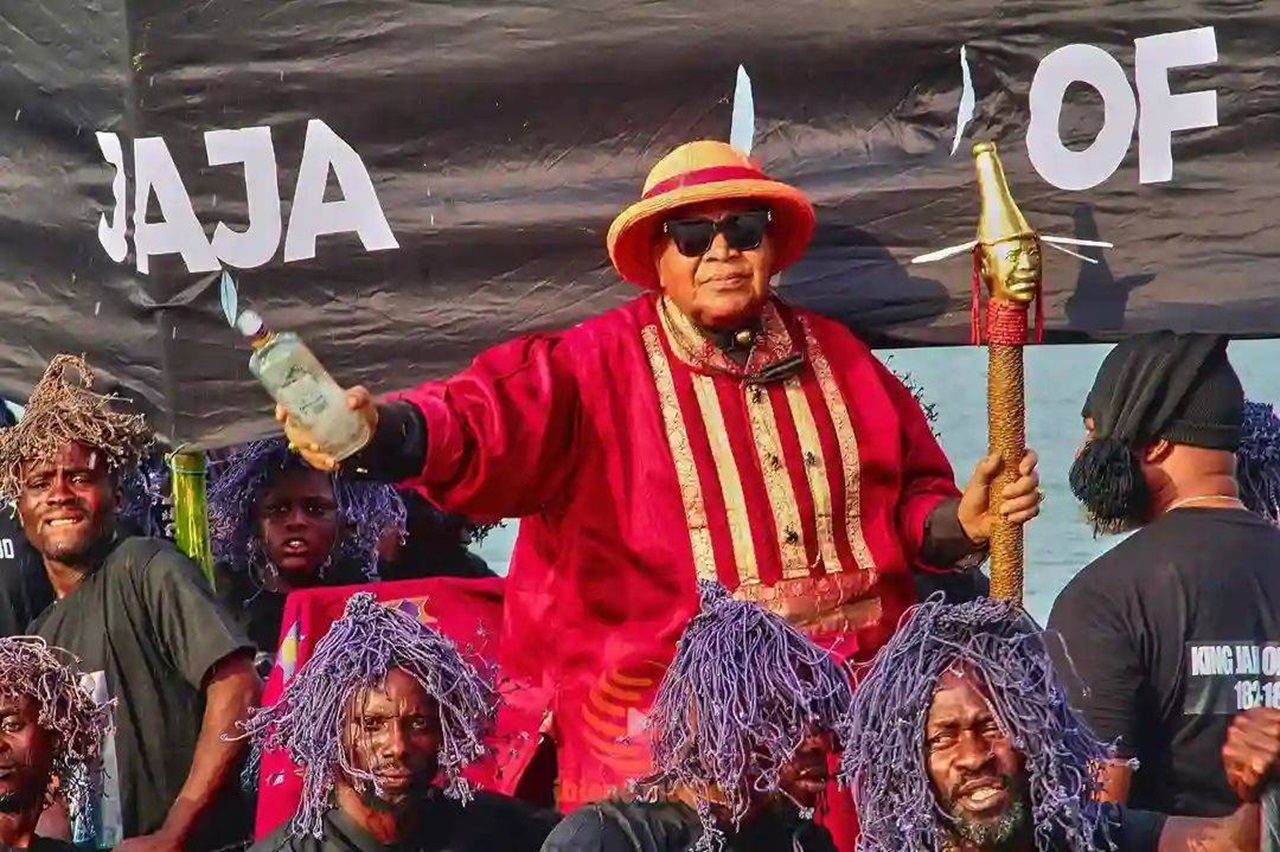
- Presides over the Nembe Festival, celebrating Ijaw traditions and historical memory.
- Encourages the preservation of Ijaw language, customs, and music.
- Plays a role in addressing environmental challenges caused by oil exploration in Bayelsa.
Legacy and Significance
- The Amanyanabo throne of Nembe is one of the oldest monarchies in the Niger Delta, linking today’s Nigeria to centuries of Ijaw resilience.
- King Daukoru, as a traditional ruler and international statesman, bridges local heritage and global diplomacy.
- The throne continues to symbolize resistance, pride, and cultural continuity for the Nembe people.
Conclusion
The Amanyanabo of Nembe is more than a monarch — he is the guardian of Ijaw history, a voice of resilience, and a custodian of cultural pride. From King Koko’s defiance of colonialism in 1895 to King Edmund Daukoru’s modern reign, the Nembe throne embodies both the struggles and triumphs of the Niger Delta people.










Related Posts


Stay Informed With the Latest & Most Important News
Previous Post
Next Post
Advertisement

Donations







Loading Next Post...


