🇳🇬 Introduction Nigeria’s identity is shaped by the diverse cultures of its major ethnic groups. Among the most influential are the Yoruba, Hausa-Fulani, and Igbo peoples. Each group has its

🇳🇬 Introduction Nigeria’s identity is shaped by the diverse cultures of its major ethnic groups. Among the most influential are the Yoruba, Hausa-Fulani, and Igbo peoples. Each group has its

🌍 Introduction Nigeria, Africa’s most populous nation, gained independence from Britain on October 1, 1960. This landmark moment was not sudden—it was the result of decades of struggles, negotiations, and

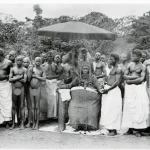
🇳🇬 Introduction Before the arrival of European colonial powers, the region now known as Nigeria was home to powerful kingdoms and empires. These states were centers of trade, governance, art,

🇳🇬 Introduction Nigeria’s two most prominent cities, Lagos and Abuja, represent two very different sides of the country. Together, these cities shape much of Nigeria’s economy, politics, and culture—but living
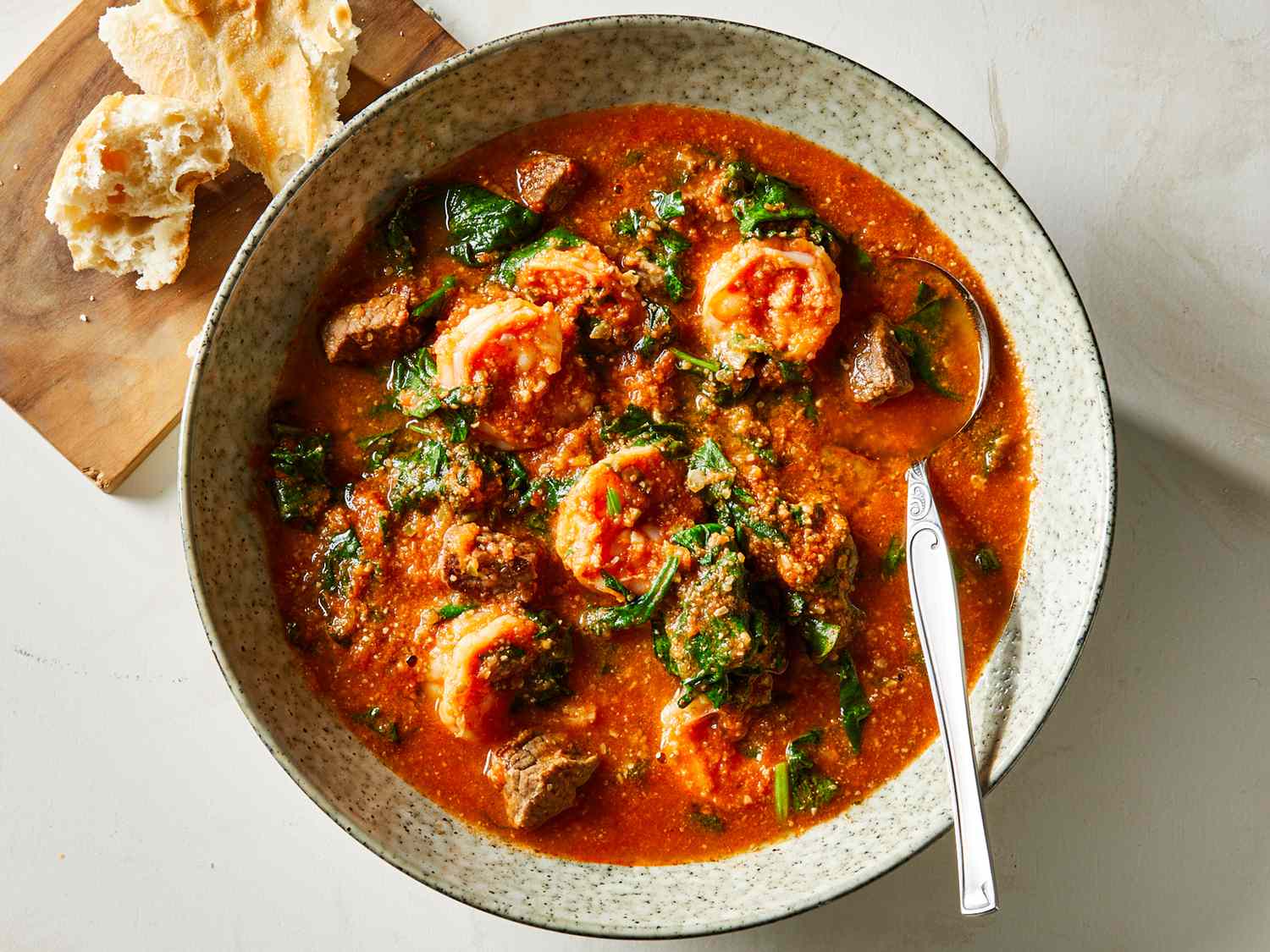
🇳🇬 Introduction Nigerian cuisine is a vibrant blend of flavors, spices, and traditions that reflect the country’s diverse ethnic groups and cultures. From smoky Jollof rice at family gatherings to

🇳🇬 Introduction Fashion in Nigeria is more than clothing—it is a story of identity, heritage, and creativity. From the colorful Ankara prints worn daily across Nigeria to international fashion weeks

🌍 Introduction Over the last decade, Afrobeats has transformed from a local Nigerian sound to a global cultural movement. Driven by Nigeria’s vibrant youth, artists like Burna Boy, Wizkid, Davido,
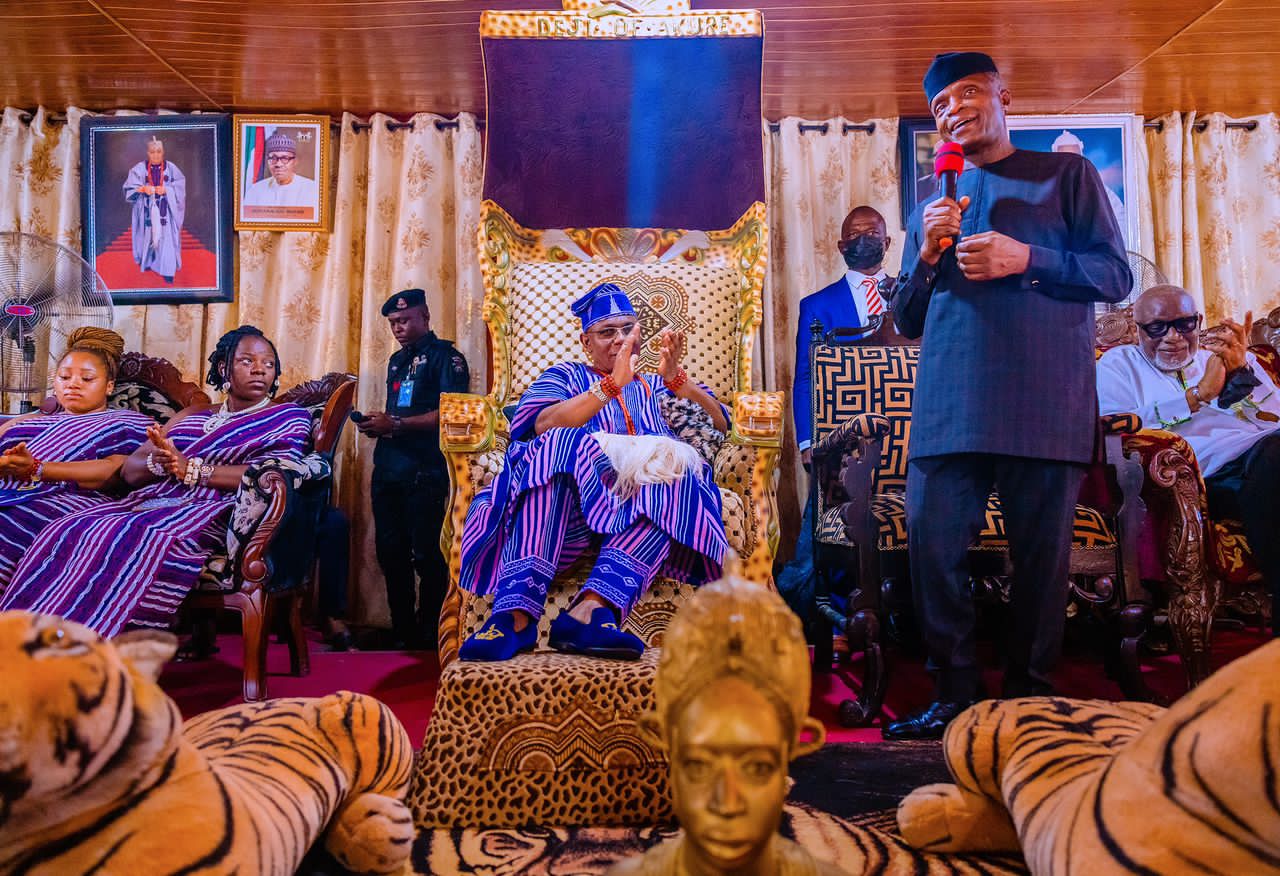
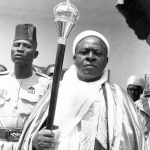
Historical Background The Deji of Akure is the traditional ruler of Akure, the capital of Ondo State, Nigeria. Role and Authority Notable Dejis Oba Afunbiowo Adesida I (1897–1957) Oba Adesida

🇳🇬 Introduction Nigeria’s real estate market is one of Africa’s most promising sectors, fueled by rapid urbanization, population growth, and rising demand for housing and commercial spaces. With over 220

🇳🇬 Introduction Long before oil became Nigeria’s economic driver, agriculture was the backbone of the economy. Even today, it remains the largest employer of labor, engaging about 70% of the