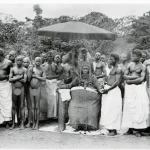
Now Reading: Cultural Significance of the Yoruba, Hausa-Fulani, and Igbo Peoples
-
01
Cultural Significance of the Yoruba, Hausa-Fulani, and Igbo Peoples


🇳🇬 Introduction
Nigeria’s identity is shaped by the diverse cultures of its major ethnic groups. Among the most influential are the Yoruba, Hausa-Fulani, and Igbo peoples. Each group has its own language, traditions, art, and worldview, contributing to Nigeria’s status as Africa’s cultural powerhouse.
👑 The Yoruba People
🎭 Culture & Society
- Known for a deep artistic and religious heritage.
- Strong traditions of oral literature, proverbs, and storytelling.
- Social organization revolves around kingdoms, led by the Oba (king).
🕌 Religion & Beliefs
- Indigenous religion centers on the worship of Orishas (deities) like Sango (god of thunder) and Ifa divination.
- Today, many Yoruba are Christians or Muslims, but traditional beliefs still influence festivals and practices.
🎨 Art & Contributions
- Famous for woodcarvings, bronze works, and beadwork.
- Yoruba theater and literature have global icons such as Wole Soyinka, Africa’s first Nobel laureate in literature.
🎉 Festivals
- Osun-Osogbo Festival: A UNESCO-recognized celebration of the river goddess Osun.
- Eyo Festival (Lagos): Features masquerades in white robes, symbolizing Yoruba heritage.
🕌 The Hausa-Fulani People
🏛️ Culture & Society
- Predominantly found in Northern Nigeria.
- Hausa and Fulani cultures merged through centuries of interaction, creating a unique Hausa-Fulani identity.
- Structured around Islamic emirates, led by Emirs.
🕌 Religion & Beliefs
- Islam is central, shaping governance, education, and daily life.
- Hausa-Fulani societies have produced renowned Islamic scholars and leaders.
🎨 Art & Contributions
- Known for architecture (mud-built mosques and palaces), colorful embroidery, and horse-riding traditions.
- Hausa films from Kannywood (Kano) are popular across Nigeria and West Africa.
🎉 Festivals
- Durbar Festival: A grand display of horsemanship, music, and culture held during Eid celebrations.
- Argungu Fishing Festival: A world-famous event showcasing fishing competitions, music, and dance.
🌿 The Igbo People
🏛️ Culture & Society
- Mainly located in southeastern Nigeria.
- Traditionally organized in village republics without kings, emphasizing democratic decision-making.
- Entrepreneurship is a defining trait—many Igbos dominate trade and business.
🕌 Religion & Beliefs
- Indigenous belief system includes reverence for Ala (earth goddess) and ancestral spirits.
- Today, most Igbos are Christians, but traditional practices influence rites of passage and festivals.
🎨 Art & Contributions
- Renowned for masking traditions, bronze works at Igbo-Ukwu, and Uli body painting.
- Igbo writers such as Chinua Achebe have given the world masterpieces like Things Fall Apart.
🎉 Festivals
- New Yam Festival (Iri Ji): Celebrates harvest, unity, and gratitude to the gods.
- Masquerade Festivals: Blend spirituality with entertainment, honoring ancestors.
🌍 Shared Cultural Impact
Despite their differences, the Yoruba, Hausa-Fulani, and Igbo peoples all:
- Serve as pillars of Nigerian identity.
- Influence music, fashion, film, and literature across Africa and the world.
- Demonstrate Nigeria’s unity in diversity.
🎶 From Yoruba drumming, Hausa-Fulani praise songs, to Igbo highlife music—these cultures inspire the Afrobeats and Nollywood boom of today.
✅ Conclusion
The Yoruba, Hausa-Fulani, and Igbo peoples are not just ethnic groups; they are living cultures that shape Nigeria’s past, present, and future. Their traditions of governance, art, spirituality, and entrepreneurship form the backbone of Nigeria’s cultural pride.
🇳🇬 To understand Nigeria, one must appreciate the rich heritage of its three great peoples.










Related Posts

Stay Informed With the Latest & Most Important News
Previous Post
Next Post

Advertisement