Now Reading: Benin City: A Comprehensive Report on History, Culture, and Modern Urban Dynamics
-
01
Benin City: A Comprehensive Report on History, Culture, and Modern Urban Dynamics
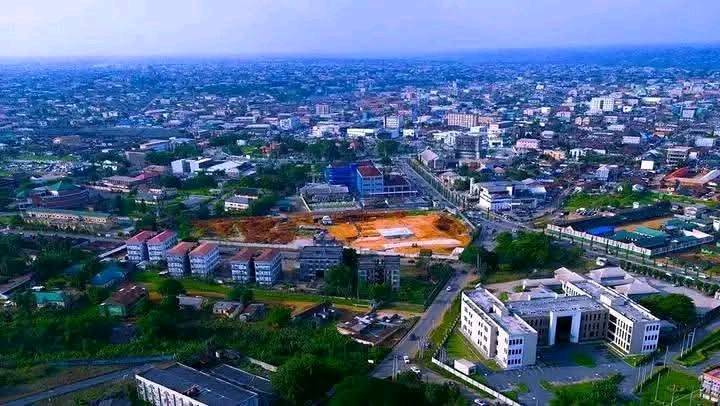
Benin City: A Comprehensive Report on History, Culture, and Modern Urban Dynamics

Benin City stands as a compelling case study of a metropolis profoundly shaped by a dual identity: a ceremonial and cultural heart of an ancient kingdom and a major urban center in contemporary Nigeria. This report synthesizes a multi-faceted analysis of the city, moving from its pre-colonial grandeur to its modern economic and environmental challenges. Historically, Benin City was the seat of the powerful Edo Kingdom, renowned for its sophisticated urban planning, intricate royal guilds, and extensive trade networks with European powers. This era of prosperity was violently concluded by the 1897 British Punitive Expedition, an event that not only led to the kingdom’s annexation and the exile of its Oba but also resulted in the systematic looting of thousands of priceless cultural artifacts, collectively known as the Benin Bronzes.
The legacy of this colonial trauma continues to shape global discourse on restitution, with a growing international movement demanding the return of these artifacts from museums worldwide. The report details recent landmark repatriations and analyzes the complex legal and ethical dilemmas, including the British Museum’s unique position. In its modern form, Benin City is a rapidly growing metropolis with a population of over 2 million people, making it the fourth-largest city in Nigeria. Its economy is anchored in agriculture, particularly as the epicenter of Nigeria’s rubber and palm oil industries, and it is a hub for trade, including a significant informal sector. The Edo State Government has embarked on ambitious infrastructure projects aimed at modernizing the city and leveraging its rich cultural heritage for tourism, a strategy that seeks to address persistent challenges such as urban flooding and inadequate waste management. Throughout this transformation, the non-sovereign monarchy of the Oba endures, serving as a vital cultural and political focal point that influences governance and guides the city’s aspirations for reclaiming its historical dignity and securing a sustainable future.
Introduction: The Crossroads of a Kingdom and a Modern Metropolis
Benin City, the capital and largest city of Edo State in southern Nigeria, is a testament to the enduring power of history and culture in shaping a modern urban landscape. The city’s strategic location, approximately 40 km north of the Benin River and 320 km east of Lagos by road, has positioned it as a historical nexus of power and trade for centuries. In 2025, the city’s metro area population is estimated to be 2.045 million, making it the fourth-largest city in Nigeria, a position it has held for many years behind Lagos, Kano, and Ibadan. The city operates within a tropical monsoon climate, characterized by consistently high temperatures and humidity throughout the year, with average temperatures ranging from 25 to 30 degrees Celsius. The period from July to September is particularly notable for its reduced sunshine and increased rainfall, contributing to the city’s significant annual precipitation of over 2,300 mm.
Benin City is the heart of the Edo people, the indigenous population who speak the Edo language and other Edoid languages. The name “Benin” itself is a historical artefact of foreign contact. It is a Portuguese corruption of the indigenous word “Ubini,” which came into use during the reign of Oba Ewuare the Great in the mid-15th century. This distinction is critical for understanding the city’s identity and for avoiding confusion with the separate West African country, the Republic of Benin. This report focuses exclusively on Benin City, Nigeria, a metropolitan center whose rich and complex history as the seat of the Edo Kingdom of Benin remains a defining feature of its present-day identity and future aspirations.
Part I: The Grandeur and Decline of the Edo Kingdom
The Foundations of a Political and Artistic Powerhouse
The history of Benin City is inextricably linked to the rise of the Edo Kingdom of Igodomigodo, which emerged around the 11th century CE. Initially ruled by a dynasty of kings known as the Ogiso, the kingdom saw a significant political transformation around 1200 CE with the establishment of the current Oba dynasty. This new dynasty was founded by Prince Oranmiyan of Ife, and his son, Eweka I, became the first Oba of Benin, a title that came to represent the highest political and religious authority in the Edo Kingdom. The Oba’s court became the central hub for the kingdom’s immense power and influence.
By the 17th century, Benin City was widely regarded as a marvel of urban planning. Accounts from a Dutch visitor, Olfert Dapper, describe a city “larger than Lisbon” with 30 straight, broad streets, each approximately 120 feet wide, running at right angles to each other. This meticulous design adhered to a system of “fractal design,” where similar shapes were repeated in the layout of houses and the city’s overall structure, reflecting an advanced understanding of symmetry and proportionality. The city was also one of the first in Africa to implement a form of street lighting, using huge metal lamps fueled by palm oil to illuminate the streets around the king’s palace. For defense, the city was surrounded by a massive moat, a construction of such scale that it was once described as “four times longer than the Great Wall of China” and the world’s largest earthworks prior to the mechanical era.
The cultural and artistic sophistication of the kingdom was driven by royal craft guilds, which were controlled by the Oba’s palace. These guilds of highly skilled artisans produced a wide range of works in ivory, wood, and metal that were central to ceremonial life and were used to honor and commemorate royal ancestors. The Benin Bronzes, an array of impressive brass sculptures and plaques, are perhaps the most famous examples of this artistic tradition. They were often used to decorate the palace, with some large plaques depicting war scenes covering the wooden pillars of the court’s galleries.
Foreign Relations and Shifting Dynamics
The kingdom’s economic prosperity was founded on its robust trade networks. In the 15th century, Benin established important trade relations with Portugal, exchanging goods like pepper, ivory, and slaves for European items such as cloth, coral beads, and brass currency bracelets. This commercial relationship saw Portuguese traders establish a permanent presence at the port of Ughoton by 1487, marking the beginning of significant European contact.
However, by the 18th century, the kingdom entered a period of decline, plagued by civil wars and conflicts over succession. This internal instability coincided with a shift in external pressures. British imperial ambition intensified in the late 19th century, with a focus on controlling West African markets and territories. The Oba of Benin maintained a strict monopoly over the trade of valuable commodities like palm oil, rubber, and ivory, a position that British merchants viewed as a significant impediment to their commercial interests. The mounting tension between the British desire for “free trade” and the Oba’s centralized economic control set the stage for a violent confrontation that would forever alter the course of Benin’s history.
Part II: The Legacy of a Punitive Expedition
The 1897 Benin Expedition: A Historical Flashpoint
The final chapter of the independent Benin Kingdom was marked by a series of events that culminated in the British Punitive Expedition of 1897. The immediate pretext for the invasion arose from the frustrations of British merchants, who lobbied Acting Consul General James Phillips to depose Oba Ovonramwen, whom they accused of obstructing their trading activities. In late 1896, Phillips requested authorization from London to invade Benin. Without waiting for a response, Phillips embarked on an expedition in January 1897, which he publicly declared was unarmed.
On January 4, 1897, Phillips’ party was ambushed at Ugbine village by Benin forces. This event, which became known as the “Benin Massacre,” resulted in the deaths of Phillips and several of his men. Historical accounts suggest this action was carried out by certain chiefs against the wishes of the Oba, who had cautioned against interfering with the British party during sacred annual rituals. The British Foreign Office swiftly authorized military action in response.
Led by Rear-Admiral Harry Rawson, a British force of 1,200 Royal Marines, sailors, and Protectorate troops invaded the kingdom on February 9, 1897. The British forces were significantly more powerful, and despite a valiant but outmatched defense by the Benin army, they succeeded in capturing and razing Benin City after ten days of fighting. The city was burnt to the ground, and Oba Ovonramwen was captured and exiled to Calabar, where he died in 1914. The expedition’s financial objective was achieved by systematically looting thousands of cultural artifacts from the palace and the city, including the Benin Bronzes, which were then sold at auction in London to pay for the cost of the military campaign. The British followed up their victory with the military occupation and eventual absorption of the kingdom into Colonial Nigeria.
The official British narrative of the expedition, which was framed as a response to the “massacre” and an effort to end reported human sacrifice, provides a justification that is widely challenged by historical analysis. The pre-existing British imperial and commercial goals, namely the desire to break the Oba’s trade monopoly, are cited by other sources as the primary drivers of the invasion. The ambush, therefore, appears to have been less of a cause and more of a convenient pretext for a long-planned military intervention.
The Repatriation Debate: A Moral and Legal Quandary
The dispersal of the Benin Bronzes across Europe and America created a complex and enduring issue that continues to be a focal point of global discourse on colonial-era looting. The debate over their repatriation has been ongoing for decades, but it has gained significant momentum in recent years. Proponents of restitution argue that the artifacts were stolen as “spoils of war,” and that international law and moral obligations demand their unconditional return. The return of these objects is seen as a crucial act of restorative justice and a step toward acknowledging historical wrongdoing.
Arguments against repatriation, once common, have largely shifted away from the “spoils of war” defense and now center on a variety of legal and practical concerns. The British Museum, which holds the world’s largest collection of the Bronzes, has famously cited the British Museum Act of 1963 as its legal basis for refusing to deaccession its collection. This law prohibits the museum from permanently removing objects from its collection, with only a few narrow exceptions for duplicates or items that are “unfit to be retained”. Critics, including Professor Abba Isa Tijani of Nigeria’s National Commission for Museums and Monuments, have dismissed this legal argument as a mere “excuse” for avoiding moral responsibility. Another concern frequently raised is the safety of the artifacts and the capacity of Nigerian institutions to preserve them. However, Nigerian officials and curators have consistently pushed back against this notion, stating, “We want to lay to rest the myth that we can’t preserve our objects”.
In response to mounting pressure, a number of museums and nations have initiated the return of their holdings. In one of the most significant recent acts of restitution, the Netherlands returned 119 Benin Bronzes to Nigeria in 2025, after a finding that the artifacts were indeed looted. Germany has also unveiled plans to return its extensive collection, and institutions like Cambridge University, the National Gallery of Art in Washington, D.C., and the Horniman Museum in London have already handed over their Bronzes. The British Museum, while still a holdout, has expressed a willingness to lend its artifacts to a new museum in Benin City but has not agreed to a permanent transfer. This offer is viewed by some as an attempt to “art wash” or reduce decolonization to a loan agreement, rather than a true return of stolen property.
The repatriation process is also complicated by internal dynamics within Nigeria. There have been disagreements between the Oba of Benin, as the traditional custodian of the culture, and the Edo State government over who should be the rightful recipient of the returned artifacts. This political friction was significantly reduced in 2023 when the Nigerian government officially recognized the Oba’s rights to the Bronzes, creating a “better environment” for future restitution and streamlining the process. This decision reinforces the Oba’s central role as both a cultural and political figure in the modern era.
Part III: Economic and Urban Profile of Modern Benin City
Demographics, Geography, and Climate
Benin City serves as the largest metropolitan center of Edo State in southern Nigeria. As of 2021, its population was recorded at 1,782,000. More recent projections indicate a metro area population of 2,045,000 in 2025, representing a 3.65% increase from the previous year, which reflects the city’s consistent and rapid population growth. This growth places it as the fourth-most populous city in Nigeria after Lagos, Kano, and Ibadan.
The city is situated on a geographically flat landscape with a high water table. It is also in close proximity to the Atlantic Ocean, making it particularly vulnerable to environmental challenges. The city’s climate, a tropical monsoon (Köppen
Am), is characterized by consistently high temperatures, with average daily means around 28 degrees Celsius, and high humidity, often exceeding 60%. The city’s most significant weather feature is its high rainfall, with average annual precipitation reaching over 2,300 mm, with the rainy season occurring from April to November.
Key Sectors and Economic Drivers
Benin City’s economy is deeply rooted in its agricultural and industrial base. The city is officially recognized as the “epicenter” of Nigeria’s thriving rubber industry. This sector has a long history in the region, with its development significantly influenced by British colonial policies during the Second World War. Today, smallholder farmers, who own a majority of the country’s rubber plantations, continue to be central to this industry. However, the sector faces several challenges, including fluctuating market prices and a lack of value-added processing, with most of the production being sold as raw, unprocessed rubber lumps.
In addition to rubber, oil production is a significant industry in the city. Palm oil production is also a substantial sector and has historically played a vital role in the region’s economy. Subsistence farming is a major livelihood for the city’s populace, with primary crops including yam, plantain, and cassava.
Benin City is also a center for Nigeria’s informal economy, though the provided research on this topic primarily pertains to the Republic of Benin. The analysis of the Republic of Benin’s economy, which is heavily reliant on informal re-export trade with Nigeria, provides a parallel for understanding the nature of these economic dynamics. It suggests that a large portion of the labor force is engaged in unrecorded or informal trade, which can pose significant challenges for government revenue mobilization and urban planning.
Infrastructure and Development Projects
To address the challenges of a rapidly expanding population and aging infrastructure, the Edo State Government has embarked on a number of key development projects. These efforts are part of a long-term strategic plan to modernize the state, driven by initiatives such as Governor Godwin Obaseki’s “Making Edo Great Again” (MEGA) agenda.
The administration has focused on several key areas, including infrastructure development, economic diversification, and institutional reforms. Among the most prominent projects is the
Benin Central Bus Terminal, an initiative to design and construct an “ultra-modern” facility. The project’s goals are multifaceted: to create a safe and efficient travel experience, to modernize the city’s transportation infrastructure, and to foster economic development by providing space for businesses. The new terminal is planned to feature spacious waiting areas, multiple loading bays, a modern electronic ticketing system, retail shops, and an accessible design for people with disabilities.
Other critical infrastructure improvements include Junction Improvement Works at strategic locations, designed to enhance traffic flow and safety by adding dedicated turning lanes and optimizing traffic signals. The state is also developing a
Comprehensive Transport Master Plan, a long-term roadmap to address future needs related to population growth and economic expansion. These projects reflect a strategic approach to governance that links infrastructure development directly to broader goals of economic productivity and improved quality of life.
| Project Name | Project Goal | Key Features |
| Ultra-Modern Benin Central Bus Terminal | Transform the bus travel experience and modernize transportation infrastructure | Spacious waiting areas, multiple bus loading bays, modern ticketing system, retail shops, accessible design, and green initiatives |
| Junction Improvement Works | Enhance traffic flow and improve safety for all road users | Dedicated turning lanes, signal optimization, intersection widening, and pedestrian-friendly infrastructure |
| Comprehensive Transport Master Plan | Create a long-term strategic roadmap for the development of Edo State’s transportation system | Data collection and analysis, public engagement, scenario planning, and policy recommendations |
Part IV: The Enduring Cultural and Political Landscape
The Modern Oba and the Benin Monarchy
Despite the annexation of the Benin Kingdom by the British in 1897, the monarchy has survived as a non-sovereign institution within modern Nigeria. The current monarch, Oba Ewuare II, was crowned on October 20, 2016, and is the 40th Oba of Benin. He is regarded not only as a ceremonial head but also as a vital cultural and political figure. The Oba’s court and its rituals continue to serve as a political and cultural focal point for the Edo-speaking people. The physical and spiritual well-being of the reigning Oba is believed to be intrinsically linked to the welfare of the entire kingdom.
The modern Oba’s influence extends beyond purely cultural matters. Oba Ewuare II has been an active advocate for social change, famously issuing a public curse against any juju priest involved in human trafficking within his domain. He has also been a central figure in the global movement for the repatriation of the Benin Bronzes, consistently demanding their return to his people. This advocacy culminated in the Nigerian government’s 2023 decision to officially recognize the Oba’s rights to the returned artifacts, thereby creating a clear pathway for future restitutions.
The relationship between the traditional monarchy and the modern state government is a critical dynamic in Edo State’s governance. The Oba’s recent public endorsement of Governor Monday Okpebholo, coupled with the Governor’s respectful acknowledgment of the Oba’s role in promoting development, demonstrates a cooperative, albeit complex, power-sharing arrangement. This underscores the enduring political capital of the Oba, who, while non-sovereign, wields significant influence that state leaders must respect and engage with to achieve their objectives.
Cultural Heritage and Identity
The cultural identity of Benin City is a tapestry woven from centuries of artistic, ceremonial, and social traditions. The city’s populace is known for having one of the richest dress cultures in Africa, characterized by elaborate adornments like beads, bangles, anklets, and intricate raffia work. The Oba’s court and the royal craft guilds, though reconstituted after the British invasion, continue to produce highly skilled artworks in metal and ivory that are integral to courtly and ceremonial life.
Traditional festivals are central to the cultural life of the city. The annual Igue festival, for example, is a major celebration rooted in the Benin Empire that renews the Oba’s magical powers and marks the end of the Bini year. During this ritual season, the Oba is prohibited from being in the presence of any non-native person. Another popular event is the Eho festival, an annual event in mid-September where families pay homage to their ancestors. These elaborate ceremonies, with their use of masks, regalia, music, and dance, are not merely historical reenactments but are vital for reinforcing social hierarchies and unifying the community.
The city’s rich history is physically preserved in its cultural institutions and landmarks. The Oba’s Palace, which was rebuilt in 1914 after the British forces razed the original in 1897, stands at the heart of the city as a “veritable repository of Benin history”. Visitors can explore historical monuments and witness royal ceremonies that showcase the cultural and artistic traditions of the Edo people.
The Benin City National Museum, established in 1973, is another key cultural institution. It is located on King’s Square, a space that was once part of the original palace grounds. The museum serves as a custodian of Nigeria’s diverse cultural heritage, housing a collection of treasured antiquities and bronze works from the Benin Empire and surrounding ancient city-states. The museum’s collections include some artifacts that have been repurchased from Britain, a poignant reminder of the 1897 looting.
Notable Museums with Benin Bronzes and Repatriation Status
| Institution Name | Location | Collection Size (if available) | Repatriation Status |
| British Museum | London, UK | Approximately 928 works | Holdout, cites British Museum Act 1963 |
| Wereldmuseum & Municipality of Rotterdam | The Netherlands | 119 objects returned | Returned unconditionally to Nigeria in 2025 |
| Horniman Museum and Gardens | London, UK | 72 objects returned | First public UK institution to restitute its collection |
| Museum of Fine Arts, Boston | Boston, USA | Two works returned | Transferred works to the Oba of Benin in 2025 |
| Smithsonian Institution | Washington, D.C., USA | All holdings to be returned | Announced plans to return its Benin Bronzes in 2022 |
| Ethnological Museum of Berlin | Berlin, Germany | Over 1,000 objects | Announced plans to return its Benin Bronzes in 2021/2022 |
| Jesus College, Cambridge | Cambridge, UK | One object returned | Returned a bronze cockerel in 2021 |
| National Gallery of Art | Washington, D.C., USA | All holdings returned | Returned its Benin Bronzes in 2021 |
| Glasgow City Council | Glasgow, Scotland | 17 objects to be returned | Voted to return its collection in 2022 |
| Metropolitan Museum of Art | New York, USA | Multiple objects held | Sent back a trio of works, still holds many others |
Part V: Contemporary Challenges and Future Outlook
Urban Environmental Issues
Like many rapidly growing cities in the humid tropics, Benin City faces significant environmental challenges, with flooding being a persistent and destructive issue. The city’s flat topology and heavy rainfall, combined with unsustainable anthropogenic activities, make it highly susceptible to flood risk. A key driver of the perennial flooding is the blockage of drainage systems by indiscriminately dumped solid waste.
A more profound analysis reveals that these environmental problems are deeply rooted in governance issues. Research indicates that “weak planning governance” is a major contributing factor, manifested by the absence of a comprehensive urban master plan, inadequate resources, and a lack of enforcement of sanitary and land use laws. This weak governance, which has at times centralized functions that were once localized, has led to a proliferation of “unplanned, unapproved and non-conforming development”. This haphazard growth hinders the implementation of effective drainage systems and green spaces, which are crucial for urban livability and flood mitigation. The problem is therefore not solely an environmental one but a systemic challenge related to urban management and policy implementation.
In response, the Edo State government under Governor Monday Okpebholo has signaled a commitment to tackling these issues. The administration has initiated projects to desilt and maintain drainage systems and has mandated a new design for flood control in the Government Reservation Area, which will include over 60 km of roads and 18 km of underground drainage. The Edo State Waste Management Board has also been re-energized to address the root causes of the problem, pledging to implement innovative waste collection and disposal solutions.
A Look Forward: Opportunities and Strategic Recommendations
Benin City’s future is defined by its ability to leverage its unique strengths while addressing its long-standing challenges. The city’s rich cultural heritage presents a significant opportunity for economic growth. The Edo State Government has outlined a strategic plan to develop a tourism district in the city center, which would include the construction of new museums, the rehabilitation of the historic Benin Moat, and the establishment of a rainforest reserve. This approach, if successfully executed, could create a sustainable income stream and diversify the city’s economy away from its traditional reliance on agriculture and trade.
However, the city’s path to a sustainable future requires more than just new projects. It must address the foundational issues that have plagued its development. Recommendations would include:
- Strengthening Planning Governance: The creation and enforcement of a comprehensive urban master plan are critical to guiding future growth, preventing haphazard development, and ensuring the integration of green spaces and drainage infrastructure.
- Formalizing Economic Activity: A strategic effort to integrate the informal economy into the formal sector could improve tax revenue mobilization, fund infrastructure projects, and create a more stable economic environment.
- Investing in the Rubber Sector Value Chain: To maximize the potential of its primary agricultural industry, the city and state governments could support local farmers in moving beyond the production of raw rubber lumps to processing and manufacturing, which would increase profit margins and create more local jobs.
Conclusion: A Rich Heritage, a Complex Present, and a Resilient Future
Benin City stands today as a living testament to a powerful past and a determined present. From the sophisticated urban planning of the ancient kingdom and the trauma of the 1897 British invasion, to the ongoing global struggle for the repatriation of its cultural heritage, the city’s history is not a distant memory but an active force shaping its identity. Its economy, rooted in the fertile lands that once supported an empire, is now undergoing a modern transformation driven by state-led infrastructure projects. The challenges of urban flooding and weak governance are not insurmountable but require a holistic approach that links infrastructure with policy and public education.
At the heart of this enduring narrative is the Oba, whose non-sovereign monarchy continues to be a unifying force and a powerful voice for his people. The partnership between the traditional institution and the modern state government demonstrates a unique model of governance that holds the key to addressing both historical injustices and contemporary challenges. By continuing to reclaim its looted cultural heritage, leveraging its history for economic development, and implementing robust urban planning, Benin City has the opportunity to fully reconcile its rich past with its ambitious future, charting a path toward resilience, prosperity, and cultural dignity.










Related Posts


Stay Informed With the Latest & Most Important News
Previous Post
Next Post

Advertisement