Now Reading: Port Harcourt, Nigeria: A City of Opportunity and Contradiction
-
01
Port Harcourt, Nigeria: A City of Opportunity and Contradiction


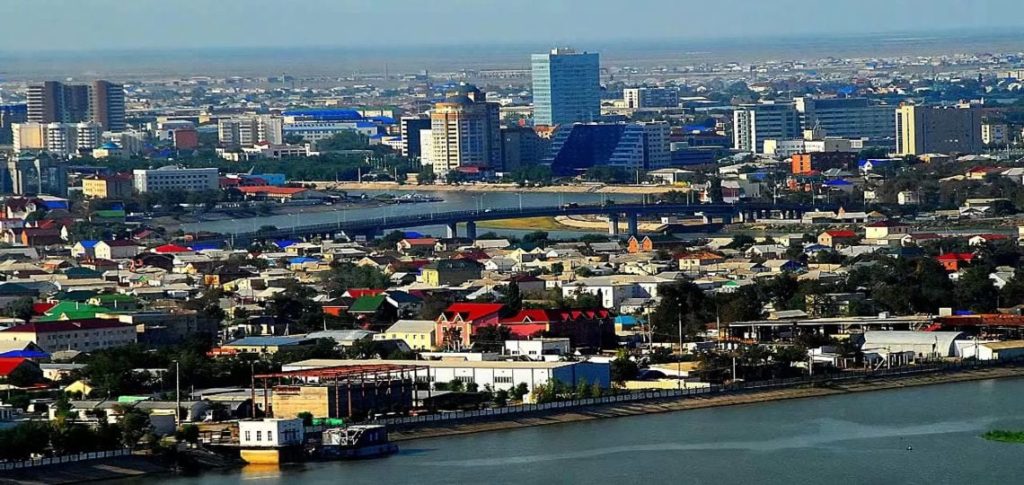
Port Harcourt, Nigeria, stands at a critical juncture, characterized by a profound duality. Initially conceived as an extractive colonial port for coal and later transformed by the discovery of crude oil, the city has evolved into the commercial and industrial heart of the nation’s energy sector. This economic prominence has fueled rapid, multi-directional urbanization and attracted a diverse populace, yet it has simultaneously exposed deep-seated systemic challenges. The city’s official moniker, the “Garden City,” is in stark contrast with its environmental reality, marked by severe air pollution and inadequate waste management. Similarly, while its economic engine has driven development, it has also created social tensions and the erosion of indigenous livelihoods. The city’s logistical gateways, essential for trade, are hamstrung by deep inefficiencies that divert vital business to neighboring countries. However, recent large-scale infrastructure projects and a significant improvement in the urban security landscape offer a path forward. Port Harcourt’s future success hinges on its ability to transcend its historical dependence on extractive industries by strengthening governance, diversifying its economy into non-oil sectors, and pursuing an integrated model of sustainable urban development that addresses the complex social and environmental issues born from its rapid, oil-fueled growth.
1. Introduction: Port Harcourt in Context
Historical Foundation
The city of Port Harcourt owes its very existence to a strategic colonial ambition. Founded in 1912 by Frederick Lugard, the governor of both the Northern and Southern Nigeria Protectorates, its original purpose was to serve as a deepwater port for the export of coal discovered in Enugu in 1909. The port was officially named in August 1913 in honor of Lewis Harcourt, who was then the Secretary of State for the Colonies. This founding narrative established the city as a critical link in an extractive economy.
While coal laid the groundwork, the city’s modern-day identity was cemented by crude oil. Following the discovery of oil in nearby areas in 1956, Port Harcourt quickly became the epicenter of Nigeria’s petroleum industry. In the post-independence era after 1960, this new economic engine spurred rapid modernization and urbanization, transforming the city into Nigeria’s second-largest seaport and a major commercial hub in the eastern part of the country.
Geographical and Demographic Profile
Situated along the Bonny River, a distributary of the Niger River, Port Harcourt lies approximately 41 miles (66 km) upstream from the Gulf of Guinea. As the capital and largest city of Rivers State, it plays a central administrative and economic role in the region. The city’s geography is characterized by its coastal and riverine setting, which has historically facilitated its role as a major port.
The city’s economic magnetism has driven a significant and sustained population boom. In 2006, its population was recorded at just over 1 million people, making it the fifth most populous city in Nigeria. This growth has accelerated dramatically in recent years, with a metropolitan area population estimated at 3.48 million in 2023 and projected to reach 3.794 million in 2025, representing an average annual growth rate of approximately 5%. This demographic expansion has been a primary catalyst for the city’s physical and social transformation.
2. The Dual Identity: From “Garden City” to Urban Nexus
The Garden City Persona
Port Harcourt is affectionately known as the “Garden City,” a name that evokes a sense of lush greenery and urban beauty. This identity is reflected in its numerous parks and open spaces, such as Isaac Boro Park and the Port Harcourt Pleasure Park, which serve as popular hubs for recreation and social gatherings. Beyond its physical landscape, the city possesses a vibrant cultural scene. It is home to the Port Harcourt Book Festival, which was named the World Book Capital for 2014 by UNESCO. The city has also produced numerous acclaimed musicians, including Grammy winner Burna Boy and Duncan Mighty, often referred to as “Port Harcourt’s First Son,” who celebrate the city’s culture in their music. This cultural and social vibrancy contributes to a cosmopolitan environment, attracting people from diverse backgrounds and solidifying its reputation as a modern, forward-looking metropolis.
The Indigenous Subtext
Beneath the veneer of the bustling, modern “Garden City” lies a complex socio-cultural dynamic rooted in its history. The city was founded on land traditionally inhabited by indigenous groups, particularly the Ijo, Ikwere, and Okrika peoples. The process of urbanization has progressively engulfed and transformed the traditional way of life of these indigenous enclaves, which predated the city’s founding.
The effects of this rapid urban expansion on the indigenous population have been a source of both benefit and conflict. A study on the impact of urbanization revealed a deeply divided perception among the local populace, with about half expressing satisfaction while over a third were displeased. Those who expressed pleasure cited the development of the area, improved infrastructure, and enhanced aesthetics. Conversely, discontent stemmed from a rise in crime rates, the destruction of traditional livelihoods such as farming, and the erosion of cultural values. The encroachment of urbanization has converted farmlands and wetlands into built-up areas, forcing many who relied on agriculture to seek other forms of employment for which they may lack experience. This ongoing tension between the indigenous communities and the influx of new, often better-equipped, migrants represents a significant challenge to social cohesion and equitable development.
3. The Economic Core: An Engine of Oil and Aspirations for Diversification
The Beating Heart of Oil
Port Harcourt’s economy is inextricably linked to the petroleum industry. It is widely regarded as Nigeria’s primary oil-refining city, hosting two main refineries operated by the Port Harcourt Refining Company. The city is a central hub for the country’s oil economy, benefiting from its strategic location in the Niger River delta, the heart of Nigeria’s oil-producing region. Rivers State alone accounts for 48% of the country’s onshore crude oil production and 100% of its liquefied natural gas exports. This immense economic contribution has made Rivers State the second-largest economy in Nigeria, next to Lagos State, with a gross domestic product (GDP) of $21.07 billion in 2007. The city’s status as a global energy force is further underscored by ongoing efforts for its re-admission into the World Energy Cities Partnership (WECP), a network of elite energy hubs like Houston and Aberdeen.
Beyond Petroleum
While oil and gas dominate, Port Harcourt’s economic base is more diverse than its reputation suggests. The city is a leading industrial center with a wide range of manufacturing activities. Its Trans-Amadi Industrial Estate produces goods such as tires, aluminum products, glass bottles, and paper. Other industries include steel structural products, paint, plastics, and cement. The city also maintains a robust fishing industry, with facilities for boat building and fish freezing. Agriculture, while facing challenges, is also a significant sector, with Rivers State being a major producer of crops like cassava, yam, and palm oil, as well as a source for various seafood.
The Agricultural Paradox
A key policy objective for the Rivers State government is to diversify its economy away from oil and gas, with a particular focus on agriculture. However, this aspiration has faced considerable implementation hurdles. The Songhai Rivers Initiative Farm (SRIF), a flagship project designed to boost agricultural production, create jobs, and promote agro-tourism, has become “moribund” due to what has been described as “government’s neglect”. Despite initial promises to revive the farm by the current administration and attract private investors, the failure of such a high-profile project demonstrates a fundamental gap between policy intent and execution. Furthermore, the agricultural sector faces significant challenges from oil spills, gas flaring, and other forms of environmental degradation that severely impact arable land and waterways. This illustrates the complex, intertwined nature of the city’s economic and environmental problems.
Table 1: Key Economic Sectors of Port Harcourt
| Sector | Description and Key Industries |
| Primary (Extractive) | Oil & Gas: Crude oil exploration, refining, and export; natural gas processing. Agriculture: Palm oil, palm kernels, timber, cassava, yam, maize, rice; artisanal fishing and boat building. |
| Secondary (Manufacturing) | Heavy Industry: Steel structural products, cement, concrete, corrugated tin. Light Manufacturing: Tires, aluminum products, glass bottles, paper, paints, plastics, enamelware, furniture. |
| Tertiary (Services) | Logistics & Transport: Seaports, international airport, highways, railways. Commercial & Financial: Banking, telecommunications, retail, and hospitality. |
4. Infrastructure and Logistics: Connectivity and Crisis
Nigeria’s Maritime Gateways
Port Harcourt’s ports are critical to Nigeria’s trade and logistics network. The city hosts the Port of Port Harcourt and, at a distance of 44 km, the newer facilities at nearby Onne. These deepwater facilities, with a draft of up to 7 meters, are essential for exporting a wide range of goods, including palm products, timber, coal, and petroleum. The city also serves as the southern terminus for the eastern branch of the Nigerian Railways main line and a trunk highway network that connects it to other major cities. This logistical framework positions Port Harcourt as a vital gateway for eastern and southern Nigeria.
The Systemic Challenge
Despite its strategic position, the Nigerian port system, including the facilities at Port Harcourt, is plagued by deep-seated inefficiencies. A 2018 survey on port performance cited issues such as rampant corruption, the exercise of discretionary power by officials, poor infrastructure, and a lack of enforcement of standard operating procedures. These systemic bottlenecks lead to excessive delays in cargo clearance and high transaction costs, making Nigerian ports among the most expensive and least efficient in the world. The direct consequence is cargo diversion, with shippers increasingly routing goods to more efficient regional rivals like the Port of Lomé in Togo. This diversion costs the Nigerian economy an estimated ₦130 billion annually in lost customs duties and other taxes.
Investment in Modernization
In response to these challenges, significant investments are underway to modernize Port Harcourt’s infrastructure and re-assert its regional dominance. The government has launched a $3.2 billion project to reconstruct the Port Harcourt–Maiduguri rail line, which aims to increase capacity and support the city as a major transportation hub. A broader $60 billion high-speed rail network is also planned, with its first phase connecting Port Harcourt with Lagos, Abuja, and Kano. In the maritime sector, the new in-gate facility at Onne Port is being hailed as a “beacon of change” with its cutting-edge technology and streamlined customs procedures designed to slash turnaround times and reduce costs. The Port Harcourt International Airport has also seen significant upgrades, with a new international terminal commissioned in 2018.
Table 2: Major Challenges and Solutions for Port Harcourt’s Ports
| Challenge | Impact on Logistics and Economy | Proposed or Implemented Solutions |
| Bureaucratic Bottlenecks & Corruption | Leads to delays, illegal fees, and high transaction costs; diverts cargo to other West African ports. | Streamlined customs procedures and digitalization at new facilities. |
| Poor Infrastructure | Causes excessive overruns and processing delays; limits handling capacity. | Reconstruction of the Port Harcourt–Maiduguri rail line; new high-speed rail network. New in-gate facility with advanced technology at Onne Port. |
| Cargo Diversion | Results in an estimated annual loss of ₦130 billion in revenue for Nigerian ports. | Public-private partnerships to enhance efficiency and service quality. Focus on modernizing facilities to improve competitiveness. |
5. Environmental and Urban Resilience
The Black Soot Crisis
The “Garden City” faces a profound and visible environmental crisis: the deposition of “black soot”. This form of air pollution has been a significant public health issue since 2016, with studies revealing ambient air quality data in Port Harcourt to be consistently above national standards. The crisis is a result of multiple sources, including decades of gas flaring by oil corporations and, more recently, the burning of tires and illegal refining of stolen crude oil. The health consequences are severe and widespread, ranging from respiratory illnesses like chronic bronchitis and pneumonia to eye irritation and an increased risk of cancer.
While government and activist efforts have been made to combat the pollution, they have had limited success. The Rivers State government’s 2017 ban on tire burning and closure of asphalt plants failed to address the core problem of artisanal refining, and a decisive crackdown in January 2022 provided only a “short-lived respite” of about six weeks before illegal refiners resumed operations. Legal actions and petitions to international bodies have also not yielded meaningful results, highlighting a systemic failure in governance and regulation to address the crisis effectively.
Waste Management and Urban Sprawl
Beyond air pollution, the city grapples with significant challenges in solid waste management. The rapid urbanization has led to a surge in waste generation, straining existing municipal services. A study found that nearly 60% of residents perceive waste collection to be irregular or unpredictable, leading to waste accumulation and unsanitary conditions. Furthermore, most residents lack proper waste receptacles, and a significant portion believe collection vehicles are inadequate. This issue is exacerbated by unplanned urban sprawl, where development encroaches on farmlands and wetlands, demonstrating the causal link between uncontrolled growth and environmental degradation.
6. Security and Risk Landscape
A Tale of Two Eras
For years, Port Harcourt was associated with extreme security risks, with international reports at one time labeling it one of the world’s most dangerous cities. This period was marked by inter-communal clashes, armed robbery, and frequent kidnappings. However, the security situation has since improved, with business activities and nightlife returning to normalcy. The city’s current safety climate is described as a “new lease on life,” with visitors reporting a secure and comfortable environment.
International Perspective
This improvement is reflected in nuanced international travel advisories. While Nigeria as a whole is still subject to a “Level 3: Reconsider Travel” warning from the U.S. Department of State due to crime and instability, Port Harcourt is explicitly exempted from the “Do Not Travel” advisory applied to the rest of Rivers State. This is a crucial distinction, indicating that the city’s security environment is demonstrably more stable than that of the broader Niger Delta region. Similarly, a Canadian travel advisory, while advising against non-essential travel to Nigeria, also makes a special note for Rivers State, specifying that the advice excludes Port Harcourt.
Persistent Risks
Despite these positive trends, security challenges remain. Kidnapping for ransom, which often targets foreigners and wealthy individuals, is still one of the most common crimes in the state. Militant activity directed at oil infrastructure also presents a continuous risk. In March 2025, a six-month state of emergency was declared in Rivers State due to an attack on oil infrastructure and political instability, highlighting the fragility of the regional security landscape. While Port Harcourt has demonstrated a remarkable ability to manage these risks within its urban boundaries, the city remains vulnerable to the broader political and criminal dynamics of the Niger Delta.
7. Strategic Outlook and Recommendations
Cross-Sectoral Synthesis
Port Harcourt’s complex reality is a product of its foundational economic function and the governance systems that have evolved around it. The analysis of the city’s economic, environmental, and social dimensions reveals a causal nexus where problems are deeply interconnected. The city’s dependence on oil and gas has fueled rapid growth but also created severe environmental degradation. The governance models, characterized by a lack of enforcement and poor planning, have failed to mitigate the negative impacts of this growth, leading to recurring crises in waste management and air quality. This failure to diversify the economy and address systemic inefficiencies has rendered the city vulnerable to regional competition and external shocks, as seen in the ongoing cargo diversion to neighboring ports.
Opportunities for Investment
The data indicates that while the challenges are significant, Port Harcourt’s strategic assets provide immense opportunities for targeted investment. The city’s infrastructure is currently undergoing modernization, which presents a chance to invest in and develop its logistical capabilities, making it a more efficient and competitive hub. The government’s stated goal of economic diversification, particularly in the agricultural sector, offers a blueprint for private sector engagement in large-scale commercial farming and processing facilities. Furthermore, as Nigeria’s energy capital, there is a clear opportunity to invest in and develop renewable energy solutions and innovative environmental technologies to address the black soot crisis and reposition the city as a leader in sustainable development within Africa.
Policy Recommendations
To unlock this potential, a new strategic approach is required from both government and private sector stakeholders. The following policy recommendations are based on the evidence:
- Strengthen Institutional and Regulatory Capacity: Efforts to address pollution and port inefficiency have been stymied by a lack of consistent policy and enforcement. The government must move beyond short-term fixes to establish robust, data-driven, and transparent regulatory frameworks. This includes prosecuting illegal refiners and enforcing environmental laws on all industries, both domestic and multinational.
- Foster Public-Private Partnerships: Projects like the Songhai Rivers Initiative Farm and port modernization efforts have faltered due to insufficient funding, mismanagement, or a lack of collective ownership. The government should actively court private investors, providing assurances of security for their assets and creating a stable, transparent business environment. This will distribute the burden of infrastructure development and ensure projects are managed professionally.
- Invest in Human Capital and Livelihood Development: To mitigate the social costs of urbanization and economic shifts, policies must support the indigenous population and in-migrants. This includes vocational training in high-demand sectors like health, safety, and environment (HSE) management, which are vital for the oil and gas industry. Empowering local communities with new skills will enable them to compete for opportunities and reduce social friction.
Conclusion
Port Harcourt is a city of remarkable economic significance to Nigeria and the wider West African region. Its history as an extractive hub for coal and oil has shaped its identity and urban landscape, making it a potent engine of growth. However, this prosperity has come at a price, manifesting in a pervasive air pollution crisis, systemic logistical inefficiencies, and the erosion of traditional community structures. The city’s future is not predetermined but rests on a strategic choice: to continue its current, fragmented path or to embrace an integrated model of sustainable development. By addressing its core challenges in governance, environmental stewardship, and social equity, Port Harcourt can transform its current contradictions into a new, more resilient identity, fulfilling its potential not just as an energy capital, but as a model for holistic, prosperous urbanism in the 21st century.










Related Posts



Stay Informed With the Latest & Most Important News
Previous Post
Next Post
Advertisement