Now Reading: Children of the War – Orphans, Starvation, and the Lost Generation of Biafra
-
01
Children of the War – Orphans, Starvation, and the Lost Generation of Biafra

Children of the War – Orphans, Starvation, and the Lost Generation of Biafra

(Part of the Nigeria234.com Civil War Series (1966–1970))
📝 Introduction
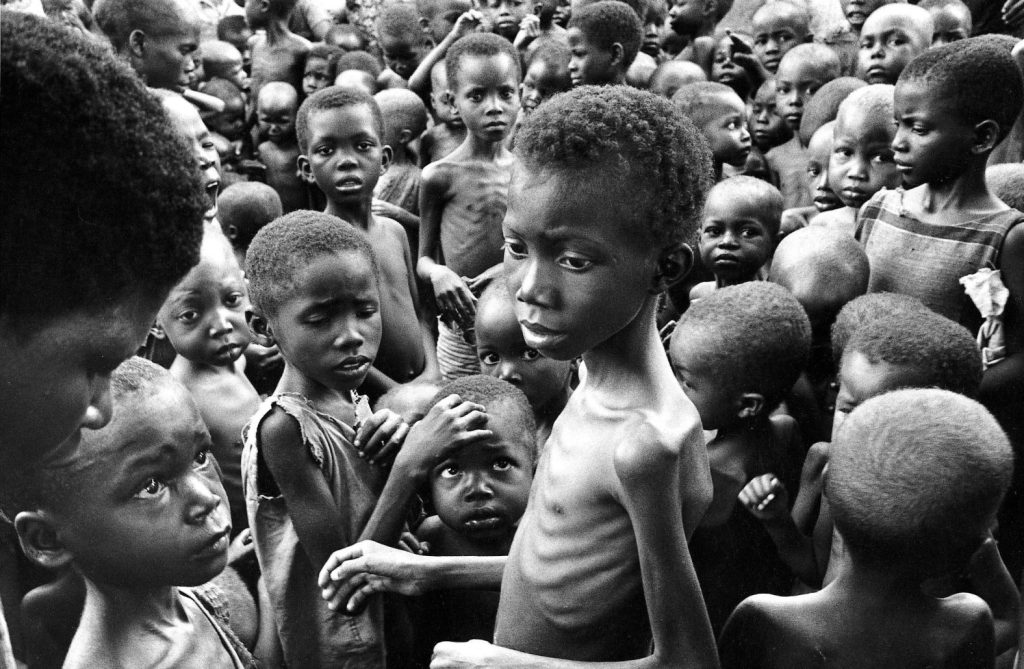
Of all the victims of the Nigerian Civil War (1967–1970), children suffered the most. Starvation, disease, bombing, and displacement turned millions of boys and girls into symbols of war’s cruelty. The haunting images of “Biafra babies” — malnourished children with skeletal frames and swollen bellies — shook the world and galvanized humanitarian action.
But beyond the images were real lives: children who became orphans, refugees, and part of a lost generation.
🍲 Starvation and Malnutrition
- The Federal blockade cut off food and medicine to Biafra.
- Children were the most vulnerable, with thousands dying daily from:
- Kwashiorkor (protein deficiency).
- Marasmus (severe wasting).
- Cholera, measles, and malaria.
- Aid workers reported camps filled with children too weak to cry.
👩👦 Orphans of the War
- Many children lost one or both parents in the fighting or bombings.
- Orphanages sprang up in Biafra, often run by churches or local women.
- Older siblings became caretakers, forced to grow up overnight.
- Some children were sent abroad by church networks for adoption or fostering.
🏃 Displacement and the “Child Refugees”
- Millions of children trekked with families as refugees, moving from village to village to escape advancing troops.
- Schools were destroyed, meaning a whole generation lost access to education.
- Many grew up knowing only hunger, fear, and flight.
📸 Children in Global Media
- International photographers made children the face of the crisis.
- Their images appeared on covers of Life Magazine and in Western newspapers, mobilizing donations for relief.
- The term “Biafra baby” became globally recognized shorthand for child starvation.
🕊️ Survival and Resilience
- Despite suffering, many children showed resilience:
- Learned to farm small plots, fetch water, and help in survival.
- Found comfort in play even in refugee camps, turning sticks and stones into toys.
- Songs and folk stories from elders kept a sense of cultural identity alive.
🌍 Long-Term Consequences
- Survivors of the war grew up carrying trauma and memories of famine.
- Many described it as the defining experience of their lives.
- The war created a lost generation — children whose education, health, and childhood were stolen.
- Their experience influenced later Nigerian politics, literature, and identity.
💬 Reflection
“The war was cruelest to children — they carried no rifles, yet they bore the heaviest scars.”
🌟 Conclusion
The children of the Nigerian Civil War remind us of the true cost of conflict. Beyond the strategies and battles, it is always the most vulnerable who pay the price. Their suffering galvanized the world into humanitarian action, but it also left scars that Nigeria still carries today.










Related Posts
Stay Informed With the Latest & Most Important News
Previous Post
Next Post

Advertisement