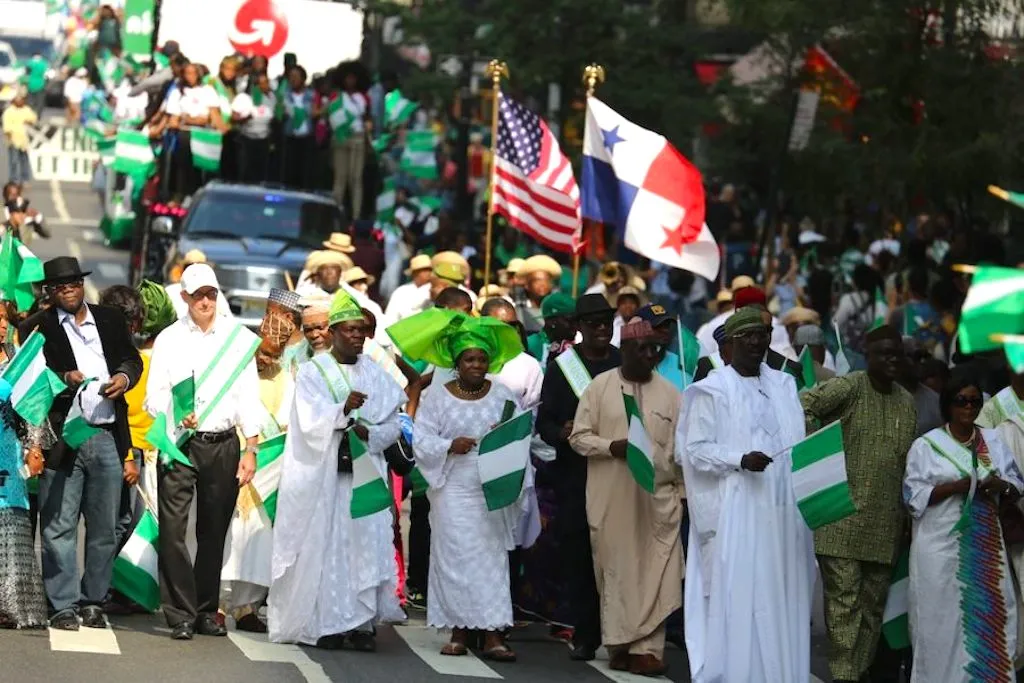
The Nigerian diaspora represents a dynamic and multifaceted demographic force with a global reach. While official United Nations estimates place the population at a conservative 1.7 million, other academic and
The Nigerian diaspora represents a dynamic and multifaceted demographic force with a global reach. While official United Nations estimates place the population at a conservative 1.7 million, other academic and
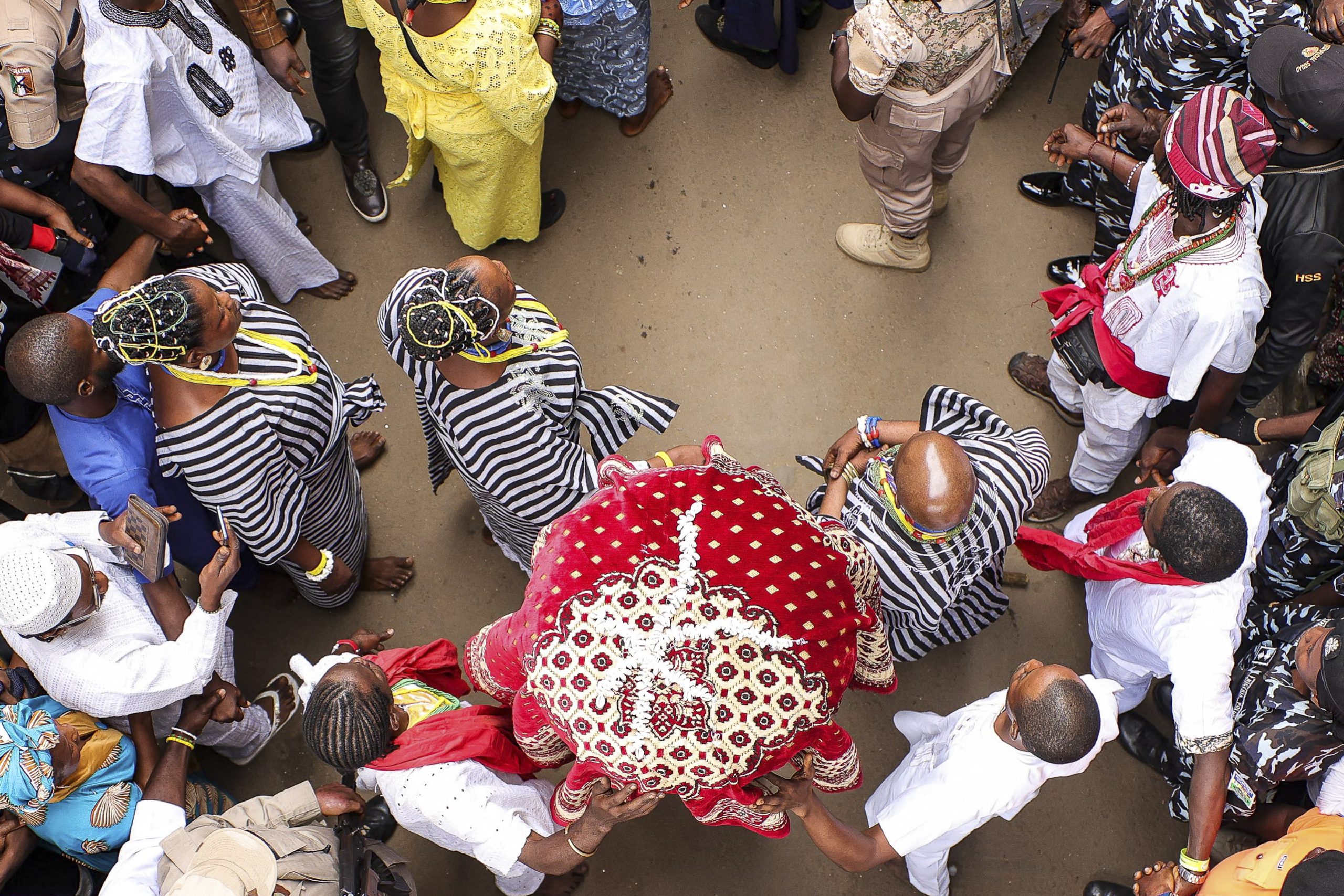
🇳🇬 Introduction Nigeria is a land of rich traditions, vibrant cultures, and colorful festivals. Beyond music and food, festivals are moments of spirituality, community bonding, and celebration of heritage. Among

🇳🇬 Introduction Nigeria’s identity is shaped by the diverse cultures of its major ethnic groups. Among the most influential are the Yoruba, Hausa-Fulani, and Igbo peoples. Each group has its
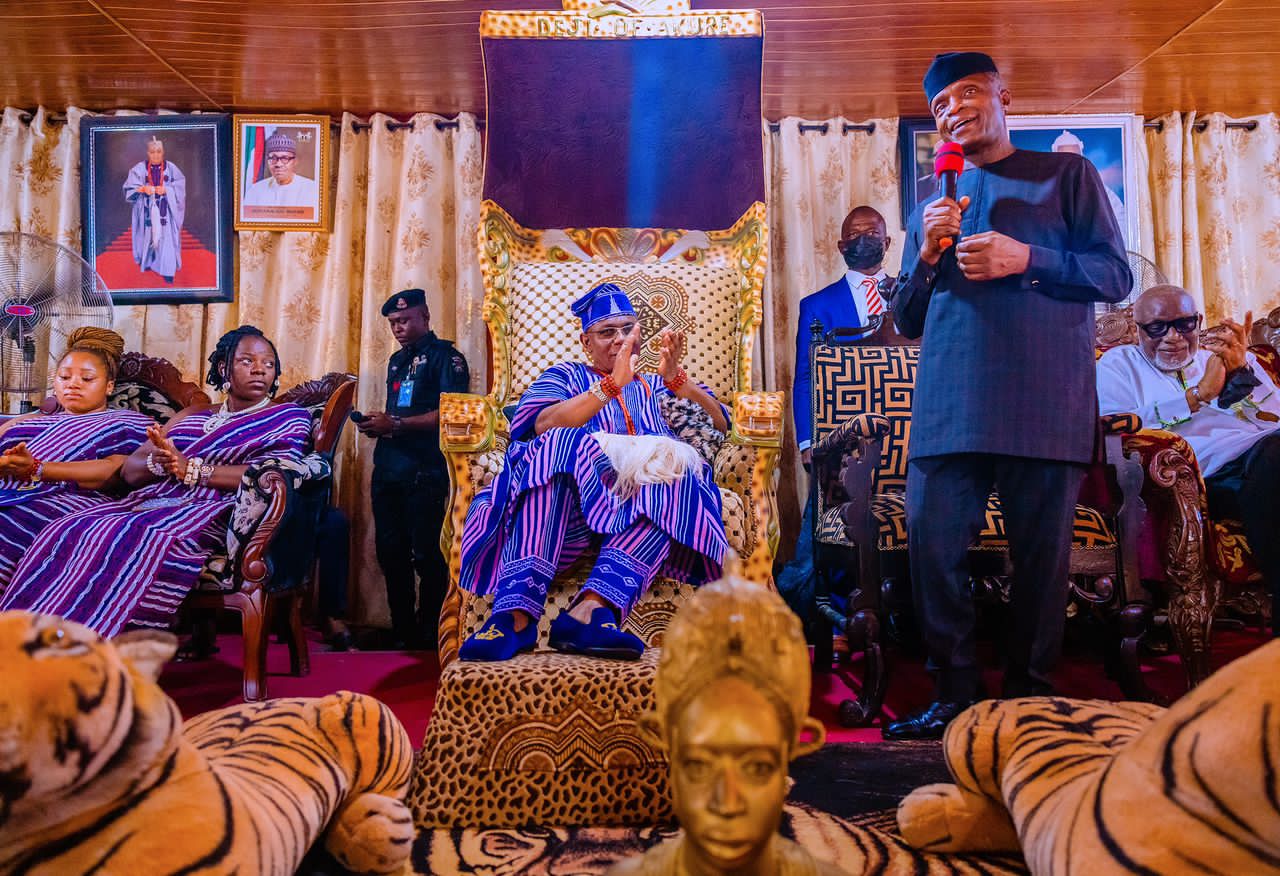
Historical Background The Deji of Akure is the traditional ruler of Akure, the capital of Ondo State, Nigeria. Role and Authority Notable Dejis Oba Afunbiowo Adesida I (1897–1957) Oba Adesida

🇳🇬 Introduction Lagos, Nigeria’s commercial capital, is more than just business and hustle—it is a city alive 24/7. Known as the “City That Never Sleeps,” Lagos boasts one of Africa’s

🇳🇬 Introduction The Nigerian diaspora in the United States and the United Kingdom is one of the most dynamic African communities abroad. With millions of Nigerians living, studying, and working

🇳🇬 Introduction Nigerian culture—rooted in centuries of history, tradition, and resilience—has become a global force of inspiration for the African diaspora. From music and film to fashion and spirituality, Nigerians
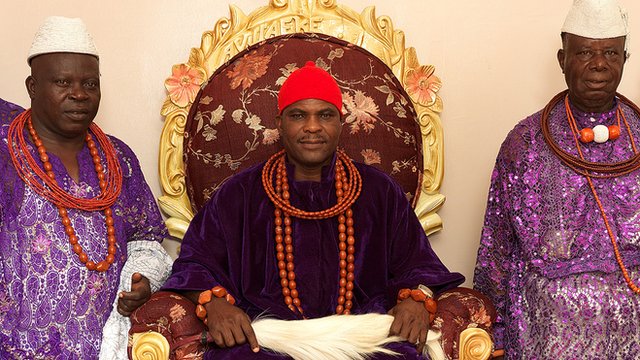
Introduction: The Enduring Crown in a Modern State The Royal Houses of Nigeria present a profound paradox, serving as a dynamic link between the nation’s pre-colonial past and its contemporary
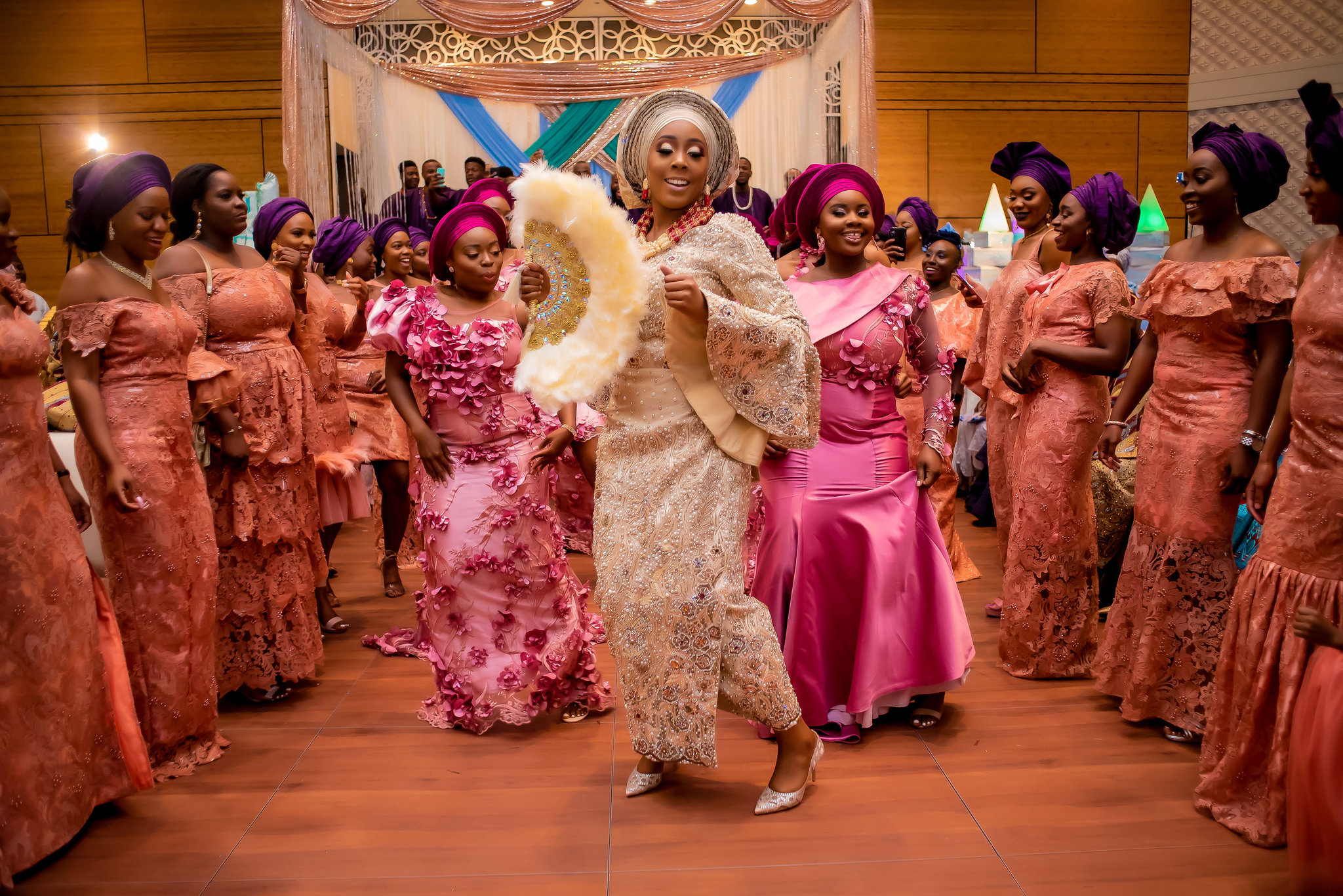
Introduction: The Communal Essence of Nigerian Weddings Traditional Nigerian marriage ceremonies represent a profound cultural phenomenon, transcending the simple union of two individuals to become a vibrant amalgamation of families

Nigeria is often described as a “federal republic,” but its federalism is unique—shaped by colonial legacies, ethnic diversity, and decades of political experimentation. With over 250 ethnic groups and a