Stand-first (copy this into your CMS):Phoenix’s Nigerian and West African scene is compact but growing, with reliable sit-down kitchens, cloud-kitchen specialists, and a buzzy food truck. We verified each listing
Stand-first (copy this into your CMS):Phoenix’s Nigerian and West African scene is compact but growing, with reliable sit-down kitchens, cloud-kitchen specialists, and a buzzy food truck. We verified each listing
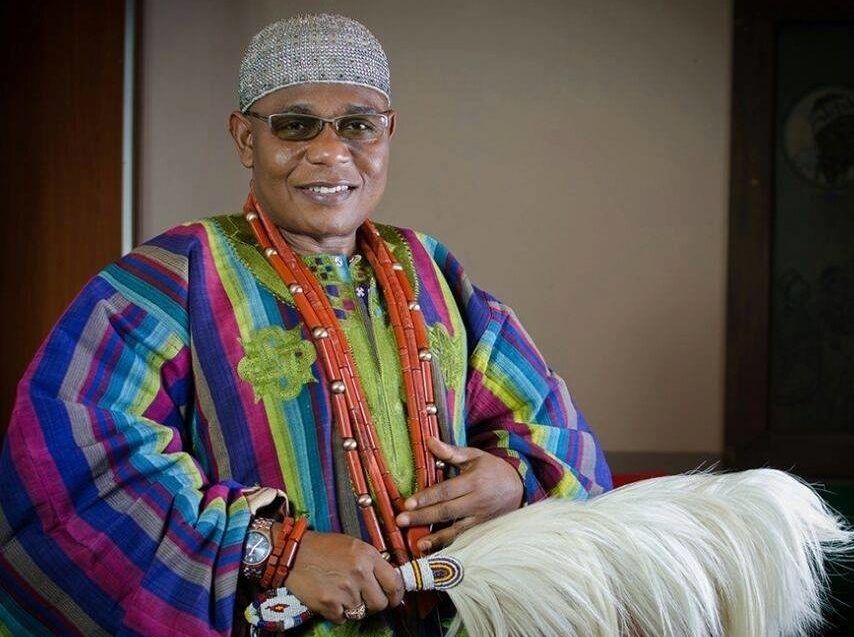
Early Life and Background Oba Aladetoyinbo Ogunlade Aladelusi was born on 28 August 1950s (exact year often cited as 1955) in Akure, Ondo State, Nigeria. Ascension to the Throne Reign
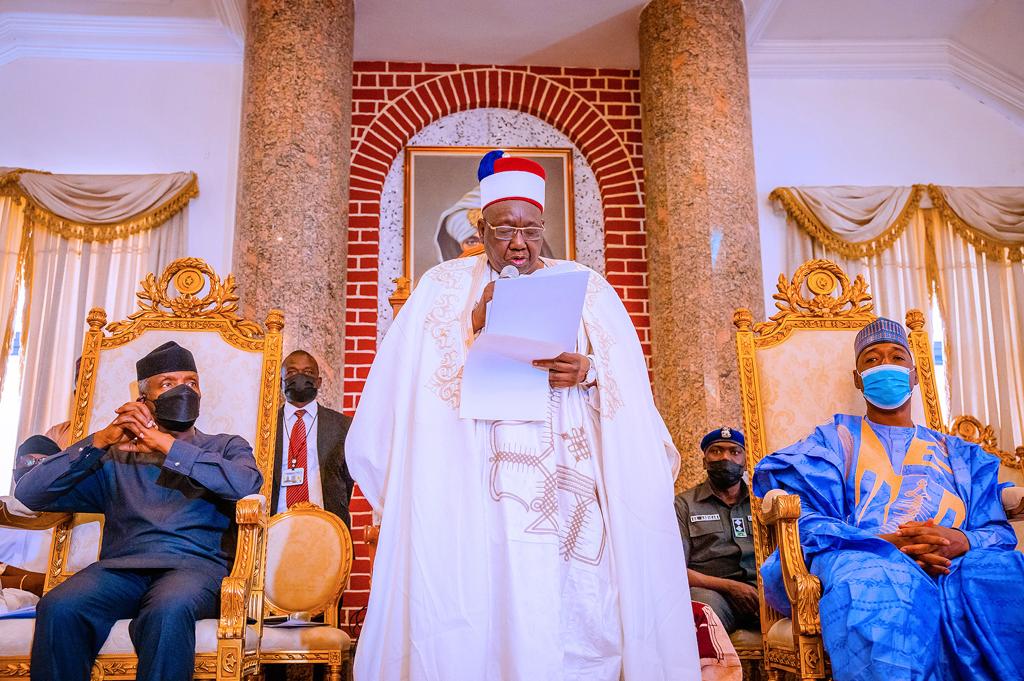
Early Life and Background Abubakar Ibn Umar Garbai El-Kanemi was born in 1957 in Damagum, Yobe State (former Borno Province). Ascension to the Throne Reign and Leadership Custodian of Kanuri

Early Life and Background Akinola Lasekan was born in 1916 in Owo, Ondo State, Nigeria. He trained initially as a sign painter, book illustrator, and textile designer, before formally studying

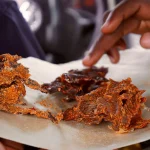
Nkwobi is a spicy Nigerian delicacy made from cow foot cooked in a palm oil–based sauce with seasonings and spices. It is a famous Igbo dish, often enjoyed as an

Across Nigeria, a growing number of young people are turning to the gig economy — short-term jobs, freelance work, and remote contracts — as an alternative to traditional employment. From

The rise of social media platforms has created a new wave of Nigerian entrepreneurs: content creators. From comedy skits on Instagram to YouTube tutorials, TikTok dances, and podcasts, Nigerians are

Early Life and Background Aina Onabolu was born in 1882 in Ijebu-Ode, present-day Ogun State, Nigeria. He grew up during the late colonial period, when European artistic forms dominated and

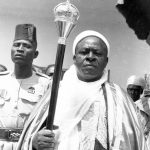
Early Life and Background Alhaji Muhammadu Sa’ad Abubakar was born on 24 August 1956 in Sokoto, Nigeria. Military Career Ascension to the Throne Reign and Leadership Spiritual Leadership Advocacy and

Nigeria is a nation of contrasts—home to bustling megacities and centuries-old kingdoms, high-tech innovations and deeply rooted traditions. Amid this complexity, traditional rulers—Obas, Emirs, Obis, and Chiefs—continue to wield remarkable