Now Reading: The Role of Traditional Rulers in Nigeria: Guardians of Culture in a Modern Democracy
-
01
The Role of Traditional Rulers in Nigeria: Guardians of Culture in a Modern Democracy

The Role of Traditional Rulers in Nigeria: Guardians of Culture in a Modern Democracy

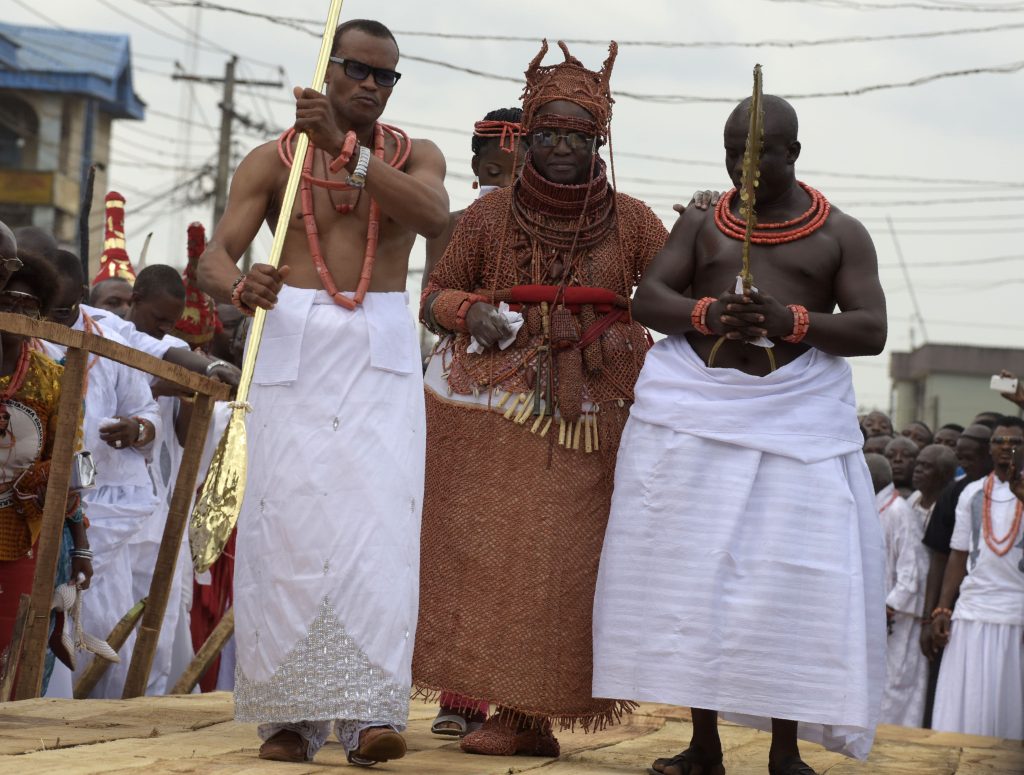
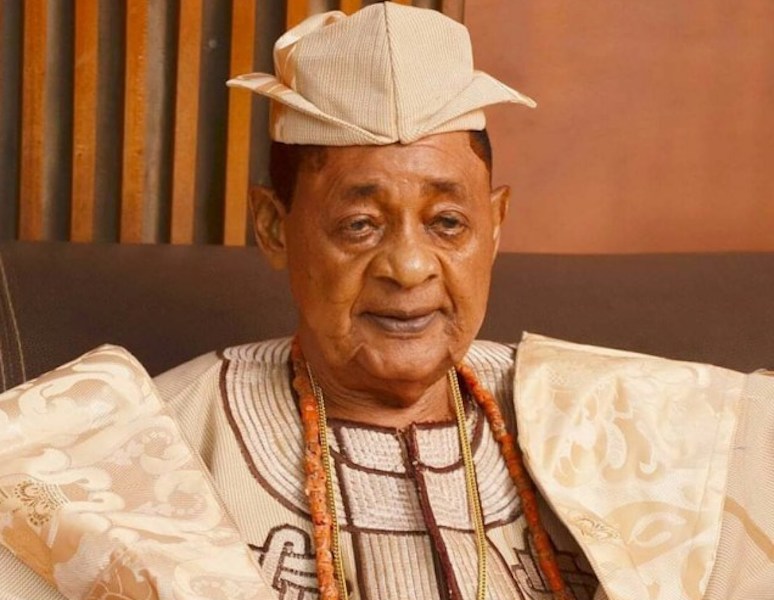
Nigeria is a nation of contrasts—home to bustling megacities and centuries-old kingdoms, high-tech innovations and deeply rooted traditions. Amid this complexity, traditional rulers—Obas, Emirs, Obis, and Chiefs—continue to wield remarkable influence. Though Nigeria is a democratic republic with elected leaders, traditional rulers remain custodians of culture, mediators of conflict, and symbols of continuity in a rapidly changing society.
👑 Who Are Nigeria’s Traditional Rulers?
Traditional rulers are monarchs and community leaders who preside over ethnic kingdoms, emirates, or chiefdoms. Some of the most prominent include:
- The Oba of Benin (Edo State)
- The Ooni of Ife (Osun State)
- The Alaafin of Oyo (Oyo State)
- The Emir of Kano (Kano State)
- The Shehu of Borno (Borno State)
- The Obi of Onitsha (Anambra State)
Their titles and systems vary across Nigeria’s ethnic groups, but their roles share common themes of cultural stewardship and community leadership.
📜 Historical Role
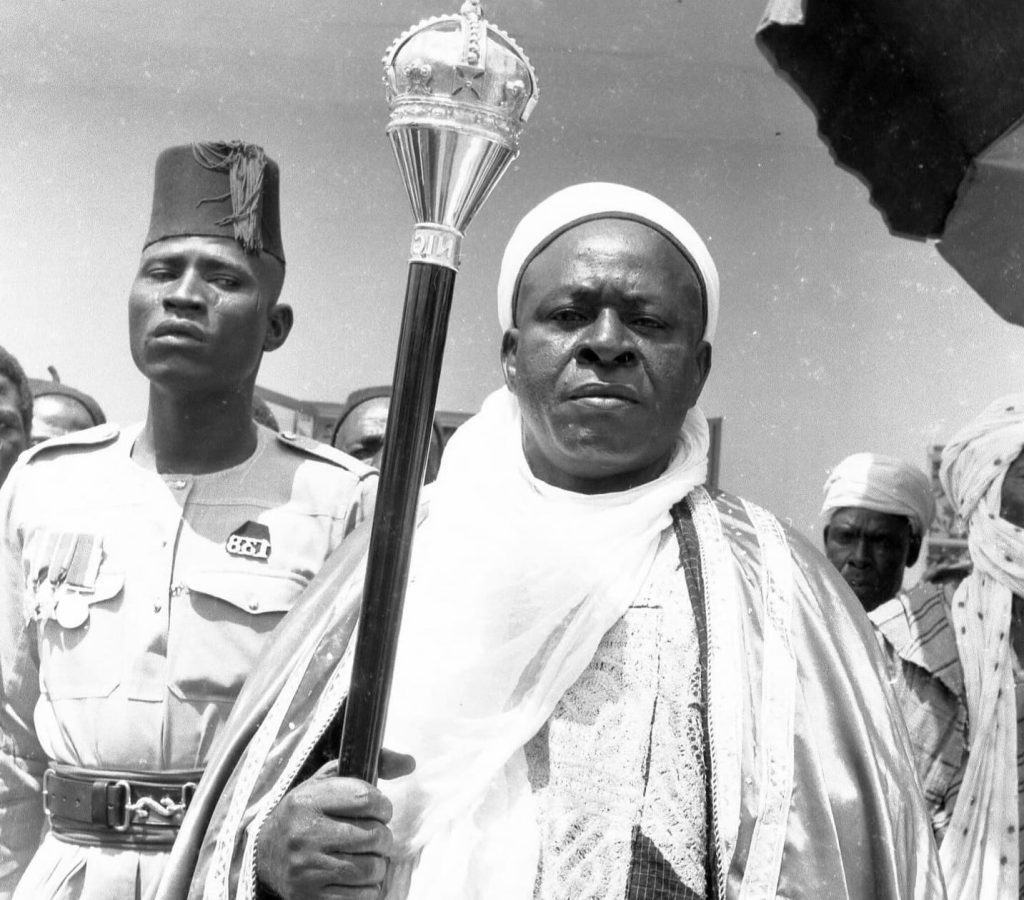
- Pre-Colonial Era: Kings and emirs held absolute authority, controlling armies, trade, and justice.
- Colonial Period: The British co-opted traditional rulers into the system of “indirect rule,” using them to administer local governance.
- Post-Independence: With the rise of modern democracy, their formal political powers declined, but their cultural and social authority remained intact.
🌍 Influence in Modern Nigeria
Even without constitutional authority, traditional rulers play crucial roles:
- Cultural Custodianship: Preserving language, festivals, customs, and spiritual practices.
- Conflict Resolution: Acting as mediators in land disputes, communal clashes, and family issues.
- Moral Authority: Providing guidance and legitimacy to political leaders, especially at the grassroots level.
- Community Development: Mobilizing resources for schools, hospitals, and infrastructure within their domains.
- Religious and Interfaith Roles: Particularly in the North, emirs serve as Islamic leaders, bridging governance and faith.
🚧 Challenges and Criticisms
- Lack of Constitutional Clarity: Traditional rulers often operate in a grey area, with undefined legal powers.
- Political Manipulation: Politicians sometimes exploit their influence for electoral gains.
- Generational Tensions: Younger Nigerians occasionally question the relevance of hereditary authority in a democracy.
- Corruption Allegations: Some rulers have been accused of mismanaging community resources or aligning with oppressive regimes.
✨ Why They Still Matter
Despite criticisms, traditional rulers endure because they represent:
- Continuity: A living link between Nigeria’s past and present.
- Identity: Symbols of ethnic and cultural pride.
- Trust: In many communities, traditional rulers command more respect than politicians.
- Unity: Their neutral roles often bridge divides in times of crisis.
💡 The Road Ahead
To strengthen their relevance in modern Nigeria:
- Defined Roles: Clarify their place within the constitution to avoid conflicts with elected officials.
- Partnership with Government: Harness their grassroots influence for social campaigns (healthcare, education, security).
- Youth Engagement: Involve traditional rulers in promoting values, entrepreneurship, and digital literacy among young people.
- Transparency: Encourage accountability in the use of palace resources and community funds.
✅ Conclusion
Traditional rulers in Nigeria may no longer command armies or legislate, but their soft power remains profound. They embody heritage, guide moral values, and foster cohesion in a nation of immense diversity. In a democracy often marred by political distrust, traditional rulers remind Nigerians that leadership is not only about power—it is about service, unity, and identity.










Related Posts
Stay Informed With the Latest & Most Important News
Previous Post
Next Post


Advertisement