Now Reading: Aina Onabolu: Pioneer of Modern Nigerian Art
-
01
Aina Onabolu: Pioneer of Modern Nigerian Art


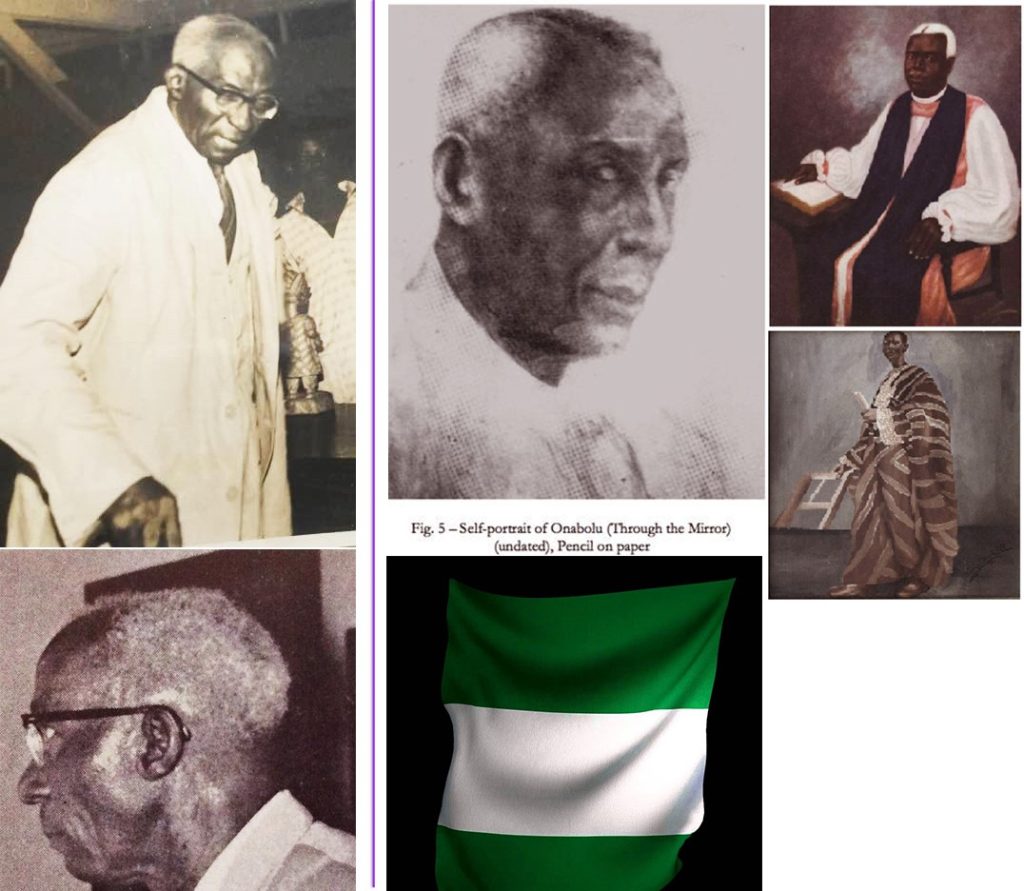
Early Life and Background
Aina Onabolu was born in 1882 in Ijebu-Ode, present-day Ogun State, Nigeria. He grew up during the late colonial period, when European artistic forms dominated and indigenous Nigerian art was undervalued in the colonial education system.
From childhood, Onabolu showed an unusual talent for drawing and painting. He was largely self-taught, mastering portraiture by copying photographs and studying Western techniques from books and magazines.
Career and Contributions
Breaking Colonial Barriers
In early 20th-century Nigeria, colonial authorities discouraged Africans from practicing fine art, believing they could not master “high art” forms like portraiture. Onabolu challenged this prejudice head-on by painting realistic portraits of Nigerian elites.
He gained recognition for his oil portraits of prominent Nigerians, including Herbert Macaulay, the nationalist leader. His works proved that Africans could excel in Western artistic techniques while maintaining cultural pride.
Formal Training
In 1920, Aina Onabolu traveled to London, where he studied art formally at St. John’s Wood School of Art. He later obtained a diploma in fine arts from Académie Julian, Paris, making him one of the first professionally trained Nigerian artists.
Teaching and Legacy
Onabolu returned to Nigeria determined to introduce formal art education into schools.
- He became Nigeria’s first art teacher, working at CMS Grammar School, King’s College, and Queen’s College in Lagos.
- Through his advocacy, art was introduced as a subject in Nigerian secondary schools in the 1920s.
- He mentored future artists and laid the foundation for Nigerian modern art education.
Style and Work
Onabolu was primarily a portrait painter, using oil paints in a realistic, academic European style.
- His works captured the dignity and modernity of Nigerians at a time when colonial stereotypes depicted Africans as “primitive.”
- He also produced landscapes and historical scenes.
Major Works (Selected)
- Portrait of Herbert Macaulay
- Portrait of Mrs. Spencer Savage (1906)
- Portrait of Chief Dr. Sapara Williams
- Several portraits of Lagos elites and aristocrats of his time.
Impact and Legacy
- Recognized as the “Father of Modern Nigerian Art”.
- His success opened doors for later generations of Nigerian artists, including Ben Enwonwu, who combined Western techniques with African identity.
- His role in introducing art into the Nigerian curriculum transformed education and gave rise to a new generation of African artists.
Death
Aina Onabolu died in 1963, the same year Nigeria hosted its first major post-independence art exhibitions — a symbolic close to a life spent legitimizing Nigerian art in the modern era.
Conclusion
Aina Onabolu was not just an artist — he was a pioneer, educator, and cultural reformer. By mastering Western art forms and using them to assert African dignity, he challenged colonial stereotypes and laid the foundation for modern art in Nigeria. Today, he is remembered as the man who gave Nigeria its first brushstrokes of modern artistic identity.










Related Posts

Stay Informed With the Latest & Most Important News
Previous Post
Next Post

Advertisement