
Now Reading: Lekki Lagoon: Nigeria’s Serene Waters of Culture and Commerce
1
-
01
Lekki Lagoon: Nigeria’s Serene Waters of Culture and Commerce
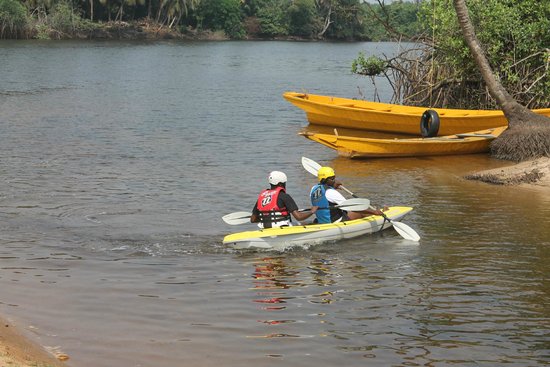

The Lekki Lagoon is one of Nigeria’s most scenic and ecologically rich water bodies. Located in Lagos and Ogun States, it lies to the east of the more famous Lagos Lagoon, stretching along the Lekki Peninsula and beyond. It is surrounded by fishing villages, small towns, and rapidly developing urban centers, making it both a natural treasure and an area of growing economic importance.
📌 Geography and Features
- Location: Extends from Epe in Lagos State northwards into Ogun State.
- Size: Roughly 50 km long and between 3 to 10 km wide.
- Connections: Linked to other lagoons and creeks, and ultimately connected to the Atlantic Ocean.
- Landscape: Surrounded by wetlands, mangroves, farmlands, and traditional fishing communities.
📌 Economic and Social Importance
1. Fishing
- Lekki Lagoon is a major source of livelihood for thousands of fishermen.
- It supplies Lagos and Ogun markets with fish, crabs, shrimps, and crayfish.
- Towns like Epe are famous for their bustling fish markets, directly tied to the lagoon’s productivity.
2. Transport
- Canoes and boats are widely used for moving goods and people across the lagoon.
- For many rural communities, it remains the fastest way to connect to nearby towns.
3. Tourism and Recreation
- Eco-tourism opportunities include boat rides, birdwatching, and visits to fishing villages.
- Resorts and waterfront properties are emerging along the lagoon’s banks, especially near Lekki and Epe.
4. Agriculture
- Surrounding wetlands are used for rice farming, palm oil production, and cassava cultivation.
- The lagoon’s waters help irrigate farmlands during dry periods.
📌 Cultural Significance
- The lagoon is central to the life of the Epe people and other Yoruba sub-groups.
- Fishing festivals, boat regattas, and traditional ceremonies often celebrate the lagoon’s abundance.
- Oral histories and folklore describe the lagoon as a sacred water body, believed to be home to protective spirits.
📌 Environmental Challenges
- Overfishing: Fish stocks are under pressure due to population growth and demand.
- Pollution: Agricultural runoff and waste disposal threaten water quality.
- Urban Expansion: Real estate and infrastructure projects in the Lekki axis are encroaching on natural habitats.
- Climate Change: Rising sea levels and flooding are affecting communities near the lagoon.
📌 Conservation and Future Potential
- Eco-tourism development can make Lekki Lagoon a hub for sustainable travel.
- Community-based conservation efforts could protect mangroves and wetlands.
- Modern fisheries management would secure livelihoods while preventing depletion.
- Proper planning is crucial to balance urban expansion with environmental sustainability.
📌 Attractions Around Lekki Lagoon
- Epe Fish Market 🐟 – a lively market where visitors can buy fresh and smoked fish.
- Epe Mangroves 🌿 – canoe rides through mangrove forests.
- Lekki Peninsula 🏝️ – fast-growing urban area with beaches, resorts, and nightlife.
- Lekki Conservation Centre 🌳 – home to wildlife and Africa’s longest canopy walkway.
✅ Conclusion
The Lekki Lagoon is both a natural jewel and an economic powerhouse. It sustains fishermen, farmers, and local communities, while also offering untapped potential for tourism and recreation. Preserving it amidst rapid urban growth will be essential to ensure it remains a source of life, culture, and beauty for future generations.










Related Posts


Stay Informed With the Latest & Most Important News
Previous Post
Next Post
Previous Post

Next Post

Advertisement

Donations




Loading Next Post...


