
Now Reading: Muhammadu Barkindo Aliyu Mustafa: 12th Lamido of Adamawa
1
-
01
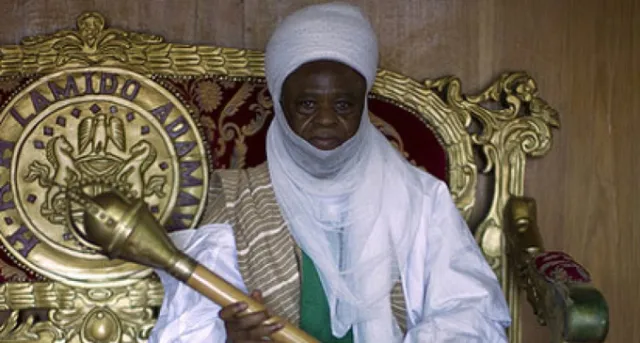
Muhammadu Barkindo Aliyu Mustafa: 12th Lamido of Adamawa

Muhammadu Barkindo Aliyu Mustafa: 12th Lamido of Adamawa

Early Life and Background
Muhammadu Barkindo Aliyu Mustafa was born on 13 February 1944 in Yola, the historic seat of the Adamawa Emirate (present-day Adamawa State, Nigeria).
- He is the son of Lamido Aliyu Mustafa, who reigned from 1953 until 2010 and was one of the longest-serving monarchs in Nigeria.
- Grew up in a royal household deeply rooted in Islamic scholarship, Fulani tradition, and leadership values.
Education
- Attended Yola Primary and Middle School, and later Barewa College, Zaria, one of Nigeria’s most prestigious schools.
- Studied at the Technical Institute, Kaduna.
- Furthered his studies in the United Kingdom, where he was trained in business and public administration.
Professional Career
- Worked in the Nigerian Civil Service after his studies.
- Served in administrative and leadership positions, gaining experience in governance.
- Engaged in business and community development projects in Adamawa State before his ascension to the throne.
Ascension to the Throne
- On 18 March 2010, he was installed as the 12th Lamido of Adamawa, succeeding his late father, Lamido Aliyu Mustafa (1953–2010).
- His coronation was celebrated across northern Nigeria, marking the continuation of the Modibbo Adama dynasty.
Reign and Leadership
Custodian of Tradition
- Presides from the Lamido’s Palace in Yola, maintaining the cultural and spiritual authority of the emirate.
- Upholds the legacy of Modibbo Adama (founder of the Adamawa Emirate, 1809).
- Leads the emirate council and supervises Islamic institutions, traditional councils, and cultural festivals.
Peacebuilding and Security
- His reign has coincided with the Boko Haram insurgency and security challenges in the northeast.
- Plays a mediatory role, advocating for peace, tolerance, and dialogue among diverse ethnic and religious groups in Adamawa.
Advocacy for Education and Development
- Promotes both Islamic and Western education, encouraging youth empowerment.
- Supports agricultural development, trade, and modern business initiatives in Adamawa State.
- Calls for inclusion of Adamawa and the northeast in Nigeria’s economic growth agenda.
National Influence
- Senior member of the Northern Traditional Rulers’ Council.
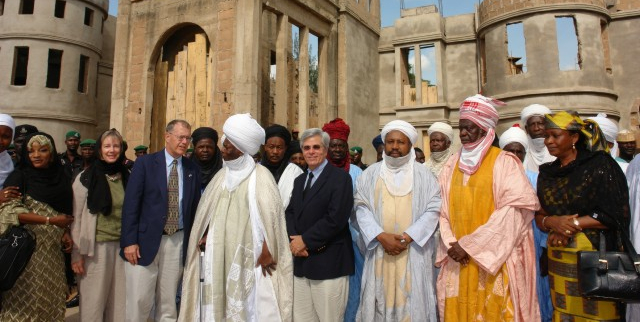
- Active in the National Council of Traditional Rulers of Nigeria, alongside the Sultan of Sokoto and other first-class emirs.
- His voice carries weight on issues of national unity, peace, and cultural preservation.
Cultural Role
- Presides over the Durbar Festival in Yola, celebrated during Eid, where horsemen parade in honor of the Lamido.
- Symbol of unity for Fulani communities across Nigeria and Central Africa.
- Encourages the preservation of Fulfulde language, music, and traditions.
Personal Traits
- Known for his dignity, humility, and diplomacy.
- Balances the discipline of a modern administrator with the wisdom of a traditional ruler.
- Seen as a fatherly figure for the people of Adamawa and beyond.
Legacy and Significance (So Far)
- The first Lamido to succeed a father who reigned for nearly six decades, ensuring continuity and stability.
- Embodies the resilience of the Adamawa Emirate, a historic outpost of the Sokoto Caliphate.
- A monarch respected for his ability to blend modern governance with traditional authority.
Conclusion
Alhaji Muhammadu Barkindo Aliyu Mustafa, the 12th Lamido of Adamawa, is more than a monarch — he is a custodian of the Fombina legacy, a mediator in times of conflict, and a promoter of education and peace. His reign continues to strengthen Adamawa’s role as both a cultural heartland and a beacon of resilience in northeastern Nigeria.










Related Posts


Stay Informed With the Latest & Most Important News
Previous Post
Next Post
Advertisement

Donations







Loading Next Post...


