
Now Reading: Step-by-Step Guide to Receiving Money from Family Abroad (Remittances)
1
-
01
Step-by-Step Guide to Receiving Money from Family Abroad (Remittances)
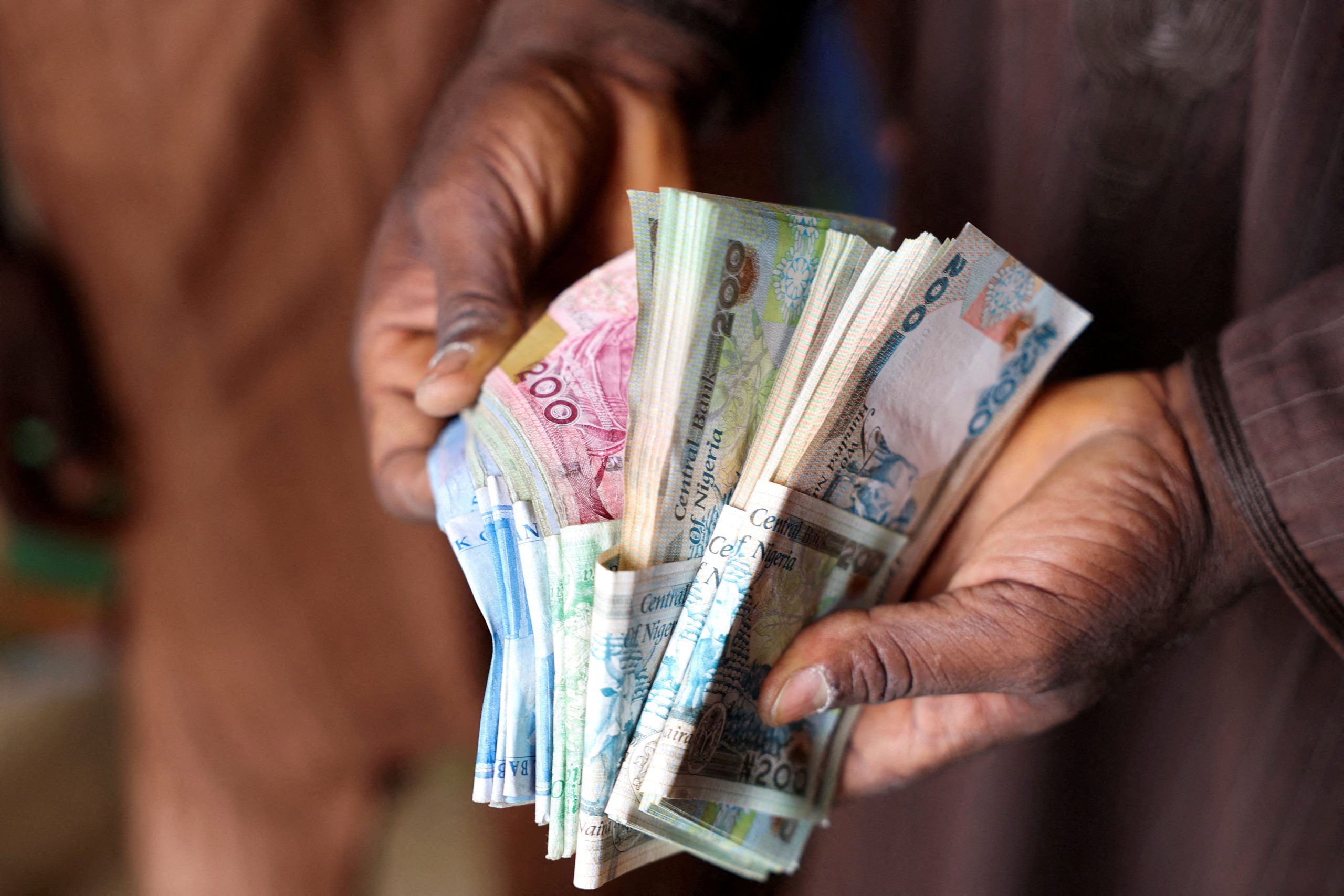
Step-by-Step Guide to Receiving Money from Family Abroad (Remittances)


If you have family or friends abroad who send you money, there are many secure ways to receive it in Nigeria. This guide explains the different options and the steps to follow so you can get your funds safely and quickly.
📌 Step 1: Choose a Remittance Method
1. Bank Transfers (SWIFT)
- Your relative can transfer directly into your domiciliary account in USD, GBP, or EUR.
- Requires your bank name, account number, SWIFT/BIC code, and account name.
2. Money Transfer Operators (MTOs)
- Western Union, MoneyGram, Ria, WorldRemit are popular.
- Cash can be picked up in naira or foreign currency at Nigerian banks.
3. Fintech Apps & Wallets
- Chipper Cash, Send by Flutterwave, Grey, Payoneer allow direct transfers into naira or USD wallets.
- Often faster and cheaper than banks.
4. Mobile Money & Digital Banks
- Apps like Opay, PalmPay, Kuda sometimes integrate international remittance services.
📌 Step 2: Provide Sender with Your Details
- For Bank Transfers: Your domiciliary account details + SWIFT code.
- For Western Union/MoneyGram: Your full name as it appears on your ID.
- For Fintech Apps: Your app username, virtual account number, or email.
📌 Step 3: Confirm Payment Channel and Fees
- Ask the sender about transfer fees and exchange rates.
- Compare platforms: fintechs often have better exchange rates than traditional banks.
- Decide if you want the money in naira or foreign currency.
📌 Step 4: Go to the Collection Point (If Applicable)
- For cash pickups (Western Union, MoneyGram, Ria):
- Visit the partner bank branch (First Bank, UBA, Access Bank, etc.).
- Present your ID (NIN, Passport, Voter’s Card, or Driver’s License).
- Provide the tracking number (MTCN/Reference Code) sent by your relative.
📌 Step 5: Confirm Receipt of Funds
- For bank or fintech transfers, check your account balance or wallet.
- For cash pickup, count the money before leaving the counter.
📌 Step 6: Withdraw or Convert Funds
- If received in a domiciliary account, you can withdraw in USD/EUR/GBP and exchange at banks or Bureau de Change.
- For fintech and mobile wallets, you can convert to naira instantly and transfer to your bank.
✅ Final Tips
- Only use official channels — avoid black-market or unlicensed operators.
- Keep receipts and confirmation codes in case of disputes.
- For frequent remittances, open a domiciliary account for easier transactions.
- Check CBN policies regularly, as rules on remittances and forex may change.










Related Posts



Stay Informed With the Latest & Most Important News
Previous Post
Next Post


Advertisement

Donations








Loading Next Post...


