Now Reading: “No Victor, No Vanquished”: Gowon’s Reconciliation Policy (1970)
-
01
“No Victor, No Vanquished”: Gowon’s Reconciliation Policy (1970)
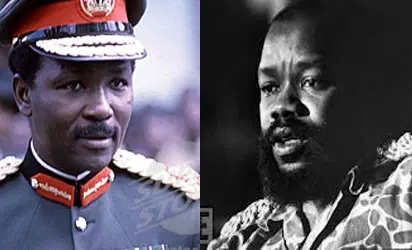

(Part of the Nigeria234.com Civil War Series (1966–1970))
📝 Introduction
On January 13, 1970, the Nigerian Civil War came to an end. After 30 months of devastating conflict, General Philip Effiong surrendered Biafra to the Federal Government.
In Lagos, Head of State General Yakubu Gowon addressed the nation. His words — “No victor, no vanquished” — became the defining phrase of Nigeria’s postwar reconciliation. But how successful was this policy in healing the wounds of war?
🎙️ Gowon’s Famous Speech
In his broadcast, Gowon declared:
“We have overcome a tragic chapter. We are all brothers once again. There is no victor, no vanquished.”
He promised policies of Rehabilitation, Reconstruction, and Reconciliation (the “3Rs”), signaling a future of unity instead of revenge.
📜 The 3Rs Policy
1. Rehabilitation
- Care for displaced persons, war widows, and orphans.
- Reintegrating ex-Biafran soldiers and civil servants.
2. Reconstruction
- Rebuilding destroyed infrastructure in the East — roads, schools, hospitals.
- Reopening markets and restoring trade routes.
3. Reconciliation
- Pardon for most former rebels.
- Appeal to Nigerians to forget the past and rebuild the nation together.
- Launch of the National Youth Service Corps (NYSC) in 1973 to promote unity among young Nigerians.
⚡ Challenges and Criticisms
Despite Gowon’s noble words, the reality was more complicated:
- Economic Losses: Easterners were limited to 20 pounds compensation for bank savings, no matter how much they had before the war. This impoverished many Igbo families.
- Property Seizures: Abandoned properties in cities like Port Harcourt were confiscated and never returned to their owners.
- Slow Reconstruction: War-torn Eastern Nigeria lagged behind in development for decades.
- Lingering Distrust: Ethnic mistrust, especially between Igbo and Northern Nigeria, persisted despite official rhetoric.
🌍 Historical Significance
- The phrase “No victor, no vanquished” remains one of the most famous in Nigerian history.
- It prevented widespread reprisals and helped Nigeria avoid further fragmentation.
- However, the failure to fully implement reconciliation left lasting wounds.
- The Civil War’s unresolved legacies still echo in movements calling for justice, equity, and even renewed separatism.
💬 Reflection
“Gowon’s declaration closed the war, but it did not close the wounds. Reconciliation is more than words — it is justice lived out in policy.”
🌟 Conclusion
General Gowon’s “No victor, no vanquished” policy was a bold step towards national unity after a brutal war. It prevented cycles of revenge and gave Nigeria a chance to move forward. Yet, without full economic justice and social healing, reconciliation remained incomplete.
The phrase still challenges Nigerians today: true unity requires more than survival — it requires fairness, equality, and trust.










Related Posts
Stay Informed With the Latest & Most Important News
Previous Post
Next Post

Advertisement