Now Reading: Niyi Osundare: Nigeria’s People’s Poet
-
01
Niyi Osundare: Nigeria’s People’s Poet
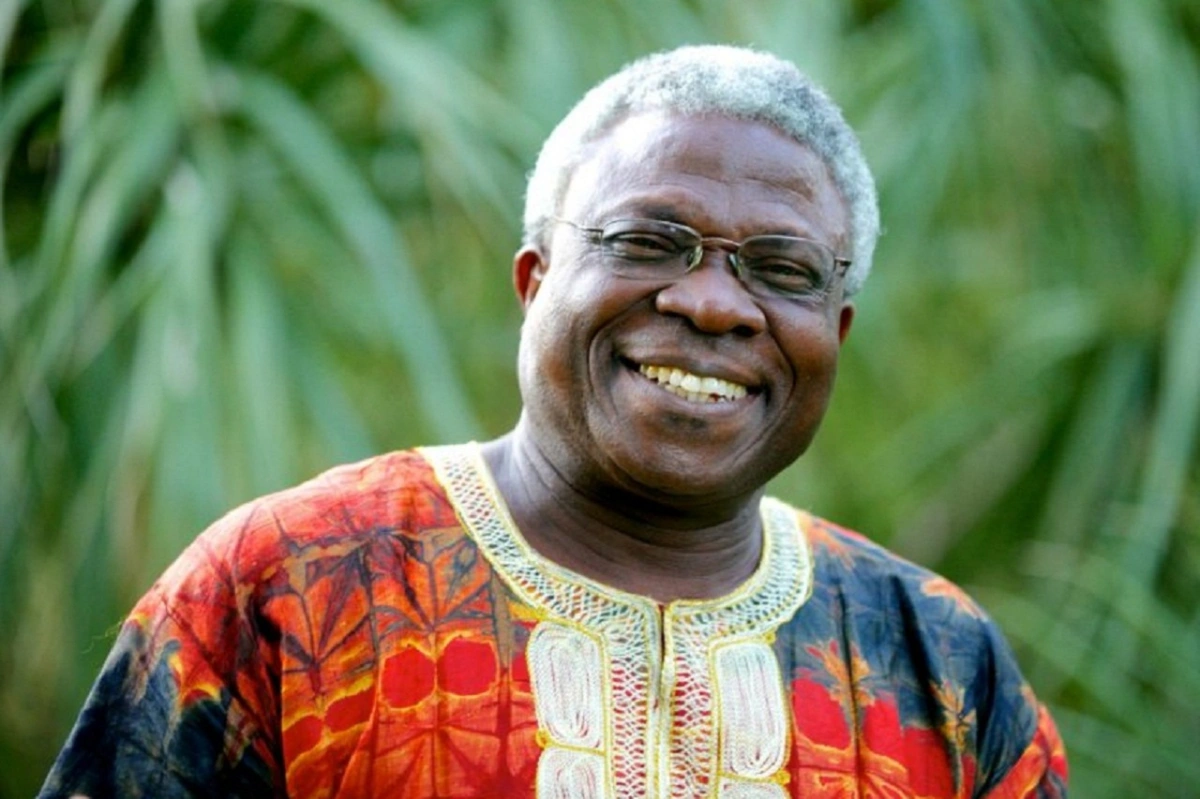

Early Life and Background
Niyi Osundare was born on 12 March 1947 in Ikere-Ekiti, Ekiti State, Nigeria, into a humble farming family. Growing up in rural Ekiti, he was immersed in Yoruba oral traditions — folktales, proverbs, and songs — which later became hallmarks of his poetry.
He studied English at the University of Ibadan, earned an M.A. in English Literature from the University of Leeds (UK), and a Ph.D. in English from York University, Canada.
Academic and Professional Career
Osundare taught at the University of Ibadan for many years, where he became a leading voice in African literature and a mentor to young writers. Later, he moved to the U.S., where he is now Distinguished Professor of English at the University of New Orleans.
Literary Career
Poetry
Osundare is one of Africa’s most prolific poets, publishing more than a dozen collections. His works are deeply rooted in oral performance and often accompanied by drums, music, and chanting.
He emerged in the 1970s–1980s as part of the post-independence generation of Nigerian writers who used literature as a weapon against corruption, dictatorship, and social injustice.
Themes
- Social justice and political critique (against military dictatorship, poverty, corruption).
- Celebration of nature and environment.
- Accessibility: poetry written in simple, musical language for ordinary people, not just elites.
- Fusion of Yoruba oral traditions with modern free verse.
Because of his focus on ordinary people, he is often called “the people’s poet.”
Major Works
Poetry Collections
- Songs of the Marketplace (1983): His debut, bringing poetry to ordinary Nigerians.
- Village Voices (1984): Emphasis on oral tradition.
- The Eye of the Earth (1986): Ecological and environmental themes; won the Commonwealth Poetry Prize.
- Moonsongs (1988): Experimental long poem, blending chants and performance.
- Waiting Laughters (1990): Won the Noma Award for Publishing in Africa.
- Midlife (1993): Reflections on aging and change.
- The Word is an Egg (2000): Proverbial wisdom and creativity of language.
- Tender Moments (2006): Love poems.
- Green: Sighs of Our Ailing Planet (2016): Environmental activism.
Prose and Essays
- A City Without People: The Katrina Poems (2011): Reflections on Hurricane Katrina and displacement.
- Essays and columns for Nigerian newspapers, combining poetry with political commentary.
Awards and Recognition
- Commonwealth Poetry Prize (1986) – The Eye of the Earth.
- Noma Award for Publishing in Africa (1991) – Waiting Laughters.
- Fonlon-Nichols Award (1998) – for excellence in African literature and commitment to human rights.
- Nigeria National Order of Merit (NNOM, 2014) – Nigeria’s highest academic honor.
- Tchicaya U Tam’si Prize for African Poetry (2014).
Personal Life and Legacy
Osundare survived Hurricane Katrina (2005) in New Orleans, an experience that shaped some of his later poetry on exile, survival, and humanity.
He continues to be active as a poet, essayist, performer, and public intellectual, writing columns in Nigerian newspapers and speaking against corruption and injustice.
Conclusion
Niyi Osundare is a poet of the people, nature, and justice. With collections like Songs of the Marketplace and The Eye of the Earth, he gave voice to ordinary Nigerians while also raising global environmental concerns. Blending Yoruba oral tradition with modern form, he has become one of Africa’s greatest living poets and a conscience of the nation.










Related Posts

Stay Informed With the Latest & Most Important News
Previous Post
Next Post

Advertisement