Now Reading: The City of Kaduna: A Comprehensive Profile of Nigeria’s Northern Nerve Center
-
01
The City of Kaduna: A Comprehensive Profile of Nigeria’s Northern Nerve Center
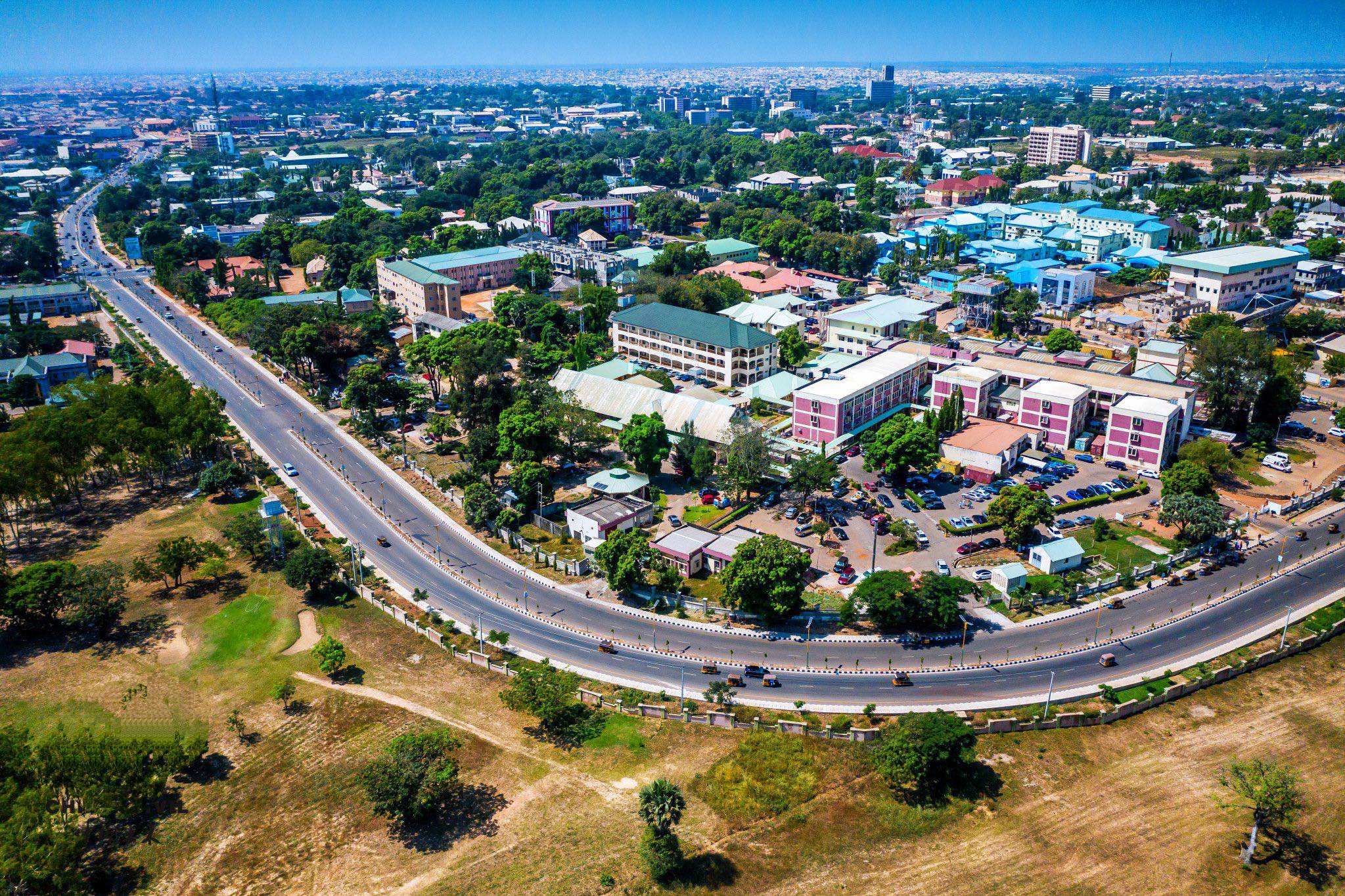
The City of Kaduna: A Comprehensive Profile of Nigeria’s Northern Nerve Center


The city of Kaduna, a major urban and commercial hub in north-central Nigeria, represents a microcosm of the nation’s complex historical, political, and socio-economic landscape. Established as a colonial administrative center, its strategic location and planned development have cemented its role as the de facto political and economic capital of the North. The city’s demography is characterized by a rich tapestry of ethnic and religious diversity, which has, at times, been a source of profound conflict and, consequently, has contributed to a notable pattern of urban segregation. Economically, Kaduna is a resilient and diversified center, with a strong foundation in agriculture and a burgeoning industrial sector that includes Nigeria’s largest textile manufacturing hub and key national assets like an oil refinery.
The city is undergoing a period of significant infrastructural transformation through the Kaduna State Urban Renewal Programme, which includes extensive road and rail projects, as well as the pioneering Kaduna Green Economic Zone. These initiatives are not merely developmental but are strategically designed to address underlying socio-economic challenges, particularly by stimulating growth and creating job opportunities. Despite these forward-looking efforts, Kaduna faces persistent and severe security challenges, including ethno-religious violence and a rise in armed banditry and mass kidnappings. The ongoing security crisis has had a dire impact on human security and public trust, creating a critical need for governance strategies that address the root causes of insecurity rather than just its symptoms. This report provides a detailed analysis of these interconnected dynamics, offering a holistic perspective on Kaduna’s past, present, and future trajectory.
1. Historical Foundations and Geographic Significance
1.1 The Genesis of a Colonial Capital: From Lugard’s Vision to a Regional Hub
The modern city of Kaduna is a deliberate creation of British colonial administration, founded with a strategic purpose that continues to shape its identity today. In 1913, Sir Frederick Lugard, the first British governor of Northern Nigeria, selected the site along the Lagos-Kano Railway for the development of a new town. This selection was not arbitrary; it was a calculated move to avoid the political friction and local resistance that the British had encountered in established, indigenous cities like Lagos and Calabar. Kaduna, at the time, was an “almost virgin territory” with only small, scattered settlements of the indigenous Gbagyi population, a characteristic that satisfied the British criterion for a location where they could establish a new administrative center free from pre-existing power structures and cultural influences.
The city’s development was rapid and decisive. In 1917, it replaced Zungeru, located approximately 160 kilometers to the west-southwest, as the capital of the Northern Provinces. This status was further elevated in 1954 when it became the capital of the vast Northern Region, a position it held until 1967. Lugard’s ambition for Kaduna extended even further; he planned for it to serve as the dual capital of both the Northern Protectorate and, following the 1914 amalgamation, the entire country of Nigeria. Although the latter plan was never realized—primarily because the Colonial Office considered it too far inland for effective communication—Kaduna’s history is said to mirror that of the North and Nigeria as a whole. Its enduring importance as the political and symbolic nerve center of the North is a direct legacy of this foundational role.
The city’s administrative evolution continued in the post-colonial era. In 1956, a law was passed to excise the Kaduna “township” from the Zaria Native Authority, granting it a separate local government and upgrading it to a first-class town. In 1967, the Northern Region was restructured into six new states, and Kaduna was designated as the capital of the North-Central State. The state was formally renamed Kaduna State in 1976, and its size was later reduced in 1987 with the creation of Katsina State from its northern half. The Lugard Hall Complex, a prominent landmark, stands as a testament to this history, having served as the regional House of Assembly and House of Chiefs during the First Republic and now functioning as the Kaduna State House of Assembly.
Table 1: Historical Timeline of Kaduna’s Development and Administrative Changes
| Year | Event | Significance |
| 1912 | Sir Frederick Lugard selects the site for Kaduna. | A deliberate choice for a new colonial capital, reflecting a desire to avoid pre-existing local power dynamics. |
| 1913 | Building of the town begins. | Marks the official start of Kaduna’s planned development as a British administrative hub. |
| 1917 | Kaduna replaces Zungeru as the capital of the Northern Provinces. | Establishes Kaduna’s formal role as the administrative center of the North. |
| 1954 | Kaduna serves as the capital of the Northern Region. | Reinforces its status as the primary political and economic center for the entire northern part of Nigeria. |
| 1956 | The Kaduna Capital Territory Law is passed. | Excises the city from the Zaria Native Authority, granting it its own governance structure as a first-class town. |
| 1967 | The Northern Region is divided into six states; Kaduna becomes the capital of North-Central State. | A pivotal moment in the administrative restructuring of Nigeria, positioning Kaduna as a regional capital within a federal system. |
| 1976 | North-Central State is renamed Kaduna State. | Finalizes the name of the state, which remains to this day. |
| 1987 | Katsina State is created from the northern half of Kaduna State. | A significant administrative change that reduced Kaduna’s geographical and political size. |
Export to Sheets
1.2 The Etymology of “Kaduna” and its Riverine Identity
The name “Kaduna” itself is deeply rooted in the local geography and language. The city is situated along the Kaduna River, a major tributary of the Niger River. The most widely accepted etymology suggests that the name is a corruption of the Hausa plural for crocodiles,
kadduna, as the river was historically teeming with these reptiles. This origin story links the city’s identity directly to its primary geographical feature. A less-common account connects the name to the Gbagyi word ‘Odna’ for the same river, acknowledging the area’s indigenous heritage. The river, which rises on the Jos Plateau, is notable for its seasonal navigability for light craft, and its scenic banks have cultural and recreational importance.
1.3 Geographical Context and its Strategic Importance
Kaduna’s physical location is central to its strategic role. Positioned in north-central Nigeria, it shares borders with several key states, including Zamfara, Katsina, Kano, and Niger, as well as the Federal Capital Territory, Abuja. This central position has long made it a critical transportation and commercial nexus, effectively serving as the “gateway to northern states”. The city’s geography, characterized by savanna woodlands, has also supported a rich agricultural base and a diverse landscape that includes hills, plateaus, and riverine plains.
2. Demographic and Socio-Cultural Profile
2.1 Population Dynamics and Urbanization Trends
Kaduna is one of Africa’s most rapidly expanding urban centers. The city’s population, which stood at 760,084 according to the 2006 Nigerian census, is estimated to have grown to 1.1 million by 2023. By 2025, the metro area population is projected to reach 1,260,000, with a growth rate of 3.19%. This demographic expansion is a major force shaping the city, driving both economic opportunity and social complexity. The influx of people, particularly from rural areas in search of employment and industrial activities, has created a large labor pool that fuels economic growth. However, this rapid urbanization also places immense pressure on infrastructure and resources, creating competition for scarce resources that can exacerbate underlying social frictions.
2.2 A Cosmopolitan “Melting Pot”: Ethnicity and Religious Diversity
Since its founding, Kaduna has been intentionally developed as a cosmopolitan city that attracts people from diverse ethnic and religious backgrounds. The city’s demography reflects this, with a complex blend of populations. While the broader Northern region of Nigeria is predominantly Muslim, Kaduna has a significant Christian population, with some estimates suggesting they constitute close to half of the city’s inhabitants. The northern part of Kaduna State is primarily home to Hausa and Fulani ethnic groups who are almost all Muslim, while the south is inhabited by over 30 other ethnic groups, a considerable number of whom are Christian. This unique demographic mix distinguishes Kaduna from other northern states and makes it a focal point for the wider religious and political tensions that characterize Nigeria.
2.3 The Contours of a Segregated City: A Legacy of Ethno-Religious Conflict
Despite its status as a diverse and cosmopolitan city, Kaduna’s socio-cultural fabric is marked by a legacy of recurring ethno-religious conflicts. These outbreaks of violence, which have plagued the city for decades, are rooted in deeper political and economic rivalries but often take on the “complexion” of religious and ethnic differences. Notable instances of violence include the 1992 Zangon-Kataf crisis, which was initially sparked by a market dispute but escalated into religious clashes, and the major violence in 2000, which stemmed from protests over the proposed introduction of Sharia law. The 2002 Miss World riots, while described by a journalist as a “child’s play” compared to the scale of the 2000 events, further cemented the city’s reputation for sectarian unrest.
The cumulative effect of these conflicts has been the profound physical segregation of the city. Following the 2000 violence, residents began moving to areas dominated by their own faith in a measure of self-preservation. By 2002, some parts of Kaduna were being described as “100 per cent Christian” or “100 per cent Muslim”. This self-segregation, a “survival tactic” born of a lack of institutional trust and a feeling of insecurity, has had severe repercussions on the city’s social and economic development. The city has become factionalized, with residents feeling that their security is not guaranteed in certain areas, thereby reinforcing the divides and affecting urban cohesion. The historical events demonstrate how unresolved grievances and a lack of effective conflict resolution frameworks have transformed a city’s social fabric, creating a pattern of fractured co-existence.
Table 2: Kaduna City and State Demographic and Economic Indicators
| Indicator | Data Point | Source(s) |
| State Population | 9.48 million | |
| 2025 Metro Population | 1,260,000 (3.19% growth) | |
| Contribution to National GDP | 3.3% (2002-2008) | |
| Agricultural Contribution to SGDP | 30% | |
| Key Export Crops | Cotton, peanuts (groundnuts) | |
| Other Cash Crops | Shea nuts, ginger, peppers, sugarcane, soybeans, tobacco | |
| Staple Foods | Sorghum, millet |
2.4 Cultural Institutions and Heritage
Kaduna is widely known as the “Centre of Learning” , a nickname that reflects its dense concentration of educational and research institutions. The city is home to prestigious establishments like Kaduna Polytechnic (1968), the Nigerian Defense Academy (1964), Kaduna State University (2004), and Ahmadu Bello University (ABU) in Zaria. These institutions attract students and researchers from across Nigeria and beyond, contributing to the city’s intellectual vitality.
Beyond education, Kaduna boasts a rich cultural landscape. The National Museum and the Kaduna National Museum house extensive collections of ethnographic and archaeological artifacts, including items from the ancient Nok civilization, which prospered from c. 1500 BC to c. 500 AD. The Arewa House, once the home of Premier Ahmadu Bello, serves as a significant research hub and historical archive for Northern Nigeria. The city’s landmarks also include the Ahmadu Bello Stadium, Kaduna Golf Club, and the historically and architecturally significant Emir of Zazzau Palace in Zaria. Kaduna also hosts cultural events such as the Kaduna Book and Arts Festival (KABAFEST), the first annual book festival in Northern Nigeria, which aims to promote literacy, celebrate creatives, and foster dialogue in the region.
3. Economic Structure and Industrial Development
3.1 Overview of Kaduna’s Economic Role
As a foundational city of the North, Kaduna has long been a key player in the Nigerian economy. Since the late 1950s, it has developed into a major industrial, commercial, and financial center for the northern states. The state’s economic significance is underscored by its ranking as the 15th largest state economy in Nigeria from 2002 to 2008, contributing 3.3% to the country’s GDP. It is a vital trade center with a branch of the Nigerian Stock Exchange and serves as a major collecting point for raw materials like cotton, peanuts, and hides.
3.2 Industrial and Manufacturing Landscape
Kaduna’s industrial base is diversified, with most major industries clustered to the south of the Kaduna River, near the primary railway junction. The city is renowned as Nigeria’s largest textile-manufacturing center, though this industry has recently been in decline. The manufacturing sector also includes a wide array of other industries, ranging from light manufactures such as leather goods, plastics, pharmaceuticals, and televisions, to heavy industries producing steel, aluminum, cement, and electrical motors. The city is also a strategic hub for Nigeria’s oil and gas sector, housing an oil refinery and a petrochemicals plant, both supplied by an oil pipeline from the Niger Delta. Additionally, Kaduna is home to an automobile assembly factory, a testament to its role in the nation’s industrial development.
3.3 The Agricultural Heartland of Northern Nigeria
Agriculture forms the bedrock of Kaduna’s economy, contributing 30% of the state’s gross domestic product. The state produces a variety of crops, with cotton and peanuts (groundnuts) being significant export commodities. Other important cash crops include shea nuts, ginger, and tobacco, particularly around the city of Zaria where a major cigarette factory is located. Sorghum and millet are primary staple foods, and the city serves as a central market for local produce as well as livestock such as cattle, goats, and poultry. The state’s rural population also relies on traditional crafts, with cotton weaving and dyeing retaining considerable economic importance, particularly among the Gbari ethnic group.
3.4 The Kaduna Green Economic Zone (GEZ): A Blueprint for Future Growth
The Kaduna Green Economic Zone (GEZ) is a forward-looking initiative designed to position the state for sustainable, modern economic growth. Licensed in June 2022 as Nigeria’s third free economic zone, the GEZ is located along the Kaduna-Jos highway and operates as a private-public partnership. The project is a strategic response to the state’s multi-faceted challenges, serving as a tool to address not only industrial decline but also underlying socio-economic fragilities. Its core vision is to become a leading manufacturing hub, specializing in textiles, edible oil, and clothing, while also attracting green investments and accelerating climate change initiatives.
The zone offers a highly attractive environment for investors, providing a 24-hour power supply, security, and access to a relatively inexpensive labor pool. It also offers generous incentives, including tax holidays and the free importation of capital goods, machinery, and raw materials. Critically, the GEZ is strategically located near the Kaduna International Airport and the Kaduna-Abuja Railway, enabling multimodal connectivity via air, road, and rail. This strategic project, by focusing on job creation and providing a secure, stable business environment, directly addresses the economic hardship and lack of opportunity that have been identified as root causes of insecurity, thereby functioning as a non-kinetic approach to peacebuilding.
4. Infrastructure, Transportation, and Urban Renewal
4.1 The Backbone of Connectivity: Road, Rail, and Air Networks
Kaduna’s importance as a regional hub is inextricably linked to its robust transportation networks. The city’s central location makes it a crucial junction for road and rail networks that connect the southern and northern parts of Nigeria. Significant progress has been made on major rail projects, with the Kaduna-Kano standard gauge railway, which was 15% complete in May 2023, now reaching 53% completion and expected to be finished in 2026. The Nigerian Railway Corporation has also increased the number of daily train trips on the popular Abuja-Kaduna route from four to six, a move aimed at meeting growing passenger demand and addressing concerns about ticket racketeering. The federal government is also pushing for a national high-speed rail network that would link Lagos, Abuja, Kano, and Port Harcourt, further cementing Kaduna’s role as a major transport artery. Additionally, Kaduna is home to an inland dry port, which facilitates freight movement and logistics for the entire northern region.
4.2 Analysis of the Kaduna State Urban Renewal Programme
The Kaduna State Urban Renewal Programme is a massive, multi-phased initiative focused on transforming the city’s physical infrastructure. The program includes the construction of new roads and bridges, the expansion and maintenance of existing ones, and improvements to the land-use system. The current administration has approved a new phase of projects across all 23 Local Government Areas, which builds on the more than 80 road projects spanning 780 kilometers that were already completed or initiated in the previous two years. The government has also prioritized the completion of numerous abandoned road projects inherited from previous governments.
While these projects are intended to enhance the city’s functionality, improve its “aesthetic outlook,” and serve as an “engine of socio-economic growth” , a critical analysis reveals a more complex reality. The development has been a double-edged sword: while it has created jobs and improved connectivity, it has also led to the loss of livelihoods in the informal sector. Furthermore, a study on the program’s environmental impact found that these urban renewal projects exacerbated air pollution by increasing CO₂ emissions, highlighting a trade-off between rapid modernization and environmental sustainability. This suggests a need for a more people-centered approach that considers the social and environmental costs of development.
Table 4: Key Urban Renewal and Infrastructure Projects
| Project Name | Project Type | Status | Funding/Partnership | Goal/Benefit |
| Kaduna Light Rail | Mass Transit | Planned, under development | N100 billion federal allocation, 2025 budget | Address urban congestion, reduce carbon emissions, create jobs, and enhance mobility for residents. |
| Kaduna Bus Rapid Transit (KBRT) | Mass Transit | Launching soon | N30 billion budget provision, partnership with French Development Agency (AFD) | Modernize public transportation, decongest roads, improve road safety, and create job opportunities. |
| Durum to Kuruntumawa Road | Road Construction | Approved | N3.5 billion earmarked for compensation for all affected property owners | Deepen rural transformation and improve access to critical infrastructure across Makarfi LGA. |
| Romi–Karatudu Township Roads | Road Reconstruction | Approved | N3.5 billion earmarked for compensation for all affected property owners | Facilitate local movement and improve infrastructure within Chikun LGA. |
| PAN Drive to Sabon Tasha Road | Dual Carriageway Completion | Nearing completion | N3.5 billion earmarked for compensation for all affected property owners | Complete an abandoned project to ease traffic and connect major parts of Chikun LGA. |
4.3 High-Impact Projects: Light Rail and Bus Rapid Transit Systems
Among the most ambitious of Kaduna’s infrastructure plans are the proposed light rail and Bus Rapid Transit (BRT) systems. The Kaduna Light Rail project, a centerpiece of the state’s urban mobility agenda, recently received a significant boost with President Bola Tinubu’s announcement of a N100 billion allocation in the 2025 federal budget. This federal backing is a strategic acknowledgement of Kaduna’s importance and transforms the project from a local vision into a nationally-supported initiative. The light rail is envisioned as a catalyst for inclusive growth, promising to reduce urban congestion, cut commuting times, and unlock new economic corridors, thereby improving the quality of life for millions of residents.
Similarly, the Kaduna Bus Rapid Transit (KBRT) project is set to begin operations with a N30 billion budgetary provision, in partnership with the French Development Agency (AFD). The KBRT will introduce a 24-kilometer dedicated transit corridor to decongest city roads and provide safer, more reliable transportation. The government has already demonstrated its commitment to improving public transport by launching a free Compressed Natural Gas (CNG) bus service for workers, students, and security personnel, with a plan to introduce a 60% fare subsidy for the general public after a six-month period.
5. A Critical Analysis of Security and Governance
5.1 The Escalation of Insecurity: An Examination of Fatalities and Incidents
Kaduna State has faced an enduring and escalating security crisis that has had a devastating impact on its citizens. Data from the Armed Conflict Location and Event Data (ACLED) reveals a troubling trend of violence. Under former Governor Nasir El-Rufai’s eight-year tenure (2015-2023), the state recorded a total of 1,660 insecurity incidents, leading to the deaths of 4,876 people. The crisis reached its peak in 2021, with 1,225 fatalities and 480 incidents—the highest numbers in decades. A notable observation is that the violence was significantly more pronounced in his second term, with 3,444 reported deaths, more than double the 1,432 fatalities recorded in his first four years.
The current administration under Governor Uba Sani has a complex security record. While the governor has publicly stated that there have been no major religious or community crises in the last 20 months , and data shows a slight decline in fatalities in 2023 and 2024 , the crisis continues to persist. The number of incidents and deaths during Sani’s first year (259 incidents and 546 deaths in 2023) exceeded those recorded in El-Rufai’s first two years. The continued occurrence of bandit attacks and kidnappings—such as the abduction of a naval officer and his family in Kachia LGA in August 2025 and the killing of five people in Giwa LGA—highlights a critical disconnect between the official narrative of improvement and the ongoing human security challenges faced by residents. The problem of insecurity is far from resolved, and a persistent threat continues to loom over the state.
Table 3: Insecurity Trends in Kaduna State (2015-2025): Incidents and Fatalities by Gubernatorial Administration
| Year | Governor | Insecurity Incidents | Fatalities |
| 2015 | Nasir El-Rufai | 24 | 356 |
| 2016 | Nasir El-Rufai | 28 | 200 |
| 2017 | Nasir El-Rufai | 95 | 285 |
| 2018 | Nasir El-Rufai | 208 | 511 |
| 2019 | Nasir El-Rufai | 285 | 800 |
| 2020 | Nasir El-Rufai | 425 | 1,023 |
| 2021 | Nasir El-Rufai | 480 | 1,225 |
| 2022 | Nasir El-Rufai | 419 | 1,074 |
| 2023 | Uba Sani | 259 | 546 |
| 2024 | Uba Sani | 397 | 816 |
Export to Sheets
5.2 A Spectrum of Violence: Banditry, Kidnapping, and Ethno-Religious Tensions
The security challenges in Kaduna are multi-faceted, encompassing both deeply rooted ethno-religious tensions and a more recent surge in criminal activities like armed banditry and kidnapping. The latter has become a significant threat to human security, with attacks on schools, churches, and highways, including the mass abduction of passengers. These acts are often driven by economic motives, a factor that differentiates them from the ideological underpinnings of groups like Boko Haram. The perpetrators, who have displayed increasingly sophisticated capabilities, often operate from the state’s thick forests, particularly the Kamuku forest reserve, and have a history of reneging on peace deals. The recurring violence has fractured social cohesion and eroded public trust in state institutions, as evidenced by a general feeling among residents that their security is not guaranteed.
5.3 Government Responses and the “Kaduna Peace Model”
In response to the volatile security landscape, Governor Uba Sani’s administration has introduced a “multidimensional ‘Kaduna Peace Model'”. This strategy, which has been presented as a framework for other states to emulate, combines traditional kinetic security measures with non-kinetic approaches. The government has recruited 7,000 additional vigilance personnel, distributed 150 Hilux vehicles and 500 patrol motorcycles, and launched military operations against militia camps. Concurrently, the administration has emphasized dialogue and community engagement, working with traditional and religious leaders to address conflicts. Governor Sani has publicly denied paying ransoms to bandits, stating that his administration’s focus is on supporting victims with housing and other forms of aid. The government acknowledges that military force alone cannot solve the problem, and that insecurity is fundamentally rooted in underlying socio-economic issues such as poverty, inequality, and a lack of opportunities for young people. The effectiveness of this model is fundamentally contingent upon its ability to address these deeper governance and developmental failures.
6. Health, Education, and Research Institutions
6.1 The “Centre of Learning”: A Hub for Higher Education
Kaduna State’s reputation as a “Centre of Learning” is built on its wide range of educational institutions, from primary schools to prestigious military and civil universities. The city is a major educational hub, hosting institutions such as the Nigerian Defense Academy (NDA), Kaduna State University (KASU), and Ahmadu Bello University (ABU) in the nearby city of Zaria. These institutions are critical for human capital development and attract a diverse student body, but they are not immune to the state’s security challenges. The state government has adopted a new policy on safety and security to ensure that learners have a safe and secure learning environment, a vital step given the recent attacks on schools and the prevalence of mass kidnappings.
6.2 Healthcare Infrastructure and Collaborative Initiatives
The city’s healthcare sector is well-developed, with facilities ranging from primary healthcare centers to the tertiary Barau Dikko Teaching Hospital. The state government is actively collaborating with development partners to enhance healthcare outcomes, with a focus on revitalizing and equipping primary healthcare facilities, recruiting healthcare workers, and expanding the state’s contributory health scheme.
A notable example of an innovative health initiative is the Zipline drone vaccine delivery program. Between August 2022 and March 2023, the program successfully delivered over 225,000 vaccines, including COVID-19 doses, bypassing the traditional bottlenecks of poor infrastructure and geographical barriers. However, the program’s operations are currently on hold following a change in political leadership, which underscores a critical vulnerability: even the most impactful, innovative solutions can be stalled without sustained political will and institutional continuity.
7. Strategic Outlook and Recommendations
The analysis of Kaduna reveals a city of profound complexity, where its enduring strategic importance and economic resilience are constantly tested by deeply entrenched socio-political and security challenges. The city’s history as a colonial invention, its rapid urbanization, and its unique demographic composition have created a powerful confluence of forces that drive both development and conflict.
The Kaduna State government’s ambitious urban renewal and economic development projects, such as the Kaduna Green Economic Zone and the Light Rail project, represent vital and commendable efforts to transform the city. By leveraging public-private partnerships and securing federal support, the state is making a decisive move to modernize its infrastructure and attract foreign direct investment. However, these initiatives must be executed with a nuanced understanding of their potential unintended consequences, such as the loss of informal sector livelihoods and increased environmental strain. The long-term success of these projects depends not just on their completion but on their ability to create inclusive growth that benefits all segments of the population.
The persistent security crisis is not an isolated problem but a symptom of a weak social contract and systemic developmental failures. The government’s new “peace model,” which emphasizes a non-kinetic approach and addresses the root causes of insecurity, is a positive step. However, its effectiveness will be limited unless it is accompanied by tangible progress in strengthening state institutions, ensuring social justice, and providing sustainable economic opportunities for the populace.
For Kaduna to achieve a truly resilient and prosperous future, a holistic and integrated strategy is necessary. This requires moving beyond a reactive security posture to a proactive governance model that prioritizes institutional reform, invests in equitable development, and fosters a renewed social contract based on trust and accountability. The city’s status as the “Centre of Learning” and its diversified economy provide a strong foundation upon which to build this future, but success will hinge on the political will to confront and resolve the complex interplay of challenges that have defined its modern history.










Related Posts


Stay Informed With the Latest & Most Important News
Previous Post
Next Post

Advertisement