
Now Reading: Shehu Shagari
1
-
01
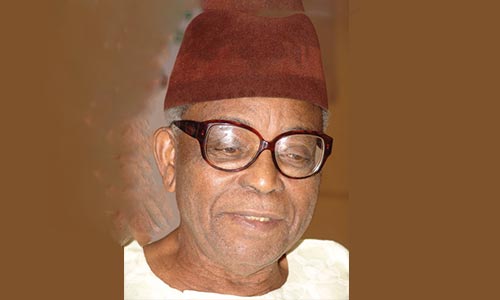
Shehu Shagari
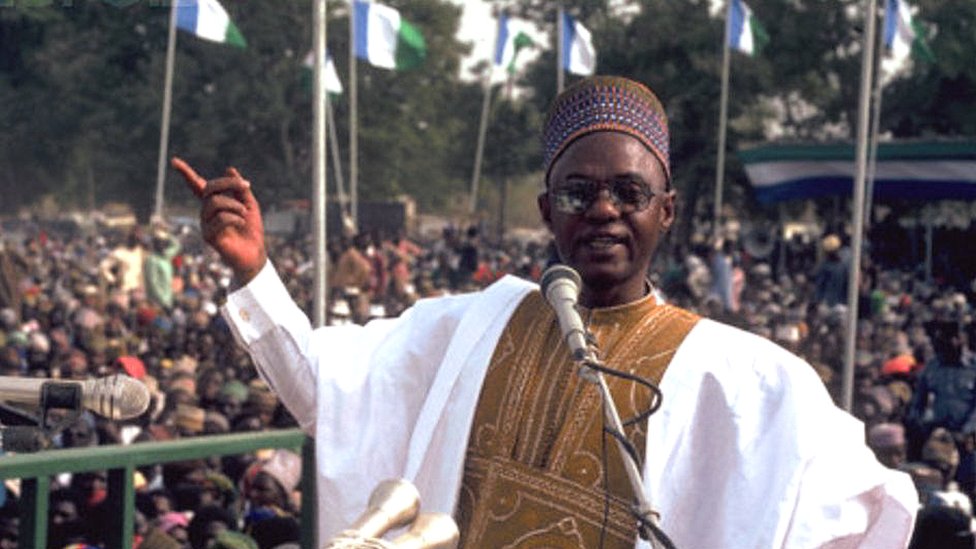

📍 Quick Facts
- Full Name: Shehu Usman Aliyu Shagari
- Date of Birth: February 25, 1925
- Place of Birth: Shagari, Sokoto State, Nigeria
- Died: December 28, 2018 (Abuja, Nigeria)
- Profession: Teacher, Politician
- Known For: Nigeria’s first executive President (1979–1983)
🌱 Early Life & Education
- Born in a small town called Shagari village (now in Sokoto State).
- Came from a humble, devout Fulani Muslim family.
- Attended Yabo Elementary School and Sokoto Middle School.
- Studied at Teacher Training College, Katsina and began his career as a school teacher.
🎓 Political Journey
- Entered politics in 1951 as a member of the Northern People’s Congress (NPC).
- Held various ministerial posts in Nigeria’s First Republic, including:
- Minister of Commerce and Industries (1960–1962)
- Minister of Economic Development (1962–1965)
- Minister of Finance (1971–1975 under Yakubu Gowon’s regime)
👑 Presidency (1979–1983)
- After years of military rule, Nigeria returned to democracy in 1979.
- Shagari, representing the National Party of Nigeria (NPN), won the presidential election and became the first executive President of Nigeria.
✅ Achievements
- Invested in agriculture, launching the “Green Revolution” to boost food production.
- Oversaw oil revenue growth, funding housing, industries, and infrastructure.
- Promoted Nigeria’s foreign policy of “Africa as the centerpiece”, strengthening ties with African nations.
⚠️ Challenges
- His government faced criticism for corruption and mismanagement.
- Nigeria’s oil boom of the 1970s turned into an economic crisis when global oil prices collapsed.
- Growing unemployment and inflation affected ordinary Nigerians.
⚔️ Military Coup & Removal
- On December 31, 1983, Shagari’s government was overthrown in a military coup led by Major-General Muhammadu Buhari.
- The military accused his government of corruption and electoral malpractice.
- Shagari was placed under house arrest, while many of his ministers were jailed.
🌍 Later Life & Legacy
- After his release, Shagari retired from frontline politics but remained a respected elder statesman.
- Advocated for peaceful democracy and national unity.
- Passed away in 2018 at the age of 93, leaving behind a legacy as a teacher-turned-president.
🏅 Achievements & Recognition
- Nigeria’s first executive civilian President.
- Remembered for his simplicity, humility, and soft-spoken personality.
- Honored with numerous national awards for his service to Nigeria.
💬 Famous Quote
“Democracy is the best system of government, but it must be nurtured with honesty, justice, and fairness.”
✅ Conclusion
Shehu Shagari’s story reflects Nigeria’s struggles with democracy, leadership, and nation-building. From a small village school teacher to the President of Africa’s most populous nation, his journey remains an inspiration, even though his presidency faced turbulence. He is remembered as a gentle leader who believed in democracy, peace, and the unity of Nigeria.










Related Posts

Stay Informed With the Latest & Most Important News
Previous Post
Next Post
Advertisement

Donations





Loading Next Post...


