Now Reading: Skill Acquisition vs. Degrees: Rethinking the Pathway to Success in Nigeria
-
01
Skill Acquisition vs. Degrees: Rethinking the Pathway to Success in Nigeria


For decades, the Nigerian education system has placed a premium on university degrees. Parents, students, and even employers often see a bachelor’s or master’s degree as the ultimate ticket to success. Yet, in recent years, the value of vocational training and skill acquisition has sparked debate, especially in a country where graduate unemployment continues to rise. The question remains: in today’s Nigeria, what matters more—degrees or practical skills?
🎓 The Traditional Route: Degrees and Formal Education
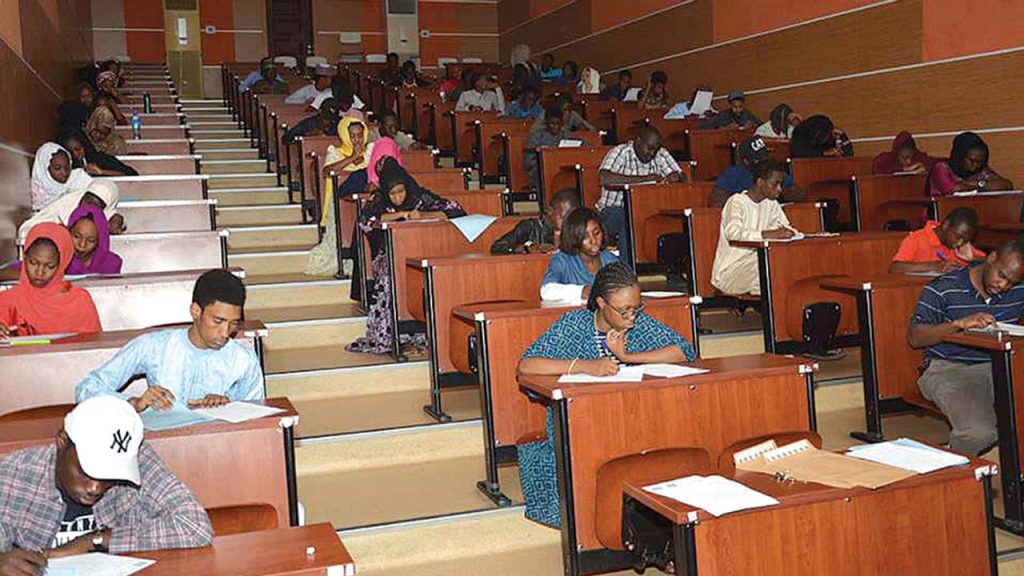
University education has long been considered the “gold standard” in Nigeria. From engineering to law, medicine, and social sciences, degrees are associated with prestige, respect, and social mobility.
Advantages of Degrees in Nigeria:
- Professional Recognition: Certain professions (e.g., medicine, law, engineering) require formal qualifications.
- Networking Opportunities: Universities provide students with social capital through peer and alumni connections.
- Global Competitiveness: Degrees often open doors for scholarships, international opportunities, and postgraduate studies.
Limitations:
- Graduate Unemployment: Thousands of Nigerian graduates struggle to find jobs each year.
- Theory Over Practice: Many institutions focus heavily on theory with little emphasis on real-world application.
- Mismatch with Market Needs: Employers increasingly complain about graduates lacking practical skills.
🛠️ The Alternative Route: Skill Acquisition and Vocational Training
Vocational training focuses on equipping individuals with hands-on, marketable skills. From fashion design, catering, carpentry, and welding to modern skills like coding, digital marketing, and UI/UX design, vocational education addresses Nigeria’s evolving job market.
Advantages of Skill Acquisition:
- Immediate Employability: Skills can be monetized quickly, often without years of study.
- Entrepreneurship Opportunities: Many artisans and digital freelancers become business owners.
- Flexibility: Skills like photography, web design, or hairstyling allow individuals to adapt to market trends.
- Lower Entry Costs: Vocational training is often more affordable than a university degree.
Challenges:
- Perception Issues: Society sometimes stigmatizes vocational paths as “less prestigious.”
- Limited Access: Quality training centers and equipment are not always widely available.
- Scaling Difficulties: Without business knowledge, many skilled individuals struggle to expand beyond self-employment.
📊 The Nigerian Reality: Why Both Matter
In a country with one of the fastest-growing populations in the world, relying solely on degrees is no longer sustainable. Nigeria needs both highly skilled professionals and practical artisans and innovators.
- Hybrid Models: Some youths combine degrees with vocational training (e.g., an engineering student learning coding or a graduate pursuing fashion design).
- Digital Economy: The rise of remote work and the gig economy has blurred the line—skills like data analysis, graphic design, and video editing can be as lucrative as a university degree.
- Government Initiatives: Programs like N-Power, YouWin, and TVET centers aim to strengthen vocational training and bridge gaps.
💡 Pathway to Success: Degrees vs. Skills
The real debate is not about choosing one over the other but about integration. Nigeria must move toward an education model that values both academic learning and practical skill acquisition.
- For Students: Identify your passion and weigh long-term goals. A degree may be essential for some careers, but skills are universally valuable.
- For Parents: Encourage children to explore vocational training alongside formal education.
- For Government & Institutions: Reform curricula to include entrepreneurship, digital skills, and hands-on training.
✅ Conclusion
In Nigeria today, success is no longer defined by degrees alone. Practical skills can elevate individuals out of poverty, while degrees provide structure and recognition in professional fields. The smartest path is not to see them as rivals but as complementary forces—where education provides knowledge and skills create value.
The future belongs to those who can combine both.










Related Posts


Stay Informed With the Latest & Most Important News


Advertisement