Now Reading: Sports as a Tool for Empowerment: How Sports Programs and Academies Are Being Used to Empower Disadvantaged Youths and Promote Social Cohesion in Nigeria
-
01
Sports as a Tool for Empowerment: How Sports Programs and Academies Are Being Used to Empower Disadvantaged Youths and Promote Social Cohesion in Nigeria
Sports as a Tool for Empowerment: How Sports Programs and Academies Are Being Used to Empower Disadvantaged Youths and Promote Social Cohesion in Nigeria

Sports have always been more than just games. Beyond entertainment and competition, they hold immense potential as instruments of empowerment, especially for young people facing poverty, limited opportunities, or social exclusion. In Nigeria—a nation passionate about football, athletics, and a wide range of sports—programs and academies are increasingly leveraging this passion to transform lives, build communities, and promote social cohesion.
⚽ Sports and Youth Development
For many Nigerian youths, sports provide a rare avenue to dream beyond their immediate realities. In neighborhoods where access to quality education, healthcare, or employment opportunities is limited, football pitches and basketball courts become safe spaces for learning discipline, teamwork, and leadership.
- Confidence Building: Young people gain a sense of identity and purpose when they excel in sports.
- Skill Development: Training goes beyond physical fitness; it often includes life skills like communication, goal-setting, and conflict resolution.
- Pathway to Careers: While only a small percentage make it into professional leagues, many find jobs as coaches, trainers, referees, or community sports organizers.
🏟️ The Rise of Sports Academies in Nigeria
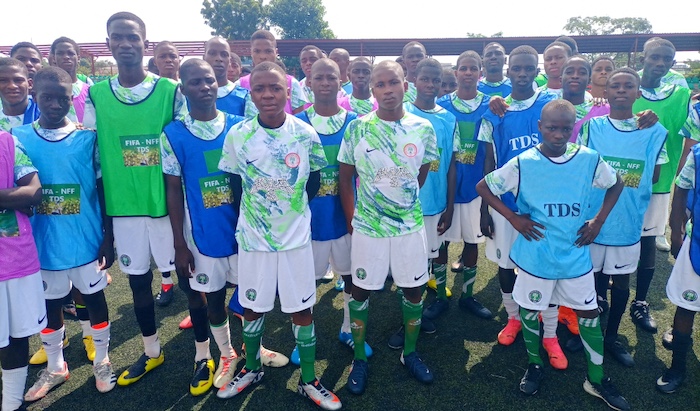
Across Nigeria, sports academies have multiplied in recent years, targeting disadvantaged youths and offering structured opportunities for growth.
- Football Academies: Institutions like Pepsi Football Academy, Kwara Football Academy, and Mikel Obi’s Aspire Academy give thousands of young talents exposure to professional coaching and international scouting opportunities.
- Athletics Programs: Track and field clubs in Lagos, Delta, and Edo States nurture sprinters and marathoners who go on to compete globally.
- Basketball Initiatives: Giants of Africa, founded by Toronto Raptors president Masai Ujiri, runs camps in Nigeria, using basketball as a platform to teach discipline and leadership.
These academies don’t just produce athletes—they produce leaders, role models, and socially responsible citizens.
🤝 Sports and Social Cohesion
In a country as diverse as Nigeria, with over 250 ethnic groups, sports often serve as a unifying language.
- Bridging Divides: Football tournaments and local leagues bring together communities that might otherwise be divided by ethnic, religious, or political tensions.
- Gender Inclusion: Programs promoting women’s football and athletics empower girls, challenging stereotypes and opening doors in male-dominated spaces.
- Peacebuilding: NGOs and community initiatives use sports to address issues like youth restiveness, gang violence, and even post-conflict reconciliation.
🌍 Partnerships and Community Impact
The success of sports as a tool for empowerment often depends on partnerships between government, private sector, NGOs, and international organizations.
- Government Programs: The National Sports Commission supports grassroots initiatives that feed into national talent pipelines.
- Corporate Sponsorship: Companies like Pepsi, MTN, and Nestlé sponsor youth leagues and competitions.
- Nonprofit Initiatives: NGOs use sports to address broader social issues, such as education, health awareness, and drug abuse prevention.
Through these partnerships, sports become a holistic development tool, not just a recreational activity.
🚀 The Road Ahead
While progress has been made, challenges remain: lack of infrastructure, limited funding, and inadequate policy support hinder the full potential of sports as an empowerment tool in Nigeria. However, the passion of Nigerian youths for sports continues to inspire investment and innovation.
If nurtured properly, sports programs and academies could become one of Nigeria’s most powerful engines for youth empowerment and social cohesion—turning today’s disadvantaged young people into tomorrow’s leaders, both on and off the field.
✅ Conclusion:
In Nigeria, sports are not just about goals scored or medals won. They are about giving disadvantaged youths hope, skills, and a pathway to a better future. As more programs and academies emerge, the impact will ripple far beyond stadiums—strengthening communities, promoting unity, and empowering a new generation.










Related Posts

Stay Informed With the Latest & Most Important News
Previous Post
Next Post

Advertisement