Now Reading: The Hausa People of Nigeria: A History of Myth, Trade, and Transformation
-
01
The Hausa People of Nigeria: A History of Myth, Trade, and Transformation
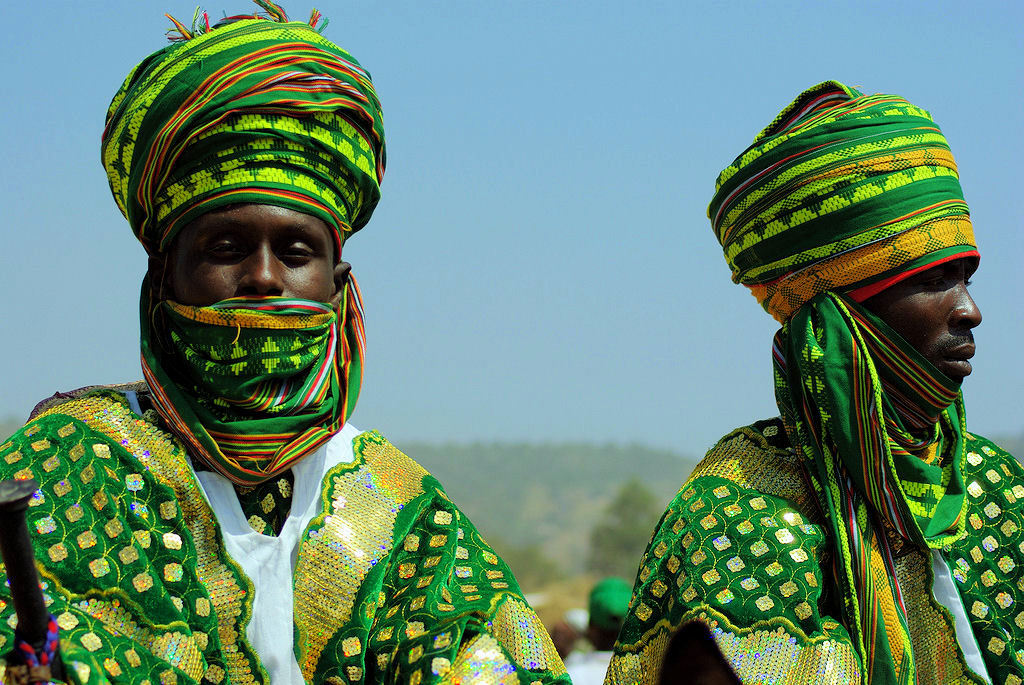

The history of the Hausa people of Nigeria is a compelling narrative of cultural resilience, political transformation, and economic dynamism. This report provides a comprehensive examination of their trajectory, from their mythic origins to their enduring role as a dominant socio-political force in modern Nigeria. The analysis begins with the legendary founding of the Hausa Bakwai, a narrative that serves as both a cultural charter and a historical explanation for the rise of a new political order. The report then explores the pre-Jihad era, highlighting the mutually dependent relationship between the fragmented Hausa city-states, their crucial role in trans-Saharan trade networks, and the gradual, syncretic spread of Islam.
The report identifies the Fulani Jihad of the early 19th century as the single most transformative event in Hausa history. This multifaceted revolution, driven by religious purification, political resentment, and socio-economic discontent, led to the overthrow of the old Hausa dynasties and the establishment of the unified Sokoto Caliphate. This new state cemented a new Hausa-Fulani identity and created a profound intellectual and social legacy that continues to influence the region today. Finally, the report examines the impact of British colonial rule, which, through the policy of indirect rule, entrenched the pre-existing Fulani-led hierarchy and laid the groundwork for the ethnic and political dynamics that define modern Nigeria. The central thesis is that Hausa identity is not static but a fluid, assimilative force, constantly shaped by a complex interplay of internal traditions and external influences, a history of adaptation that continues to be a defining feature of their civilization.
Introduction: A People of History and Influence
The Hausa constitute one of the largest and most influential ethnic groups in West Africa, with a rich history that has profoundly shaped the cultural, political, and economic landscape of the region. Primarily located in northern Nigeria and southern Niger, the Hausa language is spoken by approximately fifty million people and serves as a lingua franca across West Africa. Their history stretches back to around 500 CE, with the emergence of settlements that would eventually evolve into powerful, independent city-states. Their cultural identity, a complex blend of ancient customs and a deeply ingrained Islamic faith, has proven remarkably resilient in the face of political and social upheaval.
The purpose of this report is to provide a comprehensive, expert-level analysis of the history of the Hausa in Nigeria. It will move beyond a simple chronological recounting of events to analyze the deeper forces that have shaped Hausa civilization. The report will delve into the interplay of myth and history, the symbiotic relationship between trade and political power, the transformative role of religion, and the lasting legacy of colonialism. It will demonstrate how the Hausa people have historically assimilated diverse populations into their culture, a process that has allowed their identity to expand and endure. This historical assimilation is evidenced by the foundational legend of a foreign hero, the cosmopolitan nature of their early urban centers, and the ultimate fusion with the Fulani people to form a unified socio-political bloc. By examining these dynamics, a more complete understanding of the Hausa’s central role in Nigerian and West African history can be achieved.
Part I: Mythic and Material Origins of Hausaland
The Bayajidda Legend and the Hausa Bakwai
The foundational history of the Hausa people is anchored in the legendary narrative of Bayajidda, a heroic figure whose story serves as a powerful political and cultural charter. The legend, widely known throughout West Africa, recounts the journey of a prince from Baghdad, Bayajidda, who fled his homeland after it was conquered by a queen. After a series of travels across Africa, he arrived in the ancient Hausa city of Daura. There, he encountered a local serpent named
Sarki (the Hausa word for “king”), which guarded the only well and only permitted access to water on Fridays. With a magical knife crafted by a local blacksmith, Bayajidda slew the serpent, an act of heroism that won him the hand of the queen of Daura, Daurama.
The legend is not merely a folktale; it is a narrative that legitimizes a new social and political order. By killing the serpent named Sarki, a symbol of the old, indigenous authority, and then marrying the queen, a new male-led lineage is established. This narrative provided a powerful cultural explanation for a significant historical transition: the rise of a new, centralized, monarchical system of governance supplanting an older, decentralized political structure. This founding myth served to unify a collection of politically independent but culturally linked city-states under a shared legendary origin. Bayajidda’s son with Queen Daurama, Bawo, and his other sons are said to have founded the “Hausa Bakwai,” or the seven legitimate Hausa states: Daura, Kano, Rano, Katsina, Zazzau, Gobir, and Biram.
Early Historical and Archaeological Evidence
While the legend provides a powerful cultural framework, historical and archaeological evidence corroborates the ancient origins of Hausa civilization. Historians have found evidence of Hausa settlements dating back to around 500 CE. These early settlements eventually developed into fortified urban centers, or
birane, which served as centers of power and trade. Archaeological work in northern Nigeria has revealed early iron metallurgy dating to before 2000 BC. Distinct from the mud construction techniques common in southern Nigeria, these northern settlements often utilized stone construction, a historical and environmental adaptation that points to a separate and ancient developmental trajectory. The emergence of these states was associated with the establishment of capital cities that were cosmopolitan and fortified, distinguishing them from earlier, smaller settlements.
The existence of a foundational myth of a foreign prince from Baghdad and the historical evidence of cosmopolitan cities with wards for diverse ethnic groups—including Arabs, Tuareg, and Kanuri—reveals a profound fluidity in the Hausa identity. The Hausa have historically been an assimilative people, integrating foreigners who adopted their language and culture into the fabric of their society. This process, initiated by the legendary founder, was a continuous dynamic that allowed the Hausa identity to expand beyond a single ethnic or biological lineage, contributing to the formation of a unified cultural bloc that was both ancient and adaptable.
Table 1: The Hausa Bakwai and Banza Bakwai
| Hausa Bakwai (Legitimate States) | Banza Bakwai (Illegitimate States) |
| Daura | Zamfara |
| Kano | Kebbi |
| Katsina | Nupe |
| Zazzau | Gwari |
| Gobir | Yauri |
| Rano | Yoruba |
| Biram | Kwararafa |
Export to Sheets
Part II: The Pre-Jihad Era: A Tapestry of Trade, Power, and Belief
Political Structure of the Independent City-States
Before the transformative events of the 19th century, the Hausa heartland was a loose confederation of independent city-states, each with its own political structure and ruler. These states were politically autonomous but bound by a shared language, culture, and trade relationships. At the head of each state was a king, or
Sarki, who presided over a hierarchy of appointed officials. A unique feature of this system was a power-sharing arrangement known as “dual paramountcy”. In this system, the
Sarki, often a member of a new, immigrant-descended lineage, held political authority, while the indigenous priest-chiefs, or “earth-priests,” maintained their religious and traditional duties. These priest-chiefs were considered indispensable, as they were believed to be the crucial intermediaries between the people and the local spirits. Their consent was required for the king’s rule to be seen as legitimate and to ensure the prosperity of the community, as the spirits were believed to be the owners of the land’s resources.
The Trans-Saharan Trade Networks and Economic Prosperity
The political and social development of the Hausa states was intrinsically linked to their strategic position as the southern terminals of the trans-Saharan trade routes. The city-states, particularly Kano and Katsina, flourished as major commercial hubs that connected West Africa with North Africa and the Mediterranean. Their economic success was built on the exchange of a variety of commodities. Caravans moving north carried gold, slaves, ivory, and kola nuts, while those traveling south brought salt, textiles, horses, and various goods from the wider Islamic world.
The wealth generated by this trade was a powerful driver of urbanization and political consolidation. It attracted a continuous influx of immigrants—including traders, clerics, and scholars—who were instrumental in shaping Hausa society. The adoption of Islam by the ruling elites, a process that began as early as the 11th century, was heavily influenced by this trade. Aligning with the religion of their trading partners provided a significant economic and political advantage, integrating the Hausa states into a wider international network. This created a self-reinforcing cycle: trade brought prosperity, which attracted diverse peoples and new ideas, including Islam. The adoption of Islam, in turn, facilitated deeper economic and intellectual ties with the broader Islamic world, further enhancing their commercial success.
Religious Pluralism and Syncretism
The spread of Islam in Hausaland was a gradual process, characterized by coexistence and syncretism with pre-existing animistic beliefs. While traders and missionaries from the 11th century onward introduced Islam to the region, traditional religious practices, such as the Bori religion, continued to thrive. Bori was an indigenous religious system focused on spirit possession, divination, and healing. In some of the pre-colonial kingdoms, it was a state religion led by powerful priestesses. Even as Islam gained prominence, these traditional beliefs did not disappear. Instead, they merged with Islamic elements, creating a hybrid form of religion that was widely practiced, particularly in rural areas.
This period of religious pluralism and tolerance was a defining characteristic of pre-Jihad Hausa society. The coexistence of different belief systems was rooted in the very structure of the society, where political power was shared between a new, foreign-descended elite and the indigenous religious leaders. This decentralized and fragmented political landscape, however, was also a fundamental weakness. The rivalries between the various city-states prevented the formation of a unified front and left them vulnerable to a cohesive external force. This vulnerability would be critically exposed in the 19th century when a new, unified movement, driven by a desire for religious purity and political power, emerged to challenge the old order.
Part III: The Fulani Jihad and the Dawn of a New Order
The Multifaceted Causes of the 1804 Jihad
The Fulani Jihad of 1804, led by the charismatic scholar Usman dan Fodio, marked the most profound turning point in Hausa history. The conflict was not a simple religious war but a complex confluence of religious, political, and socio-economic factors that had been brewing for decades. Religiously, dan Fodio sought to purify the practice of Islam, which he viewed as corrupted by the syncretic, “pagan” practices of the Hausa ruling class. He and his followers accused the Hausa rulers of merely paying “lip service” to the Muslim faith, tolerating practices such as the veneration of rocks and trees and consulting with soothsayers.
Politically, the Fulani, a semi-nomadic group with a significant population in Hausaland, felt marginalized. They were often viewed as “aliens” and resented their lack of political power despite some individuals holding high-ranking positions. This isolation fostered a sense of “Pan-Fulanism,” a shared ethnic identity that was in direct opposition to the fractured political landscape of the Hausa states. The final piece of the puzzle was socio-economic discontent. The Jihad was a revolt against the “illegal and excessive taxation” imposed by the Hausa elite, a burden that particularly affected the peasantry and Fulani pastoralists. The immediate trigger for the war was the persecution of dan Fodio’s community by Yunfa, the Hausa king of Gobir, who attempted to assassinate him and curb his followers’ activities.
The Formation and Structure of the Sokoto Caliphate
With the declaration of a holy war in 1804, dan Fodio and his followers swiftly defeated the fragmented Hausa states, establishing the vast Sokoto Caliphate. This new theocratic state replaced the old system of independent kingdoms with a loose confederation of over 30 emirates, all pledging allegiance to the Caliph, who held the title of the Sultan of Sokoto. The Caliphate’s leadership was no longer based on hereditary succession but on Islamic scholarship and moral standing, fundamentally altering the region’s political order.
The Jihad’s success was rooted in its ability to fuse religious ideology with political and social grievances. The religious justification provided a moral high ground that allowed the Fulani to rally a diverse coalition, including disgruntled Hausa peasants, to their cause. The establishment of the Caliphate achieved a long-sought political goal: the Fulani aristocracy now ruled over the region, reversing their previous status as a politically powerless minority. The religious message provided the ideological cohesion that had been lacking in the fragmented Hausa system, creating a unified state that was a direct remedy to the disunity that preceded it.
Intellectual and Social Reforms Under the Caliphate
The Sokoto Caliphate was more than just a military and political entity; it was a profound intellectual and social revolution. The founding leaders, including Usman dan Fodio, his brother Abdullahi, and his son Bello, were prolific scholars who authored hundreds of books on a wide range of subjects, from Islamic law and governance to medicine and astronomy. This intellectual output provided the legal and social blueprint for the new state.
The most transformative of the Caliphate’s reforms was its revolutionary stance on education, particularly for women. Dan Fodio insisted on the mass education of women, arguing that they should receive the same education as men. His daughter, Nana Asma’u, a renowned scholar and poet, became a central figure in this movement. She created a network of female teachers, known as
jajiss, who traveled across the Caliphate to educate women in their homes. This educational infrastructure, which used poetry and mnemonics to teach Islamic principles, was crucial for integrating the populace into the new state’s ideology and was particularly revolutionary for its time. The Caliphate’s intellectual tradition, with its emphasis on scholarship, literacy, and social reform, created a new class of scholars and a society that valued Islamic jurisprudence. This intellectual legacy was so robust that it outlasted the Caliphate’s political authority and remains a key component of the Hausa-Fulani identity and influence in Nigeria today.
Table 2: The Causes and Consequences of the Fulani Jihad
| Causes | Consequences |
| Religious: Usman dan Fodio sought to purify Islam from syncretic “pagan” practices of Hausa rulers. | Political: Overthrow of the Hausa kingdoms and the formation of the Sokoto Caliphate. |
| Political: The Fulani resented their lack of political power despite their significant numbers. | Social: A fundamental shift in power, with the Fulani replacing the old Hausa aristocracy. |
| Socio-Economic: The Jihad was a revolt against the illegal and excessive taxation imposed on the peasantry and Fulani pastoralists. | Intellectual: Prolific intellectual output and social reforms, particularly the mass education of women. |
Export to Sheets
Part IV: The Colonial and Post-Colonial Hausa Experience
British Colonial Rule and the System of Indirect Rule
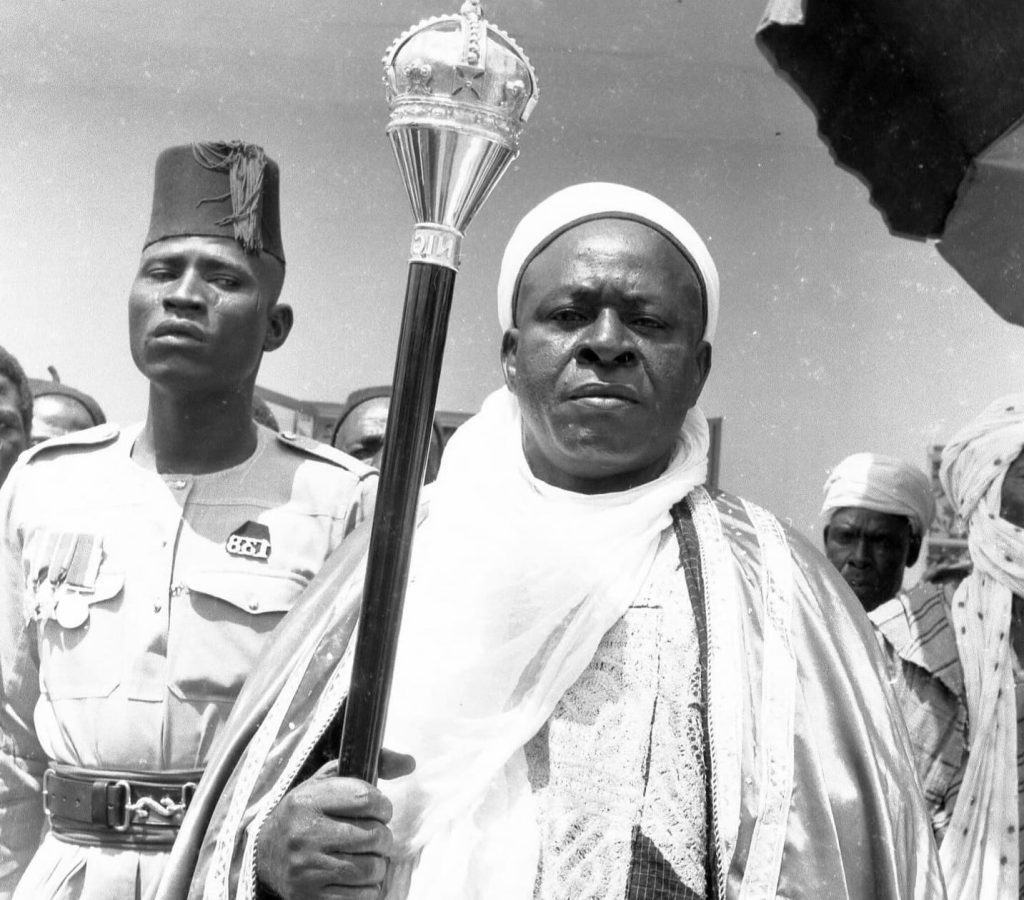
The era of independent Hausa and Fulani rule came to an end in 1903 when the British conquered the Sokoto Caliphate. To govern this vast and populous territory, the British, under the leadership of Lord Lugard, implemented a policy known as “indirect rule”. This system allowed the British to govern with a minimal number of colonial officials by using existing local power structures, primarily the Fulani-led emirate system established by the Caliphate. The British consolidated and strengthened Fulani rule, giving the Emirs an unprecedented level of authority. By outlawing internal warfare and slave raiding, the British effectively eliminated the means by which non-Fulani groups could challenge the new power dynamic.
This colonial policy of indirect rule did not create the Hausa-Fulani hierarchy; rather, it reinforced and rigidified a power structure that had been established by the Fulani Jihad. The British, viewing the Fulani as a “civilized” group with whom they shared a supposed “gene/biological affinity” , legitimized their dominance over the region’s minority groups. The two distinct colonial experiences—indirect rule in the North and more direct control in the South—created a significant disparity in governance, education, and development. The amalgamation of these two regions into a single country in 1914, while a pragmatic administrative decision, created a fragile state without a shared national identity, setting the stage for future political instability.
The Hausa-Fulani in Modern Nigeria
Since Nigeria’s independence in 1960, the Hausa-Fulani bloc has remained a dominant and influential force in the nation’s political and social landscape. The political structures and hierarchies cemented by the British, including the powerful emirate system, have allowed the Hausa-Fulani to maintain a central role in northern Nigerian governance and, by extension, in national politics. However, this dominance has been a source of ongoing tension with minority groups and other major ethnic blocs, such as the Igbo and Yoruba. The political and economic disparities between the North and South, a legacy of different colonial policies, continue to fuel ethnic strife and conflict.
Economically, the Hausa people are deeply involved in agriculture, trade, and small-scale crafts, sectors that remain central to the regional economy. Yet, despite their historical prosperity and influence, Hausaland faces significant contemporary challenges, including high rates of poverty, unemployment, and gender disparity. While their tradition of trade and Islamic scholarship endures, the modern Hausa experience is defined by the complex negotiation of these historical legacies and the demands of a globalized world. The Hausa-Fulani identity, forged in the crucible of conquest and solidified by colonial policy, continues to evolve, but its central role in the narrative of Nigerian politics and society remains undeniable.
Conclusion
The history of the Hausa people is a testament to a civilization’s ability to adapt and endure. It is a story that begins in the realm of myth, where a foreign prince’s heroic feat provided the legitimizing narrative for a new political order. It progresses through an era of dynamic city-states, whose prosperity was a direct result of their strategic position as a commercial and cultural nexus. This period of fragmentation and religious syncretism was brought to a dramatic end by the Fulani Jihad, a revolution that reordered the political and social landscape, replacing a collection of rivals with a unified, intellectual, and religious empire. The British colonial era, far from creating the region’s hierarchies, simply entrenched and rigidified the power structure established by the Caliphate, setting the stage for the political dynamics that continue to define modern Nigeria.
Ultimately, the Hausa people’s journey reveals a powerful pattern of transformation. Their identity is a product of this long historical process—a fusion of indigenous and foreign elements, a synthesis of traditional beliefs and a reformed Islamic faith, and an assimilation of diverse peoples into a unified linguistic and cultural bloc. Their enduring legacy lies not only in their central role in Nigerian politics but also in the robustness of their culture, language, and tradition of scholarship, all of which continue to be a central and complex force in the ongoing story of West Africa.










Related Posts

Stay Informed With the Latest & Most Important News
Previous Post
Next Post

Advertisement