Now Reading: The Girl Child Education Challenge in Nigeria: Breaking Barriers for a Brighter Future
-
01
The Girl Child Education Challenge in Nigeria: Breaking Barriers for a Brighter Future

The Girl Child Education Challenge in Nigeria: Breaking Barriers for a Brighter Future

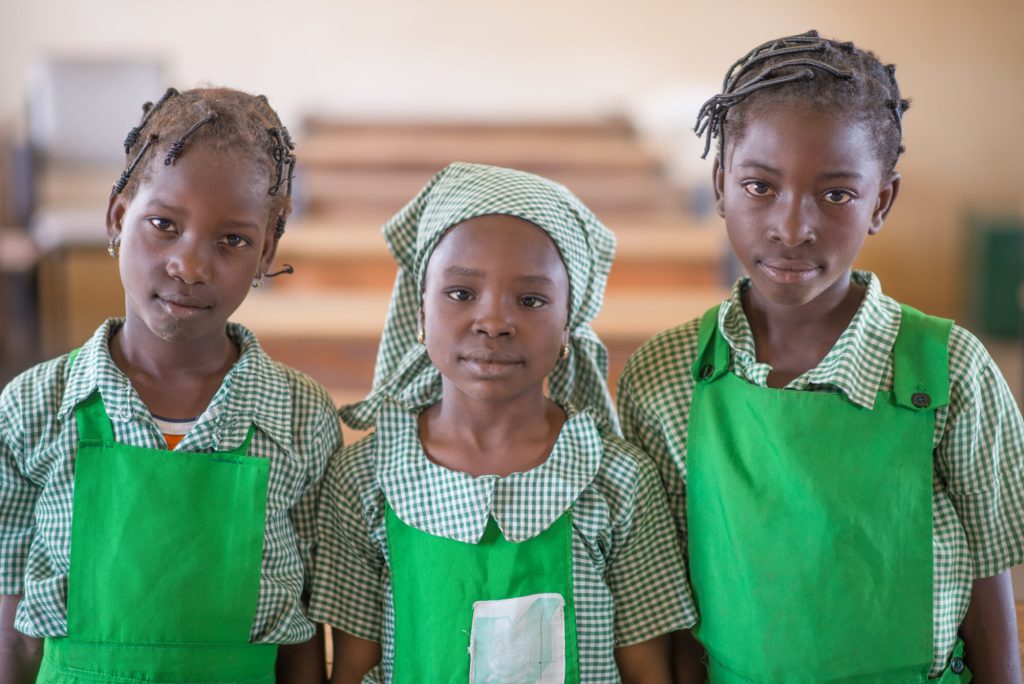
Education is often called the key to empowerment, but for millions of Nigerian girls, especially in the northern region, that key remains out of reach. Despite progress in enrollment rates nationwide, Nigeria still has one of the highest numbers of out-of-school children in the world—and most of them are girls. The barriers they face are deeply rooted in cultural, economic, and structural challenges, making girl child education one of the most urgent issues in the country today.
📊 The Numbers Tell the Story
- Nigeria has an estimated 10–13 million out-of-school children, with girls making up the majority in the North.
- In some northern states, fewer than 1 in 4 girls complete primary school.
- Child marriage remains prevalent, with thousands of girls withdrawn from school before age 15.
These figures underscore the crisis: without urgent action, generations of girls risk being left behind.
🚧 Barriers to Girl Child Education
- Cultural and Religious Norms:
In many communities, educating boys is prioritized, while girls are expected to marry early or stay at home. - Poverty:
Families struggling financially may choose to invest in boys’ education while girls are sent to hawk goods, work, or marry. - Insecurity:
The insurgency in the North-East, especially Boko Haram’s attacks on schools, has left parents fearful of sending their daughters to class. The 2014 Chibok abductions remain a haunting reminder. - Lack of Infrastructure:
Many rural schools lack safe facilities, female teachers, or basic amenities like toilets—factors that discourage girls’ attendance. - Gender-Based Violence and Harassment:
Girls face risks of harassment on their way to or within schools, contributing to dropout rates.
🌍 Why Girl Child Education Matters
- Breaking the Cycle of Poverty: Educated girls are more likely to secure jobs, earn income, and uplift their families.
- Improved Health Outcomes: Girls who complete school marry later, have fewer children, and are better informed about health and nutrition.
- National Development: A more educated female population boosts productivity, civic participation, and economic growth.
As UNESCO has noted, every additional year of schooling for a girl increases her future income by up to 20%.
🌱 Current Efforts and Progress
- Government Initiatives: Programs like the Universal Basic Education (UBE) scheme and Safe Schools Initiative are aimed at improving access.
- NGOs and Advocacy: Organizations such as Malala Fund and Girl Child Concerns work to raise awareness and provide scholarships.
- Community Champions: Local leaders and activists are challenging stereotypes, encouraging parents to send daughters to school.
🛠️ What Needs to Be Done
- Policy Enforcement: Ensure free and compulsory education laws are implemented, especially at primary and secondary levels.
- Investment in Safe Schools: Build secure facilities and provide transport in conflict-prone regions.
- Community Engagement: Work with parents, traditional rulers, and religious leaders to shift cultural norms.
- Economic Support: Offer stipends or incentives to families to reduce financial barriers to girls’ education.
- Female Teachers: Recruit and train more women educators, who can serve as role models and provide safer learning environments.
✅ Conclusion
The girl child education challenge is not just a women’s issue—it is a national crisis. Nigeria cannot achieve its full potential if half its population is left behind. Empowering girls through education is the surest path to reducing poverty, improving health, and securing a brighter future for the nation.
Investing in girls’ education today means investing in Nigeria’s tomorrow.










Related Posts


Stay Informed With the Latest & Most Important News
Previous Post
Next Post


Advertisement