Now Reading: The Rich Tapestry Under Threat: An Expert Report on the Flora and Fauna of Nigeria
-
01
The Rich Tapestry Under Threat: An Expert Report on the Flora and Fauna of Nigeria
The Rich Tapestry Under Threat: An Expert Report on the Flora and Fauna of Nigeria

1. Introduction: Nigeria’s Biodiversity Hotspot
Nigeria, a nation characterized by its vast geographical and climatic diversity, stands as a critical biodiversity hotspot in Africa. The country’s natural ecosystems span a remarkable range, from semi-arid savannas in the north to lush mountain forests, extensive seasonal floodplains, dense rainforests, vast freshwater swamp forests, and diverse coastal vegetation in the south. This rich landscape, coupled with variable climatic conditions, has endowed Nigeria with an abundant array of flora and fauna, making it a region of immense ecological significance.
The climatic conditions across Nigeria exhibit a distinct gradient, profoundly influencing the distribution of its ecological zones. The southern part of the country experiences a tropical monsoon climate, characterized by strong rainfall events from March to October, with annual precipitation often exceeding 2,000 mm and reaching over 4,000 mm in the Niger Delta. Moving northward, the central regions are governed by a tropical savanna climate, featuring a well-defined single rainy season from April to September and a dry season from December to March, influenced by the Harmattan wind. Further north, the Sahelian hot and semi-arid climate prevails, where rain falls only from June to September, with annual amounts ranging from 500 mm to 750 mm. This northern region is typically hot and dry for the remainder of the year and exhibits a high degree of annual variation in its rainfall regime, frequently resulting in both flooding and droughts. Temperature variations are also notable, with coastal areas generally cooler than the interior lowlands, where temperatures can exceed 27°C, while plateaus maintain a mean annual temperature between 21°C and 27°C. The relative humidity also follows a south-to-north decline, with an annual mean of 88% around Lagos. This pronounced climatic gradient directly dictates the types of vegetation and, consequently, the faunal communities that can thrive in each region, establishing a fundamental ecological principle where climate shapes the biome. The inherent variability in northern rainfall patterns also suggests a pre-existing vulnerability to climatic shifts, indicating that global climate change is likely to intensify these challenges, leading to increased desertification and resource scarcity.
Nigeria’s biological richness is quantitatively impressive, with estimates of over 864 bird species, 117 amphibian species, 203 reptile species, over 775 fish species, and 285 mammal species. Other assessments indicate slightly higher figures, such as 315 mammals, 866 birds, 207 reptiles, 118 amphibians, and 772 fish species, alongside a substantial 7,895 plant species. Despite these high figures, a critical paradox exists: while Nigeria is recognized as a global biodiversity hotspot, many species that were once common are now becoming rare. This trend highlights that the overall diversity masks significant declines in individual species populations, underscoring severe ongoing pressures that threaten the integrity of this rich biological heritage.
The nation’s biodiversity is not merely an ecological asset; it is deeply intertwined with the livelihoods and survival of many Nigerians. It provides diverse ecosystem services, including climate regulation, food, medicine, raw materials, and aesthetic values. A significant portion of Nigeria’s rural population, approximately 70% of households, relies heavily on firewood for their domestic and commercial energy needs. Plant resources are also crucial for providing construction poles, shelter, building materials, and generating cash income. Furthermore, tourism, which is one of Nigeria’s fastest-growing industries, is heavily reliant on the country’s wildlife, nature reserves, and abundant water supply for recreation. The profound dependence of a large rural population on natural resources, such as firewood and bushmeat, creates direct pressure on ecosystems, contributing to deforestation, habitat loss, and overexploitation. This presents a fundamental conflict between immediate human needs and long-term conservation goals. Moreover, the deep intertwining of traditional medicine and cultural practices with specific plant species implies that biodiversity loss also entails an irreversible loss of invaluable indigenous knowledge, cultural heritage, and traditional healing systems, especially given that much of this knowledge is transmitted orally.
Table 1: Major Ecological Zones of Nigeria and Associated Climatic Characteristics
| Ecological Zone | Dominant Vegetation/Characteristics | Climatic Zone | Annual Rainfall Range (mm) | Temperature Range (°C) | Key Features |
| Mangrove Forest and Coastal Vegetation | Primarily mangroves (e.g., Rhizophora racemosa, R. harrisonii, R. mangle), saltwater fern (Acrostichum aureum), Avicennia Africana | Tropical Monsoon | >2,000 (up to 4,000+ in Niger Delta) | Lower means than interior lowlands | Africa’s largest mangrove tract, third largest globally; breeding ground for 40% of offshore fish; 11 Ramsar sites (3 in Niger Delta) |
| Freshwater Swamp Forest | Salt-intolerant species (e.g., raffia palm), tall trees (Alstonia spp., Spondianthus preussii, Nauclea spp.), smaller trees (Anthosetema aubryanum, Carapa procera) | Tropical Monsoon | >2,000 (up to 4,000+ in Niger Delta) | Lower means than interior lowlands | Vast swamp forests, part of Niger Delta floodplain, adjacent to coastal mangroves |
| Lowland Rainforest | Dense, evergreen forests; diverse hardwoods (e.g., Brachystegia spp., Diospyros spp., Entandrophragma spp., Cola spp.) | Tropical Monsoon | 1,500 – 2,500 | Generally >27°C (interior lowlands) | Hotspot for amphibian and primate biodiversity (Cross River State); densely populated, fragmented forests |
| Derived Savanna / Guinean Forest-Savanna Mosaic | Transition zone; scattered low trees (e.g., Burkea africana, Terminalia avicennioides), tall grasses, gallery forest along watercourses | Tropical Savanna | 1,200 (central regions) | Generally >27°C (interior lowlands) | Mix of forest and grassland species; adapted to seasonal dryness and wildfires; high biological diversity |
| Guinea Savanna | Scattered groups of low trees (e.g., Lophira lanceolata, Afzelia africana, Borassus aethiopum), tall grasses | Tropical Savanna | 1,200 (central regions) | Generally >27°C (interior lowlands) | Covers about half of Nigeria; trees suited to seasonally dry conditions and repeated wildfires |
| Jos Plateau Forest-Grassland Mosaic | Montane forests, patches of grassland, bamboo forest, shrublands (e.g., Isoberlinea doka, Vitex doniana, Danielia oliveri) | Montane / Tropical Savanna | ~1,400 | 21-27°C | Unique montane ecosystem; high endemism (e.g., Nigerian mole rat, Jos Plateau indigobird); chain of extinct volcanoes |
| Sudan Savanna | Sparse grassland with scattered trees, drier than Guinea Savanna | Sahelian Hot and Semi-Arid | 500 – 750 | Generally >27°C (interior lowlands) | Transitional zone towards the desert |
| Sahel Savanna | Steppe vegetation with sparse grass (<2.5 ft high) | Sahelian Hot and Semi-Arid | 500 – 750 | Generally >27°C (interior lowlands) | Driest zone, advancing desertification |
| Montane Forest | Montane forests (3,000-6,000 ft), grassland, bamboo forest, shrublands (higher elevations) | Montane | Varies with altitude | 21-27°C | Part of Cameroonian Highland Forests; high endemism; provides critical ecosystem services |
2. Ecological Zones and Their Distinctive Flora and Fauna
Nigeria’s diverse climate and topography have fostered a mosaic of ecological zones, each supporting unique plant and animal communities.
2.1 Coastal and Aquatic Ecosystems
2.1.1 Mangrove Forests and Coastal Vegetation (e.g., Niger Delta)
The southernmost part of Nigeria is characterized by extensive saltwater or mangrove swamps, which are dominated by mangrove species adapted to brackish conditions. The Niger Delta, in particular, boasts the largest tract of mangrove forest in Africa and the third largest globally, spanning approximately 1 million hectares. This vital ecosystem is home to all eight West African mangrove species, with a distinct zonation:
Rhizophora racemosa predominates on the outer edges, Rhizophora harrisonii in the central parts, and Rhizophora mangle on the inner edges. Other notable flora include the viviparous
Avicennia Africana and the saltwater fern Acrostichum aureum.
Mangrove forests play a crucial ecological role by stabilizing riverbanks, filtering water, and facilitating the accumulation of nutrient-rich soil. Their ecological significance extends to marine life, as they are estimated to serve as the breeding grounds for 40% of the fish caught offshore. This establishes a direct economic and ecological link, where the degradation of mangroves due to pollution or habitat destruction would have cascading negative effects on fisheries, impacting food security and the livelihoods of coastal communities. The rich biodiversity supported by these mangroves includes various invertebrates such as crabs and oysters, a wide array of fish species that utilize the mangroves for shelter and spawning, and other animals like monkeys, turtles, and birds. The presence and health of these different
Rhizophora species, each occupying specific salinity and elevation zones, serve as important indicators of the overall health and stability of the coastal ecosystem. Changes in their distribution or dominance could signal significant environmental stress.
2.1.2 Freshwater Swamp Forests and Riverine Systems
North of the saltwater mangrove swamps lie extensive freshwater swamp forests, characterized by salt-intolerant species. These areas are part of Nigeria’s vast freshwater swamp forests. Prominent plant species in these regions include the raffia palm (
Raphia sudanica), which can dominate lagoon areas. Tall trees, often exceeding 100 feet, include
Alstonia spp., Spondianthus preussii, Nauclea spp., Lophira alata, and Ficus sp.. Smaller tree species, ranging from 30 to 100 feet, encompass
Anthosetema aubryanum, Berlinia bspp., Carapa procera, Grewia coriacea, and Uapaca spp.. The Niger Delta region also hosts three Ramsar sites, internationally recognized wetlands of importance, situated along the Niger River floodplain: Apoi Creek Forest in Bayelsa State, Upper Orashi Forests in Rivers State, and Lake Oguta in Imo State. While distinct from saltwater mangroves, these freshwater swamps are often geographically adjacent or upstream, forming a continuous ecological system. This proximity implies that degradation in one system, such as changes in freshwater flow or quality due to upstream activities like dam building or pollution, can significantly impact the other, affecting the entire aquatic continuum.
2.1.3 Marine Environments
Nigeria’s coastline extends over 850 kilometers along the Atlantic Ocean, supporting a diverse range of marine life and ecosystems, including estuaries, coral reefs, and sandy beaches in addition to mangroves. These waters are home to iconic species such as the West African manatee, various sea turtles, dolphins, and numerous commercially important fish species. Marine ecosystems provide essential services that underpin human life and the environment, contributing significantly to food security through fisheries, regulating climate by absorbing carbon dioxide, and offering economic opportunities through tourism and transportation. This explicit recognition of their economic value elevates marine conservation from a purely ecological concern to a socio-economic imperative, highlighting that degradation directly impacts human well-being and national development.
Beyond the coast, riverine and other water bodies in the woodland savanna and forest zones are inhabited by aquatic mammals such as the marsh mongoose, civets, genets, and otters, all of which are excellent swimmers and piscivores. However, these vital marine and aquatic environments face significant threats. Coastal development, sand mining, and mangrove deforestation are direct drivers of critical habitat loss. This direct link between human activities and the destruction of marine habitats leads to a reduction in biodiversity and the erosion of essential ecosystem services.
2.2 Forest Ecosystems
2.2.1 Lowland Rainforests (e.g., Cross River State, Nigerian Lowland Forests)
North of the freshwater swamps, the lowland rainforests extend inland for approximately 270 km, with their composition varying considerably due to rainfall gradients. The forests in Cross River State, located in southeastern Nigeria, are particularly renowned as a hotspot for amphibian biodiversity and a global hotspot for primate species. The Nigerian Lowland Forests ecoregion, situated along the southwestern coast, receives substantial rainfall, typically between 2,000 to 2,500 mm annually.
These rainforests are characterized by a rich diversity of tree species. Dominant families include Leguminosae and Meliaceae, with prominent species such as Brachystegia spp., Cylicodiscus gabunensis, Gossweilerodendron balsamiferum, and Entandrophragma spp.. In riverine forests of the south,
Brachystegia eurycoma is a common species. The Omo Forest Reserve exemplifies the botanical richness, featuring common trees like various
Diospyros spp., Tabernaemontana pachysiphon, Octolobus angustatus, Strombosia pustulata, Drypetes gossweileri, Rothmania hispida, Hunteria unbellata, Rinorea dentata, Voacanga africana, and Anthonotha aubryanum. The forest canopy includes emergent species such as
Lophira alata, Tarrietia utilis, Chlorophora excelsa (milicia), Triplochiton sclereoxylon, Ceiba pentandia, Cynometra ananta, Erythrophleum ivorense, and Terminalia superba. Lower storey species include
Diospyris sp. (e.g., D. mespiliformis) and Caloncoba spp. (e.g., C. Echinata, C. gilgiana, C. glauca). In the drier northern portions of the mixed-deciduous forests and parklands, dominant trees belong to the Sterculiaceae, Moraceae, and Ulmaceae families, including
Cola spp., Antiaris Africana, Ficus spp., and Holoptelea grandis.
The Nigerian Lowland Forests ecoregion is densely populated, with an estimated 55 million inhabitants and an average of 100–500 people per square kilometer. This high human population density directly correlates with severe forest fragmentation and degradation, primarily driven by farming (including conversion to cocoa farms), logging, and hunting for bushmeat. This illustrates how demographic pressures translate into direct biodiversity threats. The fragmentation not only reduces the available habitat but also isolates animal populations, leading to reduced genetic diversity and increased risks of inbreeding for species such as the Cross River Gorilla and Nigeria-Cameroon Chimpanzee. This has significant long-term implications for the viability of these species.
2.2.2 Montane Forests (e.g., Cameroonian Highland Forests, Jos Plateau)
Nigeria’s montane forests are primarily found as part of the Cameroonian Highland Forests ecoregion, which extends across the border with Cameroon, covering approximately 15,000 square miles within Nigeria. This region is characterized by a chain of extinct volcanoes and elevations exceeding 2,700 feet. The vegetation in these areas varies significantly with altitude: montane forests dominate between 3,000 and 6,000 feet, while higher elevations feature patches of grassland, bamboo forest, and shrublands. This altitudinal zonation, combined with the often isolated nature of montane regions, promotes speciation and unique adaptations, leading to a high number of endemic animal and bird species, including endangered primates like the Cross River Gorilla, red colobus, and Preuss’s monkey. Forty species of amphibians and many reptiles are also endemic to this region. These “sky islands” are irreplaceable reservoirs of unique biodiversity, making them particularly vulnerable to habitat loss and climate change.
Montane forests provide crucial ecosystem services, including clean water provision, flood control, medicinal plants, crop pollination, and honey production. Some tree species in the Ngel Nyaki forest, a montane forest, exhibit masting behavior, where they produce a massive number of seeds simultaneously. This strategy is believed to satiate predators, allowing some seeds to escape and establish the next generation of trees. However, climate change poses a significant threat to these ecosystems, as it may alter the timing and frequency of these critical mast seeding events. The potential disruption of masting has profound implications for forest regeneration and the food supply for dependent fauna, potentially leading to cascading ecological failures. The primary threats to these montane forests include clearance for firewood, timber, and agricultural expansion.
2.3 Savanna Ecosystems
2.3.1 Derived Savanna and Guinean Forest-Savanna Mosaic
As one moves northward from the rainforest zone, the landscape transitions into savanna with scattered groups of trees. This transition zone is particularly significant, forming the Guinean forest-savanna mosaic, which represents a critical ecological interface between the dense, evergreen rainforests to the south and the more open, tree-dotted savannas to the north. This mosaic is characterized by a unique blend of forested areas and open grasslands, supporting a high biological diversity, including many endemic species found nowhere else.
Where the rainforest gradually gives way to savanna woodland, dominant tree species include Burkea africana, Terminalia avicennioides, and Detarium microcarpum. The typical trees of the Guinea savanna are well-adapted to seasonally dry conditions and recurrent wildfires, which are a natural ecological process in this biome. These species include
Lophira lanceolata, Afzelia africana, Daniellia oliveri, Borassus aethiopum, Anogeissus leiocarpa, Vitellaria paradoxa, Ceratonia siliqua, and various Isoberlinia spp.. The adaptation of these trees to fire underscores the importance of appropriate fire management; unsustainable practices, whether excessive burning or complete suppression, could disrupt the ecosystem’s balance and species composition.
The Guinean forest-savanna mosaic is home to a wide array of fauna, including iconic species such as chimpanzees, pygmy hippos, and forest elephants. Other large mammals present include African leopards, hippopotamuses, various antelopes like the red-flanked duiker, and common tortoises. Primates such as patas monkeys and unique reptiles like Ghana worm lizards also inhabit this region. The wetlands within this mosaic are particularly rich in birdlife, with species like the iris glossy starling and the black crowned crane. The high biodiversity in this ecotone, stemming from species adapted to both forest and savanna environments, makes it a unique and valuable ecological region, though also potentially vulnerable to shifts in climatic zones or land use that could alter the balance between the two biomes.
2.3.2 Guinea, Sudan, and Sahel Savannas
Nigeria’s savanna ecosystems extend in broad east-west belts, running parallel to the Equator, and include the Guinea savanna, Sudan savanna, and Sahel savanna. The Guinea savanna constitutes approximately one half of Nigeria’s land area. Moving further north, the Sudan savanna and Sahel savanna represent progressively drier zones. The Sahel zone, in particular, features steppe vegetation characterized by sparse grass that typically grows less than 2.5 feet high. The northern regions generally have loose sandy soils, though areas with a pronounced dry season can develop a dense surface layer of laterite, making cultivation challenging.
These northern savanna regions are currently facing a severe environmental crisis due to desertification, with the Sahara Desert advancing at an alarming rate of 0.6 km per year. This encroachment directly leads to shrinking farmland, increased water scarcity, displacement of communities, and heightened resource-based conflicts, creating a devastating chain of socio-economic and security crises. For instance, Lake Chad, a vital water body in the northern region, has lost approximately 21,000 square kilometers of water due to droughts. The loss of vegetation in these savannas, exacerbated by desertification and deforestation, further accelerates soil erosion and reduces water retention, creating a negative feedback loop that intensifies land degradation.
2.3.3 Jos Plateau Forest-Grassland Mosaic
The Jos Plateau represents a distinct ecological zone, classified as a Montane Grasslands and Shrublands ecoregion. Its flora includes common tree species such as
Danielia oliveri, Parkia biglobosa, Lophira lanceolata, Khaya senegalensis, Vitex doniana, Piliostigma thonningii, and various Ficus spp.. In the woodland areas, the most numerous tree species are
Isoberlinea doka, Vitex doniana, Lannea schimperi, and Uapaca somon.
Despite its relatively small size, the Jos Plateau harbors a disproportionately large number of endemic species, highlighting the role of its isolation and unique geological and climatic conditions in fostering distinct evolutionary pathways. Two strictly endemic small mammals found here are the Nigerian mole rat and Fox’s shaggy rat. The Jos Plateau is also home to the Jos Plateau indigobird (
Vidua maryae), a bird species thought to be endemic to Nigeria. Other bird species include the Bar-breasted Firefinch, Black-bellied Firefinch, Chestnut-crowned Sparrow-weaver, Yellow Penduline-tit, Oriole Warbler, White-crowned Robin-chat, Piapiac, White-fronted Black-chat, and Adamawa Turtle-dove.
The unique biodiversity of the Jos Plateau is under threat from various human activities. Historically, tin-mining operations have devastated large areas of its natural vegetation. Current threats include wood-cutting, cattle-grazing, and farming, exacerbated by the plateau’s small size and its proximity to the urban community of Jos.
Table 2: Key Flora Species by Ecological Zone
| Ecological Zone | Representative Flora Species (Common Name, Scientific Name) | Key Characteristics/Significance |
| Mangrove Forests & Coastal Vegetation | Red Mangrove (Rhizophora racemosa) | Dominant pioneer species, can reach 150ft; viviparous; occupies outer, brackish areas |
| Rhizophora harrisonii | Smaller tree/shrub (up to 25ft); occupies slightly higher, drier ground than R. racemosa | |
| Rhizophora mangle | Shrub/small tree (up to 15ft); occupies highest, driest ground; peaty, well-aerated soil | |
| White Mangrove (Avicennia Africana) | Viviparous; occupies higher ground than R. mangle | |
| Saltwater Fern (Acrostichum aureum) | Characteristic of older parts of mangrove swamps | |
| Freshwater Swamp Forests | Raffia Palm (Raphia sudanica) | Can dominate lagoon areas of swamps; salt-intolerant |
| Alstonia spp. | Common tall tree (over 100ft) | |
| Lophira alata | Common tall tree (over 100ft) | |
| Ficus sp. | Common tall tree (over 100ft) | |
| Lowland Rainforests | Brachystegia eurycoma | Common species in riverine forests in the south |
| Diospyros spp. | Common tree in Omo Forest Reserve | |
| Entandrophragma spp. | Dominant in rainforest zone (Leguminosea/Meliaceae families) | |
| Chlorophora excelsa (Milicia) | Common deciduous emergent species | |
| Triplochiton sclereoxylon | Common deciduous emergent species | |
| Cola spp. | Dominant in drier northern mixed-deciduous forests | |
| Derived Savanna / Guinean Forest-Savanna Mosaic | Burkea africana | Dominant where rainforest grades into savanna woodland |
| Terminalia avicennioides | Dominant where rainforest grades into savanna woodland | |
| Detarium microcarpum | Dominant where rainforest grades into savanna woodland | |
| Vitellaria paradoxa | Typical Guinea savanna tree, suited to dry conditions and wildfires | |
| Isoberlinia spp. | Typical Guinea savanna tree, suited to dry conditions and wildfires | |
| Jos Plateau Forest-Grassland Mosaic | Danielia oliveri | Common tree species on Jos Plateau |
| Parkia biglobosa | Common tree species on Jos Plateau | |
| Khaya senegalensis | Common tree species on Jos Plateau | |
| Isoberlinea doka | Most numerous tree species in Jos Plateau woodland areas | |
| Vitex doniana | Most numerous tree species in Jos Plateau woodland areas |
3. Flora of Nigeria: Diversity, Distribution, and Uses
Nigeria’s botanical wealth is immense, supporting both ecological integrity and human livelihoods through a vast array of plant species.
3.1 Overview of Plant Diversity and Endemism
Nigeria is home to a significant number of plant species, with estimates ranging from over 4,715 vascular plants to 7,895 total plant species. The broader Guinean Forests hotspot, which encompasses parts of Nigeria, is estimated to contain over 9,000 vascular plant species, with approximately 20% of these thought to be endemic, meaning they are found nowhere else.
The country serves as a crucial hub for diverse wild varieties of important crop plants, which are invaluable genetic resources for future agricultural resilience. However, the increasing proliferation of new varieties and cultivars, often introduced for higher yields, poses a significant threat to the survival of these indigenous species, contributing to an alarming rate of biodiversity loss. This highlights a critical trade-off: while agricultural development aims to boost food production, it can inadvertently lead to the loss of wild relatives and indigenous crop diversity, which are crucial for future crop resilience and adaptation, raising long-term food security concerns.
In response to these threats, efforts are underway to conserve Nigeria’s unique flora. A priority list of 58 threatened tree species has been compiled, identifying four as high-priority for conservation: Cola nigerica (Critically Endangered), Entandrophragma cylindricum (Vulnerable), Pericopsis elata (Endangered), and Tieghemella heckelii (Endangered). Significant progress has been made in
ex situ conservation, with over 30 threatened tree species now maintained in collections at the IITA Tree Heritage Park, and seeds of 13 target species stored in the IITA seed bank. The establishment of these
ex situ collections and seed banks for threatened tree species is a crucial proactive measure, acknowledging that in situ conservation alone may be insufficient given the high levels of threat, and that genetic reservoirs are necessary for potential future restoration or breeding programs.
3.2 Key Plant Species by Ecological Zone
The distribution of plant species across Nigeria’s ecological zones demonstrates clear zonal specialization and adaptation to specific climatic and soil conditions.
- Mangrove Swamps: Dominated by red mangrove species such as Rhizophora racemosa, R. harrisonii, and R. mangle. Other associated flora include saltwater fern (Acrostichum aureum), Alteraathera maritime, Hibiscus tiliaceus, Ipomoea pes-carprae, and Dalbergia ecastaphyllum.
- Freshwater Swamps: Key species include the raffia palm (Raphia sudanica), along with tall trees like Alstonia spp., Spondianthus preussii, Nauclea spp., Lophira alata, and Ficus sp. Smaller trees include Anthosetema aubryanum, Berlinia bspp., Carapa procera, Grewia coriacea, and Uapaca spp..
- Rainforests: Common species in riverine forests include Brachystegia eurycoma. In reserves like Omo Forest, Diospyros spp., Tabernaemontana pachysiphon, Octolobus angustatus, Strombosia pustulata, Drypetes gossweileri, Rothmania hispida, Hunteria unbellata, Rinorea dentata, Voacanga africana, and Anthonotha aubryanum are prevalent. The Nigerian Lowland Forests are dominated by members of the Leguminosae and Meliaceae families, such as Brachystegia spp., Cylicodiscus gabunensis, Gossweilerodendron balsamiferum, and Entandrophragma spp. In drier northern sections, Cola spp., Antiaris Africana, Ficus spp., and Holoptelea grandis from the Sterculiaceae, Moraceae, and Ulmaceae families are dominant. The loss of dominant or keystone plant species in any zone, such as mangroves, would not only reduce plant diversity but also disrupt the entire ecosystem’s structure and function, affecting dependent fauna and ecosystem services.
- Savannas (Guinea, Sudan, Sahel): Where rainforest transitions into savanna woodland, dominant trees include Burkea africana, Terminalia avicennioides, and Detarium microcarpum. The Guinea savanna features species like Lophira lanceolata, Afzelia africana, Daniellia oliveri, Borassus aethiopum, Anogeissus leiocarpa, Vitellaria paradoxa, Ceratonia siliqua, and various Isoberlinia spp., all adapted to the seasonally dry conditions and repeated wildfires. The Sahel zone is characterized by sparse grasses.
- Jos Plateau: Common tree species include Danielia oliveri, Parkia biglobosa, Lophira lanceolata, Khaya senegalensis, Vitex doniana, Piliostigma thonningii, and Ficus spp.. Woodland areas are particularly rich in Isoberlinea doka, Vitex doniana, Lannea schimperi, and Uapaca somon.
- General Native Plant Species: A broader list of native plants includes Musanga cecropioides, Yohimbe, Dacryodes edulis, Raphia vinifera, Guarea cedrata, *Dracaena…source and Mexican tea.
3.3 Economically Significant Flora and Agricultural Importance
Plant resources are fundamental to Nigeria’s economy, providing food, medicine, building materials, fuel, and cash income. As an agrarian country, Nigeria’s economy is heavily reliant on its numerous plant species.
Major Staple and Cash Crops: The agricultural sector is dominated by several high-demand crops that serve both human consumption and livestock feed production, as well as export markets. These include:
- Maize: High demand for food and feed, with profit potential of ₦200,000 to ₦400,000 per hectare.
- Rice: A staple food, with increasing demand for local production, offering profits of ₦800,000 to ₦1,500,000 per hectare.
- Tomatoes: Widely consumed year-round, with profit potential of ₦300,000 to ₦800,000 per hectare.
- Cassava: A staple crop with significant profit potential, up to ₦500,000 per hectare.
- Plantain: A popular staple with consistent demand, yielding profits of ₦500,000 to ₦1,000,000 per hectare.
- Pineapple: High demand and export opportunities, with profit potential of ₦500,000 to ₦1,000,000 per hectare.
- Watermelon: Profitable in Nigeria’s hot climate, generating up to ₦800,000 per hectare.
- Soybeans: Highly sought after for feed and oil extraction, with profits ranging from ₦400,000 to ₦800,000 per hectare.
- Cocoa: A long-term investment with substantial profit potential, from ₦1,500,000 to ₦3,000,000 per hectare.
- Palm Oil: A lucrative venture with high demand, capable of yielding profits from ₦2,000,000 to ₦5,000,000 per hectare.
The substantial economic significance of these crops and Nigeria’s agrarian foundation explain the extensive agricultural expansion that serves as a primary driver of habitat loss and deforestation. This highlights an inherent tension between the nation’s economic development and food security goals, and its biodiversity conservation objectives. Furthermore, the threat to indigenous crop varieties from the proliferation of new cultivars represents a long-term food security concern. The loss of genetic diversity in wild relatives reduces the gene pool available for breeding disease-resistant or climate-resilient crops in the future, making agricultural systems more vulnerable to environmental changes and pathogens.
Spices and Condiments: These are essential components of the Nigerian diet, used to enhance the flavor of various dishes. In Northern Nigeria, the use of spices and condiments is deeply influenced by traditional, cultural, and medicinal views, particularly among the Fulani and Hausa tribes. These plants contain functional phytochemicals such as flavonoids, dietary fibers, polyphenols, and vitamins, which contribute to their diverse roles in traditional medicine and culinary practices, enhancing the general health of the local population.
Table 3: Economically Significant Plant Species in Nigeria
| Plant Species (Common Name, Scientific Name) | Primary Economic Use | Estimated Profit Potential (₦/hectare) | Key Regions/Ecological Zones of Cultivation |
| Maize (Zea mays) | Human consumption, livestock feed | 200,000 – 400,000 | Widespread, particularly central regions |
| Rice (Oryza sativa) | Staple food | 800,000 – 1,500,000 | Widespread, especially floodplains |
| Tomatoes (Solanum lycopersicum) | Food | 300,000 – 800,000 | Widespread |
| Cassava (Manihot esculenta) | Staple food, industrial starch | Up to 500,000 | Widespread, particularly south and central |
| Plantain (Musa paradisiaca) | Staple food | 500,000 – 1,000,000 | Southern regions |
| Pineapple (Ananas comosus) | Food, export | 500,000 – 1,000,000 | Southern regions |
| Watermelon (Citrullus lanatus) | Food | Up to 800,000 | Hotter climates, northern and central regions |
| Soybeans (Glycine max) | Livestock feed, oil extraction | 400,000 – 800,000 | Central and northern regions |
| Cocoa (Theobroma cacao) | Cash crop, export | 1,500,000 – 3,000,000 | Southern rainforest regions |
| Palm Oil (Elaeis guineensis) | Oil production, by-products | 2,000,000 – 5,000,000 | Southern rainforest and swamp forest regions |
3.4 Traditional and Medicinal Uses of Plants
The utilization of herbal medicine in Nigeria is deeply embedded in the nation’s cultural heritage and healthcare traditions, representing a unique fusion of indigenous wisdom, diverse ethnic practices, and abundant natural resources. Many Nigerians rely partly or wholly on medicinal plants to treat a wide range of diseases, from minor ailments like coughs and cuts to major conditions such as diabetes and respiratory diseases. This reliance is attributed to various factors, including the accessibility of plants, the lower income of rural dwellers, traditional beliefs, and the shortage of conventional medical personnel and facilities.
Indigenous knowledge of medicinal plants has been passed down through generations, encompassing detailed understanding of plant identification, properties, habitat, and seasonality. Plants synthesize a variety of phytochemicals, including Quinones, Flavonoids, Flavones, Flavonols, Tannins, and Coumarins, which have demonstrated decisive antimicrobial activities. For example, extracts of
Vernonia amygdalina (bitter leaf) have shown remarkable in vivo antimicrobial activity against antibiotic-resistant Salmonella isolates. Other well-known plants like guava (
Psidium guajava), ginger (Zingiber officinale), neem (Azadirachta indica), and moringa (Moringa oleifera) have been found to exhibit a broad range of antimicrobial activities. The documented presence of these diverse phytochemicals with medicinal properties and the traditional reliance on these plants suggest significant untapped pharmaceutical potential, opening avenues for bioprospecting while also raising important considerations regarding equitable benefit-sharing and intellectual property rights.
Specific traditional uses of Nigerian plants are extensive:
- Alternanthera nodiflora is used as a pain reliever.
- Celosia trigyna and Chenopodium ambrosioides are employed for guinea worm infections.
- Gomphrena globosa is applied as a paste for body sores.
- Spondias monbin is used as an antivomit medicine and for cough.
- Uvaria chamae is utilized for cough.
- Pergularia daemia is a treatment for piles.
- Coldenia procumbens is used for fever and ringworm.
- Carica papaya (pawpaw) leaves and unripe fruits are used for catarrh, cough, stomach upset, and even for abortion.
- Goatweed is used for irregular menstruation, neck pain, to stop bleeding, and to prevent wound infection.
- Eupatorium odoratum is a traditional remedy for yellow fever.
- Ageratum conyzoides is used for tooth-ache and sore-throat.
The Mambilla Plateau in Taraba State is particularly rich in medicinal and aromatic plants, including examples like Clausena anisata and Zanthoxylum leprieurii, which serve both purposes. Research indicates that leaves are the most frequently used plant part (45%), and decoction is the preferred preparation method (42%). However, the knowledge of these traditional uses often resides with only a few individuals and is transmitted mostly orally. This oral transmission makes this invaluable knowledge vulnerable to loss if not actively documented and passed on, implying that conservation efforts should extend beyond biological preservation to include ethnobotanical research and cultural heritage preservation.
Table 4: Medicinal Plants of Nigeria and Their Traditional Uses
| Plant Species (Common Name, Scientific Name) | Traditional Use/Ailment Treated | Plant Part Used | Preparation Method | Relevant Ecological Zone |
| Bitter Leaf (Vernonia amygdalina) | Antimicrobial activity against Salmonella, general health | Leaves | Extracts (hot/cold) | Widespread |
| Guava (Psidium guajava) | Broad antimicrobial activities | Not specified | Not specified | Widespread |
| Ginger (Zingiber officinale) | Broad antimicrobial activities | Not specified | Not specified | Widespread (cultivated) |
| Neem (Azadirachta indica) | Broad antimicrobial activities | Not specified | Not specified | Widespread |
| Moringa (Moringa oleifera) | Broad antimicrobial activities | Not specified | Not specified | Widespread |
| Alternanthera nodiflora | Pain reliever | Leaves | Massage (smeared with palm oil on hot stone) | Not specified |
| Celosia trigyna | Guinea worm infection | Leaves | Ground with alligator pepper, rubbed into incisions | Not specified |
| Gomphrena globosa | Body sore | Leaves | Crushed into paste, applied topically | Not specified |
| Hog Plum (Spondias monbin) | Antivomit, cough | Leaves | Crushed for juice (oral), boiled for decoction (oral/bath) | Not specified |
| Uvaria chamae | Cough | Leaves | Ground with salt, taken orally with palm wine | Not specified |
| Pergularia daemia | Piles | Leaves | Boiled for decoction, taken orally | Not specified |
| Coldenia procumbens | Fever, ringworm | Leaves | Decoction (fever), crushed in water (ringworm) | Not specified |
| Pawpaw (Carica papaya) | Catarrh, cough, stomach upset, abortion | Leaves, unripe fruit | Eaten (unripe fruit), decoction (leaves) | Widespread (cultivated) |
| Chenopodium ambrosioides | Guinea worm infection | Not specified | Not specified | Not specified |
| Goatweed (Ageratum conyzoides) | Irregular menstruation, menstrual pain, neck pain, stop bleeding, wound infection | Leaves | Crushed for filtrate (oral), dried/ground with shea butter (ointment), squeezed liquid (topical) | Not specified |
| Siam Weed (Eupatorium odoratum) | Yellow fever | Leaves, roots | Boiled with Citrus leaves & Mangifera indica bark for decoction (oral/bath) | Not specified |
| Clausena anisata | Medicinal and aromatic | Not specified | Not specified | Mambilla Plateau |
| Zanthoxylum leprieurii | Medicinal and aromatic | Not specified | Not specified | Mambilla Plateau |
3.5 Cultural and Spiritual Significance of Plant Species
Indigenous herbal medicine in Nigeria is inextricably intertwined with the nation’s cultural practices and deep-seated beliefs, often accompanied by elaborate rituals and ceremonies that encapsulate the profound significance of herbs in the lives of the Nigerian people. These practices are a tapestry interwoven with traditional healing methods, encompassing spiritual, social, and cultural essences of herbal remedies. A pervasive belief among many Nigerians is in the spiritual and supernatural powers vested in medicinal plants.
Rituals surrounding herbal medicine are often replete with offerings, designed to appease spirits or deities linked with healing, manifesting as sacrifices, libations, or symbolic tokens. Community members frequently gather to partake in these sacred events, which adhere to specific protocols and feature dances and songs choreographed to invoke desired healing effects. Traditional healers and herbalists don distinctive clothing and adornments imbued with spiritual symbolism, signifying their roles as custodians of healing wisdom.
Plants are integral to diverse religions and cultures across Nigeria. For instance, oil palms (
Elaies guineesis) and plantains/bananas hold significant cultural and religious meaning for Christians. The oil palm is viewed as a symbol of victory, prominently used during annual Palm Sundays to commemorate Jesus Christ’s triumphant entry into Jerusalem. Both oil palm and plantain/banana fronds also feature prominently as decorative elements during annual harvest thanksgiving services. It is notable that, even with the advent of numerous synthetic decorative materials, the use of these plants in churches has not diminished, demonstrating their deep intrinsic and cultural value beyond mere utilitarian uses. This persistence suggests a resilience of cultural practices that can potentially be leveraged for conservation. Churches also often landscape their premises with ornamental plants such as
flamboyante (Delonix regia), Pride of Barbados (Caesalpinia pulcherrima), Lantana camara, and various mango varieties, many of which were introduced by missionaries. Conservation efforts must therefore acknowledge and integrate the cultural and spiritual significance of plants, rather than focusing solely on their ecological or economic value. Engaging local communities through their cultural frameworks can foster stronger ownership and commitment to conservation initiatives.
4. Fauna of Nigeria: Mammals, Birds, Reptiles, Amphibians, and Aquatic Life
Nigeria’s diverse ecosystems support a wide array of animal life, from large mammals to a rich diversity of birds, reptiles, amphibians, and aquatic species.
4.1 Overview of Animal Diversity and Endemism
Nigeria is home to a substantial number of animal species, including over 864 bird species, 117 amphibian species, 203 reptile species, 775 fish species, and 285 mammal species. Other assessments indicate 315 mammal species, 866 bird species, 207 reptile species, 118 amphibian species, and 772 fish species, with varying percentages of endemism across these groups. The Guinean Forests hotspot, which includes parts of Nigeria, is recognized as one of the world’s foremost regions for mammalian diversity, hosting an estimated 390 terrestrial species, representing over one-quarter of Africa’s total mammal species, with more than 60 mammals endemic to the hotspot. Cross River State is particularly noted as a global hotspot for primate species.
While some taxonomic groups are well-documented, the diversity of amphibians and reptiles in Nigeria is relatively poorly understood. Despite this, over 80 endemic amphibian species are known, with particularly large numbers found in the Cameroon Highlands bordering Nigeria. Similarly, out of an estimated 200 reptile species in the region, approximately a quarter are likely endemic. This lack of comprehensive documentation suggests that the true extent of species diversity and endemism, especially for less charismatic groups, is likely underestimated. This poses a significant challenge for effective conservation planning and highlights the critical need for increased investment in biodiversity surveys, taxonomic research, and long-term monitoring programs, particularly for these understudied groups.
Nigeria’s freshwater fish diversity is also remarkable, with 1,281 species, 35% of which are considered endemic. The highest densities of freshwater fish species are found within the Niger Delta and the Atlantic river catchments.
Table 5: Overview of Nigerian Fauna Diversity (Species Counts)
| Taxonomic Group | Total Species Count (Range if multiple sources) | Number of Endemic Species (if available) | Percentage Endemic (if available) |
| Mammals | 285-315 | >60 (Guinean Forests hotspot) , 6 | 1.9%-9.8% |
| Birds | 864-940 | 25 | 0.5%-2.9% |
| Reptiles | 203-207 | 13 | 4.3%-6.3% |
| Amphibians | 117-118 | 11 , >80 (Guinean Forests hotspot) | 1.7%-9.3% |
| Fishes | 772-775 | 89 , 35% (freshwater) | 2.7%-11.5% |
4.2 Major Mammalian Species and Their Distribution
Nigeria’s mammalian fauna is diverse, ranging from large charismatic species to smaller, often endemic, creatures.
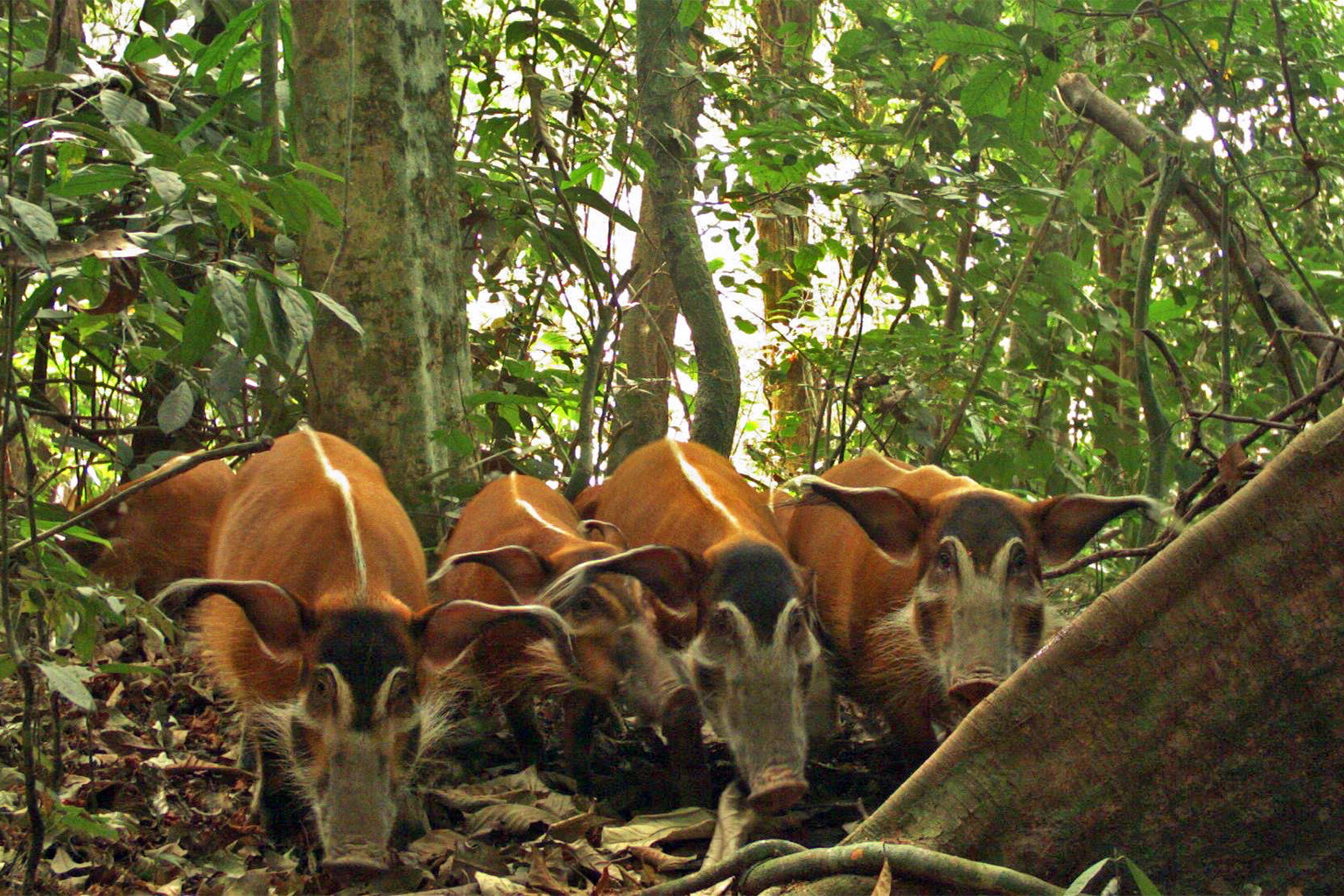
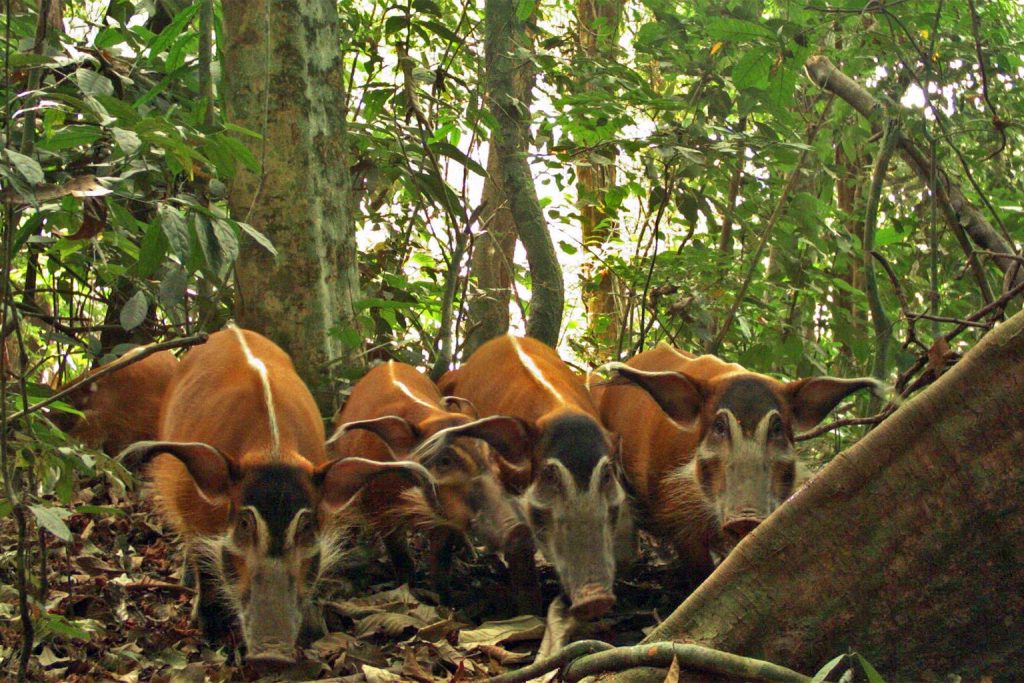
Large Mammals: Historically, Nigeria was home to a broader range of large mammals, but species such as rhinoceroses, giraffes, and cheetahs have sadly become extinct within the country due to habitat destruction and poaching. Despite these losses, iconic wildlife species still persist, including lions (approximately 50 individuals surviving), elephants (fewer than 500), leopards, hyenas, side-striped jackals, African buffaloes, antelopes, waterbuck, warthogs, red river hogs, and hippopotamuses. This trend of local extirpation and species loss points to a severe historical and ongoing biodiversity crisis, suggesting that current conservation efforts are often reactive and sometimes too late for certain species.
Smaller and Unique Mammals: The country’s smaller mammalian inhabitants include mongooses, pangolins, aardvarks, western tree hyraxes, bushbabies, African civets, four-toed hedgehogs, and common duikers. Aquatic and riverine mammals like the marsh mongoose, civets, genets, and otters are also found along water bodies.
Primates: Nigeria is a global hotspot for primate species, with significant diversity, particularly in the Gulf of Guinea forests of Cross River State. The primate population includes various monkeys, baboons, western gorillas, and chimpanzees.
- Cross River Gorilla (Gorilla gorilla diehli): This subspecies is critically endangered, with an estimated population of only 200 to 300 individuals, making it the world’s rarest great ape. These gorillas are largely herbivorous, consuming fruit, shoots, and leaves. They are found in scattered groups across the lowland montane forests and rainforests of Cameroon and Nigeria, particularly in areas like Takamanda National Park and the Kagwene Gorilla Sanctuary. The primary threats to their survival include habitat loss due to forest clearing for timber, agriculture, and livestock, as well as poaching, which, though illegal and reportedly declined, still significantly impacts such a small population. Furthermore, the small, fragmented nature of their populations leads to inbreeding and a loss of genetic diversity, a critical biological consequence that makes these groups highly susceptible to disease or environmental changes.
- Nigeria-Cameroon Chimpanzee (Pan troglodytes ellioti): Classified as endangered, this is the least studied and most threatened chimpanzee subspecies, with an estimated population ranging from 1,400-2,300 to 3,500-9,000 individuals. They inhabit isolated patches of primary and secondary moist lowland, montane, and submontane forests in southwestern Nigeria, the Niger Delta, and along Nigeria’s eastern border, with some populations also found in savanna habitats. Key populations exist in Gashaka-Gumti National Park, Ngel Nyaki Forest Reserve, and Okomu National Park. Chimpanzees play a vital role as keystone species in their forest ecosystems, acting as “seed dispersers” through their feces and “nature’s gardeners” by pruning overgrowth. Their loss would not only mean the disappearance of a charismatic primate but also a significant disruption to forest regeneration and overall ecosystem health. Threats to this subspecies include habitat loss, disease, and human activities such as hunting.
Endemic Mammals: Nigeria is home to several endemic mammal species, including Sclater’s Monkey, the Niger Delta Red Colobus (critically endangered), Fox’s Shaggy Rat, and the Gotel Mountain Soft-furred Mouse. The African forest elephant is also listed as critically endangered.
4.3 Avian Diversity and Key Bird Species
Nigeria’s avian diversity is extensive, with over 864 bird species recorded , and some sources indicating up to 940 species. Out of 917 birds recorded in the Guinean Forests hotspot, 48 are considered threatened. Five critically endangered species within this hotspot often have highly restricted ranges in small remaining forest fragments, indicating extreme habitat specificity and making them highly vulnerable to any further disturbance. Examples include the São Tomé grosbeak and São Tomé fiscal.
The wetlands within the Guinean forest-savanna mosaic are particularly rich in birdlife, hosting species such as the iris glossy starling and the black crowned crane. The Jos Plateau is home to unique avian species, including the Jos Plateau indigobird (
Vidua maryae), which was initially thought to be endemic to Nigeria and is a brood-parasite of the rock firefinch. This reliance creates a co-extinction risk, where the decline of the host species would severely impact the indigobird. Other species found on the Jos Plateau include the Bar-breasted Firefinch, Black-bellied Firefinch, Chestnut-crowned Sparrow-weaver, Yellow Penduline-tit, Oriole Warbler, White-crowned Robin-chat, Piapiac, White-fronted Black-chat, and Adamawa Turtle-dove. Nigeria also serves as a wintering ground for migratory birds like
Motacilla flava on the Jos Plateau. Other threatened or notable bird species include the African Skimmer, Black-tailed Godwit, Black-winged Pratincole, Cape Gannet, Denham’s Bustard, Egyptian Vulture, Great Snipe, Green-breasted Bush-shrike, and the Anambra Waxbill.
4.4 Reptiles and Amphibians: Hotspots and Unique Species
Nigeria’s herpetofauna is diverse, with 207 reptile species and 118 amphibian species. Cross River State is recognized as a hotspot for amphibian biodiversity. The Cameroon Highlands, bordering Nigeria, are particularly rich in endemic amphibians, with over 80 species known, and more likely to be discovered given that amphibians are relatively poorly documented in the region. This high endemism in understudied groups suggests that Nigeria’s true biodiversity richness, especially in these less charismatic taxa, is likely much higher than currently known, reinforcing the need for foundational research. Amphibians are highly sensitive to environmental changes, particularly temperature and humidity shifts, making them among the most vulnerable groups to climate change and altered precipitation patterns.
Several endemic reptile species are found in Nigeria, including Dunger’s File Snake (Mehelya egbensis), the Ibadan Thread Snake (Tricheilostoma greenwelli), Dunger’s Four-fingered Skink (Leptosiaphos dungeri), the Giant Forest Gecko (Cnemaspis gigas), Hemidactylus dungeri, the Ondo Forest Gecko (Cnemaspis petrodroma), the West African Worm Lizard (Baikia africana), Cynisca nigeriensis, and Cynisca gansi. Endemic amphibian species include Perret’s Toad ,
Sclerophrys perreti, Cardioglossa pulchra, Wolterstorffina parvipalmata, Cardioglossa alsco, and Conraua robusta.
4.5 Aquatic Fauna: Fish and Marine Mammals (e.g., West African Manatee)
Nigeria’s aquatic ecosystems support a rich diversity of fish, with over 775 species recorded. The highest densities of freshwater fish species are found in the Niger Delta and the Atlantic river catchments. These commercially important fish species are crucial for food security and livelihoods. However, fish populations are severely threatened by oil pollution, which consumes dissolved oxygen in water bodies and disrupts food chains. Gas flares, a common practice in oil production, also negatively affect fish reproduction and drive fish to deeper waters, further impacting fisheries.
West African Manatee (Trichechus senegalensis): This species is classified as Vulnerable by the IUCN (3.1) and is listed under CITES Appendix I, receiving federal protection in the United States under the Endangered Species Act and Marine Mammal Protection Act. The West African manatee inhabits a wide range of habitats, including marine, brackish, and freshwater systems along the West African coast, from Senegal to Angola. They prefer shallow coastal waters, weedy swamps, estuaries, and areas with submerged aquatic vegetation. In Nigeria, significant populations are found in the southern portions of the Niger River, coastal lagoons, and grassy estuaries with mangroves.
Manatees are primarily herbivorous, consuming large quantities of aquatic vegetation (up to 8,000 kg per year), overhanging bank growth, and exclusively mangroves in estuarine environments.
Ficus spp. has been identified as a major food source. While predominantly herbivorous, they are not obligate herbivores and may consume fish and invertebrates in some areas. Their behavior is typically slow, moving between 4.8 and 8.0 km/h, though they can reach speeds of about 32 km/h when startled. They are largely nocturnal, dozing in shallow water during the day, and migrate upstream when flooding occurs. Manatees typically live in small groups of 1 to 6 individuals and communicate using chirps or squeaks. Mothers care for their calves for approximately two years, teaching them vital survival skills. Their playful behaviors, such as somersaulting and barrel rolling, make them attractive for ecotourism.
The West African manatee faces numerous threats, primarily illegal poaching, accidental capture in fishing gear (bycatch), and other human-caused threats such as entrapment behind dams and habitat destruction. The construction of agricultural and hydroelectric dams directly isolates manatee populations, fragmenting their habitat and hindering migration, which leads to reduced genetic flow and increased vulnerability for isolated groups. Oil pollution also poses a significant threat to manatees. Historically, manatees have been hunted , and some cultural beliefs contribute to this pressure; for instance, blubber is believed to have curative powers, and possession of body parts like the skull and teeth is thought to confer special status. This highlights how cultural practices can inadvertently drive illegal trade. Additionally, some villagers perceive manatees as pests that damage rice crops or steal fish from nets, creating human-wildlife conflict that further fuels poaching. Manatees have few natural predators, primarily sharks and crocodiles.
5. Conservation Status and Endemic Species
Nigeria’s status as a global biodiversity hotspot underscores its immense ecological value, yet it also highlights the urgent need for robust conservation efforts. The country is recognized as one of the highest priorities for biodiversity conservation worldwide.
5.1 Critically Endangered and Endangered Species Profiles
The conservation landscape in Nigeria is marked by a significant number of threatened species. As of 2013, 309 species were listed as threatened on the IUCN Red List. The high proportion of threatened species and the presence of multiple critically endangered flagship species indicate a severe and escalating biodiversity crisis, suggesting that the threats are systemic and pervasive across different taxonomic groups.
Critically Endangered (CR) Species:
- Cross River Gorilla (Gorilla gorilla diehli): With an estimated population of only 200-300 individuals, this is the world’s rarest great ape. Its survival is jeopardized by habitat loss (due to agriculture and logging), poaching (which, despite being illegal, still impacts the small population), and the severe consequences of inbreeding and loss of genetic diversity resulting from its small, fragmented population. The threats to this species are interconnected; habitat loss, for example, can push animals into closer contact with humans, increasing disease transmission and poaching pressure.
- Niger Delta Red Colobus.
- Gambles’ Relic, Gamble’s Flatwing, Perret’s Toad.
- African Forest Elephant: Fewer than 500 individuals survive.
- African Lion: Approximately 50 lions remain.
- Cola nigerica: A critically endangered tree species.
- White-bellied Pangolin: Nigeria has been linked to approximately half of all global pangolin scale seizures between 2016 and 2019, highlighting its role as a transit hub for illegal wildlife trade.
Endangered (EN) Species:
- Nigeria-Cameroon Chimpanzee (Pan troglodytes ellioti): The most threatened and least studied chimpanzee subspecies, with populations estimated between 1,400-2,300 or 3,500-9,000 individuals. It faces threats from habitat loss, disease, and human hunting activities.
- Pericopsis elata (African Teak) and Tieghemella heckelii (African Pearwood): Important endangered tree species.
- Other endangered species include the African Golden Cat, African Gray Parrot, African Slender-snouted Crocodile, African Spurred Tortoise, African Wild Dog, Anambra Waxbill, Atlantic Humpback Dolphin, Black Crowned-crane, Dama Gazelle, Preuss’s monkey, Sclater’s guenon, White-throated guenon, Ibadan malimbe, Collared mangabey, and Nubian bustard.
Vulnerable (VU) Species:
- West African Manatee (Trichechus senegalensis): This aquatic mammal is threatened by illegal poaching, accidental capture in fisheries (bycatch), entrapment behind dams, habitat destruction, and oil pollution.
- Entandrophragma cylindricum (African Mahogany): A vulnerable tree species.
- Other vulnerable species include Jentink’s duiker, pygmy hippopotamus, Liberian mongoose, and the Diana monkey.
Table 6: Profile of Critically Endangered and Endangered Species in Nigeria
| Species (Common Name, Scientific Name) | IUCN Red List Status | Estimated Population (if available) | Key Threats | Primary Habitat |
| Cross River Gorilla (Gorilla gorilla diehli) | Critically Endangered (CR) | 200-300 individuals | Habitat loss (agriculture, logging), poaching, inbreeding/loss of genetic diversity | Lowland montane forests, rainforests (Cross River region, Nigeria/Cameroon border) |
| Niger Delta Red Colobus | Critically Endangered (CR) | Not specified | Not specified | Niger Delta |
| African Forest Elephant (Loxodonta cyclotis) | Critically Endangered (CR) | Fewer than 500 individuals | Habitat destruction, poaching | Humid forests in West Africa |
| African Lion (Panthera leo) | Critically Endangered (CR) | ~50 individuals | Habitat destruction, poaching, bushmeat demand | Savanna regions |
| White-bellied Pangolin (Phataginus tricuspis) | Critically Endangered (CR) | Not specified | Illegal wildlife trade (transit hub for scales) | Not specified |
| Cola nigerica | Critically Endangered (CR) | Not specified | High threats to wild trees | Not specified |
| Nigeria-Cameroon Chimpanzee (Pan troglodytes ellioti) | Endangered (EN) | 1,400-2,300 or 3,500-9,000 | Habitat loss, disease, human hunting activities | Isolated patches of moist lowland, montane, submontane forests, savanna habitats |
| African Teak (Pericopsis elata) | Endangered (EN) | Not specified | High threats to wild trees | Not specified |
| African Pearwood (Tieghemella heckelii) | Endangered (EN) | Not specified | High threats to wild trees | Not specified |
| Ibadan Malimbe (Malimbus ibadanensis) | Endangered (EN) | Not specified | Not specified | Northernmost forest fringes, parkland zone (Ibadan area) |
| Anambra Waxbill (Estrilda poliopareia) | Endangered (EN) | Not specified | Not specified | Not specified |
| Atlantic Humpback Dolphin (Sousa teuszii) | Endangered (EN) | Not specified | Not specified | Coastal waters |
| Black Crowned-crane (Balearica pavonina) | Endangered (EN) | Not specified | Not specified | Wetlands, Guinean forest-savanna mosaic |
| Dama Gazelle (Nanger dama) | Endangered (EN) | Not specified | Not specified | Not specified |
| Preuss’s Monkey (Allochrocebus preussi) | Endangered (EN) | Not specified | Not specified | Montane forests (Cameroonian Highland Forests) |
| Sclater’s Guenon (Cercopithecus sclateri) | Endangered (EN) | Not specified | Not specified | Not specified |
| White-throated Guenon (Cercopithecus erythrogaster) | Endangered (EN) | Not specified | Not specified | Not specified |
5.2 Endemic Flora and Fauna: Unique Nigerian Biodiversity
Nigeria harbors a wealth of endemic species, highlighting its unique evolutionary history and the irreplaceable nature of its biodiversity. The concentration of these species in specific, often isolated, geographical areas underscores the role of geographical isolation in speciation.
Endemic Mammals:
- Sclater’s Monkey.
- Niger Delta Red Colobus.
- Fox’s Shaggy Rat.
- Gotel Mountain Soft-furred Mouse.
- Nigerian mole rat.
Endemic Birds:
- Ibadan malimbe: A rare bird found only in the Ibadan area, in the northernmost forest fringes of the parkland zone.
- Jos Plateau indigobird (Vidua maryae): Thought to be endemic to Nigeria, it is a brood-parasite of the rock firefinch (Lagonosticta sanguinodorsalis), which is also restricted to Nigeria.
- Anambra waxbill.
Endemic Reptiles:
- Dunger’s File Snake (Mehelya egbensis).
- Ibadan Thread Snake (Tricheilostoma greenwelli).
- Dunger’s Four-fingered Skink (Leptosiaphos dungeri).
- Giant Forest Gecko (Cnemaspis gigas).
- Hemidactylus dungeri.
- Ondo Forest Gecko (Cnemaspis petrodroma).
- West African Worm Lizard (Baikia africana).
- Cynisca nigeriensis.
- Cynisca gansi.
Endemic Amphibians:
- Forty species are endemic to the Cameroonian Highland Forests, which extend into Nigeria.
- Perret’s Toad.
- Sclerophrys perreti.
- Cardioglossa pulchra.
- Wolterstorffina parvipalmata.
- Cardioglossa alsco.
- Conraua robusta.
Endemic Plants: A substantial list of endemic plant species exists, including but not limited to: Acanthopale decempedalis, Achyranthes talbotii, Acioa eketensis, Acioa dichotoma, Afrofittonia silvestris, Afrothismia winkleri, Albizia ferruginea, Allophylus bullatus, Allexis obanensis, Allexis cauliflora, Aneilema silvaticum, Angraecum pyriforme, Angylocalyx talbotii, Anopyxis klaineana, Anthocleista scandens, Anthocleista microphylla, Anthonotha obanensis, Anthonotha nigerica, Antrocaryon, Apa, Begonia pseudoviola, Belonophora talbotii, Berlinia hollandii, Berlinia coriacea, Black Hyedua, Brachystegia nigerica, Brachystegia kennedyi, Brachystephanus longiflorus, Bread Palm, Cassipourea eketensis, Cuviera talbotii, Deinbollia saligna, Deinbollia maxima, Drypetes staudtii, Drypetes preussii, Drypetes obanensis, Duguetia barteri, Entandrophragma angolense, Garcinia staudtii, Garcinia brevipedicellata, Gossweilerodendron balsamiferum, Napoleonaea lutea, Napoleonaea reptans, Hymenostegia talbotii, Dactyladenia eketensis, Dactyladenia dichotoma, Soyauxia talbotii, Talbotiella eketensis, Cryptosepalum diphyllum, Dombeya ledermannii, Eugenia gilgii, Baphia obanensis, Liparis goodyeroides, Millettia conraui, and Floscopa mannii.
The concentration of these endemic species in specific, often isolated, geographical areas like Cross River State, the Jos Plateau, and the Cameroonian Highlands highlights the profound role of geographical isolation in fostering unique evolutionary pathways. These areas represent irreplaceable reservoirs of unique biodiversity, reinforcing the critical need for expanding and effectively managing protected areas within these specific regions. Conservation efforts must be geographically targeted to protect these irreplaceable species.
5.3 National and International Conservation Status Assessments
Nigeria’s commitment to biodiversity conservation is reflected in its adherence to international treaties and the development of national strategies. The country has implemented a National Biodiversity Strategy and Action Plan (NBSAP), which serves as a crucial instrument for identifying, documenting, and addressing threats to biodiversity. The NBSAP emphasizes integrating biodiversity conservation into the nation’s economic and social development plans and is structured with five goals, 14 national targets, 21 impact indicators, 67 actions, and 123 performance indicators.
Despite the existence of a comprehensive NBSAP and upgraded wildlife laws in 2016, their effectiveness is significantly hampered by poor public understanding and inconsistent enforcement. This highlights a critical gap between policy formulation and practical implementation, indicating systemic governance challenges that undermine conservation efforts. The listing of numerous Nigerian species on international conservation lists, such as the IUCN Red List and CITES, places international pressure and responsibility on Nigeria to act. This international recognition can serve as a lever for securing global funding and technical support, but ultimately requires strong national political will and effective governance to translate into on-the-ground conservation success.
6. Major Threats to Nigeria’s Biodiversity
Nigeria’s rich biodiversity faces an array of severe and interconnected threats, driven largely by human activities and exacerbated by environmental changes.
6.1 Habitat Loss and Degradation
Habitat loss and degradation represent the foremost threat to Nigeria’s biodiversity.
- Deforestation: Nigeria has the highest annual deforestation rate globally at 11.1%, leading to the loss of over 1.25 million hectares of tree cover each year. Northern Nigeria alone loses between 350,000 and 400,000 hectares of forest annually. This extensive deforestation is primarily caused by agricultural expansion, logging, and unsustainable land use practices. Urban and industrial expansions also exert immense pressure on the remaining forest cover.
- Desertification: This is a severe and long-standing environmental problem in Nigeria, particularly in the northern regions. Lands are progressively degrading into deserts, leading to significant resource loss. The Sahara Desert is advancing into Nigeria at a rate of 0.6 km per year. This phenomenon is driven by a combination of deforestation and recurrent droughts. The impacts are profound, resulting in barren wastelands, widespread food shortages, displacement of communities, and increased resource-based conflicts. For example, Lake Chad has lost approximately 21,000 square kilometers of water due to droughts.
- Agricultural Expansion: The conversion of natural habitats, particularly forests, into agricultural land is a major driver of deforestation and habitat loss. This includes the conversion of rainforests into cocoa farms.
- Infrastructure Development: The construction of infrastructure, such as agricultural and hydroelectric dams, poses a significant threat to wildlife by isolating populations and fragmenting habitats, as seen with the West African manatee.
The interconnectedness of these environmental crises is evident: deforestation exacerbates desertification, which in turn reduces agricultural land, pushing human populations to clear more forests. This creates a vicious cycle of environmental degradation. The environmental impacts of habitat loss, such as food shortages, water scarcity, and displacement, directly translate into socio-economic instability and conflict, elevating biodiversity loss from an ecological concern to a national security and human rights issue.
6.2 Poaching and Illegal Wildlife Trade
Poaching and the illegal wildlife trade constitute a major threat to Nigeria’s wildlife.
- Bushmeat Consumption: There is a growing demand for bushmeat among urban residents in major cities like Lagos, Abuja, Port Harcourt, and Calabar. Interestingly, surveys indicate that urban consumers generally feel positively about Nigerian wildlife and view them as part of their national heritage, yet their demand for bushmeat persists. This behavioral paradox suggests that awareness campaigns alone may be insufficient; interventions need to address underlying drivers such as cultural norms, perceived legality, or economic factors.
- Illegal Trade Hub: Nigeria serves as a significant transit hub for the illegal trade in protected species, including elephants and pangolins. The country was linked to approximately half of all global pangolin scale seizures between 2016 and 2019, underscoring its critical position in the global illegal wildlife trade network. This implies that national law enforcement efforts have international implications and require robust cross-border cooperation.
- Specific Species Affected: Iconic species such as lions, elephants, Cross River gorillas, and Nigeria-Cameroon chimpanzees are particularly targeted by poaching. West African manatees are also illegally poached.
- Enforcement Challenges: Despite the upgrading of wildlife laws and penalties in 2016, these regulations are often poorly understood by the public and law enforcement officials, and frequently go unenforced by authorities. This highlights a critical gap between policy and effective implementation.
6.3 Pollution: A Critical Challenge
Pollution poses a pervasive and devastating threat to Nigeria’s ecosystems and biodiversity.
6.3.1 Oil Spills and Their Devastating Impact on the Niger Delta Ecosystem
The Niger Delta region has endured decades of severe oil pollution stemming from oil exploration, production, and transportation activities. This environmental catastrophe is characterized by tens of thousands of oil spills, unrestricted gas flaring, and frequent releases of toxic contaminants. The sources of these spills are varied, including leaking pipelines, wellheads, and flow stations; spills occurring during the transport of stolen oil; illegal tapping of wells; and artisanal refining conducted under primitive conditions.
The impacts of this chronic pollution are multi-faceted and devastating:
- Mangrove Forests: Immense tracts of mangrove forests have been destroyed. Oil, being stored in the soil, is re-released annually during inundations, preventing oxygen absorption by mangrove roots. It acidifies soils, halts cellular respiration, and starves roots of vital oxygen. An estimated 5-10% of Nigeria’s mangrove forests have been lost due to these spills.
- Aquatic Life: Oil pollution leads to reduced population numbers, physical abnormalities, and altered reproductive patterns in aquatic species. The consumption of dissolved oxygen by bacteria feeding on spilled hydrocarbons contributes to widespread fish mortality. Birds suffer from oil-coated feathers and ingestion of contaminated prey, leading to reduced reproductive success and population decline. Marine mammals, including dolphins and manatees, suffer from direct oil exposure and inhalation of toxic fumes, causing respiratory problems and organ damage. Fish populations tend to abandon polluted areas in search of clean water.
- Soil and Water: Oil contamination of groundwater and soils destroys crops and aquacultures. Spills can render soil infertile , and oil penetrates soils down to several meters, contaminating groundwaters over large areas.
- Human Health: The pollution has severe implications for human health. One study estimates that oil spills in Nigeria, predominantly in the Niger Delta, resulted in over 16,000 additional neonatal deaths in 2012 alone.
- Biodiversity Loss: The delicate balance of ecosystems is disrupted, leading to population declines, habitat destruction, and potential species extinctions. The destruction of mangrove habitats, which serve as critical breeding and nursery grounds, disrupts the life cycles of numerous species.
The recovery of contaminated areas is severely hampered by the chronic nature of the pollution, meaning the contaminants persist in the environment for extended periods. The underlying factors contributing to this crisis include systemic failings of international oil companies, complicity of Nigeria’s political classes, and a dysfunctional regulatory state characterized by poor regulatory enforcement. Furthermore, conflicts and sabotage to petroleum pipelines exacerbate the threat, leading to more spills. The decades of degradation and the documented health impacts imply an intergenerational environmental burden, where the effects of past pollution will continue to harm future generations, necessitating long-term remediation and compensation efforts.
6.3.2 Plastic Waste, Industrial Runoff, and Air Pollution (e.g., Gas Flaring)
Beyond oil spills, Nigeria faces a broader range of pollution challenges. Plastic waste and industrial runoff are significant pollutants affecting coastal waters. Air and water pollution from chemicals leaked into the environment, including the production of carbon monoxide by industries and urbanization, contribute to diseases and illness for humans and a decline in Nigeria’s economic system and human population.
Gas Flaring: A particularly egregious form of air pollution is the burning of hydrocarbon gases as a by-product of oil drilling. Historically, 100% of these gases were flared in areas like Ogoni, making them among the most polluted regions globally. The impacts of gas flaring are far-reaching:
- It releases massive amounts of greenhouse gases, specifically 35 million tons of carbon dioxide and 12 million tons of methane, meaning Nigerian oilfields contribute disproportionately to global warming. This directly links a localized industrial practice to global climate change.
- The continuous burning creates “light pollution” with 24-hour daylight, which disrupts the diurnality and night-time patterns of animals, drives away game, affects fish reproduction, and forces fish into deeper waters.
This multi-faceted pollution challenge, encompassing oil spills, plastic waste, industrial runoff, and gas flaring, necessitates a holistic approach to environmental management that addresses diverse sources of contamination.
6.4 Climate Change Impacts
Climate change is not a standalone threat but acts as a significant threat multiplier, exacerbating existing environmental problems across Nigeria.
- It worsens deforestation and desertification, leading to more frequent droughts and extreme weather events. The northern areas, already prone to high annual rainfall variation, are particularly vulnerable to intensified floods and droughts.
- In marine ecosystems, rising sea levels, ocean acidification, and changing weather patterns place additional stress on coastal and marine life. Coastal erosion, driven by these changes, displaces communities. Warmer waters also impact coral reefs and disrupt fish migration patterns.
- In montane forests, climate change may alter the timing and frequency of mast seeding events, which are crucial for forest regeneration and the food supply of dependent fauna. This disruption of fundamental ecological processes suggests that ecosystem function itself is at risk, potentially leading to widespread ecological shifts and collapses.
- Overall, climate change poses a significant threat to mammal conservation.
6.5 Overexploitation of Natural Resources and Unsustainable Practices
Unsustainable resource utilization practices contribute significantly to biodiversity loss.
- Overfishing: Unsustainable fishing practices, including the use of illegal fishing gear and trawlers, have led to a decline in fish stocks. Artisanal fishermen often struggle to compete with industrial fishing operations, leading to both economic and ecological losses. This suggests that economic pressures and a lack of viable alternatives drive unsustainable resource use, implying that poverty alleviation and sustainable livelihood development are integral to conservation.
- Overexploitation of Mangroves: These vital coastal ecosystems are under threat from overexploitation.
- Logging: Extensive logging contributes to the high rates of deforestation.
- Sand Mining: This activity contributes to habitat destruction in coastal areas.
- Firewood Consumption: The heavy reliance of a large portion of the rural population on firewood for energy places immense pressure on forest resources.
- Agricultural Practices: The proliferation of new crop varieties and cultivars, while aimed at increasing yields, threatens the survival of indigenous species and contributes to genetic erosion.
The widespread prevalence of overexploitation points to a broader failure in resource governance, including inadequate regulation, monitoring, and enforcement of sustainable practices across various sectors such as fisheries, forestry, and agriculture.
6.6 Socio-Economic Factors and Governance Challenges Impacting Conservation
Underlying many direct threats are complex socio-economic factors and systemic governance challenges.
- Undervaluation of Biodiversity: Biodiversity is often undervalued in Nigeria, leading to insufficient investment in its conservation.
- Weak Enforcement: Wildlife laws, despite being upgraded, are often poorly understood and unenforced. Similarly, inadequate infrastructure, poor regulatory enforcement, and broader socio-economic challenges exacerbate oil pollution.
- Project Implementation Failures: Major conservation initiatives, such as the Great Green Wall (GGW) project, have faced significant obstacles, including mismanagement of funds, awarding contracts to companies lacking necessary expertise, and a lack of community involvement. This lack of community engagement often results in a lack of ownership and commitment to the projects.
- Conflicts and Insecurity: Ongoing conflicts and climate change disrupt project activities and make it difficult to maintain progress. Violence and insecurity have also made it difficult for oil companies to operate in parts of the Niger Delta, sometimes leading to sabotage of pipelines, further exacerbating environmental damage. This establishes a critical link between human security and environmental security, where instability undermines conservation efforts.
- Poverty and Lack of Education: These factors contribute to increased pressure on marine resources, as communities may resort to unsustainable practices for immediate livelihoods.
- Political Unrest: Poor policy decisions regarding the allocation of petroleum revenue have historically led to political unrest, which can indirectly impact environmental stability and conservation efforts.
The recurring themes of poor enforcement, mismanagement, lack of community involvement, and political instability indicate that governance challenges are a fundamental root cause underlying many biodiversity threats in Nigeria. This suggests that institutional strengthening and anti-corruption measures are prerequisites for effective conservation.
Table 7: Major Threats to Nigeria’s Biodiversity and Their Impacts
| Threat Category | Specific Drivers/Causes | Key Impacts on Flora/Fauna/Ecosystems | Affected Regions/Species |
| Habitat Loss & Degradation | Deforestation (agricultural expansion, logging, unsustainable land use, urban/industrial expansion) | Loss of tree cover (1.25M ha/yr) , species elimination, habitat destruction, reduced agricultural productivity | All ecological zones, particularly forests (e.g., Nigerian Lowland Forests ), savannas |
| Desertification (deforestation, drought, Sahara Desert advance) | Barren wastelands, food shortages, water scarcity, displacement, resource conflicts | Northern Nigeria (Sahel, Sudan Savanna), Lake Chad basin | |
| Infrastructure Development (dams, roads) | Habitat fragmentation, isolation of populations | Riverine systems (e.g., West African Manatee ), forests | |
| Poaching & Illegal Wildlife Trade | Growing demand for bushmeat (urban areas) | Population declines, extinction risk | Lions, elephants, Cross River gorillas, Nigeria-Cameroon chimpanzees |
| Illegal trade in protected species (transit hub) | Depletion of species populations | Elephants, pangolins | |
| Pollution | Oil Spills (leaking pipelines, illegal refining, sabotage) | Mangrove destruction (5-10% lost) , aquatic life mortality (fish, crabs, shrimp, marine mammals) , soil/water contamination, human health impacts (neonatal deaths) , chronic ecosystem degradation | Niger Delta (mangroves, freshwater swamps, coastal waters) |
| Plastic Waste & Industrial Runoff | Coastal water contamination, ecosystem degradation | Coastal areas, rivers | |
| Air Pollution (Gas Flaring) | Greenhouse gas emissions (CO2, methane), light pollution, altered animal behavior, reduced fish reproduction | Oil-producing communities, atmosphere | |
| Climate Change Impacts | Rising temperatures, altered precipitation, extreme weather (droughts, floods) | Exacerbates desertification/deforestation , stresses marine ecosystems, coastal erosion, impacts coral reefs, disrupts fish migration , alters plant reproductive cycles (masting) | All ecological zones, particularly northern savannas, coastal areas, montane forests |
| Overexploitation of Natural Resources | Overfishing (unsustainable practices, illegal gear) | Decline in fish stocks, economic/ecological losses | Marine and freshwater fisheries |
| Overexploitation of mangroves | Habitat degradation | Mangrove forests | |
| Heavy reliance on firewood | Deforestation, habitat loss | Forest and savanna regions | |
| Proliferation of new crop varieties | Threat to indigenous crop species, genetic erosion | Agricultural lands | |
| Socio-Economic & Governance Challenges | Undervaluation of biodiversity | Insufficient conservation investment | National level |
| Weak enforcement of laws | Continued illegal activities, limited conservation impact | National level | |
| Mismanagement of funds, lack of expertise, poor community involvement (e.g., GGW) | Ineffective project implementation, lack of ownership | National conservation projects | |
| Poverty & lack of education | Increased pressure on natural resources | Rural and coastal communities | |
| Political unrest & poor policy decisions (oil revenue) | Instability, environmental degradation | Niger Delta, national level |
7. Conservation Efforts and Initiatives
Despite the formidable challenges, Nigeria has undertaken various conservation efforts and initiatives at national, local, and international levels to protect its invaluable biodiversity.
7.1 National Policies and Strategies
Nigeria recognizes its role as a global biodiversity hotspot and its high priority for conservation. The country has signed international treaties for biodiversity conservation and has implemented a National Biodiversity Strategy and Action Plan (NBSAP). The NBSAP is a crucial instrument designed to identify, document, and address threats to biodiversity, with a core emphasis on integrating biodiversity conservation into the nation’s economic and social development plans. It is a comprehensive framework, outlining five goals, 14 national targets, 21 impact indicators, 67 actions, and 123 performance indicators.
The Nigerian government has also designated Marine Protected Areas (MPAs) to conserve critical habitats within its extensive coastline. These protected areas are vital for safeguarding marine life and the ecosystem services they provide.
A significant national initiative is the Great Green Wall (GGW) project, launched to combat desertification and restore degraded lands in Northern Nigeria. This African-led initiative aims to revive 100 million hectares across the Sahel and Horn of Africa regions. However, the GGW project in Nigeria has faced substantial obstacles, including mismanagement of funds, a lack of community involvement, and external factors such as conflicts and climate change. Investigations have revealed instances where contracts were awarded to companies lacking the necessary expertise, leading to subpar project execution. The absence of strong community engagement has resulted in a lack of ownership and commitment to the projects, undermining their long-term sustainability. Furthermore, ongoing conflicts and the intensifying impacts of climate change have disrupted project activities and hindered progress. Despite these challenges, the GGW initiative received a significant boost in funding, with $14 billion in new commitments from partners like the African Development Bank, the World Bank, and the European Commission. Efforts under the GGW include tailoring restoration strategies to conflict dynamics, fostering strong community engagement, building local technical capacity, and harnessing innovations like apps for remote guidance. The GGW Agency is also scaling up assisted natural regeneration around refugee camps, undertaking reforestation, and establishing community farms to support both local and displaced populations.
7.2 Community-Based Initiatives and NGO/International Partnerships
Recognizing that conservation requires a multi-faceted approach, numerous non-governmental organizations (NGOs) and international partners are actively involved in conservation efforts across Nigeria. Organizations like the Nigerian Conservation Foundation (NCF) and the Wildlife Conservation Society (WCS) have been instrumental in raising awareness, conducting research, and implementing various conservation projects.
Community-managed marine areas, eco-tourism projects, and sustainable fishing training programs have been initiated to empower local residents to protect their natural resources while simultaneously securing their livelihoods. This approach aims to address the root causes of environmental degradation, such as poverty and lack of education, which often place pressure on natural resources.
Specific projects include efforts targeting the cocoa industry to enhance sustainability while preserving biodiversity in cocoa-growing regions. Additionally, the Tropical Research and Conservation Center (TRCC) is implementing a project for the restoration and sustainable management of the Niger Delta Mangrove, a global biodiversity hotspot. This project aims to replant approximately 100,000 mangrove trees, with a pilot phase in Akwa Ibom State and plans for expansion to plant an additional 1 million trees across the region. WildAid is also actively working to increase public awareness of the positive roles of wildlife in economies, ecosystems, and cultures, while emphasizing the dangers of commercialized bushmeat. They collaborate with government agencies, including the Lagos state government, Nigeria Customs Service, and the National Environmental Standards and Regulations Enforcement Agency, to strengthen enforcement of wildlife laws and tackle illegal wildlife trade.
7.3 Protected Areas and Species-Specific Conservation
Nigeria has established a network of protected areas to safeguard its diverse ecosystems and species. These include significant reserves such as the Omo Biosphere Reserve, Kwale and Gilli-Gilli Game Reserves, and Okomu National Park in the lowland rainforests. Okomu, in particular, was identified in the 1980s as one of the largest and least disturbed reserves in the area, harboring the largest surviving population of white-throated guenon. The Gashaka-Gumti National Park and Ngel Nyaki Forest Reserve are critical habitats for the Nigeria-Cameroon chimpanzee. For the critically endangered Cross River Gorilla, conservation efforts have led to the creation of a protected area spanning the border of Cameroon and Nigeria, with key populations found in Takamanda National Park and the Kagwene Gorilla Sanctuary.
Species-specific conservation efforts are also underway. For threatened tree species, ex situ collections at the IITA Tree Heritage Park and seed banks are crucial for genetic preservation. For the West African manatee, programs focus on distribution and habitat surveys, threat assessments (hunting, bycatch, dams, habitat destruction), rescues of injured or entrapped individuals, and capacity building for African researchers to determine population sizes and implement management plans. Efforts have also led to increased international protection for the African manatee through CITES and CMS.
Table 8: Key Conservation Efforts and Initiatives in Nigeria
| Initiative/Category | Description/Focus | Key Actors/Partners | Status/Progress/Challenges |
| National Biodiversity Strategy and Action Plan (NBSAP) | Framework for biodiversity conservation, integrates with economic/social development; 5 goals, 14 targets, 67 actions | Nigerian Government | Comprehensive plan, but implementation hampered by poor understanding and enforcement of laws |
| Marine Protected Areas (MPAs) | Designation of protected areas to conserve critical marine habitats | Nigerian Government | Essential for marine life, but face threats from pollution and habitat destruction |
| Great Green Wall (GGW) Project | Combating desertification and restoring degraded lands in Northern Nigeria; aims to revive 100M hectares | Nigerian Government, African Development Bank, World Bank, European Commission, local communities | Faced mismanagement, lack of community involvement, conflicts, climate change impacts ; received $14B new funding ; scaling up regeneration, reforestation, community farms |
| Niger Delta Mangrove Restoration | Project to restore and sustainably manage mangroves; aims to replant 100,000+ trees | Tropical Research and Conservation Center (TRCC) | Piloted in Akwa Ibom State, plans for expansion ; critical for coastal protection and wildlife |
| Cocoa Industry Sustainability | Efforts to enhance sustainability while preserving biodiversity in cocoa-growing regions | Not specified | Aims to balance economic activity with conservation |
| Wildlife Law Enforcement & Awareness | Upgraded wildlife laws (2016); public awareness campaigns against bushmeat trade and illegal wildlife trade | Nigerian Government (Lagos state, Customs, NESREA), WildAid | Laws poorly understood and unenforced ; increasing awareness of wildlife’s value |
| Ex Situ Tree Conservation | Establishment of Tree Heritage Park and seed bank for threatened tree species (e.g., Cola nigerica, Entandrophragma cylindricum) | IITA (International Institute of Tropical Agriculture), BGCI (Botanic Gardens Conservation International) | Over 30 threatened species in collections, seeds of 13 species stored ; reduces reliance on exotic species |
| West African Manatee Conservation Program | Surveys, threat assessments, rescues, capacity building, anti-poaching enforcement | African Aquatic Conservation Fund, CITES, CMS | Increased international protection ; long-term dedicated effort needed across range countries |
| Protected Area Management | Management of reserves like Omo, Okomu, Gashaka-Gumti, Ngel Nyaki, Takamanda, Kagwene | Nigerian Government, WWF, WCS, NCF | Protects critical habitats for diverse species (e.g., primates, white-throated guenon) ; some areas extensively logged |
| Community-Based Conservation | Eco-tourism projects, sustainable fishing training, community-managed marine areas | NGOs, local communities | Empowers residents, promotes sustainable livelihoods |
8. Conclusions and Recommendations
Nigeria’s ecological landscape is a vibrant mosaic, supporting an extraordinary diversity of flora and fauna, making it a globally significant biodiversity hotspot. The distinct climatic gradient from the southern tropical monsoon to the northern semi-arid Sahel directly shapes a rich array of ecosystems, from Africa’s largest mangrove tracts and lush rainforests to expansive savannas and unique montane regions. This biological wealth is profoundly intertwined with the livelihoods and cultural heritage of millions of Nigerians, providing essential ecosystem services such as food, medicine, and climate regulation.
However, this invaluable natural capital is under severe and escalating threat. The analysis reveals a systemic crisis driven by interconnected factors:
- Pervasive Habitat Loss: Nigeria suffers from one of the world’s highest deforestation rates, fueled by agricultural expansion, logging, and urban development. This, coupled with the relentless advance of desertification in the north, leads to shrinking farmlands, water scarcity, displacement, and resource-based conflicts.
- Rampant Overexploitation: Unsustainable practices, including overfishing, heavy reliance on firewood, and the illegal bushmeat trade, deplete natural resources and push iconic species towards extinction. Nigeria’s role as a transit hub for illegal wildlife trade, particularly for pangolins, underscores its critical position in global wildlife crime.
- Devastating Pollution: The Niger Delta exemplifies the catastrophic impact of chronic oil pollution, which has destroyed vast mangrove forests, poisoned aquatic life, contaminated soil and water, and severely impacted human health. Broader pollution challenges include plastic waste, industrial runoff, and significant atmospheric emissions from gas flaring, contributing disproportionately to global warming and disrupting animal behavior.
- Exacerbating Climate Change: Climate change acts as a threat multiplier, intensifying droughts, floods, and coastal erosion, while disrupting critical ecological processes like plant reproduction and animal migration patterns.
- Systemic Governance Deficits: Underlying these environmental challenges are profound governance issues, including poor enforcement of environmental laws, mismanagement of conservation funds, lack of community involvement in projects, and political instability. These systemic failings create a critical gap between policy intent and effective implementation.
The high number of threatened species, including critically endangered primates like the Cross River Gorilla and Nigeria-Cameroon Chimpanzee, highlights the urgency of the situation. The presence of numerous endemic species in isolated habitats further emphasizes the irreplaceable nature of Nigeria’s biodiversity and the need for targeted conservation.
To safeguard Nigeria’s natural heritage and ensure the well-being of its population, the following actionable recommendations are critical:
- Strengthen Policy Implementation and Enforcement: Prioritize the effective enforcement of existing environmental laws and the National Biodiversity Strategy and Action Plan (NBSAP). This requires investing in law enforcement capacity, improving public understanding of regulations, and addressing corruption and impunity.
- Address Root Causes of Degradation: Implement integrated strategies that tackle poverty, provide sustainable livelihood alternatives for communities dependent on natural resources, and foster equitable resource governance. This includes supporting sustainable agriculture, promoting alternative energy sources to reduce firewood dependence, and developing fair competition models in sectors like fisheries.
- Expand and Effectively Manage Protected Areas: Increase the coverage and effectiveness of protected areas, particularly in biodiversity hotspots and areas with high endemism (e.g., Cross River State, Jos Plateau, Niger Delta). Ensure these areas are adequately funded, managed, and monitored, with strong community participation and benefit-sharing mechanisms.
- Invest in Biodiversity Research and Monitoring: Address critical data gaps, particularly for understudied groups like amphibians, reptiles, and invertebrates. Long-term ecological monitoring is essential to track biodiversity trends, assess the effectiveness of conservation interventions, and inform adaptive management strategies.
- Combat Illegal Wildlife Trade: Intensify efforts to disrupt poaching networks and illegal wildlife trade routes, both nationally and internationally. This requires strengthening inter-agency cooperation, enhancing border controls, and implementing targeted campaigns to reduce demand for bushmeat and illegal wildlife products.
- Mitigate and Adapt to Climate Change: Implement robust climate change mitigation measures, including reducing gas flaring and promoting renewable energy sources. Develop and implement adaptation strategies to enhance the resilience of ecosystems and communities to climate impacts such as droughts, floods, and sea-level rise.
- Prioritize Environmental Remediation: Undertake comprehensive and sustained remediation efforts in heavily polluted areas, especially the Niger Delta. This demands holding polluters accountable, ensuring adequate funding for clean-up operations, and implementing long-term ecological restoration programs for degraded habitats like mangroves.
- Integrate Cultural Values into Conservation: Recognize and leverage the deep cultural and spiritual significance of plants and animals in conservation initiatives. Engage local communities and traditional knowledge holders in the design and implementation of conservation programs, fostering a sense of ownership and promoting culturally appropriate solutions.
By adopting a holistic, multi-stakeholder approach that addresses both ecological and socio-economic dimensions, Nigeria can move towards a future where its rich flora and fauna are preserved for generations to come, contributing to national development and global biodiversity goals.










Related Posts
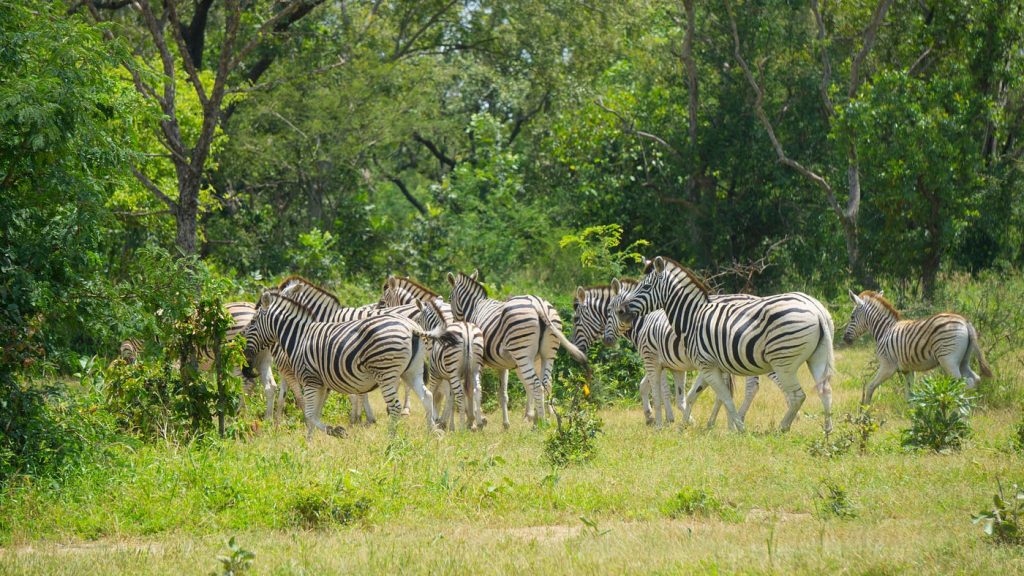

Stay Informed With the Latest & Most Important News
Previous Post
Next Post


Advertisement