
Now Reading: The Role of Nigeria in African Union Leadership
1
-
01
The Role of Nigeria in African Union Leadership


🇳🇬 Introduction
Nigeria, often called the “Giant of Africa”, has long played a pivotal role in African politics, peacekeeping, and integration. Within the African Union (AU), Nigeria’s influence is deeply felt through its diplomacy, economic power, and commitment to Pan-African ideals.
🏛️ Nigeria and the Birth of the African Union
- The African Union (AU) was founded in 2002, succeeding the Organization of African Unity (OAU) established in 1963.
- Nigeria was a founding member of the OAU, actively pushing for African independence, anti-apartheid efforts, and regional solidarity.
- Leaders like Nnamdi Azikiwe, Tafawa Balewa, and later Olusegun Obasanjo positioned Nigeria as a Pan-African voice.
💼 Nigeria’s Leadership Roles in the AU
1. 🌐 Diplomatic Influence
- Nigeria often mediates in conflicts across Africa (Liberia, Sierra Leone, Sudan, etc.).
- It contributes to AU Peace and Security Council discussions and decisions.
- Nigerian diplomats frequently hold key AU positions.
2. 💰 Financial Contributions
- Nigeria is one of the top financial contributors to the AU.
- This funding supports peace missions, development projects, and AU administrative functions.
3. 🕊️ Peacekeeping & Security
- Nigeria leads in providing troops for AU peacekeeping missions.
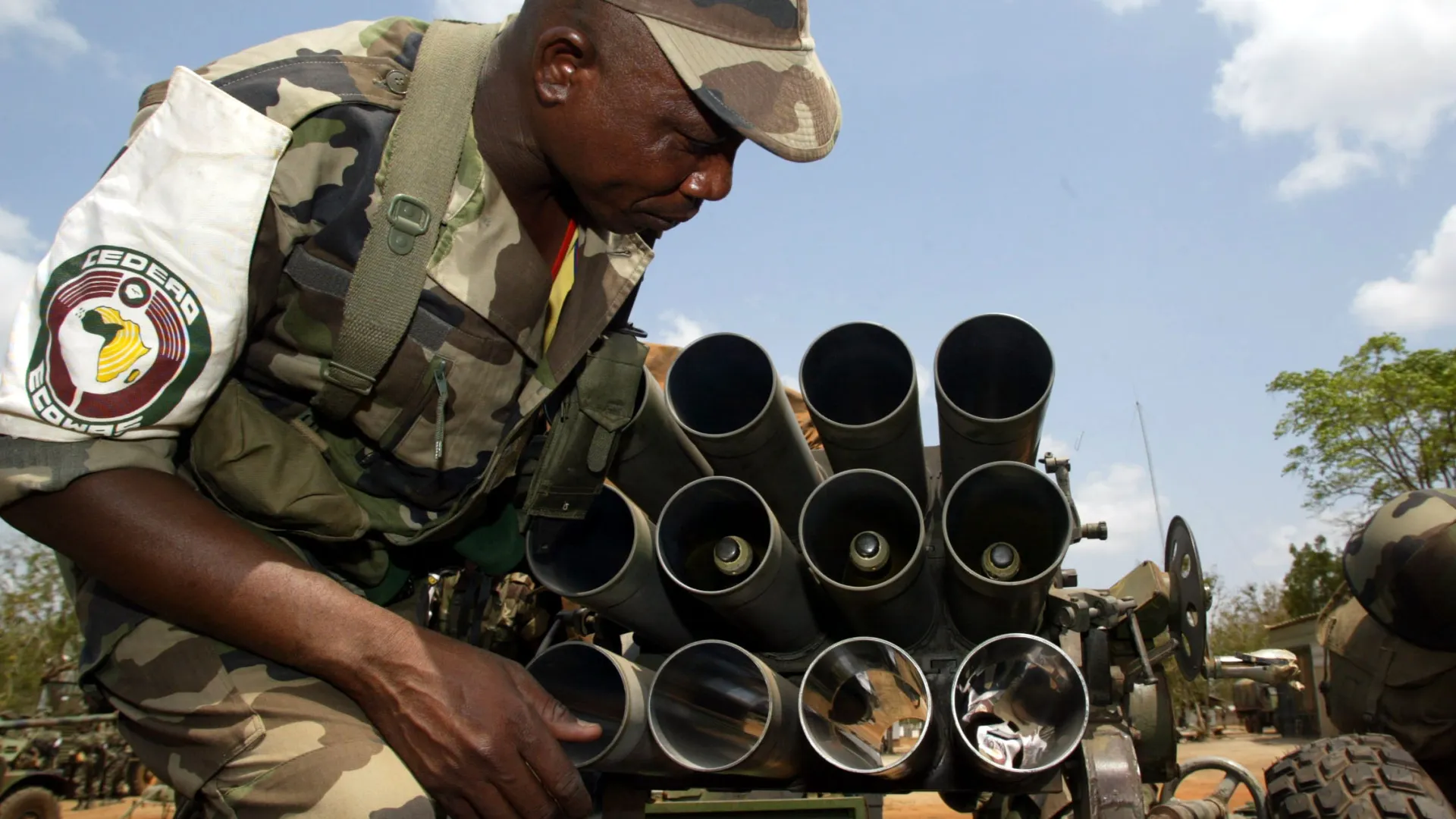
- Through ECOWAS (Economic Community of West African States), often backed by the AU, Nigeria has been central in resolving West African crises.
- Example: Nigeria played a decisive role in ending wars in Liberia and Sierra Leone.
4. 📚 Education & Development Initiatives
- Nigeria pushes AU initiatives in youth empowerment, education, and digital economy.
- Home to many Pan-African research centers and universities that align with AU’s Agenda 2063 goals.
5. 🎤 Nigerian Leaders in AU Affairs
- Former Nigerian presidents like Olusegun Obasanjo and Goodluck Jonathan have been AU envoys.
- Nigerians also serve in AU commissions, strengthening the country’s voice in continental policymaking.
🌟 Nigeria’s Vision for Africa
- Advocates for a united, economically integrated Africa.
- Strong supporter of the African Continental Free Trade Area (AfCFTA).
- Promotes democracy and human rights, though it also faces challenges domestically.
- Sees itself as a bridge between Anglophone and Francophone Africa, uniting diverse voices.
⚖️ Challenges to Nigeria’s AU Leadership
- Domestic issues: insecurity, corruption, and economic instability sometimes weaken Nigeria’s external influence.
- Competition from other African powers: South Africa, Egypt, and Ethiopia also vie for AU leadership roles.
- Need to match rhetoric with action—especially in financing and peacekeeping commitments.
✅ Conclusion
Nigeria remains a pillar of the African Union, providing diplomatic, financial, and military leadership. Its historical role in decolonization, peacekeeping, and integration reflects a Pan-African spirit that continues today.
🌍 As Africa pushes forward with the AfCFTA, digital transformation, and Agenda 2063, Nigeria’s role will be vital in shaping the continent’s future.
🇳🇬 The Giant of Africa is not just a name—it is a responsibility Nigeria carries within the AU.










Related Posts

Stay Informed With the Latest & Most Important News
Previous Post
Next Post

Advertisement

Donations






Loading Next Post...


