
Now Reading: Usman dan Fodio – The Scholar and Empire Builder
1
-
01
Usman dan Fodio – The Scholar and Empire Builder


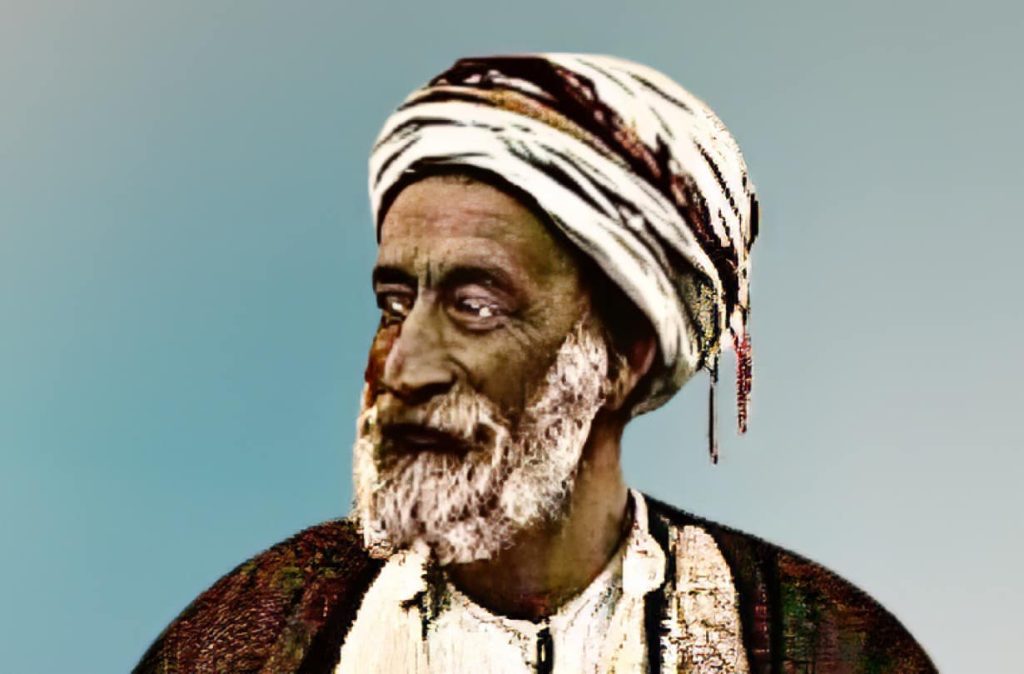
📍 Quick Facts
- Full Name: Shehu Usman dan Fodio
- Born: December 1754 – Gobir, Hausaland (present-day Sokoto State, Nigeria)
- Died: April 1817 – Sokoto, Nigeria
- Occupation: Islamic Scholar, Teacher, Reformer, Empire Founder
- Known For: Founding the Sokoto Caliphate (1804–1817)
- Title: Shehu (Scholar/Saint)
🌱 Early Life & Education
- Born into a Fulani family of Islamic scholars in Gobir.
- Educated in Qur’an, Hadith, Islamic jurisprudence (Fiqh), and theology.
- Influenced by Sufi traditions, especially the Qadiriyya order.
- Became a respected teacher and preacher across Hausaland.
✨ Preaching & Reform Movement
- Preached Islamic revivalism, urging rulers and people to abandon corruption, pagan practices, and unjust leadership.
- Criticized excessive taxation, oppression of the poor, and un-Islamic customs among Hausa rulers.
- His message gained a large following among Fulani pastoralists, Hausa peasants, and even some rulers.
⚔️ The Jihad of 1804
- In 1804, after persecution by the ruler of Gobir, Usman dan Fodio declared a jihad (holy struggle).
- His followers, known as the jama’a, rallied under his leadership.
- The jihad led to the overthrow of several Hausa kingdoms.
🏰 Founding of the Sokoto Caliphate
- Established the Sokoto Caliphate (1804–1817), the largest centralized Islamic state in West Africa.
- The caliphate united much of northern Nigeria and beyond, lasting for nearly a century until British colonization in 1903.
- Introduced Islamic law (Sharia) as the basis of governance.
- Promoted education, justice, and literacy in Arabic and Hausa Ajami.
📚 Scholar & Writer
- Authored more than 100 books on religion, governance, poetry, and social reform.
- Advocated for women’s education, with his daughter Nana Asma’u becoming a renowned scholar and poet.
- Emphasized the role of leaders as servants of the people.
🏆 Legacy
- Usman dan Fodio is celebrated as:
- A religious reformer who purified Islamic practice.
- A nation-builder, founder of one of Africa’s most influential empires.
- A scholar, whose works continue to influence Islamic thought in West Africa.
- His dynasty, the Sokoto Caliphate, still has symbolic influence today through the Sultan of Sokoto.
💬 Famous Quote
“A kingdom can endure with unbelief, but it cannot endure with injustice.”
🌍 Lasting Impact
- The Sokoto Caliphate shaped the politics, religion, and culture of Northern Nigeria.
- His vision of governance rooted in justice and education left a permanent mark on Nigerian history.
- He remains one of Africa’s most respected historical figures.
✅ Conclusion
Usman dan Fodio was more than a conqueror — he was a scholar, teacher, and visionary leader. By founding the Sokoto Caliphate, he reshaped northern Nigeria, leaving a legacy of faith, scholarship, and governance that still resonates today.










Related Posts

Stay Informed With the Latest & Most Important News
Previous Post
Next Post
Previous Post

Next Post

Advertisement

Donations






Loading Next Post...


