Now Reading: The Lexicon of Resilience: An Expert Analysis of Nigerian Slang, Pidgin, and Street Culture
-
01
The Lexicon of Resilience: An Expert Analysis of Nigerian Slang, Pidgin, and Street Culture
The Lexicon of Resilience: An Expert Analysis of Nigerian Slang, Pidgin, and Street Culture

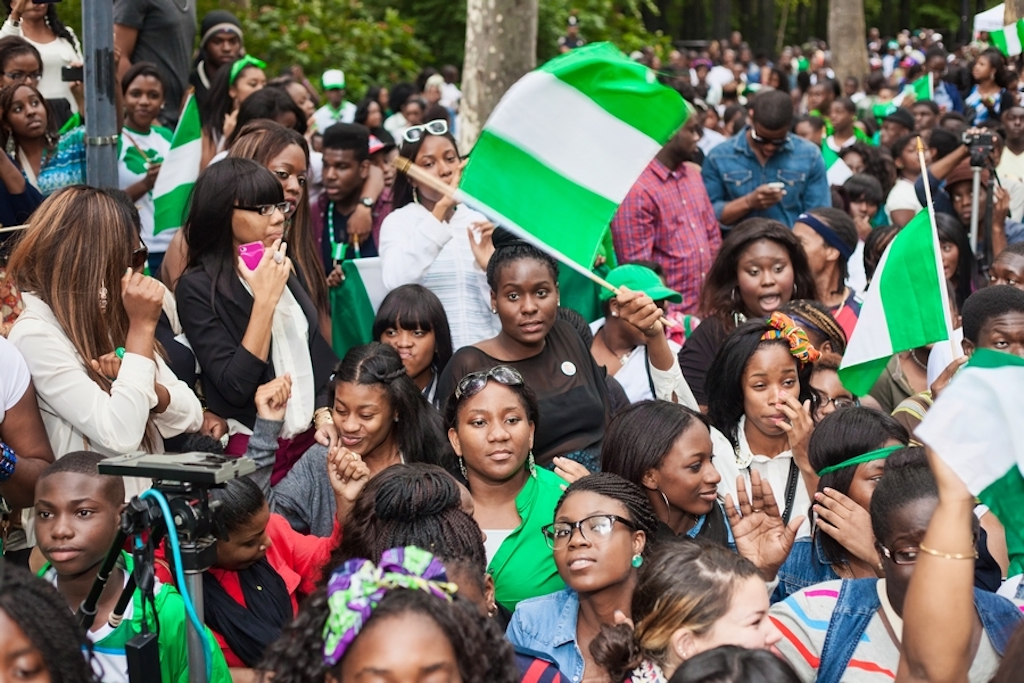
This report provides a comprehensive analysis of Nigerian slang, situating it within the broader linguistic and cultural landscape of Nigerian Pidgin English (NPE). The analysis demonstrates that Nigerian slang is far more than a collection of informal terms; it is a dynamic, evolving linguistic system that functions as a cultural barometer for resilience, identity, and social commentary. The study traces the historical origins of NPE from a stigmatized trade language to a pervasive symbol of national identity. It then deconstructs the linguistic features of Pidgin, such as its tonal grammar and use of reduplication, to show how its very structure reflects a profound history of cultural fusion.
The report presents a thematic typology of modern slang, revealing how terms for humor, hardship, and defiance form a collective lexicon for navigating a complex social reality. This linguistic system serves as a collective coping mechanism, transforming individual struggle into a shared, relatable narrative. The report further examines the mechanisms of diffusion, detailing the symbiotic relationship between street language and Nigerian cultural exports like Afrobeats, Nollywood, and social media. These platforms act as powerful amplifiers, propelling local expressions into the global mainstream. Finally, the analysis discusses the growing international recognition of Nigerian slang, particularly its inclusion in prestigious dictionaries, as a form of non-coercive soft power that projects Nigerian identity onto the world stage. The report concludes that this linguistic ecosystem is a testament to the creativity and adaptability of the Nigerian people, and its continued evolution highlights the tension between grassroots dynamism and the push for formal standardization.
Part 1: The Linguistic Bedrock – Nigerian Pidgin English (NPE)
1.1 A History of Contact and Convergence: The Birth of a Lingua Franca
The origins of Nigerian Pidgin English (NPE) are deeply embedded in the history of international trade and colonial contact in West Africa. The language came into existence during the 17th century as a result of commercial interactions between British traders and local populations in the Niger Delta region. In a country boasting more than 300 languages, with some estimates exceeding 550 distinct tongues, a shared medium of communication was a practical necessity. NPE emerged from this necessity, initially serving as a rudimentary trade language to bridge the vast linguistic gap between the various ethnic groups and the European newcomers. Its development was particularly pronounced in the large cities and port areas of southern Nigeria, where urbanization and inter-ethnic mixing created a fertile ground for its proliferation.
Historically, NPE was viewed with a negative attitude by the educated elite, who often associated it with non-educated people. It was frequently caricatured as a “bad form of English” or “broken English”. This perception created a clear linguistic hierarchy, where Standard English, the language of the former colonial power, held the highest status, while Pidgin was relegated to informal, low-status use. However, this power dynamic has undergone a profound inversion. The language is now widely used even among educated Nigerians, writers, politicians, and musicians. This shift represents a deliberate cultural reclamation, where the embrace of NPE signifies a rejection of the colonial linguistic legacy.
The language has become an important symbol of solidarity and a means of expressing a unique national identity. Because it is not tied to any single ethnic group, NPE is a neutral linguistic space that allows speakers to stress their “Nigerianness” as opposed to their specific ethnic identity. This function is one that English, the language of the ex-colonial power, cannot fulfill. The rise of NPE from a stigmatized dialect to a widespread national lingua franca is a clear manifestation of a grassroots subversion of the imposed colonial linguistic structure. It is an act of creating a shared linguistic culture that is fundamentally distinct from its colonial origins, mirroring similar post-colonial situations in multi-ethnic nations like the Mauritius Islands. Despite this cultural significance, NPE has not yet been granted official status in Nigeria, a fact some Nigerians have suggested should change given its widespread use and unifying characteristics.
1.2 The Anatomy of Pidgin: Structure, Tone, and Reduplication
Nigerian Pidgin English is not simply a simplified or “broken” version of its English superstrate; it is a complex and self-contained linguistic system with its own unique rules and structures. The language’s grammar reflects its origins as a contact language, with a simplified morphology that largely dispenses with the inflectional systems of English for gender, number, and person. Instead of using suffixes like ‘-ed’ for past tense or ‘-s’ for plural, NPE employs separate markers. For instance, the past tense is indicated by the marker
bin, and the progressive tense by the marker de.
A key and distinctive feature of NPE is its tonal nature, a direct influence from its substrate languages, such as Yoruba and Igbo. Like many West African languages, NPE is a tonal language where the pitch of a syllable, whether high or low, can change a word’s meaning. The word
baba, for example, can have different meanings depending on its tone, a concept absent in English but central to many African languages. This tonal quality, along with other non-segmental features, demonstrates that NPE’s phonology and lexicon are a direct result of the transfer of patterns from indigenous languages.
Another prominent linguistic device is reduplication, where a word is repeated to intensify its meaning. This is used for emphasis, such as in
well well (very well) or listen well well (pay close attention), or to describe a quality, such as koro-koro (clear vision) and yama-yama (disgusting). This process is a hallmark of many West African languages and further illustrates how the structure of Pidgin is a fusion of different linguistic traditions. The lexicon itself is a rich blend of English, local Nigerian languages—like Igbo, Yoruba, and Hausa—and even Portuguese, reflecting the centuries of trade and cultural exchange that shaped the language. Words like
pikin (child) from Portuguese, una (you people) from Igbo, and oga (boss) from Yoruba are all integral parts of NPE’s vocabulary.
This fusion of linguistic elements demonstrates that NPE is not merely “broken English” but a distinct and complex creole language with its own internal logic. The Naija Languej Akademi, for example, is actively working to formalize a standardized orthography for NPE, with a system that is phonetically based and includes diagraphs and diacritics to represent sounds not found in the Roman alphabet. The academy’s efforts to establish a writing system, grammatical rules, and a dictionary further legitimize NPE as a structured language, capable of fulfilling more formal roles than its current status. The very anatomy of NPE, therefore, serves as a powerful testament to the cultural and linguistic convergence that defines modern Nigeria.
Part 2: The Language of the Streets: Slang as a Cultural Barometer
2.1 A Thematic Typology of the Modern Slang Lexicon
The lexicon of modern Nigerian slang is not a random collection of words; it is a thematically organized linguistic system that provides a clear window into the social, economic, and political realities of the country. These terms can be categorized to reveal how they collectively address shared experiences, from everyday greetings to discussions of financial hardship and social conflict.
For instance, a significant portion of the lexicon is dedicated to Greetings and Social Interaction. Terms like How Bodi? (How are you?), How Far? (Hi), and Wetin dey happen? (What’s going on?) serve as laid-back, informal greetings that foster a sense of camaraderie. Other phrases like
Abeg (Please) or Abi? (Isn't it?) are essential for navigating daily conversations with a uniquely Nigerian flair.
Another prominent category is Financial and Success. Slang terms in this group often provide a shared, humorous vocabulary for discussing economic realities. Sapa refers to financial struggles or being broke, while Japa (from the Yoruba word for to flee) describes the act of migrating abroad for better opportunities. These terms give a name to widespread challenges, turning personal hardship into a collective, relatable narrative. The counterpoint to these terms of struggle are expressions of success, such as
Hammer (to get a windfall of money), Opor (abundance or excess), and Chop life (to enjoy life to the fullest), which express aspiration and celebrate success.
Finally, the category of Trouble and Conflict provides a rich vocabulary for describing various forms of chaos and disagreement. Wahala is the universal term for trouble, and its variations, such as Wahala Be Like Bicycle (trouble that escalates quickly) and the celebratory phrase No Wahala (no problem), reflect a nuanced understanding of conflict. Other terms like
Gbas Gbos (a heated argument), Para (anger), and the playful Vawulence (drama or chaotic behavior) all provide a unique, often humorous, way of commenting on social friction.
The following table provides a clear, organized breakdown of these categories, demonstrating the depth and thematic organization of the modern slang lexicon.
| Slang Term | Direct Meaning | Thematic Category | Cultural Context |
| How Bodi? / How You Dey? | How are you? / How are you doing? | Greetings & Social Interaction | Informal, friendly greeting. |
| How Far? | Hey, Hi | Greetings & Social Interaction | Common, laid-back greeting. |
| Abeg | Please | Greetings & Social Interaction | Often used to show impatience or to emphasize a request. |
| Sapa | Financial struggles, being broke | Financial & Success | Gives a name to a widespread economic reality. |
| Japa | To escape or flee | Financial & Success | Reflects the reality of migration for greener pastures. |
| Opor | Abundance, excess | Financial & Success | Expresses excitement and celebration of success. |
| Wahala | Problem, trouble | Trouble & Conflict | A ubiquitous term for life’s complications. |
| Wahala Be Like Bicycle | Trouble that escalates quickly | Trouble & Conflict | Humorous, metaphorical take on how problems can unfold. |
| Gbas Gbos | A chaotic argument, drama | Trouble & Conflict | Mimics sound of a confrontation, used to describe verbal fights. |
| E Choke | Overwhelming excitement or amazement | Overwhelm & Expression | A celebratory phrase for impressive events or achievements. |
| Ginger | To energize or hype someone up | Resilience & Motivation | Encourages perseverance and confidence. |
| Mafo | Don’t panic, stay calm | Resilience & Motivation | A reassuring term for difficult situations. |
Export to Sheets
2.2 Slang as a Reflection of Resilience and Resistance
Nigerian slang functions as a collective psychological coping mechanism and a powerful tool for social and political commentary. The terms that have gained widespread use are not arbitrary; they are direct linguistic responses to the persistent challenges that many Nigerians face. For example, the terms Sapa and Japa are more than just words describing financial struggles and emigration. They represent a collective naming of difficult experiences, turning individual pain into a shared, relatable narrative. By giving a name to these struggles, the population can create a sense of community and control in the face of widespread uncertainty. The term
Shege Pro Max, a humorous blend of the Hausa word for misfortune and tech terminology, epitomizes this. It transforms economic hardship into a witty, modern expression, demonstrating a resilient ability to find humor in adversity.
Conversely, the lexicon also contains a rich collection of terms that express a deep-seated spirit of optimism and defiance. Phrases like Mafo (don't panic), E Go Be (it will be well), and Las Las (eventually or in the end) provide a linguistic framework for navigating difficulties with hope and perseverance. These terms offer a cultural counterbalance to the words of hardship, functioning as verbal tools to maintain composure and faith in a better future, a mindset essential for survival and growth in the face of significant challenges.
The political and social dimensions of slang are also particularly pronounced. During recent social movements, terms emerged as powerful calls to action. Soro Soke (speak up) became a rallying cry for young people to voice their concerns and demand change. Similarly,
No Gree For Anybody (don't concede to anyone) serves as a modern-day maxim of perseverance, encouraging individuals to stand their ground in the face of opposition. These terms demonstrate that slang is not just a passive reflection of society but an active tool for resistance and mobilization, providing a voice for a generation and reinforcing their collective identity. This process of linguistic creation allows a culture to give voice to its struggles while simultaneously building a lexicon of hope and defiance. It is a powerful illustration of how language can be used to forge a shared identity and promote social cohesion in times of great pressure.
Part 3: Cultural Diffusion and Global Influence
3.1 Media as a Cultural Amplifier: Afrobeats, Nollywood, and Social Media
The global proliferation of Nigerian slang is intrinsically linked to the country’s thriving creative industries, which act as powerful cultural amplifiers. Nigerian music, films, and digital content have gained international acclaim, serving as primary vehicles for introducing local expressions to a global audience.
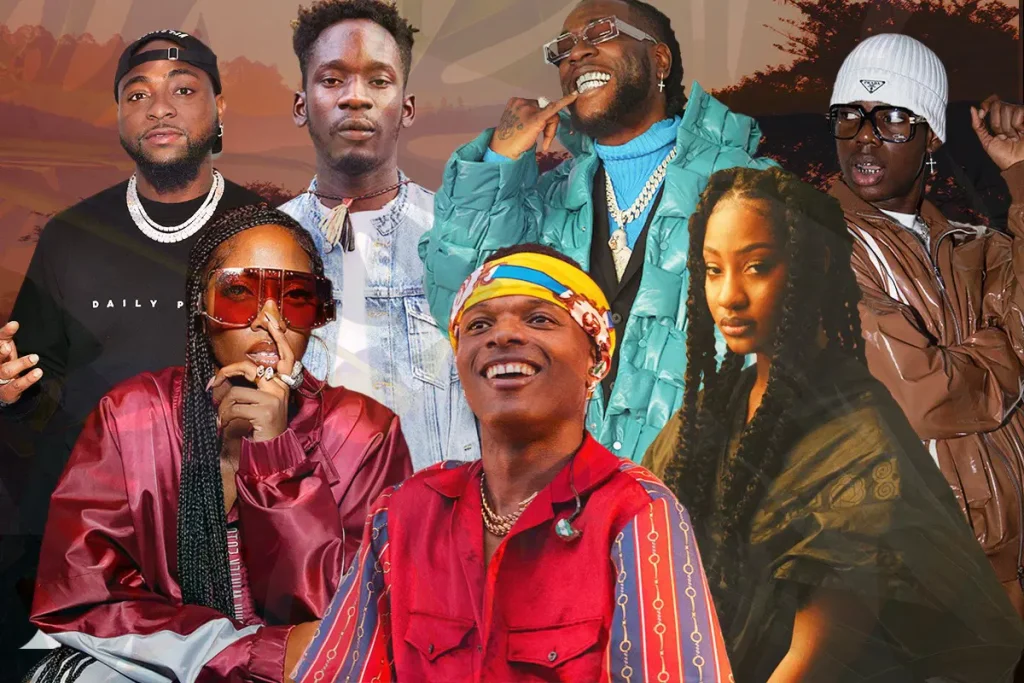
Afrobeats, in particular, has a symbiotic relationship with street language. Artists frequently integrate slang into their lyrics, giving the terms a platform that transforms them into viral cultural markers. For example, superstar Davido popularized the phrase
E Choke, an expression of overwhelming excitement, which became a go-to response for fans celebrating a win or an impressive achievement. Similarly, Naira Marley’s song “Japa” turned the term from a Yoruba word for
fleeing into a mainstream anthem for anyone seeking to escape a difficult situation. Burna Boy’s hit “Last Last” cemented
Las Las as a popular phrase for resignation and optimism. This process creates a “viral loop” where street slang is picked up by artists, embedded in their music, and then adopted by a global audience who internalize the terms and their cultural context.
Nollywood, the Nigerian film industry, plays a similar role. Historically, actors and filmmakers have used street language to create authentic and relatable characters and provide comic relief. The phrase
Gerrarahia (get out of here), for instance, became a widely used expression after actor Francis Odega popularized it in a film series. While some research suggests that Nollywood films are dominated by English, they are nonetheless a powerful medium for showcasing “Nigerianisms” and local slang, which are often sprinkled throughout the dialogue.
Social media platforms like Twitter, Instagram, and TikTok have supercharged this diffusion process, acting as a “cultural melting pot”. Viral memes, skits, and conversations amplify slang terms, bringing them to a wider audience and providing context that makes them easily understandable. This digital amplification ensures that phrases popularized in a song or film can quickly transcend local usage and resonate with diasporic communities and international audiences.
The following table demonstrates this viral loop with specific examples:
| Slang Term | Media Source (Artist/Film) | Year of Popularization | Impact |
| Japa | Naira Marley (Song) | 2018 | Over 2.3 million Spotify streams; became a soundtrack for escaping wahala. |
| E Choke | Davido (Phrase/Artist) | 2021 | Search stats spiked; adopted widely across TikTok, Instagram, and Twitter. |
| Las Las | Burna Boy (Song) | 2022 | The hit song “Last Last” made the phrase shorthand for “eventually, we go dey alright”. |
| Opor | Zlatan Ibile (Song) | 2019 | Popularized in his 2019 song; used to describe anything thrilling or grand. |
| Gerrarahia | Francis Odega (Nollywood film) | Circa 2010s | Became a viral phrase and was used in a song by a South African artist. |
3.2 The Quest for Legitimacy: Inclusion in Global Lexicons
The ultimate stage of Nigerian Pidgin and slang globalization is its formal recognition by international institutions. The inclusion of Nigerian terms like Japa, 419, Agbero, and yahoo in the Oxford English Dictionary (OED) is a significant milestone that extends beyond a simple linguistic update. This development is a source of national pride for Nigerians, reaffirming their cultural identity and showcasing the creativity and resilience with which they have adapted a colonial legacy into something uniquely their own. It demonstrates that Nigerian linguistic ingenuity is earning its rightful place in global discourse, much like the international successes of Afrobeats and Nollywood.
This linguistic spread is a prime example of non-coercive soft power. Unlike the historical imposition of English, which was a top-down, colonial process, the current diffusion of Nigerian slang is organic, popular, and driven by artistic and digital creativity. When a global audience consumes Nigerian music, films, and online content, they are implicitly adopting and internalizing the country’s linguistic and cultural markers. The OED’s recognition is a formal acknowledgment of this bottom-up influence, cementing a space for Nigerian identity in the evolving global lexicon.
However, this growing global acceptance presents a fundamental paradox. While formalization lends legitimacy, it also introduces a tension between the dynamic, context-dependent nature of street slang and the academic desire for standardization. The fluidity and flexibility that make the language so vibrant at the grassroots level are often what prevent it from being officially sanctioned. Critics have voiced concerns that as these terms gain international acceptance, they may lose their cultural nuances and be misinterpreted or misused by non-native speakers. This highlights a core challenge: the very process of formalization that validates the language also risks diluting its authenticity and its profound cultural ties.
Conclusion: A Dynamic and Resilient Linguistic Ecosystem
The evidence presented in this report establishes that Nigerian slang and street culture are not mere linguistic curiosities but a dynamic and resilient system. Its foundation, Nigerian Pidgin English, evolved from a stigmatized trade language to a powerful post-colonial identity marker, a linguistic space where a multicultural society can express its collective identity in a way that the colonizer’s language cannot. The very structure of Pidgin, with its tonal grammar and reduplication, is a living testament to the centuries-long cultural and linguistic fusion that defines Nigeria.
The thematic typology of modern slang reveals that this lexicon is a collective sense-making tool. By creating words for shared struggles like Sapa and aspirations like Japa, Nigerians transform individual pain into a relatable, communal narrative. This linguistic system serves as a collective coping mechanism, reflecting a culture that gives voice to its challenges while simultaneously articulating a spirit of hope and defiance.
Furthermore, the analysis of media diffusion shows a powerful, non-coercive form of soft power. Nigerian cultural products like Afrobeats and Nollywood, amplified by social media, have propelled local expressions into the global mainstream. The ultimate recognition of this influence by institutions like the Oxford English Dictionary marks a significant milestone, validating this grassroots linguistic authority and cementing Nigeria’s place in global discourse.
In conclusion, the study of Nigerian street culture and slang is a study of a nation’s soul. It is a testament to the creativity, humor, and resilience of its people. As this linguistic ecosystem continues to evolve, it will undoubtedly navigate the ongoing tension between its grassroots dynamism and the push for formal standardization. To engage with this culture authentically, it is essential to move beyond a superficial understanding of the words and appreciate their deep-seated history and rich cultural context.










Related Posts
Stay Informed With the Latest & Most Important News
Previous Post
Next Post

Advertisement