Now Reading: Oral Traditions and Storytelling in Nigeria: Keeping Cultural Memory Alive
-
01
Oral Traditions and Storytelling in Nigeria: Keeping Cultural Memory Alive
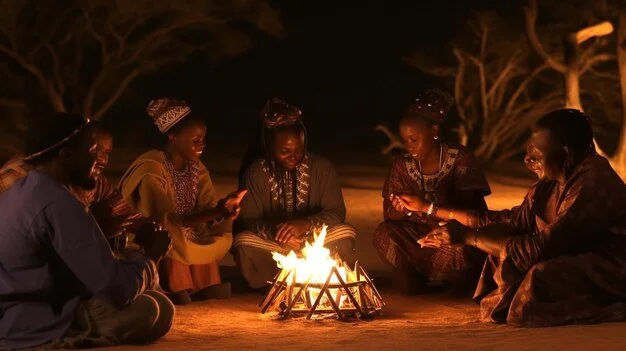
Oral Traditions and Storytelling in Nigeria: Keeping Cultural Memory Alive


🗣️ The Role of Oral Traditions
Oral traditions are more than entertainment—they are living archives of a people’s past. In Nigeria, they serve as:
- History Keepers: Oral histories recount the origins of clans, kingdoms, and migrations.
- Moral Guides: Proverbs and folktales instill values such as respect, humility, hard work, and justice.
- Cultural Identity: Stories help preserve indigenous languages, idioms, and unique ways of seeing the world.
- Social Cohesion: Storytelling brings communities together in communal gatherings, festivals, and rites of passage.
📖 Folklore and Mythology
Nigeria’s folklore is vast and diverse, reflecting the beliefs and imagination of its people:
- Yoruba Mythology: Tales of the Orishas (deities) like Sango (god of thunder) and Osun (goddess of fertility) teach lessons of power, balance, and morality.
- Igbo Folktales: Stories of the tortoise (Mbe), often clever but mischievous, highlight wisdom, cunning, and the consequences of greed.
- Hausa Legends: Epic tales such as those of Bayajidda, the hero linked to the founding of Hausa city-states, preserve history and identity.
- Cross-Ethnic Myths: Stories about animals, spirits, and ancestral heroes resonate across Nigeria’s diverse cultures.
💬 Proverbs as Cultural Wisdom
Proverbs are central to Nigerian communication. They condense wisdom into memorable phrases that guide everyday life.
- Yoruba: “Bi o ti wu ki o gùn, eni tí yó kú, yó kú.” (No matter how tall you are, death will still reach you.)
- Igbo: “Proverbs are the palm oil with which words are eaten.”
- Hausa: “Komai nisan jifa, ƙasa zai fāɗi.” (No matter how far you throw it, it will fall to the ground.)
Proverbs are not just sayings—they are cultural signposts.
🎭 Storytelling as Performance
In many Nigerian communities, storytelling is accompanied by music, dance, and drama. Griots, drummers, and elders animate stories, turning them into shared experiences. Modern Nigerian theatre, Nollywood films, and spoken word poetry all draw from these traditions, blending the old with the new.
🚧 Challenges in Preserving Oral Traditions
- Urbanization and Modernity: Younger generations may see folklore as old-fashioned.
- Language Erosion: With English and Pidgin dominating, indigenous languages risk decline.
- Documentation Gaps: Many stories are at risk of being lost if not recorded.
🌍 Reviving and Preserving Oral Traditions
- Digital Archives: Recording and sharing folktales online to reach global audiences.
- Education: Integrating folklore and proverbs into school curricula.
- Festivals & Competitions: Encouraging storytelling contests to keep traditions alive.
- Nollywood & Media: Using film and music to reinterpret folklore for younger audiences.
✅ Conclusion
Nigeria’s oral traditions—its folklore, proverbs, and storytelling—are treasures that preserve the memory, wisdom, and spirit of its people. They remind Nigerians of who they are, where they come from, and the values that should guide them forward.
As the world modernizes, these traditions must not fade. Instead, they should evolve, ensuring that Nigeria’s stories continue to inspire generations yet to come.










Related Posts


Stay Informed With the Latest & Most Important News
Previous Post
Next Post

Advertisement