
Now Reading: Emir of Gombe: Custodian of the Gombe Emirate
1
-
01
Emir of Gombe: Custodian of the Gombe Emirate
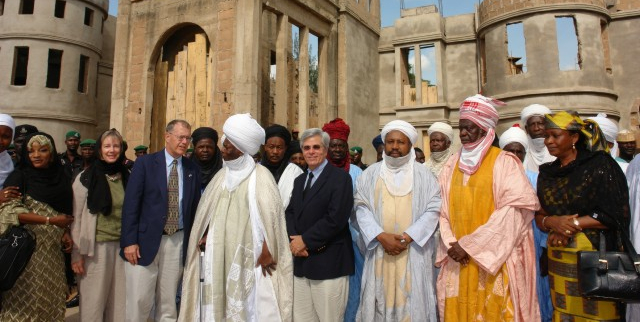

Historical Background
The Emir of Gombe is the traditional ruler of the Gombe Emirate, headquartered in Gombe State, Nigeria.
- The emirate was established in the early 19th century during the Sokoto Jihad of Shehu Usman dan Fodio.
- Founded by Modibbo Bubayero (1805–1841), a Fulani scholar and military leader, who established Gombe as part of the Sokoto Caliphate.
- The emirate originally covered a vast area, including parts of present-day Gombe, Bauchi, and Adamawa States, before colonial restructuring.
Meaning of the Title
- The title Emir reflects Gombe’s incorporation into the Fulani emirate system of the Sokoto Caliphate.
- The Emir is both a spiritual leader and cultural custodian of the Fulani and other peoples living within Gombe Emirate.
Role and Authority
- Cultural Custodian: Preserves Fulani heritage and Gombe traditions.
- Spiritual Father: Oversees Islamic education, mosques, and religious festivals.
- Mediator: Resolves disputes and promotes peace in a multi-ethnic state.
- National Statesman: Represents Gombe in the Northern Traditional Rulers’ Council and the National Council of Traditional Rulers of Nigeria.
The Palace
- The Emir resides in the Gombe Emir’s Palace, a cultural and political landmark in the city of Gombe.
Notable Emirs
Modibbo Bubayero (1805–1841)
- Founder of the Gombe Emirate, established Fulani rule and Islamic governance.
Abubakar Umar (1984–2014)
- Reigned for 30 years, respected for his wisdom and stability.
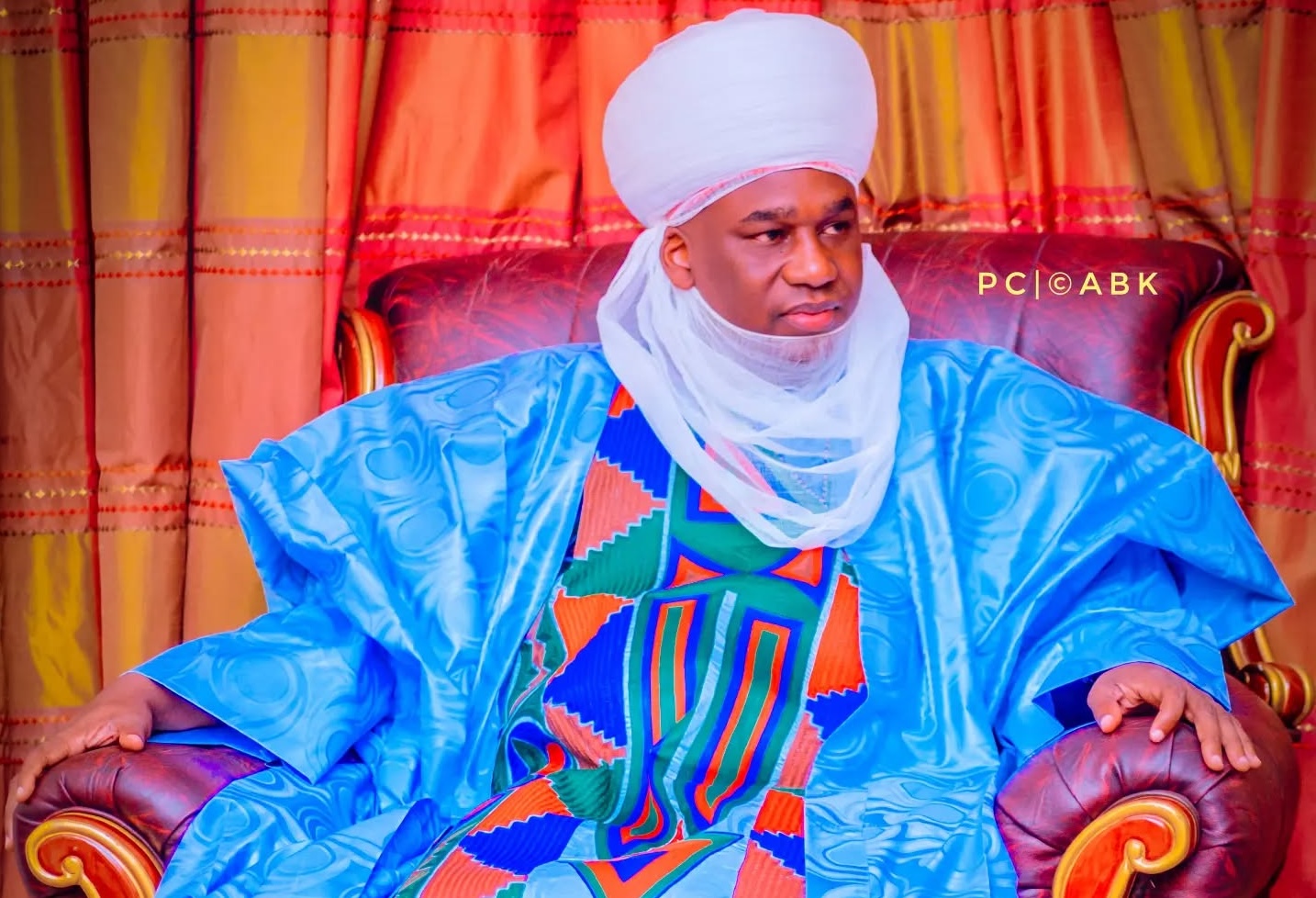
Current Emir: Abubakar Shehu Abubakar III (2014–present)
- Alhaji Abubakar Shehu Abubakar III was installed on 6 June 2014 as the 11th Emir of Gombe, succeeding his late father, Emir Shehu Usman Abubakar II (1984–2014).
- Born on 17 December 1977, making him one of the youngest first-class emirs in Nigeria at the time of his coronation.
- Educated at University of Maiduguri, where he studied political science.
His Reign and Leadership
- Modern Leadership: Represents a younger generation of traditional rulers in Nigeria.
- Education and Youth Development: Advocates for education, vocational training, and empowerment of young people in Gombe State.
- Peace Advocate: Promotes interfaith dialogue and peaceful coexistence in a state with diverse ethnic groups.
- National Role: Active member of the National Council of Traditional Rulers of Nigeria, working alongside senior emirs like the Sultan of Sokoto.
Cultural Significance
- Presides over Islamic celebrations such as Eid al-Fitr and Eid al-Adha, marked by the colorful Durbar Festival.
- Encourages preservation of Fulani language (Fulfulde), music, and cultural identity.
Legacy and Significance (So Far)
- Seen as a bridge between tradition and modern governance, blending youthful energy with ancestral authority.
- Strengthened the visibility of Gombe Emirate nationally and internationally.
- Symbol of continuity as the 11th ruler in the Bubayero dynasty.
Conclusion
The Emir of Gombe is more than a monarch — he is a custodian of Fulani-Islamic heritage, a symbol of unity in Gombe State, and a representative of modern traditional leadership in Nigeria. From Modibbo Bubayero’s founding of the emirate in 1805 to Abubakar Shehu Abubakar III’s youthful reign today, the Gombe throne continues to embody resilience, cultural pride, and peace.










Related Posts


Stay Informed With the Latest & Most Important News
Previous Post
Next Post

Advertisement

Donations








Loading Next Post...


