I. Introduction: Defining Nigeria’s Pan-African Trajectory The concept of Pan-Africanism represents a profound philosophical and political movement, rooted in the shared struggles of people of African descent against enslavement, colonialism,
I. Introduction: Defining Nigeria’s Pan-African Trajectory The concept of Pan-Africanism represents a profound philosophical and political movement, rooted in the shared struggles of people of African descent against enslavement, colonialism,
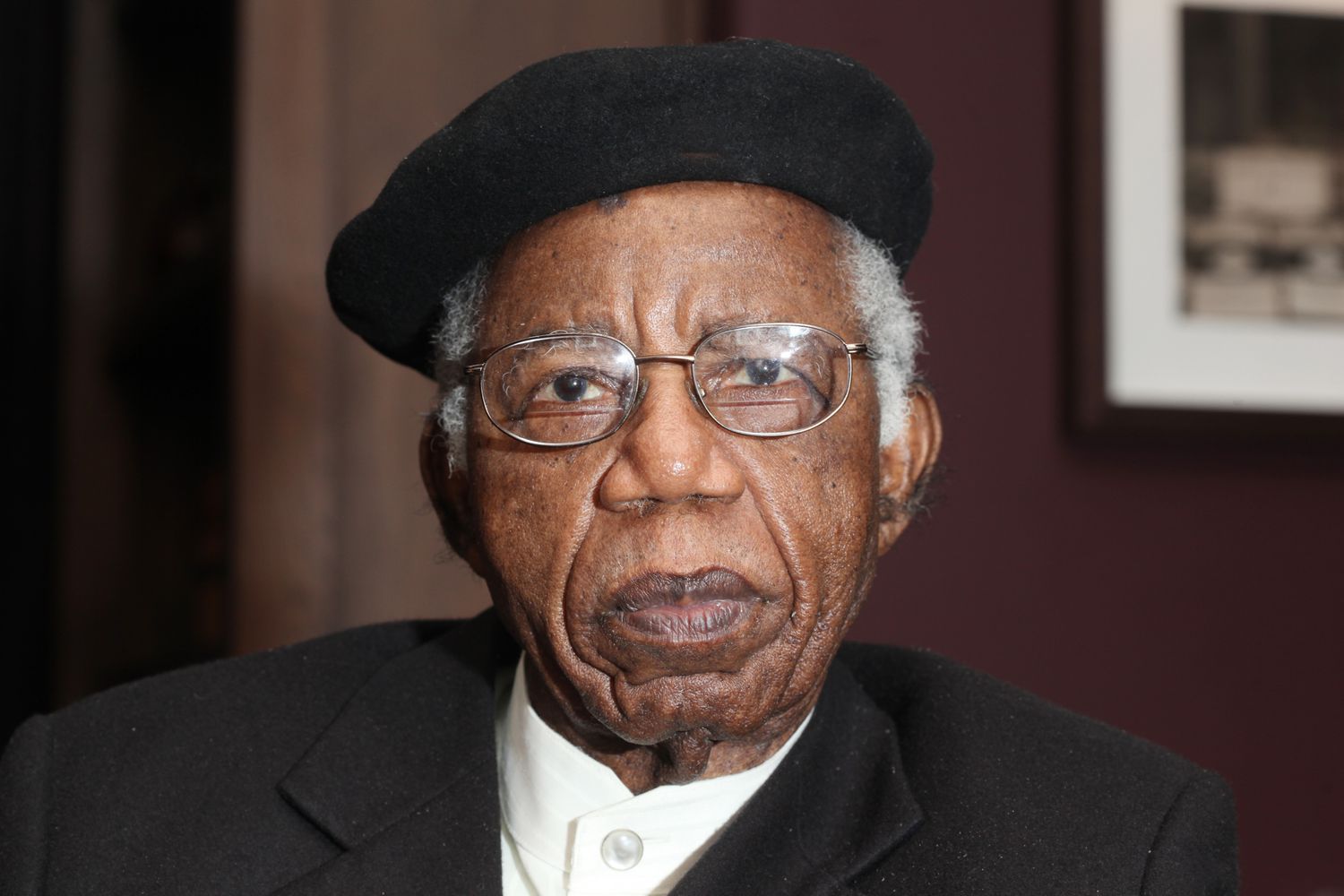
This report provides a comprehensive examination of Nigerian literature, tracing its evolution from deep-seated oral traditions to its current status as a formidable global literary force. It argues that Nigerian
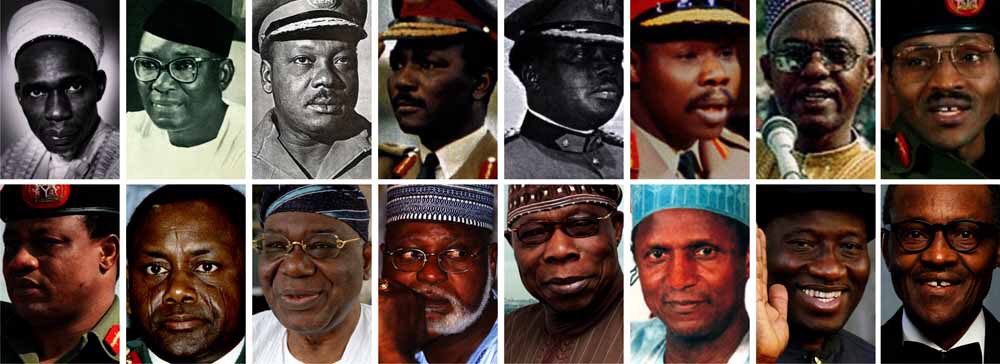
Nigeria’s democratic journey is a cyclical narrative marked by repeated transitions between civilian and military rule. This report argues that the nation’s political fragility is not incidental but is deeply
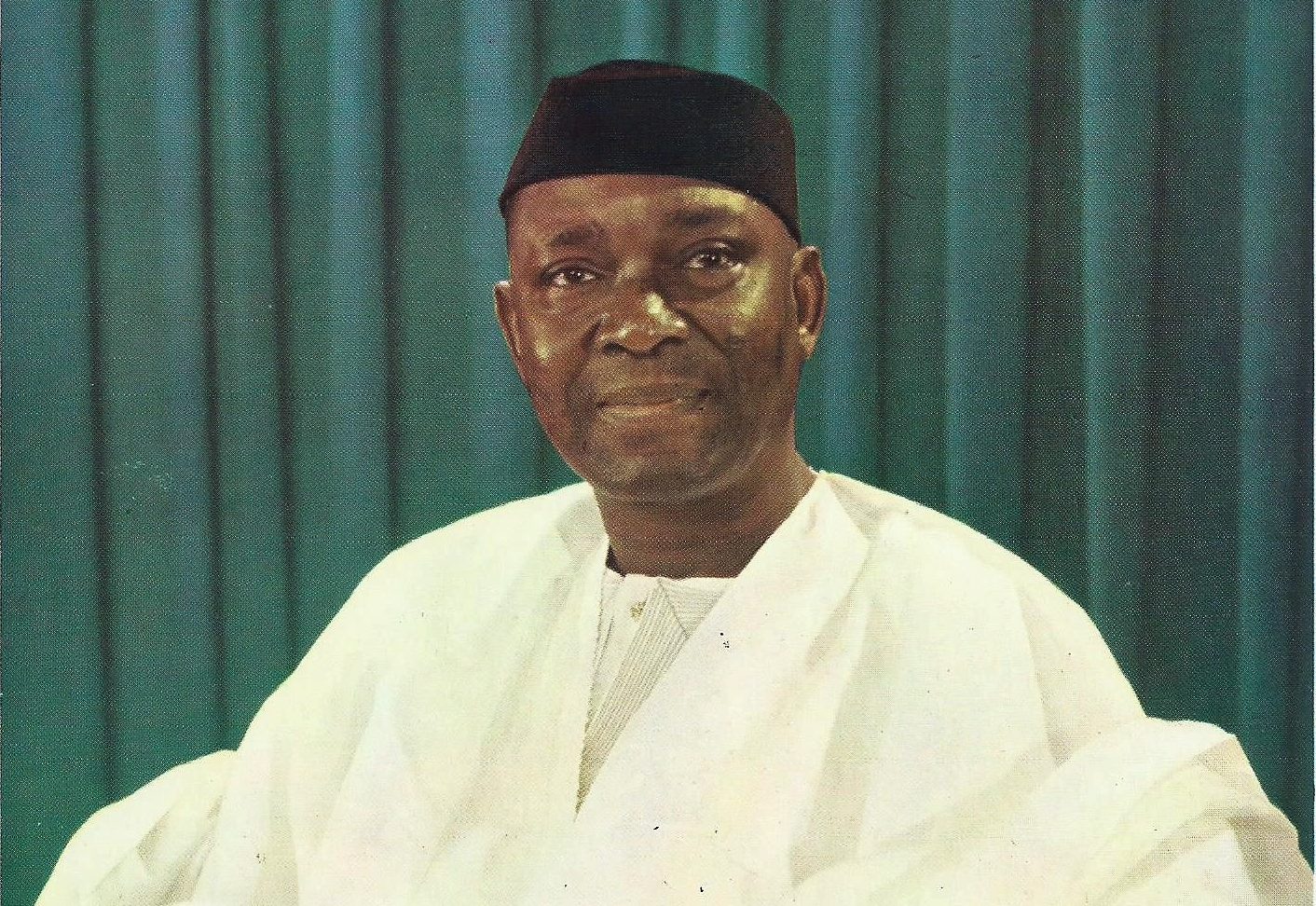
This report provides a comprehensive overview of the major political figures who have shaped Nigeria’s trajectory from its independence in 1960 to the present day. It traces the nation’s complex

Nigeria is often described as a “federal republic,” but its federalism is unique—shaped by colonial legacies, ethnic diversity, and decades of political experimentation. With over 250 ethnic groups and a

Nigeria gained independence from Britain on October 1, 1960 after decades of colonial rule. This achievement was the result of the courage, vision, and persistence of nationalist leaders who fought—through