Now Reading: Major Political Figures of Nigeria: From Independence to Today
-
01
Major Political Figures of Nigeria: From Independence to Today
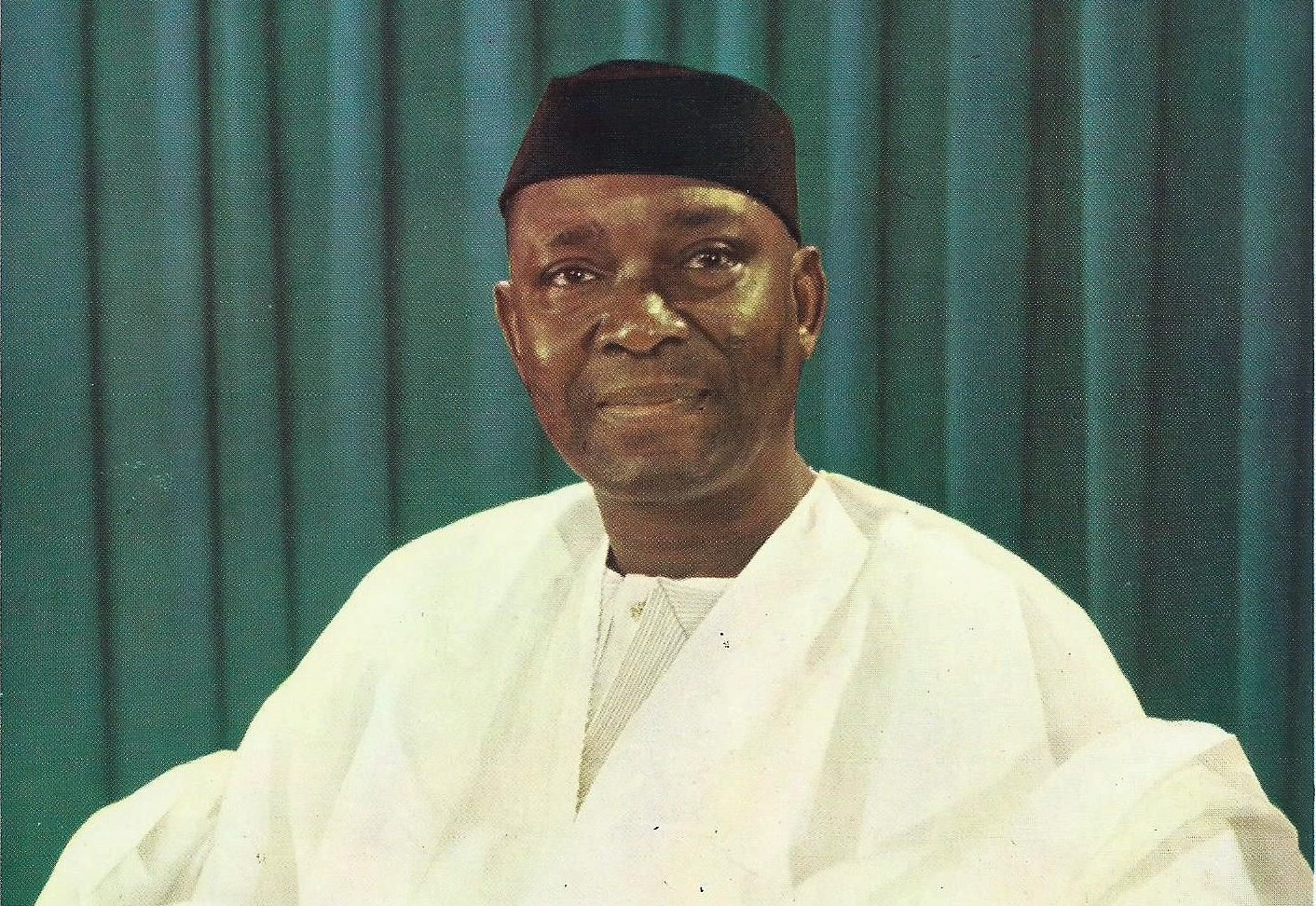

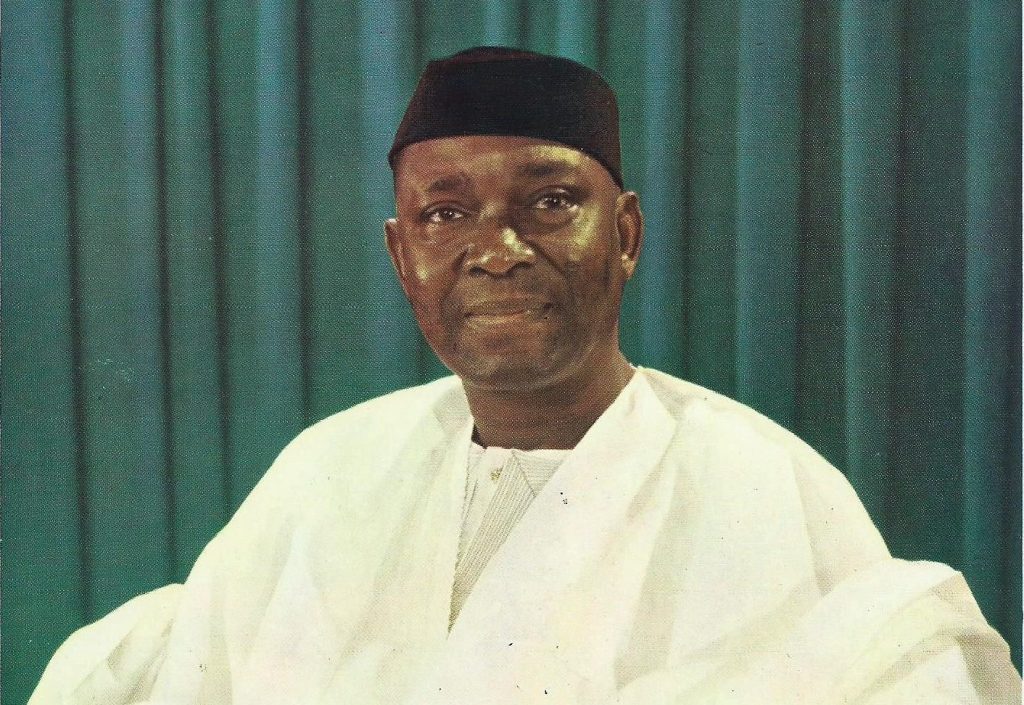
This report provides a comprehensive overview of the major political figures who have shaped Nigeria’s trajectory from its independence in 1960 to the present day. It traces the nation’s complex political evolution through periods of civilian rule and military interventions, highlighting the key leaders, their significant policies, and the broader socio-political contexts that defined their tenures. From the foundational leaders of the First Republic to the architects of military regimes and the presidents of the Fourth Republic, this analysis underscores the persistent themes of regionalism, ethnic dynamics, corruption, and the enduring struggle for democratic consolidation. The report identifies recurring patterns in leadership transitions and the profound impact of civil society and opposition movements on Nigeria’s political development.
Introduction: Nigeria’s Political Landscape Since Independence (1960)
Nigeria formally achieved independence from Britain on October 1, 1960, marking a pivotal moment in its history. Upon independence, the nation adopted a federal system of government, featuring an elected prime minister who served as the head of government and a ceremonial head of state. This initial structure was based on a parliamentary system, reflecting the British Westminster model. A significant constitutional evolution occurred on October 1, 1963, when Nigeria transitioned into a Federal Republic. This change replaced Queen Elizabeth II as the titular head of state with an indigenous president, further solidifying the nation’s sovereignty.
The political structure established at independence, while federal, was deeply rooted in the colonial partitioning of Nigeria into three large, ethnically-dominated regions: the Northern, Western, and Eastern regions. This regional arrangement, rather than fostering national cohesion, intensified ethnic competitiveness, educational disparities, and economic imbalances. Consequently, conflicts became endemic as regional leaders prioritized and protected their respective privileges. The southern regions frequently voiced complaints of northern domination, while the north harbored fears that the southern elite aimed to capture central power. This early constitutional design, intended to manage the nation’s vast diversity, inadvertently exacerbated existing divisions, laying a critical foundation for subsequent political instability.
The parliamentary system adopted at independence proved fragile in managing Nigeria’s profound regional and ethnic cleavages. Within just five years of self-governance, the country experienced significant political turmoil, including the collapse of the Western regional government in 1962 and a boycott of the federal election in December 1964, which brought the nation to the brink of collapse. This rapid succession of crises indicated a fundamental weakness in the democratic framework. The system, perhaps too directly inherited from the British model without adequate adaptation to Nigeria’s unique socio-political realities, could not withstand the inherent regional stresses. This early fragility in the democratic institutions foreshadowed the military interventions that would profoundly shape Nigeria’s political trajectory for decades.
Table 1: Nigerian Heads of State/Government (1960-Present)
| Name | Role | Tenure Start Date | Tenure End Date | Type of Rule |
| Abubakar Tafawa Balewa | Prime Minister | Oct 1, 1960 | Jan 15, 1966 | Civilian |
| Nnamdi Azikiwe | Governor-General / President | Nov 16, 1960 | Jan 16, 1966 | Civilian |
| Johnson Aguiyi-Ironsi | Military Head of State | Jan 16, 1966 | Jul 29, 1966 | Military |
| Yakubu Gowon | Military Head of State | Aug 1, 1966 | Jul 29, 1975 | Military |
| Murtala Mohammed | Military Head of State | Jul 29, 1975 | Feb 13, 1976 | Military |
| Olusegun Obasanjo | Military Head of State | Feb 13, 1976 | Oct 1, 1979 | Military |
| Shehu Shagari | President | Oct 1, 1979 | Dec 31, 1983 | Civilian |
| Muhammadu Buhari | Military Head of State | Dec 31, 1983 | Aug 27, 1985 | Military |
| Ibrahim Babangida | Military Head of State | Aug 27, 1985 | Aug 26, 1993 | Military |
| Ernest Shonekan | Interim Head of Government | Aug 26, 1993 | Nov 17, 1993 | Civilian (Interim) |
| Sani Abacha | Military Head of State | Nov 17, 1993 | Jun 8, 1998 | Military |
| Abdulsalami Abubakar | Military Head of State | Jun 8, 1998 | May 29, 1999 | Military |
| Olusegun Obasanjo | President | May 29, 1999 | May 29, 2007 | Civilian |
| Umaru Musa Yar’Adua | President | May 29, 2007 | May 5, 2010 | Civilian |
| Goodluck Jonathan | President | May 5, 2010 | May 29, 2015 | Civilian |
| Muhammadu Buhari | President | May 29, 2015 | May 29, 2023 | Civilian |
| Bola Ahmed Tinubu | President | May 29, 2023 | Present | Civilian |
Export to Sheets
Note: This table provides a chronological overview of Nigeria’s major political leaders, illustrating the frequent shifts between civilian and military rule that have characterized the nation’s post-independence history. This pattern highlights the enduring challenges of political stability and democratic consolidation.
The First Republic (1960-1966): Civilian Leadership and Early Challenges
The First Republic, spanning from Nigeria’s independence on October 1, 1960, to its abrupt end on January 14, 1966, was a period marked by a parliamentary system and the leadership of prominent nationalist figures. This era laid the groundwork for Nigeria’s political development but was ultimately undermined by deep-seated regional and ethnic divisions.
Abubakar Tafawa Balewa: First Prime Minister
Sir Abubakar Tafawa Balewa, a pivotal figure in Nigeria’s independence movement and founder of the Northern People’s Congress (NPC), assumed the role of Prime Minister (head of government) on October 1, 1960. He had already held this position since 1957, even before formal independence. His leadership continued when Nigeria transitioned into a Federal Republic in 1963, making him the nation’s first and only Prime Minister. Balewa was widely regarded as a conservative Anglophile and served as the deputy president of the NPC until his death.
In an effort to unify the diverse nation, his government formed a coalition with the National Council of Nigeria and the Cameroons (NCNC) after the 1959 elections. Notably, he also extended an invitation to the Action Group (AG) to join the 1957 cabinet, aiming for an all-party government as the country moved towards independence. Within his cabinet, Balewa held significant ministerial roles, including Minister of Works in 1952 and later Minister of Transport. Key appointments during his tenure included Shehu Shagari as Minister of Economic Development and Jaja Wachuku as the first substantive Nigerian Minister of Foreign Affairs and Commonwealth Relations from 1961 to 1965. Balewa’s tenure, however, was tragically cut short when he was deposed and killed in a military coup on January 15, 1966.
Nnamdi Azikiwe: Governor-General and First President
Benjamin Nnamdi Azikiwe, a towering figure in Nigerian nationalism and leader of the National Council of Nigeria and the Cameroons (NCNC), was appointed as Governor-General on November 16, 1960, serving as the representative of Queen Elizabeth II. With Nigeria’s transition to a republic on October 1, 1963, Azikiwe became the nation’s first President and head of state. While his presidential role was largely ceremonial, he nevertheless held significant symbolic importance.
Azikiwe’s influence extended beyond his official titles; he was a crucial architect of Nigeria’s struggle for independence and is credited with founding modern Nigerian nationalism. A committed pan-Africanist, he led the NCNC and, despite promoting strong ethnic nationalism among the Igbo people, also worked tirelessly to foster national consciousness across the country. His efforts included publishing influential newspapers like the
West African Pilot and establishing the Zikist Movement, which mobilized a broad base of admirers and loyalists. On December 8, 1964, President Azikiwe dissolved the House of Representatives, a significant exercise of his powers. His political career ended abruptly when he was ousted during the 1966 military coup.
Other Key Figures
Beyond the federal executive, several other figures played critical roles in the First Republic:
- Obafemi Awolowo: As the leader of the Action Group (AG), Obafemi Awolowo resigned from his position as Premier of the Western Region in 1959 to contest elections for the Federal House of Representatives in Lagos. Although his party did not win the federal election, Awolowo became the official leader of the opposition in the federal legislature. He and his party’s intellectuals were proponents of democratic socialism. His political activities were not without controversy, as he was accused in November 1962 of plotting to overthrow the government by force.
- Samuel Akintola: Selected to succeed Awolowo as Premier of the Western Region, Samuel Akintola was re-elected as Prime Minister of the Western Region on October 11, 1965, representing the Nigerian National Democratic Party (NNDP). His political trajectory was intertwined with regional power struggles, and he was ultimately deposed and killed during the January 15, 1966 military coup alongside Prime Minister Balewa.
- Ahmadu Bello: Serving as the Prime Minister of the Northern Region, Ahmadu Bello was a powerful figure in the Northern People’s Congress. Like Balewa and Akintola, he too was deposed and killed during the January 15, 1966 military coup, highlighting the extensive reach and brutality of the coup plotters.
- Aminu Kano: A significant political voice from the North, Aminu Kano led the Northern Elements Progressive Union (NEPU), a party that later joined the United Progressive Grand Alliance (UPGA).
- Joseph Tarka: Representing the United Middle Belt Congress, Joseph Tarka was another key figure who joined the UPGA, reflecting attempts to forge broader alliances across regional lines.
Major Political Parties
The First Republic’s political landscape was dominated by several key parties, often with strong regional and ethnic affiliations:
- Northern People’s Congress (NPC): Founded by Abubakar Tafawa Balewa, the NPC was a dominant force, particularly in the North. It secured 162 out of 312 seats in the House of Representatives in the 1964/65 parliamentary elections, making it the leading party.
- National Council of Nigerian Citizens (NCNC): Led by Nnamdi Azikiwe, the NCNC was prominent in the Eastern and Midwestern regions. It won 84 seats in the 1964/65 elections and formed a coalition government with the NPC.
- Action Group (AG): Under the leadership of Obafemi Awolowo, the AG was a major party in the Western Region and served as the primary opposition party in the federal legislature.
- Nigerian National Democratic Party (NNDP): Led by Samuel Akintola, this party was active in the Western Region and played a role in the regional political dynamics leading up to the coup.
- United Progressive Grand Alliance (UPGA): This was an alliance formed in response to the political climate, bringing together the NCNC, the AG, Aminu Kano’s NEPU, and Joseph Tarka’s United Middle Belt Congress. The UPGA notably boycotted the 1964/65 parliamentary elections.
- Northern Elements Progressive Union (NEPU): A party based in the Northern region, led by Aminu Kano, which aimed to challenge the NPC’s dominance and joined the UPGA.
The political landscape of the First Republic was fundamentally shaped by regional and ethnic loyalties. Despite the presence of national figures like Balewa and Azikiwe, political parties often originated from ethnic-based cultural organizations, such as the Action Group evolving from Egbe Omo Oduduwa (a pan-Yoruba organization) and the Northern People’s Congress from Jam’iyyar Mutanen Arewa. This deep-seated regionalism meant that even national leaders were frequently perceived through a sectional lens, impeding the development of genuine national unity and contributing significantly to political instability. The internal divisions within the Western Region, leading to the collapse of its government and the imposition of a state of emergency by Prime Minister Balewa, underscore how regional conflicts could destabilize the entire federal structure and ultimately contributed to the military coup that ended the First Republic.
The dual executive structure of the First Republic, with a Prime Minister as head of government and a President as a largely ceremonial head of state, combined with powerful regional premiers, created multiple, often conflicting, centers of power. While Azikiwe’s role as President was primarily symbolic, his authority to dissolve the House of Representatives demonstrates that even a ceremonial position could wield significant influence, creating potential for tension with the Prime Minister. Furthermore, the regional premiers, such as Samuel Akintola and Ahmadu Bello, held substantial power within their respective regions, as evidenced by their assassinations alongside Prime Minister Balewa during the 1966 coup. This multi-polar power dynamic, where regional strongmen and federal executives frequently struggled for dominance, rendered the system inherently fragile and prone to breakdown.
The assassination of key political figures, including the Prime Minister and regional premiers, during the January 1966 coup, established a dangerous precedent for political transitions in Nigeria. This act of violence was not merely a change of government but a brutal elimination of civilian leadership, fundamentally altering the nature of political power. It signaled the military’s willingness to intervene decisively and violently, thereby initiating a cycle of coups and counter-coups that would plague Nigerian politics for decades. This event also starkly exposed the deep ethnic divisions within the military itself, as the coup was primarily led by Igbo officers, which subsequently fueled a northern-led counter-coup.
Table 2: Key Political Parties and Major Figures (First Republic)
| Party Name | Key Leaders | Dominant Region/Ethnic Group | Key Policies/Ideology | Election Performance (1964/65) |
| Northern People’s Congress (NPC) | Abubakar Tafawa Balewa, Ahmadu Bello | Northern / Hausa-Fulani | Conservative, Northern interests | 162/312 seats (won) |
| National Council of Nigerian Citizens (NCNC) | Nnamdi Azikiwe | Eastern / Igbo | Nationalism, Pan-Africanism, Eastern interests | 84/312 seats (coalition with NPC) |
| Action Group (AG) | Obafemi Awolowo, S.L. Akintola (initially) | Western / Yoruba | Democratic socialism (Awolowo faction), Western interests | Boycotted (as part of UPGA) |
| Nigerian National Democratic Party (NNDP) | Samuel Akintola | Western / Yoruba | Regional power, alliance with NPC | Re-elected Western Region PM |
| United Progressive Grand Alliance (UPGA) | NCNC, AG, NEPU, UMBC leaders | East, West, Middle Belt | Opposition alliance against NPC/NNDP | Boycotted 1964/65 federal elections |
| Northern Elements Progressive Union (NEPU) | Aminu Kano | Northern | Radical, anti-feudal, joined UPGA | Part of UPGA boycott |
| United Middle Belt Congress (UMBC) | Joseph Tarka | Middle Belt | Regional interests, joined UPGA | Part of UPGA boycott |
Military Interventions and the Civil War Era (1966-1979)
This period marked a profound and violent departure from civilian governance, ushering in an era of prolonged military rule and a devastating civil war that reshaped the Nigerian state.
Johnson Aguiyi-Ironsi: First Military Head of State
The military’s direct intervention in Nigerian politics began on January 15, 1966, with a coup led by junior officers, Major Chukwuma Kaduna Nzeogwu and Major Emmanuel Ifeajuna. This coup resulted in the deposition and assassination of Prime Minister Balewa and several regional premiers. In the ensuing chaos, Major General Johnson Aguiyi-Ironsi, the most senior officer in the Nigerian Army, assumed power as the Head of the National Military Government on January 16, 1966. Upon taking control, he immediately suspended the existing constitution.
Aguiyi-Ironsi, an Igbo, quickly moved to implement a unitary system of government, notably through Decree 34 in May 1966, which aimed to abolish the existing regions. This policy was widely perceived, particularly in the North, as an attempt to consolidate Igbo dominance and met with fierce opposition, leading to widespread anti-Igbo riots. Rumors of ethnic favoritism further fueled discontent within the military. His rule lasted a mere 194 days. On July 29, 1966, Aguiyi-Ironsi was assassinated in a counter-coup masterminded by northern military officers, including Lt. Colonel Murtala Muhammed.
Yakubu Gowon: Leadership during the Civil War (Biafra)
Following Aguiyi-Ironsi’s assassination in the July 1966 counter-coup, Lt. Colonel Yakubu Gowon, a northern Christian and the highest-ranking northern officer, emerged as the compromise choice to lead the new Federal Military Government (FMG) on August 1, 1966. One of his immediate actions was to restore the four federal regions, reversing Aguiyi-Ironsi’s unitary decree.
Gowon dedicated efforts to resolving the deep ethnic tensions that threatened the nation’s fabric. In a strategic move to decentralize power and weaken regional strongholds, he divided the four regions into 12 states on May 27, 1967. However, just three days later, Lt. Col. Odumegwu Ojukwu, the military governor of the Eastern Region, declared the region’s independence as the Republic of Biafra. This declaration ignited the Nigerian Civil War (1967-1970), a conflict that claimed millions of lives. Throughout the war, Gowon emphasized reconciliation, instructing government forces to remember they were fighting fellow Nigerians and allowing international observers to monitor troop conduct. Following the federal victory in January 1970, a remarkable reconciliation process took place, largely attributed to Gowon’s personal influence and his policy of “no victor, no vanquished”. His government also implemented the Indigenization Decrees of 1972 and 1977, policies designed to increase Nigerian ownership and control within various economic sectors. Gowon’s nine-year rule ended on July 29, 1975, when he was deposed in a bloodless military coup led by General Murtala Mohammed while attending an Organization of African Unity (OAU) summit in Uganda.
Murtala Mohammed: Reforms and Assassination
General Murtala Mohammed assumed the position of Head of State on July 29, 1975, following the coup that ousted Yakubu Gowon. His brief but impactful tenure was characterized by bold reforms aimed at transforming Nigeria. He initiated the process of relocating the federal capital to Abuja and undertook significant efforts to address government inefficiency. Crucially, Mohammed set a definitive timetable for a return to civilian rule, promising a transition by October 1, 1979. He also undertook a sweeping purge of the military hierarchy, retiring officers above the rank of major general, and established a new 22-member Supreme Military Council (SMC) to wield executive and legislative powers. His decisive actions and commitment to reform earned him a heroic status in Nigerian history. Tragically, Mohammed was assassinated in a failed coup attempt led by Colonel Buka Suka Dimka on February 13, 1976, just a year into his leadership.
Olusegun Obasanjo (First Military Tenure): Transition to Civilian Rule
Following the assassination of Murtala Mohammed, Lt. General Olusegun Obasanjo, who had served as Mohammed’s Chief of Staff, Supreme Headquarters, was swiftly sworn in as the new Head of State on February 13, 1976. Obasanjo committed to continuing Mohammed’s reform agenda, overseeing budgetary cut-backs and expanding access to free school education. His most significant achievement during this period was his unwavering commitment to the promised return to civilian rule. In 1979, he honorably handed over power to an elected civilian government, a rare and highly respected act among African military rulers. This transition involved the promulgation of a new constitution that replaced the British-style parliamentary system with a United States-style presidential system.
Evolution of Supreme Military Council (SMC) and Key Members
The Supreme Military Council (SMC) served as the highest ruling body throughout Nigeria’s military regimes, wielding both executive and legislative powers. Its composition and authority evolved with each military administration.
- Under Aguiyi-Ironsi: The SMC consisted of the Supreme Commander (Aguiyi-Ironsi himself), the Military Governors of the regions, and the Heads of the three Nigerian Armed Forces and the Nigerian Police Force. Key members included Major General Johnson Aguiyi-Ironsi (Head of State), Lt. Col. Yakubu Gowon (Chief of Staff), Lt. Col. Odumegwu Ojukwu (Military Governor, Eastern Region), and Adekunle Fajuyi (Military Governor, Western Region).
- Under Gowon: The SMC under Gowon maintained its supreme authority and could delegate powers to a Federal Executive Council, which notably included a significant number of civilian Commissioners, a departure from Ironsi’s approach. Prominent members of the SMC during Gowon’s nine-year tenure included Major General Yakubu Gowon (Head of Federal Military Government), Rear-Admiral Joseph Edet Akinwale Wey (Chief of Naval Staff, later Chief of Staff Supreme Headquarters), Brig. Hassan U. Katsina (Military Governor Northern Region, later Chief of Army Staff), Joseph Akahan (Chief of Army Staff), George T. Kurubo (Chief of Air Staff), Alhaji Kam Salem (Inspector-General of the Police), and David Ejoor (Military Governor Mid-Western Region, later Chief of Army Staff). Lt. Col. C. Odumegwu Ojukwu, though a military governor, became the leader of the secessionist Biafra during this period.
- Under Murtala Mohammed/Olusegun Obasanjo: Following the 1975 coup, Murtala Mohammed reconstituted the SMC with 22 members. Key figures in this council and the subsequent Obasanjo regime included Murtala Mohammed (Head of State), Olusegun Obasanjo (Chief of Staff Supreme Headquarters, later Head of State), Brig. Theophilus Y. Danjuma (Chief of Army Staff), Col. Illiya Bisalla (Commissioner of Defence), John Nmadu Yisa-Doko (Chief of Air Staff), and Muhammadu Dikko Yusufu (Inspector-General of the Police).
The initial military coup in 1966, while ostensibly aimed at rectifying the political instability and corruption that plagued the First Republic, rapidly spiraled into a cycle of counter-coups and intense ethnic violence. Aguiyi-Ironsi’s attempt to impose a unitary state, which was widely perceived as an agenda favoring his Igbo ethnic group, directly triggered the July 1966 counter-coup and subsequent anti-Igbo pogroms in the North. This sequence of events starkly demonstrated that the military, far from being a neutral arbiter or unifying force, was itself deeply politicized and ethnically divided. Its interventions, rather than resolving underlying issues, frequently exacerbated the very problems they claimed to address, ultimately leading to a protracted and devastating civil war.
The Biafran War (1967-1970) emerged as a direct and tragic consequence of the unresolved ethnic and regional tensions that military rule failed to contain. General Yakubu Gowon’s leadership during this tumultuous period, particularly his strategic decision to divide the country into 12 states, was a deliberate effort to fragment the power of the large, ethnically-dominated regions and reinforce federal authority. His post-war reconciliation efforts, characterized by a policy of “no victor, no vanquished,” were instrumental in fostering a remarkable healing process and became a defining aspect of his legacy. However, the war’s outcome also solidified the military’s firm grip on power, demonstrating its capacity to suppress secession and centralize authority, thereby setting a precedent for its continued dominance in Nigerian politics.
Olusegun Obasanjo’s decision to voluntarily hand over power to a civilian government in 1979, following the assassination of Murtala Mohammed, was an unprecedented act for an African military ruler at the time. This act earned him considerable international and domestic credibility, establishing a significant benchmark for future military regimes. It created an expectation, though often unfulfilled, that military rule would eventually transition back to civilian governance. This established a narrative of the military as potentially capable of facilitating democratic transitions, influencing the political discourse and actions of subsequent military leaders who often articulated “transition programs” to civilian rule, even when such promises were cynically manipulated.
The Second Republic (1979-1983): Return to Civilian Rule and its Collapse
The Second Republic represented Nigeria’s first attempt at sustained civilian democratic governance after the initial military interventions. It was characterized by a new presidential system and the emergence of several political parties, but ultimately succumbed to familiar challenges.
Shehu Shagari: First Executive President
Alhaji Shehu Shagari, a northerner from the National Party of Nigeria (NPN), was elected as Nigeria’s first executive President in 1979, marking the return to civilian rule after 13 years of military governance. His administration inherited a new constitution that replaced the British-style parliamentary system with a United States-style presidential one, investing the president with greater power. The 1979 constitution also mandated that political parties register in at least two-thirds of the states to ensure national rather than sectional appeal, and established a cabinet with at least one member from each state to reflect the nation’s “federal character”.
Shagari’s cabinet included notable figures such as Adamu Ciroma (Agriculture, Finance), Bello Maitama Yusuf (Commerce, Internal Affairs), and Richard Akinjide (Attorney General and Justice). He made extensive use of the Cabinet Office, staffed by professional civil servants, rather than relying solely on political appointees. Despite initial hopes for a stable democracy, Shagari’s administration faced significant challenges, including allegations of widespread corruption and economic downturns. The 1983 general elections, in which Shagari and the NPN secured a landslide victory, were marred by violence and widespread allegations of vote rigging and electoral malfeasance, leading to legal challenges. His government was terminated by a military coup on December 31, 1983.
Major Political Parties and Their Leaders
The 1979 constitution, designed to avoid the pitfalls of the First Republic’s ethnically-based parties, aimed to foster national political organizations. Of the seventeen parties that applied for registration, only five were approved :
- National Party of Nigeria (NPN): This party emerged as the dominant political force, with Shehu Shagari as its presidential candidate. Despite its regional antecedents, it was arguably the only truly national party at the time. The NPN won the 1979 presidential election and achieved a landslide victory in the 1983 elections, securing a majority of seats in the National Assembly and control of 12 state governments.
- Nigerian People’s Party (NPP): This party was largely a rejuvenation of the NCNC, retaining its Igbo core and some support from the middle belt.
- United Party of Nigeria (UPN): The UPN was essentially a resurrection of the Action Group (AG), maintaining its Yoruba core. Its leader, Obafemi Awolowo, was the main challenger to Shagari in the presidential elections and led legal challenges against the 1979 election results.
- Great Nigeria People’s Party (GNPP): This party initially appeared as a new formation for minority groups, with its strength concentrated within the Kanuri section of the North.
- People’s Redemption Party (PRP): The PRP, led by Aminu Kano, recalled the Northern Elements Progressive Union (NEPU) and was notable for its radical and socialist ideas, often clashing ideologically with the NPN.
The political parties of the Second Republic, despite constitutional requirements for national reach, largely mirrored the ethnoregional divisions of the First Republic. The NPN, UPN, NPP, PRP, and GNPP, while legally mandated to transcend sectional bases, often retained strong ties to specific ethnic groups and regions. This re-emergence of ethnoregional loyalties, coupled with the political elite’s perceived focus on self-enrichment, undermined the democratic process. The intense competition, marked by violence, arson, and widespread vote rigging in the 1983 elections, created a climate of public disenchantment with democracy, paving the way for military intervention. The return to military rule in December 1983 was thus facilitated by the perceived failures of the civilian government to deliver stability and good governance.
Military Regimes and the Struggle for Democracy (1983-1999)
This period was characterized by a series of military dictatorships, marked by economic reforms, political repression, and a persistent struggle by civil society for the restoration of democracy.
Muhammadu Buhari (First Military Tenure): Discipline and Austerity
Major General Muhammadu Buhari seized power on December 31, 1983, overthrowing the Second Republic government of Shehu Shagari. He assumed leadership of the Supreme Military Council (SMC), the country’s new ruling body. Buhari’s regime was known for its strict discipline and aggressive anti-corruption campaigns, notably the “War Against Indiscipline” (WAI). However, his administration’s rigid and harsh economic policies, coupled with a poor human rights record, led to a decline in public popularity. He was eventually overthrown in a bloodless coup on August 27, 1985.
Ibrahim Babangida: Economic Reforms and Political Transition
General Ibrahim Babangida assumed power in the August 1985 coup, replacing Muhammadu Buhari. He presented an image of a more affectionate leader, releasing political detainees and promising that public opinion would influence his decisions. Babangida’s tenure was marked by ambitious but controversial economic reforms, including the implementation of the Structural Adjustment Programme (SAP) in 1986, prescribed by the International Monetary Fund (IMF) and the World Bank. SAP involved measures such as currency devaluation, privatization, and reductions in social spending. While these programs aimed to address Nigeria’s dire financial straits, they often led to economic hardship and public protests.
Babangida also initiated a transition program to civilian rule, initially slated for 1990 and later extended to 1993. He established a Political Bureau in 1986 to recommend a political future and appointed a Constitutional Review Committee in 1987, leading to the 1989 Constitution. However, his commitment to democracy was widely questioned as he worked to undermine the process to retain power. He annulled the 1992 presidential primary elections and, most controversially, the June 12, 1993, presidential election, widely considered the freest and fairest in Nigeria’s history, which was won by Chief M.K.O. Abiola. This annulment plunged Nigeria into political chaos and forced Babangida to step down in August 1993.
Ernest Shonekan: Interim National Government
Following Babangida’s resignation, an Interim National Government (ING) was instituted in August 1993, led by Yoruba businessman Ernest Shonekan. The ING faced widespread opposition and was overthrown by General Sani Abacha just three months later, in November 1993, reinstating military rule.
Sani Abacha: Repression and Dictatorship
General Sani Abacha, who had served as defense minister under Babangida, seized power in November 1993, becoming Nigeria’s 10th Head of State. His regime was characterized by extreme repression, a disregard for human rights, and widespread corruption. Abacha ruled by decree, placing his government above the jurisdiction of the courts and giving him absolute power.
He brutally suppressed opposition, imprisoning prominent figures such as Chief M.K.O. Abiola (who died in detention in 1998) and former military ruler Olusegun Obasanjo. His regime was responsible for the execution of environmental activist Ken Saro-Wiwa in 1995, which led to Nigeria’s suspension from the Commonwealth of Nations. Abacha’s rule ended abruptly with his sudden death in June 1998.
Abdulsalami Abubakar: Transition to Democracy
General Abdulsalami Abubakar was appointed to replace Sani Abacha as Head of State on June 8, 1998. He quickly initiated a credible transition program to civilian rule, releasing major political prisoners (including Olusegun Obasanjo), dissolving existing political structures, and organizing new elections. Abubakar’s brief tenure laid the foundation for Nigeria’s ongoing democratic journey, culminating in the handover of power on May 29, 1999.
Key Military Councils and Members
During this era of military rule, various councils served as the highest decision-making bodies:
- Supreme Military Council (SMC) under Buhari (1983-1985): This council ruled Nigeria after the 1983 coup. Its chairman, Muhammadu Buhari, was the head of state. Key members included Major General Muhammadu Buhari (Chairman/Head of State), Major General Babatunde Idiagbon (Chief of Staff), Major General Domkat Yah Bali (Minister of Defence), Major General Ibrahim Babangida (Chief of Army Staff), and Commodore Augustus Aikhomu (Chief of Naval Staff).
- Armed Forces Ruling Council (AFRC) under Babangida (1985-1993): Babangida replaced the SMC with the AFRC. This body was the supreme governing entity. Key members included Major General Ibrahim Babangida (President, Chairman of AFRC, Commander-in-Chief), Commodore Ebitu Ukiwe (Chief of General Staff), Major General Domkat Bali (Defence Secretary), Major General Sani Abacha (Chief of Army Staff), and Air Vice Marshal Ibrahim Mahmud Alfa (Chief of Air Staff).
- Provisional Ruling Council (PRC) under Abacha (1993-1998): This was the exclusively military main decision-making organ under Sani Abacha, ruling by decree. Key figures included General Sani Abacha (Head of State), Oladipo Diya (Chief of General Staff), and Abdulsalami Abubakar (who later succeeded Abacha). Abacha’s chief security officer, Hamza al-Mustapha, wielded significant power within the military security apparatus.
The period of military rule from 1983 to 1999 profoundly shaped Nigeria’s political landscape, demonstrating the military’s entrenched role as a political actor rather than a neutral institution. The repeated coups and counter-coups, often justified by claims of correcting civilian corruption and inefficiency, paradoxically led to further entrenchment of official corruption and economic decline. The military regimes, particularly Abacha’s, maintained power through oppression, coercion, and manipulation of democratic transition processes, leading to widespread human rights abuses and the suppression of dissent. This cycle of military intervention and repression created a deep public distrust in political institutions and a yearning for genuine democratic governance.
The annulment of the June 12, 1993, presidential election by General Ibrahim Babangida was a pivotal moment that underscored the military’s reluctance to relinquish power and its capacity to undermine democratic processes. This act, widely seen as a betrayal of the popular will, plunged the nation into a severe political crisis and fueled a robust pro-democracy movement. The subsequent imprisonment and death of Chief M.K.O. Abiola, the presumed winner of that election, further galvanized opposition and highlighted the personal cost of challenging military authority. This event became a rallying cry for activists and solidified the public’s resolve to resist military rule, ultimately contributing to the conditions that led to the return of civilian government in 1999.
The Fourth Republic (1999-Present): Democratic Consolidation and Evolving Challenges
The Fourth Republic, inaugurated in 1999, marked Nigeria’s longest continuous period of democratic rule since independence. This era has seen a succession of civilian presidents grappling with issues of governance, economic development, and national unity.
Olusegun Obasanjo (Second Civilian Tenure): Democratic Return and Reforms
General Olusegun Obasanjo, having previously handed over power to a civilian government in 1979, returned to lead Nigeria as an elected civilian president on May 29, 1999, following the end of military rule. His election, as the candidate of the Peoples Democratic Party (PDP), marked a significant milestone as the first democratic elections in sixteen years. Despite widespread reports of fraud and strong criticism, particularly from the Yoruba who largely supported his opponent Olu Falae, Obasanjo was declared the winner with approximately 63% of the vote.
During his two terms (1999-2007), Obasanjo prioritized alleviating poverty, reducing government corruption, and establishing a stable democratic system. His administration introduced privatization programs, fostered growth in the telecommunications sector, and launched anti-corruption campaigns. He made frequent changes to his cabinet, periodically dissolving and reshuffling ministers, and appointed figures like Atiku Abubakar as Vice President, Theophilus Danjuma as Defence Minister, and Adamu Ciroma as Finance Minister. A notable aspect of his tenure was a controversial, but ultimately failed, attempt to amend the constitution to allow him to seek a third term as president.
Umaru Musa Yar’Adua: Rule of Law and Illness
Umaru Musa Yar’Adua succeeded Olusegun Obasanjo as President on May 29, 2007, as the PDP’s candidate. His election was also marred by strong condemnations from international observers due to widespread voting irregularities and allegations of fraud. Yar’Adua’s administration focused on the rule of law and introduced a new cabinet position, the Minister of the Niger Delta, as part of his creation of the Niger Delta Ministry. Key cabinet members included Goodluck Jonathan as Vice-President, Mahmud Yayale Ahmed as Defence Minister, and Ojo Maduekwe as Foreign Affairs Minister. His tenure was cut short due to prolonged illness, and he passed away on May 5, 2010.
Goodluck Jonathan: Acting President to Elected President
Following Yar’Adua’s incapacitation, Vice President Goodluck Jonathan assumed the role of Acting President in February 2010 and was sworn in as President on May 6, 2010, after Yar’Adua’s death. Jonathan’s administration faced significant economic challenges and security crises, particularly the rise of Boko Haram. He made a bold move by dismissing his entire 42-member cabinet in March 2010, triggering competition for political office among key figures. His cabinet included notable technocrats such as Olusegun Aganga (Finance Minister) and Diezani Alison-Madueke (Petroleum Minister), the first woman to hold that role. Jonathan sought re-election in 2015 but was defeated by Muhammadu Buhari, marking the first time an opposition party unseated a ruling government in Nigerian history.
Muhammadu Buhari (Second Civilian Tenure): Anti-Corruption and Insecurity
Muhammadu Buhari, a former military head of state, returned to power as an elected civilian President on May 29, 2015, under the All Progressives Congress (APC) platform, after defeating incumbent Goodluck Jonathan. His campaign centered on tackling corruption and terrorism, particularly the Boko Haram insurgency.
During his two terms (2015-2023), Buhari’s administration focused on these core issues. His cabinet included figures like Babatunde Fashola (Minister of Power, Works and Housing), Kemi Adeosun (Minister of Finance), and himself as Minister of Petroleum. Despite his efforts, economic hardship and rising insecurity became major talking points during his tenure. He was re-elected in 2019, and his party, the APC, has since retained control.
Bola Ahmed Tinubu: Present Administration
Bola Ahmed Tinubu assumed the presidency on May 29, 2023, succeeding Muhammadu Buhari. Known as a political strategist, Tinubu came to power amidst significant economic challenges. His administration has introduced reforms aimed at improving the energy sector, focusing on fuel supply security through local refining and promoting natural gas initiatives. Key members of his cabinet include Kashim Shettima as Vice President, Femi Gbajabiamila as Chief of Staff, and George Akume as Secretary to the Government of the Federation. Other notable appointments include Abubakar Kyari (Minister of Agriculture and Food Security), Mohammed Badaru Abubakar (Minister of Defence), Wale Edun (Minister of Finance and Coordinating Minister of the Economy), and Nyesom Wike (Minister of Federal Capital Territory). Tinubu’s administration is currently navigating issues of rising prices, fuel and housing costs, poverty, and unemployment.
Major Political Parties and Their Leaders
The Fourth Republic has been largely dominated by a few major political parties:
- Peoples Democratic Party (PDP): Formed in 1998 by a coalition of pro-democracy activists and military regime defectors, the PDP quickly became the dominant force under Olusegun Obasanjo’s leadership. It held the presidency and legislative majority from 1999 to 2015. Key figures include Olusegun Obasanjo, Umaru Musa Yar’Adua, and Goodluck Jonathan, all former presidents. Atiku Abubakar, a prominent opposition leader, has also been a significant figure within the PDP and later joined a coalition to challenge the APC.
- All Progressives Congress (APC): Formed in 2013 through the merger of several opposition factions, including the Action Congress of Nigeria (ACN), All Nigeria Peoples Party (ANPP), and Congress for Progressive Change (CPC). This merger was a turning point, as the APC’s candidate, Muhammadu Buhari, defeated incumbent Goodluck Jonathan in 2015, marking the first time an opposition party unseated a ruling government. The APC has since retained control, with Muhammadu Buhari (2015-2023) and Bola Tinubu (2023-Present) as presidents.
- Labour Party (LP): Founded in 2002, with ties to labor unions, the LP gained significant national relevance when Peter Obi joined in 2022. Obi’s 2023 presidential campaign catalyzed a youth-driven movement known as the “Obi-dients,” emphasizing reform and integrity. While Obi placed third, his performance was the strongest by a third party in Nigeria’s history, signaling growing discontent with the PDP-APC duopoly.
- Other Parties: Other parties, such as the New Nigeria People’s Party (NNPP), All Progressives Grand Alliance (APGA), Social Democratic Party (SDP), and African Democratic Congress (ADC), also exist, but have yet to significantly disrupt the bipolar political dynamic. The ADC has recently formed a coalition with Atiku Abubakar and Peter Obi to challenge the APC in the 2027 elections.
The Fourth Republic, despite its longevity compared to previous democratic attempts, continues to grapple with the legacy of military rule and persistent challenges to democratic consolidation. The pattern of party-switching, locally known as “cross-carpeting,” where politicians frequently defect between parties, often aligning with those in power, has eroded public confidence and trust in the political system. This fluidity in party loyalties, even among leading opposition figures, suggests that ideological commitment often takes a backseat to political expediency and access to power, hindering the development of robust, issue-based political competition. This phenomenon contributes to public cynicism and the perception that political parties are primarily vehicles for elite self-interest rather than instruments of public service.
Influential Opposition Figures, Civil Society, and Intellectuals
Beyond formal political structures, various opposition figures, civil society organizations, and intellectuals have played crucial roles in shaping Nigeria’s political discourse and advocating for democratic change.
Prominent Opposition Leaders
Throughout Nigeria’s history, opposition leaders have emerged to challenge incumbent governments, whether civilian or military. In the First Republic, Obafemi Awolowo, as leader of the Action Group, served as the official leader of the opposition in the federal legislature. In the Second Republic, Awolowo, leading the Unity Party of Nigeria (UPN), remained a formidable opposition figure, challenging the NPN’s dominance and the outcome of the 1979 presidential election. Aminu Kano, leader of the People’s Redemption Party (PRP), also represented a significant ideological opposition, particularly against the NPN.
In the contemporary Fourth Republic, the political landscape is characterized by a strong two-party system, but opposition figures continue to seek to challenge the ruling party. Atiku Abubakar, a former Vice President, has been a consistent opposition figure, often contesting presidential elections under the Peoples Democratic Party (PDP) banner. Peter Obi, who gained significant traction in the 2023 presidential election under the Labour Party, mobilized a youth-driven movement that represented a substantial “third force” challenge to the established duopoly. More recently, Atiku Abubakar and Peter Obi have reportedly joined the African Democratic Congress (ADC) to form a united front for the 2027 elections, aiming to unseat the All Progressives Congress (APC) and prevent Nigeria from becoming a one-party state. Other figures such as Rauf Aregbesola and David Mark are also noted as part of this emerging coalition.
Pro-Democracy Activists and Movements (1980s-1990s)
During the prolonged periods of military rule, particularly in the 1980s and 1990s, a vibrant pro-democracy movement emerged, often at great personal risk to its members. These activists and organizations played a critical role in resisting military dictatorships and advocating for the restoration of civilian rule.
- Kudirat Abiola: Wife of the presumed winner of the 1993 annulled election, Chief Moshood Abiola, Kudirat Abiola became a leading icon and democracy activist. Despite the clear danger, she provided leadership during a period of confusion, actively campaigning for her husband’s mandate and organizing strikes, including a twelve-week oil workers’ strike in 1994 that significantly weakened the military government. She was assassinated on June 4, 1996, for her fight for democracy. Her daughter, Hafsat Abiola-Costello, founded KIND (Kudirat Initiative for Democracy) in her honor.
- M.K.O. Abiola: The multi-billionaire businessman who won Nigeria’s freest and fairest democratic elections on June 12, 1993, after ten years of military rule. His victory was annulled by General Ibrahim Babangida, leading to political chaos. Abiola continued to claim the presidency but was imprisoned in 1994 and died in prison in 1998, under suspicious circumstances.
- National Democratic Coalition (NADECO): Formed on May 15, 1994, NADECO was a broad coalition of Nigerian democrats, including former government ministers, state governors, retired military figures, and human rights activists. It called for the military government of Sani Abacha to step down in favor of M.K.O. Abiola and quickly became a symbol of mass resistance against military rule. Key figures included Anthony Enahoro, Commodore Ebutu Ukiwe, Michael Ajasin, Balarabe Musa, and Chief Cornelius Adebayo. Wale Osun served as its acting secretary-general.
- Human Rights Lawyers and Activists: Figures like Gani Fawehinmi, a prominent human rights lawyer, and Alhaji Balarabe Musa, a politician, were charged with offenses and administratively detained for opposing military decrees and attempting to launch political parties. Other significant human rights organizations that emerged in the 1980s and 1990s included the Civil Liberties Organization (CLO), the Committee for the Defence of Human Rights (CDHR), and the Movement for the Survival of Ogoni People (MOSOP). These groups, along with radical intellectuals, led the crusade for human rights in the absence of formal organizations, often facing severe repression.
Prominent Intellectuals and Cultural Figures
Nigerian intellectuals and cultural figures have consistently used their platforms to critique political developments and advocate for social change.
- Wole Soyinka: A Nobel laureate in Literature, Soyinka has been an active and outspoken critic of Nigerian governments since independence. He views his work as an instrument for social change and has directly intervened in public discourse. His activism began in the 1950s, and he presciently predicted the chaos and corruption of post-independent Africa in his work. He was arrested in 1965 for stopping the broadcasting of rigged election results and was later detained for two years during the civil war (1967-1970) for opposing the federal government’s conduct and secretly meeting with Biafran leader Emeka Ojukwu. During General Sani Abacha’s regime, Soyinka was forced into exile due to threats to his life, from where he continued his fearless opposition to the dictator. He has also lent his credibility to civil society concerns, notably appearing in impactful video campaigns against restrictive bills.
- Fela Kuti: The pioneer of Afrobeat music, Fela Kuti was a potent voice of dissent against government corruption and military rule. His music openly criticized officials and provided hope for Africans struggling with social ills. He believed that politicians and military leaders exploited low-income families and was involved in union organizing against the Nigerian police force. He was arrested multiple times for his politically charged performances, such as “Alagbon Close”. His activism extended to organizing food drives and other extracurricular activities for students and the poor.
The consistent and often perilous activism of opposition figures, civil society organizations, and intellectuals has been a vital counterweight to authoritarian tendencies in Nigeria. Their efforts, particularly during military rule, provided a voice for the populace and were instrumental in galvanizing collective action that ultimately led to the return of democracy in 1999. These groups have continued to work on a diverse range of issues in the Fourth Republic, including democracy promotion, human rights, and advocacy for transparency and accountability. Despite facing pressure and being labeled as “agents of corruption and destabilization” by some politicians, their ability to articulate compelling reasons for public opposition, often through traditional and digital advocacy, has ensured that critical issues related to democratic accountability remain in the national discourse. The enduring influence of figures like Wole Soyinka and the legacy of activists like Kudirat Abiola demonstrate that even in the face of severe repression, the pursuit of justice and good governance has remained a powerful force in Nigerian politics.
Conclusions
Nigeria’s political journey from independence in 1960 to the present day has been a complex interplay of democratic aspirations and authoritarian realities, largely shaped by a succession of influential figures. The initial federal parliamentary system, while a step towards self-governance, proved inherently fragile due to deeply entrenched regionalism and ethnic loyalties, a legacy of colonial administrative divisions. The perception of national leaders as sectional figures, coupled with the unstable coexistence of multiple power centers, created a volatile political environment that ultimately led to the violent collapse of the First Republic in 1966. This event, marked by the assassination of key civilian leaders, established a dangerous precedent for military intervention as a means of political change, fundamentally altering the trajectory of Nigerian governance.
The subsequent era of military rule, punctuated by the Nigerian Civil War, further solidified the military’s role as a dominant political actor. While some military leaders, notably Murtala Mohammed and Olusegun Obasanjo, initiated significant reforms and even facilitated transitions to civilian rule, their interventions often exacerbated ethnic divisions and introduced cycles of repression and corruption. Obasanjo’s unprecedented handover of power in 1979, however, created an expectation of democratic transitions that would influence subsequent military regimes, even when such promises were manipulated.
The return to civilian rule in the Second Republic, with its presidential system, attempted to address past failures but ultimately succumbed to renewed ethnoregional politics and electoral malpractices, paving the way for another military takeover. The prolonged military dictatorships of the 1980s and 1990s, characterized by economic austerity measures like SAP and severe human rights abuses, ignited a robust pro-democracy movement. Figures like M.K.O. Abiola and Kudirat Abiola, along with organizations like NADECO and prominent intellectuals such as Wole Soyinka and Fela Kuti, bravely challenged these regimes, often at great personal cost, demonstrating the enduring power of civil society and dissent in shaping the national narrative.
The Fourth Republic, Nigeria’s longest period of uninterrupted democracy, represents a significant achievement. However, it continues to grapple with the historical patterns of regionalism, corruption, and the fluidity of political loyalties. The consistent struggle for democratic consolidation, economic stability, and national unity remains central to Nigeria’s political evolution. The ongoing efforts of opposition leaders and civil society organizations continue to play a critical role in holding power accountable and advocating for a more inclusive and equitable political future. The nation’s political figures, from independence to today, reflect a continuous, often turbulent, journey towards realizing the full potential of a diverse and complex society.










Related Posts


Stay Informed With the Latest & Most Important News
Previous Post
Next Post
Advertisement