The heartbeat of
West Africa
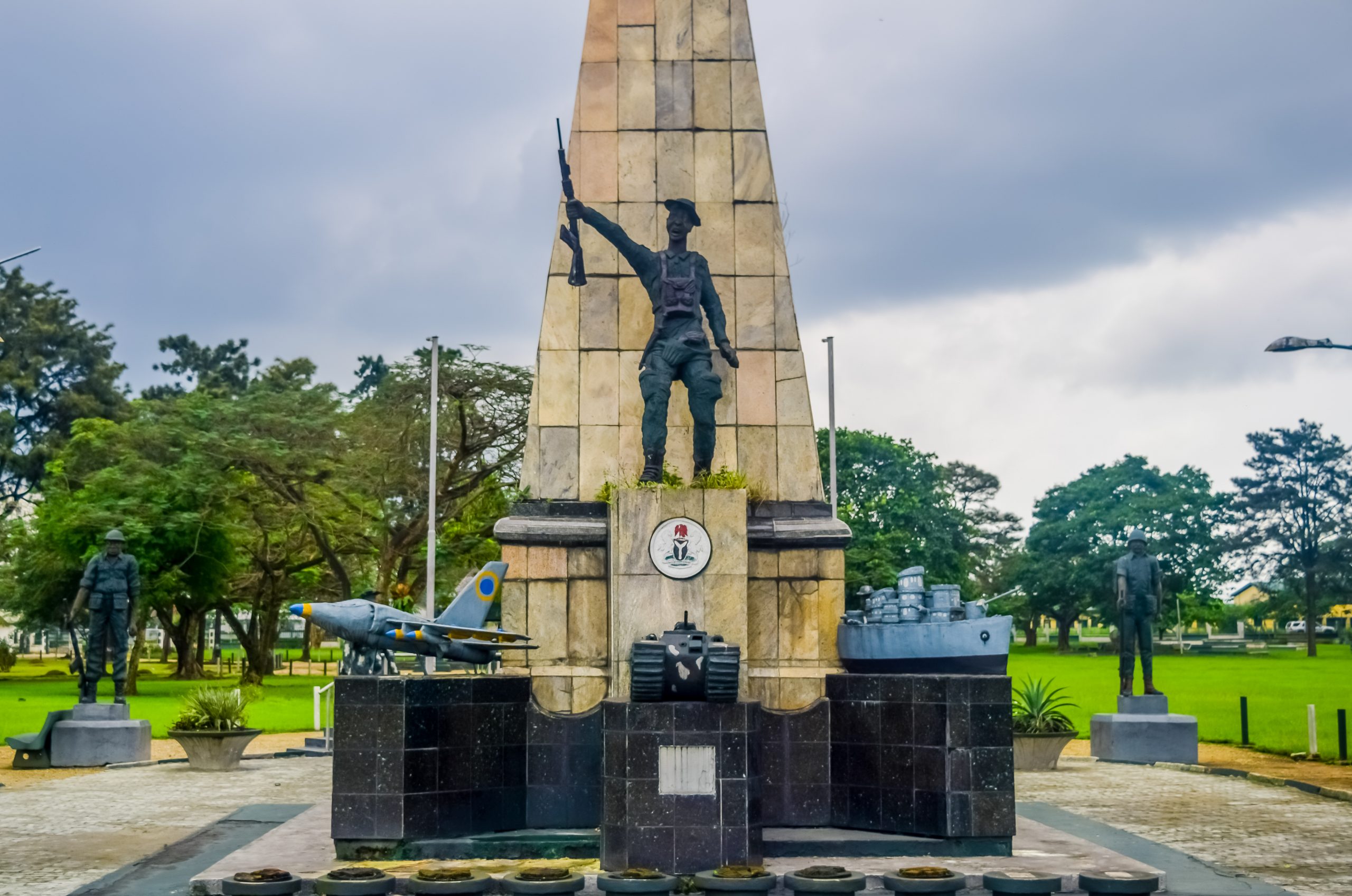
Lagos is the commercial and cultural epicenter of Nigeria, and arguably, the entire African continent. Originating as an Awori Yoruba settlement called "Eko," the city grew into a major port town and eventually the capital of colonial and post-independence Nigeria until the federal capital was moved to Abuja in 1991.
Today, Lagos is a sprawling, high-energy megacity. It is geographically and culturally divided into two main areas: the Mainland (home to the majority of the population, bustling markets, and the state capital, Ikeja) and the Island (the affluent financial center, comprising Victoria Island, Ikoyi, and the rapidly expanding Lekki peninsula).
Economically, Lagos is a juggernaut. If it were a country, its GDP would rank among the top ten economies in Africa. It houses Nigeria's busiest seaports, its largest financial institutions, and is the undeniable global headquarters of both the Afrobeats music movement and the Nollywood film industry.
- The Hustle: Known locally as "Lasgidi," the city operates on relentless entrepreneurial energy.
- Connectivity: The iconic Third Mainland Bridge connects the Island's wealth to the Mainland's workforce.
- Cosmopolitan: A massive melting pot drawing citizens from all 36 states and across the globe.
The City in Numbers
A quantitative look at the megacity
Explore the Districts
The distinct vibes of the Island and Mainland
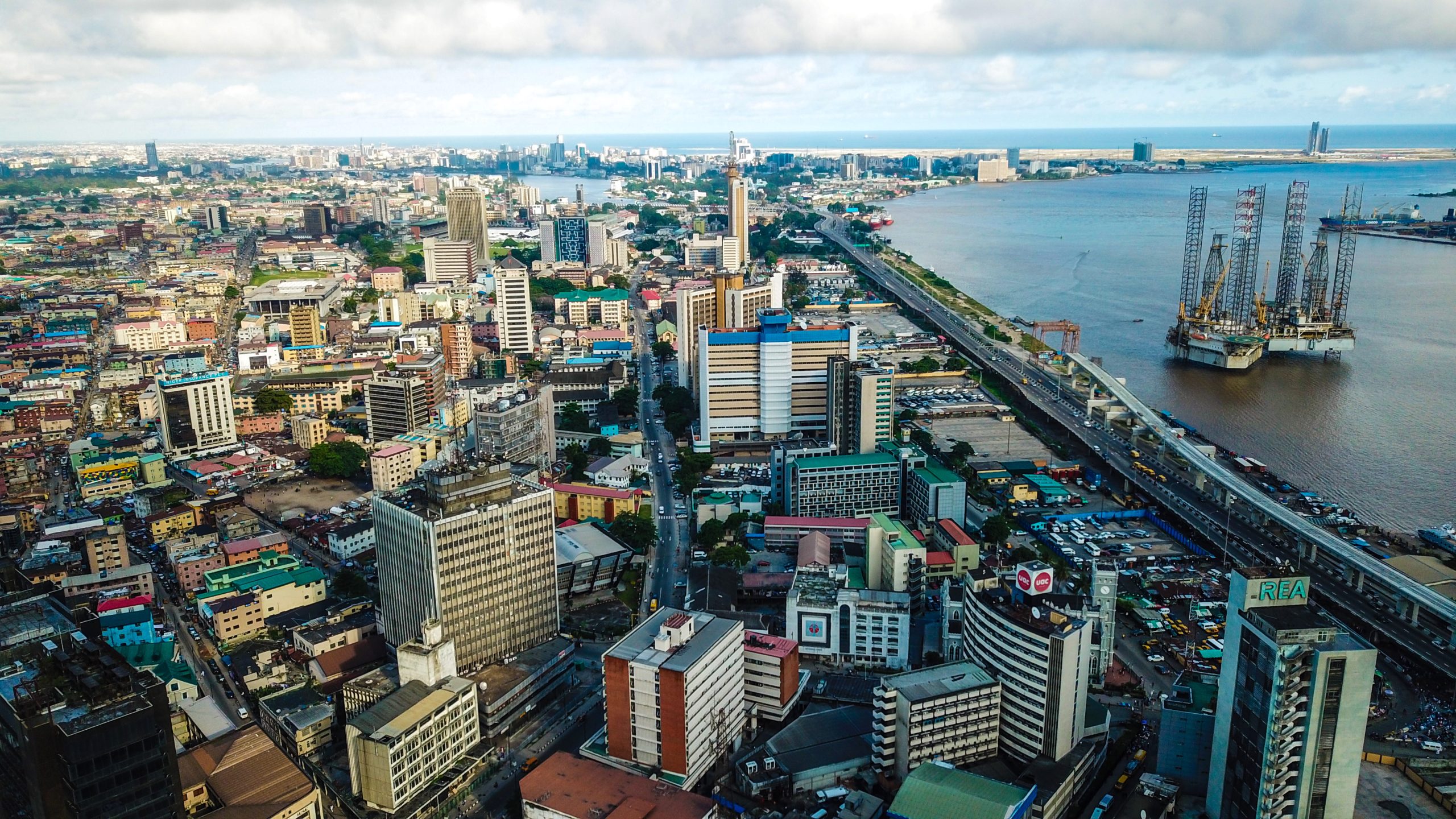
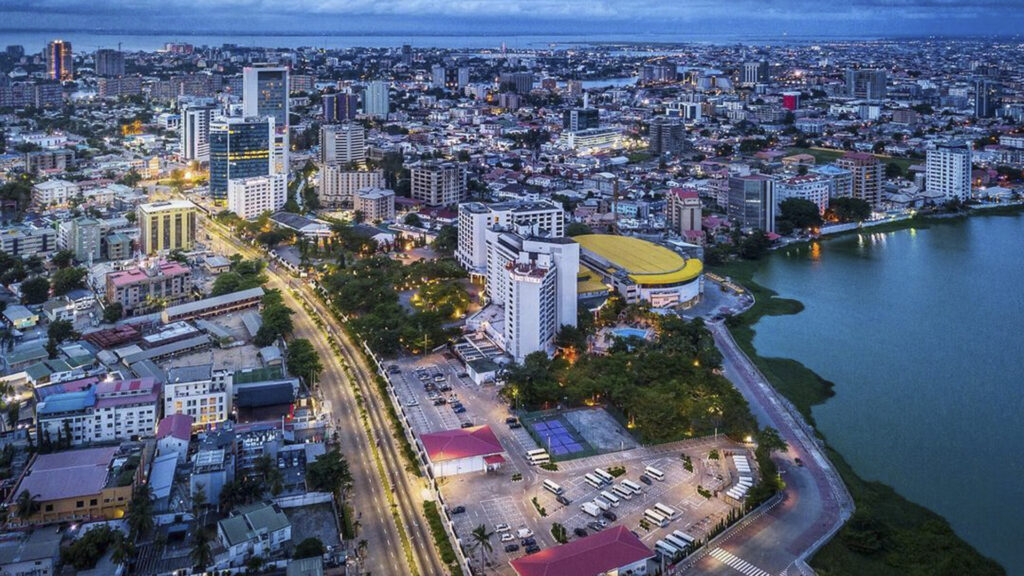
The rapidly expanding skyline of Lagos, reflecting its status as a major global financial and commercial hub.
| Ikeja | The state capital, home to the international airport and a massive computer/tech market (Computer Village). |
|---|---|
| Victoria Island (VI) | The main business and financial center, hosting the headquarters of major banks and multinationals. |
| Ikoyi | Historically the most exclusive and affluent residential neighborhood, originally built for colonial administrators. |
| Lekki | A rapidly developing peninsula known for luxury estates, shopping malls, and upscale nightlife. |
| Yaba | A major educational and technology hub, hosting the University of Lagos (UNILAG) and numerous startup incubators. |
| Surulere | The historic cultural and sports hub of the mainland, famous for the National Stadium and its deep roots in Nollywood. |
Economy & Lifestyle
What drives the city that never sleeps
Lagos generates over a quarter of Nigeria's total GDP. It is home to the Nigerian Exchange Group (NGX) and the headquarters of virtually every major financial institution in the country. The Apapa and Tin Can Island ports process the vast majority of the nation's imports and non-oil exports.
To combat extreme congestion, Lagos is investing heavily in infrastructure. Projects like the Blue and Red Line light rail systems, the massive Dangote Refinery in the Lekki Free Trade Zone, and Eko Atlantic—a brand new smart city being built on land reclaimed from the Atlantic Ocean—are reshaping the metropolis.
Lagos is globally renowned for its nightlife. Every year, the city hosts "Detty December," a month-long marathon of massive Afrobeats concerts, beach parties, and cultural festivals that draws thousands of diaspora Nigerians and international tourists to the city.
Lagos attracts more venture capital funding than any other city in Africa. The tech ecosystem, primarily anchored around Yaba and expanding into Lekki, has produced several billion-dollar 'unicorn' startups, particularly in the fintech, e-commerce, and mobility sectors.
History & Landmarks
The timeline of a growing megacity
| Year | Event | Significance |
|---|---|---|
| 1400s | Awori Settlement | Founded by the Awori (a Yoruba subgroup) and named Eko. |
| 1861 | Annexation | Lagos annexed as a British Crown Colony. |
| 1914 | Amalgamation | Becomes the capital of the newly amalgamated Colony and Protectorate of Nigeria. |
| 1967 | State Creation | Lagos State is officially created. |
| 1991 | Capital Relocated | The Federal Capital Territory is officially moved from Lagos to Abuja. |
| Landmark | Location | Description |
|---|---|---|
| Third Mainland Bridge | Lagos Lagoon | The longest of three bridges connecting the Island to the Mainland (11.8 km). |
| National Arts Theatre | Iganmu | An architectural masterpiece built for the 1977 Festival of Arts and Culture (FESTAC). |
| Lekki-Ikoyi Link Bridge | Lekki | An iconic cable-stayed bridge and a popular symbol of modern Lagos. |
| Tafawa Balewa Square | Lagos Island | The historic square where Nigeria celebrated its independence in 1960. |
City Data
See also & internal links
Go deeper