Now Reading: Lagos: Megacity of Paradox and Potential
-
01
Lagos: Megacity of Paradox and Potential
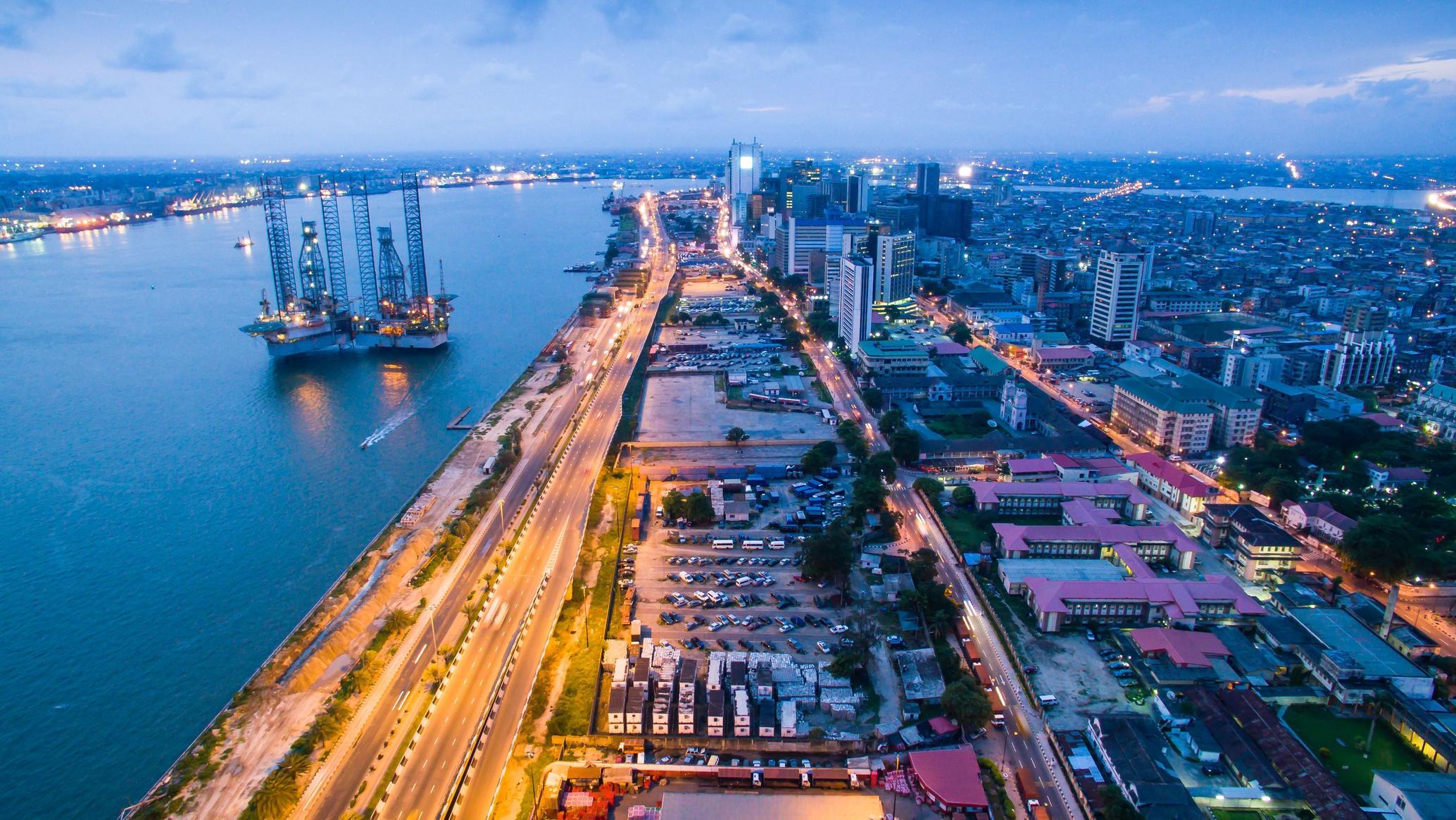


Lagos, Nigeria, stands as a quintessential megacity of the 21st century—a dynamic nucleus of economic power, cultural innovation, and population growth, yet simultaneously a nexus of profound urban challenges. With a population estimated at nearly 16 million people, it is one of the fastest-growing urban centers globally, serving as a vital economic hub for both Nigeria and the wider African continent. The city’s economic prowess is undeniable, driven by a diverse portfolio of sectors ranging from a dominant financial industry to the globally influential Nollywood film and music scene. However, this dynamism exists in stark contrast to systemic infrastructural deficits, a dramatic socioeconomic divide, and pervasive environmental and public health crises. The city’s development is characterized by a paradox where immense wealth and ambitious, large-scale projects coexist with widespread poverty and a pervasive lack of basic services for the majority of its residents. This report provides a detailed analysis of this duality, tracing the city’s historical evolution, dissecting its economic and demographic landscape, evaluating its urban planning initiatives, and scrutinizing the critical challenges that must be addressed to forge a more inclusive and sustainable future.
1. A City of Paradox: Introduction to Lagos
1.1. Lagos in Global and Regional Context
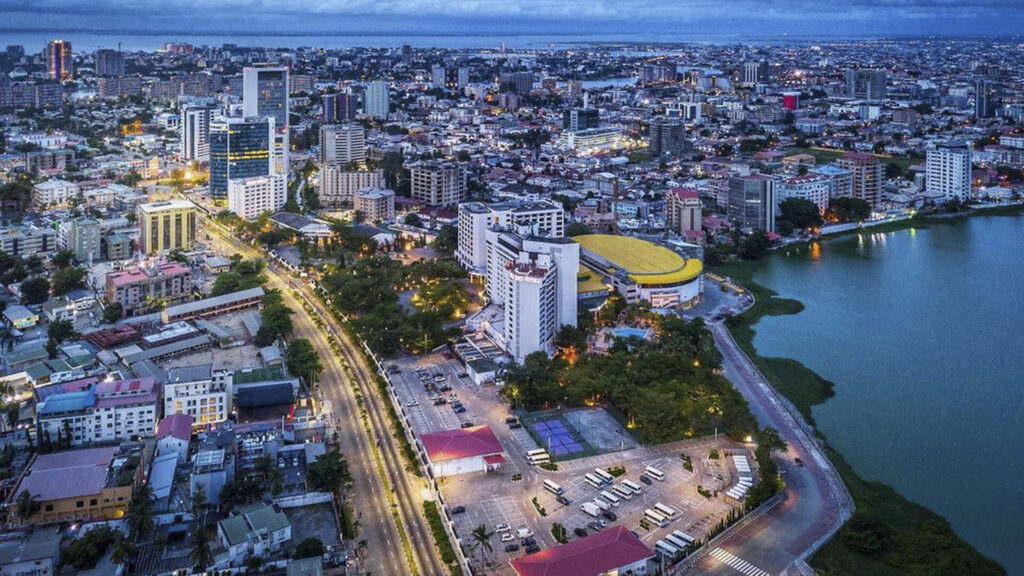
Lagos, Nigeria, is a bustling metropolis and the largest city in Nigeria, situated on the Gulf of Guinea. By some measures, it is also the largest city on the African continent. With a population estimated at 15.9 million in 2023, it is recognized as one of the world’s fastest-growing urban centers. Its influence extends far beyond Nigeria’s borders, as it is a major economic hub with a significant impact on commerce, entertainment, technology, and finance across Africa. The city’s economic output alone is substantial; if Lagos were a country, its 2019 economic output would have ranked it as Africa’s seventh-largest economy. It is home to one of the continent’s largest and busiest seaports and serves as the primary western hub for Nigeria’s road and railway systems.
1.2. The Central Thesis
The defining characteristic of Lagos is a profound and systemic paradox. The city’s narrative is one of two competing realities: a reality of immense wealth, exemplified by thousands of millionaires, a high-tech financial district, and ambitious developments like Eko Atlantic City , and a counter-reality of widespread poverty, where the majority of residents live in overcrowded informal settlements with inadequate access to basic services. The city’s vibrancy and innovation are undeniable, particularly within its creative and entrepreneurial sectors. Yet, this dynamism is often disconnected from the fundamental challenges of urban life for its general populace, including severe traffic congestion, environmental degradation, and a critical lack of clean water and sanitation. This report will explore this central paradox in detail, examining its historical roots, dissecting its socioeconomic manifestations, and analyzing the efficacy of current urban policies in navigating a path toward sustainable and equitable development.
2. Historical Trajectory and Geographic Foundation
2.1. Evolution from Eko to a Megacity
Lagos’s history is one of continuous evolution, shaped by its strategic coastal position. The city’s origins can be traced to the late 15th century, when Yoruba fishermen and hunters settled on an island they called Oko. The area was later dominated by the Kingdom of Benin, which renamed it Eko. The first European contact came with the Portuguese in 1472, who began a slow development of trade that blossomed into a significant slave-trading center a century later. The Portuguese named the island Onim, before it was eventually called Lagos.
British colonial influence began in 1851 with a naval attack aimed at suppressing the slave trade, which led to the deposition of the local king and the establishment of a British crown colony. The city’s political significance grew, and in 1914, when the Northern and Southern Protectorates were amalgamated, Lagos was made the capital of the Colony and Protectorate of Nigeria. This status was maintained after Nigeria gained independence in 1960. However, facing challenges of overpopulation, slums, and congestion, the federal capital was moved to Abuja in 1991, though Lagos continued to serve as the unofficial seat for numerous government agencies. This historical transition from a colonial port to a post-colonial urban hub explains many of the city’s current dynamics, including its sprawling, often chaotic, urban form.
2.2. A Landscape Shaped by Water and Man
The unique topography of Lagos is a fundamental factor in its development and challenges. The city is located on Nigeria’s southern coast, about 445 miles (176 kilometers) north of the equator, on the Gulf of Guinea. Its landscape is a complex system of islands, coastal sandbars, creeks, and lagoons. Historically, the city comprised a series of islands, including Lagos, Iddo, Ikoyi, and Victoria. Over time, extensive land reclamation projects have connected some of these islands to the mainland or to one another, altering the city’s geography and enabling new development.
The city’s humid tropical climate is characterized by high rainfall, which has created a swampy, low-lying region. The Lagos Lagoon, the largest inland body of water, stretches east of the city and forms a natural harbor at its confluence with the Atlantic Ocean. The original settlement on Lagos Island remains the heart of the modern city, home to its business and market districts, but also housing a network of overcrowded slums. The Port of Lagos, a crucial element of the city’s economy, is located on the mainland in the western section of the city. The constant interplay between the city’s aquatic environment and human efforts to reclaim and develop land continues to define its urban fabric and poses significant challenges, particularly related to flooding and sanitation.
3. Demographics and Socio-Economic Landscape
3.1. Population Dynamics and the Controversy of Growth
Lagos is defined by an astonishing rate of demographic expansion, making it one of the world’s fastest-growing cities. As of a 2023 estimate, the city’s population was approximately 15.9 million. Projections from the UN World Urbanization Prospects suggest that by 2025, the population will reach over 17 million, and it is expected to double by 2050. This explosive growth is largely fueled by rural-to-urban migration.
However, the precise population of Lagos has long been a subject of controversy and debate. The official 2006 Nigerian government census estimated the city’s population at just over 8 million, a figure widely disputed by both local and international observers who considered it far too low. This discrepancy is a result of the city’s rapid, often informal, expansion, which has blurred its borders and transformed it into a vast urban agglomeration or conurbation. Regardless of the exact number, the sheer scale of this growth places an immense strain on existing infrastructure and services, driving many of the city’s most pressing challenges.
3.2. A Tale of Two Cities: The Socio-economic Divide
The most striking feature of Lagos’s social landscape is its dramatic and visible socioeconomic divide. The city is a study in contrasts, where extreme wealth exists alongside profound poverty.
A small, affluent minority resides in exclusive, high-end neighborhoods that represent a level of luxury comparable to any global metropolis. Areas like Eko Atlantic, Banana Island, Ikoyi, and Victoria Island are characterized by luxurious residential properties, private beaches, and multistory corporate buildings. These neighborhoods are home to a disproportionate number of the city’s more than 6,000 millionaires. Eko Atlantic, in particular, is an ambitious project on reclaimed land, designed to be a state-of-the-art business and residential district with its own independent infrastructure.
Conversely, the vast majority of the population—over 70% according to some estimates—lives in informal settlements or slums. These areas, often on marshland or over lagoons, are defined by a complete lack of basic amenities, substandard housing, and severe overcrowding. Makoko, a prominent slum, is a powerful example of this reality, with its residents living in stilted homes over a polluted lagoon, forced to rely on canoes for transportation and to bring in essentials like clean water.
3.3. Socioeconomic Contrasts and the Dynamics of Urban Poverty
The rapid and uncontrolled population growth in Lagos is a primary driver of this socioeconomic dualism. As the number of residents has exploded, the city’s capacity to provide formal, affordable housing and essential services has been overwhelmed. This has created a critical gap in the urban fabric, which has been filled by the proliferation of informal settlements. The urban planning and construction boom in Lagos have largely catered to the upper classes, with a significant lack of focus on affordable housing options for low-income residents. This development model, therefore, does not solve the housing crisis but rather entrenches and even worsens the existing inequality.
The economic engine of Lagos, while robust and diversified, does not distribute its benefits equitably. The existence of thousands of millionaires alongside a large population living in extreme poverty, earning as little as $1.25 per day, demonstrates a fundamental flaw in the city’s economic structure. This unequal distribution of wealth means that a small elite captures a disproportionate share of the economic gains, while the majority of the population remains in a cycle of disadvantage. The lack of proper infrastructure and sanitation in the slums directly impacts the health and living standards of its residents, which in turn limits their opportunities for economic mobility and perpetuates the cycle of poverty. The following table provides a clear illustration of this stark contrast.
| Characteristic | Affluent Neighborhoods (e.g., Ikoyi, Eko Atlantic) | Informal Settlements (e.g., Makoko) |
| Housing | Luxurious residential towers, penthouses, waterfront properties | Overcrowded, substandard housing, often built with scrap materials |
| Location | On reclaimed land, or prime areas like Lagos Island and Victoria Island | On marginal land, marshland, or on stilts over lagoons |
| Socio-Economic Profile | High percentage of millionaires, wealthy residents, and expatriates | Majority live in poverty, earning as little as $1.25/day |
| Access to Basic Services | Full access to independent, high-standard infrastructure (power, water, waste) | Lack of reliable clean water, sanitation, and electricity |
| Security | Private security, 24-hour surveillance | Self-governed with little or no influence from security forces; vigilante groups exist |
4. The Engine of Nigeria’s Economy
4.1. Economic Dominance and Sectoral Contributions
Lagos is indisputably the economic heartbeat of Nigeria and a major driver of prosperity in Africa. The city’s economic dominance is reflected in its disproportionate contribution to the national economy, accounting for 26.7% of Nigeria’s total GDP and over 50% of its non-oil GDP. Furthermore, Lagos accounts for more than 80% of the country’s foreign trade flows and generates over half of Nigeria’s port revenues. Its Gross National Product (GNP) is estimated to be three times that of any other West African country, solidifying its status as a regional economic hub.
4.2. Industries and Innovation
The economic strength of Lagos is rooted in a diverse and robust array of industries that collectively form a complex and interdependent ecosystem.
4.2.1. The Financial Hub
Lagos is Nigeria’s primary financial and commercial nerve center, home to all major banks, the Nigerian Stock Exchange (NSE), and a concentration of over 200 financial institutions. Major international financial services firms, such as J.P. Morgan, have a significant presence in the city, providing a full range of commercial and investment banking services. This financial dominance makes Lagos a nexus of innovation and development, drawing investment and serving as a critical node in regional and global capital markets.
4.2.2. Nollywood and the Creative Economy
The media and entertainment sector, informally known as “Nollywood,” is one of the world’s fastest-growing creative industries. Originating in the early 1990s, Nollywood has become the second most prolific film industry globally, producing around 2,500 movies annually. This sector is not merely a cultural phenomenon but a significant economic force. The motion picture and music sectors combined contributed an estimated $1.8 billion to Nigeria’s GDP in 2020, and the film industry alone is projected to increase its export revenue to over $1 billion. Beyond its direct economic output, Nollywood is a massive employer, providing jobs for over 1 million people and ranking as the nation’s second-largest employer after agriculture.
4.2.3. Manufacturing and Maritime Trade
Lagos accounts for 68% of Nigeria’s industries, with major industrial estates located in areas such as Ikeja, Apapa, and Ilupeju. The city’s manufacturing presence is significant, with primary outputs including electronic equipment, automobiles, metalworks, and textiles. This industrial activity is critically supported by the Port of Lagos, which is the country’s largest and most vital seaport. The complex, which includes the Apapa and Tin Can Island ports, handles over 80 hectares of cargo and facilitates a diverse range of trade, from crude oil exports to the importation of machinery and consumer goods. The port’s role as Nigeria’s gateway to global trade is integral to the entire country’s economy.
4.3. Economic Interdependence and the Power of Informal Innovation
The economic success of Lagos is not based on one single pillar but on a deeply interdependent ecosystem. The Port of Lagos provides the logistical foundation for manufacturing and trade , while the financial sector provides the capital and services necessary for both industrial expansion and the burgeoning creative economy. This diversification is a key source of the city’s economic resilience.
The creative sector provides a particularly compelling example of organic, bottom-up economic growth. While the traditional economy is a key driver of formal wealth, the creative industries, including Nollywood and music, have developed from grassroots entrepreneurship and offer a powerful counter-narrative of global influence and economic advancement. The sheer scale of employment—over 1 million people—demonstrates a pathway for economic participation that bypasses often inaccessible formal sectors. Government policies, such as the 2025 Lagos Economic Development Update (LEDU), have begun to recognize the potential of formalizing these digital and creative industries to boost tax revenue. This signals a shift from mere regulation to strategic support, acknowledging the profound economic and social power of the city’s creative class. The ability of these varied sectors to thrive and interact is what makes Lagos such a potent economic force.
5. Infrastructure, Urban Planning, and Development Projects
5.1. Navigating Urban Congestion
Lagos is globally recognized for its severe traffic congestion, a challenge exacerbated by a high population density and over 5 million cars on its roads. In response, the Lagos State Government has embarked on a series of ambitious initiatives to improve urban mobility and efficiency.
The Lagos Rail Mass Transit (LRMT) system, managed by the Lagos Metropolitan Area Transport Authority (LAMATA), is a central part of this strategy. The Blue Line, the first phase of this project, opened to passengers in September 2023, significantly reducing a journey that could take hours in traffic to just 15 minutes. The Red Line, which will run from Agbado to Marina, is also under construction, with a partial opening in October 2024. In addition to mass transit, the government has deployed Intelligent Transportation Systems (ITS) to enhance road safety and streamline traffic management. These systems, which include Automatic Number Plate Recognition (ANPR) cameras, aim to curb over-speeding and other traffic violations with a technology-driven approach that reduces the need for human intervention.
5.2. Ambitious Urban Regeneration
Lagos’s urban development agenda includes several high-profile projects aimed at transforming the city’s landscape. The most notable is the Eko Atlantic City, a multi-billion-dollar development on land reclaimed from the Atlantic Ocean. This project’s primary objective is to combat severe coastal erosion and create a new financial and residential hub. Once completed, it is expected to house at least 250,000 residents and create 150,000 jobs. The project is designed with modern infrastructure and sustainability in mind, protected by an 8.5-kilometer-long sea defense barrier known as the “Great Wall of Lagos”.
In stark contrast to this luxury-focused project, other initiatives are aimed at improving existing communities. The Makoko/Iwaya Waterfront Regeneration Plan is a community-driven project with the support of the United Nations and the Lagos State Government. This plan seeks to transform the sprawling slum into a climate-resilient, water-based community, addressing physical, economic, and social issues while recognizing the need for an inclusive and sustainable urban model.
5.3. Governance and Policy
The Lagos State Government, with its tripartite structure of Executive, Legislative, and Judiciary branches, is responsible for governing this complex metropolis. Key policies have been introduced to address the city’s challenges. The Lagos State Urban Development Policy (LSUDP) provides a long-term vision from 2022 to 2052, with a focus on promoting inclusive growth, reducing inequality, and enhancing the quality of life for all residents. The Water, Sanitation, and Hygiene (WASH) policy, unveiled in 2024, is a holistic framework designed to ensure universal access to clean water and improved sanitation services. These policies represent a strategic roadmap for the city’s future, but their ultimate success hinges on effective implementation.
5.4. The Disparity Between Ambition and Reality
The infrastructure and development projects in Lagos highlight a significant disparity between grand ambition and daily reality. The LRMT project, while a vital step toward alleviating traffic, suffered numerous delays due to a “lack of funds”. This fiscal gap is a recurring issue, as highlighted by a 2025 report from the Ministry of Economic Planning and Budget, which noted that despite its size and influence, the state is not generating enough revenue to match its ambitions.
Eko Atlantic City, while a marvel of engineering, serves as a powerful symbol of this disparity. While it offers a solution to coastal erosion, its high property costs and focus on luxury development make it a “playground for the rich” and a symbol of urban inequality. The irony is that a project ostensibly designed to solve an environmental problem for a wealthy area has been accused of potentially exacerbating inequality by failing to provide affordable housing for the city’s low-income residents. The legal and environmental controversies surrounding the project further underscore the complexity of balancing economic development with social and environmental responsibilities. The existence of these high-profile projects alongside the persistent problems of slums and traffic congestion suggests that the city’s development model often prioritizes showcase solutions for a minority over foundational infrastructure for the majority.
The following table provides a summary of the LRMT project’s progress and scale, demonstrating the city’s strategic commitment to improving urban mobility.
| Line Name | Status | Planned Length (km) | Number of Stations | Operational Dates | Key Termini |
| Blue Line | Operational (Phase I) | 27 | 13 (5 operational, 8 under construction) | First Phase: September 4, 2023 | Okokomaiko – Marina |
| Red Line | Under construction | 37 | 22 (planned) | First Section: October 15, 2024 | Agbado – Marina |
| Green Line | Planned | 68 | N/A | N/A | Marina – Lekki Free Trade Zone |
| Purple Line | Planned (Post Green Line) | 54.35 | N/A | N/A | Redemption Camp – Ojo |
6. Critical Urban Challenges: A Systemic Analysis
6.1. The Plight of Informal Settlements
The reality of life for a majority of Lagosians is defined by the challenges of informal settlements. Makoko, often called “The Venice of Slums,” is a powerful case study. It is a community where many residents live on stilted homes above a polluted lagoon, with some of its six distinct villages on water and others on land. Living conditions in these areas are characterized by severe overcrowding, with an average of five people sharing a single room. Housing is often constructed from scrap materials, and residents lack legal rights to the land they occupy.
Access to basic services is critically insufficient. Residents have little to no access to clean water, relying on boreholes or vendors who bring in water by canoe. Sanitation is a major crisis, with open defecation in ditches and the lagoon being a common practice due to a lack of proper facilities. The majority of residents work in the informal economy, with many fishermen struggling to earn a living due to the polluted water. These conditions contribute to low life expectancies and a high prevalence of diseases such as cholera, malaria, and respiratory infections.
6.2. Environmental and Health Crises
Lagos faces a triple threat of air pollution, water pollution, and a waste management crisis. The city’s high number of vehicles, over 5 million, contributes to severe air pollution and smog, with PM2.5 readings in some areas being dangerously high—as much as 217 compared to a safe level of 56. This pollution is a significant health risk, contributing to conditions like asthma.
Water pollution is a pervasive problem, with the city’s lagoons and creeks contaminated by raw sewage, industrial effluents, and uncollected waste. This has rendered the lagoon water unusable for drinking and has led to the spread of waterborne diseases like cholera and dysentery.
The waste management system is severely deficient. Lagos is Nigeria’s largest producer of solid waste, generating an estimated 13,000 metric tonnes daily with infrastructure developed in the 1970s for a population a fraction of its current size. As a result, only a third of the daily waste is collected, leading to heaps of refuse on city streets and in water bodies. The Olusosun landfill, Africa’s largest dump site, receives 10,000 tons of rubbish daily and has contaminated nearby groundwater with toxic metals, posing significant health risks to surrounding communities.
6.3. The Interconnected Web of Urban Crises
The various challenges facing Lagos are not isolated problems but are part of a complex, self-reinforcing system. The rapid and uncontrolled urbanization strains the city’s inadequate infrastructure, leading to a breakdown in essential services. This infrastructural strain manifests as chronic traffic congestion and a complete failure in waste management. The inadequate waste collection system in turn directly causes environmental degradation, with waste being dumped into lagoons, contributing to severe water pollution and public health crises.
The most vulnerable populations—those living in informal settlements—bear the brunt of this systemic failure. The lack of affordable housing forces them into areas with no formal services. Here, they are exposed to the direct consequences of urban decay: living in close proximity to polluted water, breathing polluted air, and suffering from the illnesses that result from these conditions. This cycle of poor living conditions, poor health, and low economic mobility is a direct consequence of the disconnect between the city’s rapid population growth and the pace of its infrastructural development. While the government’s policies, such as the LSUDP and the WASH policy, acknowledge these interconnected issues, the persistent problems suggest that effective, comprehensive solutions are either underfunded, poorly implemented, or too slow to keep pace with the scale of the challenges.
7. Culture and Creative Expression
7.1. A Creative Epicenter
Lagos is a dynamic cultural and creative epicenter in Africa, with a vibrant arts scene that has gained international recognition. The city is home to numerous galleries and cultural hubs, such as the Nike Art Gallery, Terra Kulture, and Rele Art Gallery, which support both local and international artists and have fostered a growing art market. These institutions have contributed to a notable increase in the patronage of the arts, with substantial investments in creative works. Public art, including sculptures and murals, also reflects the city’s cultural and historical influences, serving as a medium for artistic expression within the urban fabric.
7.2. The Global Sound of Lagos
Lagos has played a central role in the development and global popularization of African music, earning its reputation as Nigeria’s entertainment hub. The city was the breeding ground for a fusion of indigenous musical styles with Western traditions, which gave rise to globally recognized genres. Afrobeat, a genre of politically charged music that revolutionized African soundscapes, was pioneered by Fela Kútì in Lagos. The city was also instrumental in the development of Highlife and Juju music, popularized by iconic artists like King Sunny Ade and Bobby Benson. This musical innovation continues today, with contemporary Nigerian music artists gaining global acclaim and attracting significant investment, including from international streaming platforms like Spotify.
7.3. The Eyo Festival: Tradition and Modernity
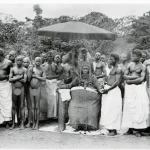
The Eyo festival, also known as the Adamu Orisha play, is a centuries-old cultural procession deeply rooted in the indigenous heritage of Lagos. It originated in the 19th century to commemorate Oba Akitoye and historically served to escort the soul of a departed king and welcome a new one. In modern times, the festival has evolved to serve multiple purposes, including honoring a deceased chief or prominent resident, and is now also presented as a major tourist attraction for the state. During the festival, the main highway is closed to traffic, allowing for a procession of costumed masquerades that are seen as spiritual representatives of the ancestors. The festival brings together people from all walks of life, symbolizing a sense of unity that transcends differences in social status, ethnicity, and religion.
7.4. The Unifying Role of Culture
In a city defined by stark and visible divisions, culture serves as a powerful unifying force. While socioeconomic inequality manifests in a city physically separated into opulent enclaves and overcrowded slums, cultural phenomena provide a shared identity and a sense of community. The Eyo festival, with its ability to bring together people from all social strata, provides a counterpoint to the physical and economic fragmentation of the city. Similarly, the global success of Lagos-bred music and film creates a collective sense of pride and shared experience that transcends individual circumstances. This robust cultural fabric, therefore, helps to bind the city together and offers a collective identity that can bridge the vast chasms created by socioeconomic disparities.
8. Conclusion & Strategic Outlook
8.1. Synthesis of Insights
The city of Lagos presents a compelling case study of 21st-century urbanism, embodying a powerful paradox of immense opportunity and systemic challenges. It is an economic powerhouse whose wealth and innovation, particularly in the creative and financial sectors, drive a significant portion of Nigeria’s and Africa’s economy. However, this success is built upon a foundation of infrastructural fragility and profound social inequality. The city’s explosive, uncontrolled growth has created a perpetual implementation gap, where policy ambitions for modern infrastructure and sustainable development consistently lag behind the urgent needs of a rapidly expanding population. This has led to a vicious cycle of urban crises—from traffic congestion to sanitation failures and environmental degradation—which disproportionately affect the city’s most vulnerable residents. The coexistence of luxury developments and sprawling slums is not merely a visual contrast but a symptom of a development model that has historically failed to distribute resources and opportunities equitably.
8.2. Future Trajectories and Policy Imperatives
For Lagos to move towards a more sustainable and inclusive future, a strategic shift in its urban development approach is imperative. The current trajectory, characterized by a focus on high-profile, capital-intensive projects that primarily serve a wealthy minority, must be re-evaluated. A more sustainable path would involve a pivot towards solutions that address the foundational needs of the entire population.
This requires a multi-faceted approach centered on equitable and integrated governance. Policies like the Lagos State Urban Development Policy and the WASH policy are a step in the right direction, but their success depends on a transparent and effectively funded implementation strategy. Furthermore, instead of viewing informal settlements as a problem to be eradicated, a more pragmatic and humane strategy would involve recognizing, regulating, and upgrading these communities. This would involve providing essential services and legal protections, thereby unlocking the productive potential of a significant portion of the population.
Finally, the city’s long-term prosperity is inextricably linked to its ability to bridge the gap between its immense economic output and the quality of life for its residents. By formalizing and strategically supporting its vibrant informal and creative economies, Lagos can not only boost its tax base but also create new pathways for economic mobility and social stability. The future of Lagos will be determined not just by the scale of its ambition, but by its capacity to apply that ambition to solve the fundamental urban challenges that impact the daily lives of all its residents.










Related Posts


Stay Informed With the Latest & Most Important News
Previous Post
Next Post

Advertisement