Now Reading: Nigerian Cuisine: A Culinary Journey Through Tradition, Identity, and Global Influence
-
01
Nigerian Cuisine: A Culinary Journey Through Tradition, Identity, and Global Influence

Nigerian Cuisine: A Culinary Journey Through Tradition, Identity, and Global Influence

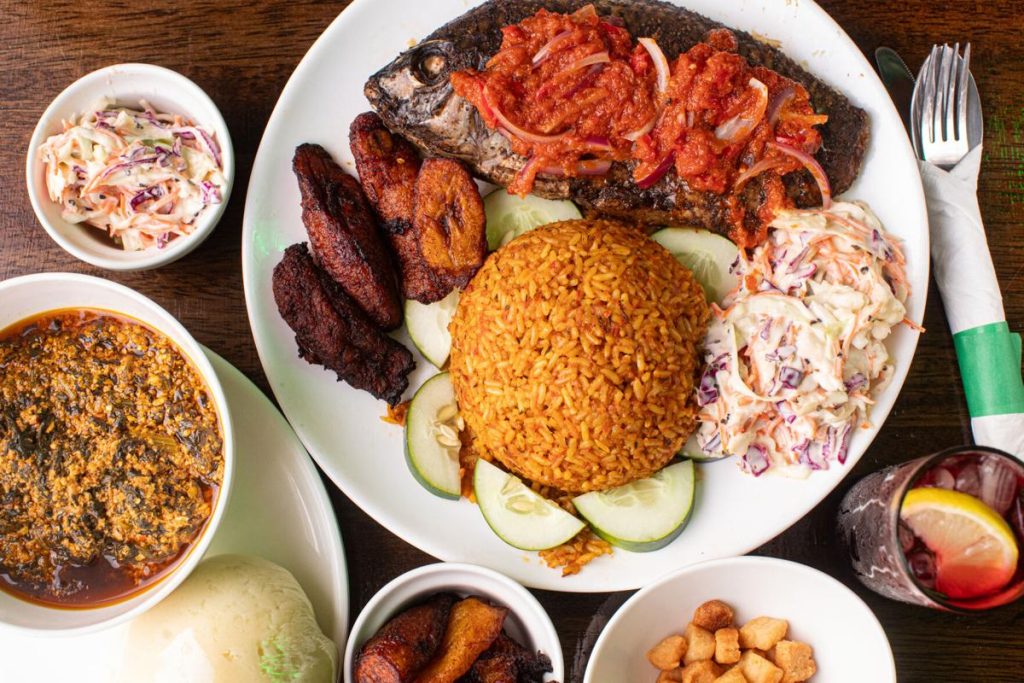
I. The Tapestry of Taste: An Introduction to Nigerian Culinary Arts
Nigerian cuisine is a vibrant and dynamic reflection of the nation’s profound cultural and geographical diversity. As a country with over 250 ethnic groups and distinct regional climates, Nigeria presents a rich “mosaic of flavors, techniques, and ingredients”. The culinary landscape is shaped by the land itself, with a clear distinction between the arid North and the more temperate, forested South. In the North, where the climate supports grain cultivation, the diet is built upon staples such as sorghum, millet, and maize. Conversely, in the South, which is conducive to growing root vegetables, the primary staples are yams, cassava, and plantains. This direct relationship between geography, agriculture, and dietary habits illustrates that food is not merely a matter of preference but a fundamental expression of ecological and historical circumstance. The Fulani people, for instance, a dominant ethnic group in the North, have a traditional diet centered on dairy products like fresh milk and yogurt, a custom inextricably linked to their nomadic, pastoralist lifestyle.
The foundational palette of Nigerian cuisine is built upon a core set of ingredients that serve as the backbone for nearly all dishes. These include the versatile root vegetables of yam and cassava, which are transformed into a variety of forms such as garri and fufu. Grains, particularly rice and beans, are dietary staples enjoyed across the country. Proteins are sourced from a variety of animals, with seafood, beef, poultry, and goat being the most common. The quintessential flavors of Nigerian food are imparted by essential cooking agents like palm oil, which adds a unique, earthy flavor and vibrant color to dishes, and a wide array of fiery peppers and aromatic herbs.
Nigerian meals can be broadly categorized into a trinity of culinary forms. The first consists of “swallows,” which are starchy, dough-like porridges consumed with soups and stews. This category includes staples like fufu and pounded yam. The second category comprises the rich and hearty soups and stews that are a cornerstone of the diet, from the robust Egusi soup to the fiery Pepper soup. Finally, a vibrant culture of street food offers a variety of quick, flavorful snacks, such as the ubiquitous
Suya and deep-fried Akara. This framework of meal types provides a comprehensive lens through which to explore the nation’s diverse and nourishing culinary traditions.
II. The Soul of the Soil: Ingredients and Techniques
Nigerian cuisine is a sensory experience defined by its fundamental ingredients and the cooking methods used to transform them. The “journey” through Nigerian food begins with an exploration of these building blocks, which are the products of centuries of cultural and culinary evolution.
From Roots to Grains: The Staple Stars
The role of starchy staples, often referred to as “swallows,” is paramount in Nigerian gastronomy. Dishes like iyan (pounded yam), eba and fufu (from cassava), and amala (yam flour) form the core of many meals. These are not mere side dishes; they are integral components designed to be consumed with a variety of soups and stews. The traditional method of eating them by hand, by molding a small portion and using it to scoop up soup, is believed to make the experience more enjoyable than using cutlery. This practice is more than a custom; it is a profound cultural value rooted in communal and tactile connection. The physical act of preparing and consuming these meals by hand fosters a direct and intimate engagement with the food, transforming dining from a solitary act into a shared, sensory experience that strengthens bonds and community ties.
Rice holds a universal place as a staple across the country. While dishes like Jollof Rice are reserved for celebrations, simple boiled “White Rice and Stew” is a common meal for any day of the week. The versatility of rice is evident in its regional adaptations, such as
Tuwo Shinkafa, a thick rice pudding popular in the North, or Banga Rice, a traditional recipe from the South made with palm nut.
The Symphony of Spices and Herbs
The soul of Nigerian cuisine lies in its complex and aromatic spice blends. Indigenous flavors are central to this identity, with ingredients like iru (fermented locust beans) and ogiri (fermented oilseeds) providing a rich, earthy umami flavor that is highly prized. The ground seeds of the African bush mango (
ogbono) and the fluted pumpkin (egusi) are used to thicken and flavor many of the nation’s most popular soups. Spices such as
ehuru (African nutmeg), uda (negro pepper), and the leafy herb uziza add distinctive aromas and depths of flavor that cannot be replicated.
However, the flavor profile is not exclusively indigenous. The inclusion of now-staple spices like curry powder, thyme, and bay leaves demonstrates a history of global influence and cultural exchange. These ingredients, likely introduced through colonial and trade routes, were not simply adopted but were integrated into existing culinary frameworks. They were adapted to create uniquely Nigerian flavor profiles, blending with native elements to form a new and distinct palette. The fiery heat from peppers, particularly the Scotch bonnet and habanero, is another defining characteristic of the cuisine, elevating dishes with a spicy intensity that is both celebrated and desired.
Fundamental Cooking Methods
Nigerian cooking relies on a set of time-honored techniques. Stewing is a primary method, involving the long, slow simmering of meat, poultry, or fish in a richly seasoned broth. This prolonged cooking allows for a complete infusion and amalgamation of flavors, resulting in the deep, concentrated tastes that are a hallmark of the cuisine.
Frying is another common technique, used for both snacks and full meals. Deep-fried bean cakes (Akara) and sweet doughnuts (Puff Puff) are popular street foods, while Fried Rice, loaded with vegetables and meat, is a celebratory dish. Grilling, particularly over an open fire, is a traditional method that imparts a signature smoky flavor to meats, a technique exemplified by the iconic
Suya.
III. A Culinary Mosaic: Regional Expressions and Ethnic Traditions
Nigeria’s vast and diverse geography has given rise to distinct regional cuisines that are as varied as the ethnic groups that define them. While each cuisine has its signature dishes and flavors, there is a fascinating intermingling of food traditions that transcends regional divides, creating a shared national culinary identity.
Table 2: Regional Culinary Overview
| Ethnic Group | Dominant Geography/Climate | Staple Crops | Signature Dishes | Key Ingredients/Flavors |
| Hausa | North (arid) | Millet, Sorghum, Maize | Tuwo Shinkafa, Miyan Kuka, Suya, Kuli-kuli | Grains, pumpkin, baobab leaves, peanuts, chili peppers |
| Yoruba | Southwest (savannah) | Yam, Cassava, Beans | Amala, Efo Riro, Ewedu, Akara, Moi Moi | Beans, leafy greens (Efo, Ewedu), locust beans (iru), palm oil, peppers |
| Igbo | Southeast (forest) | Yam, Cassava | Ofe Onugbu, Ofe Nsala, Okpa, Nkwobi | Yam, cassava, leafy greens (Oha, Bitter leaf), palm wine |
The Hearty North: Hausa Cuisine
Hausa cuisine is built upon a foundation of grains. Staples like Tuwon Shinkafa (a rice-based swallow) and Tuwon Masara (corn-flour) are served with a variety of soups, such as Miyan Kuka (made from dried baobab leaves) and Miyan Taushe (a pumpkin stew). Meat is an important component but is often reserved for special occasions. The cuisine is also renowned for its snacks, including the deep-fried peanut snack
Kuli-kuli and the iconic grilled meat skewers known as Suya.
The Vibrant South-West: Yoruba Cuisine
Yoruba cuisine is celebrated for its intricate stews and a wide variety of bean-based dishes. Soups like Efo Riro, a spinach-based stew, and Ewedu, a viscous jute leaf soup, are often served with Amala or iyan (pounded yam). The
Abula soup combo, which combines a bean soup (Gbegiri) with Ewedu and stew, is considered a symbol of cultural sophistication and is often prepared for traditional ceremonies. Bean-based dishes are a staple, with
Akara (deep-fried bean fritters) and Moi Moi (steamed bean pudding) being popular for breakfast and as side dishes.
The Rich South-East: Igbo Cuisine
In the South-East, Igbo cuisine is defined by its robust soups and the central role of yam and cassava as staple foods. The core of the diet revolves around “swallows” like
fufu and pounded yam, which are consumed with hearty soups such as Ofe Onugbu (bitter leaf soup) and Ofe Nsala (white soup). Special dishes, such as
Nkwobi, a spicy cow leg delicacy, and the steamed Bambara nut flour dish Okpa, are unique to the Igbo people. The culture places a great deal of importance on hospitality, symbolized by the serving of kola nuts and palm wine to guests as a sign of honor and welcome.
Despite these clear regional differences, a unifying national culinary identity exists. A prime example is Egusi soup, which is enjoyed across all three major ethnic groups, albeit with slight variations in preparation and ingredients. It is known as “Miyan Gushi” in Hausa, “Ofe Egusi” in Igbo, and “Efo Elegusi” in Yoruba, demonstrating that while ethnic cuisines are distinct, there is significant cultural diffusion that has created a shared Nigerian food canon. This intermingling of dishes indicates a shared, evolving national culture that transcends geographical and ethnic boundaries.
IV. Icons of Identity: A Deeper Look at Signature Dishes
Certain Nigerian dishes have transcended their culinary origins to become powerful symbols of national identity. Three such icons are Jollof Rice, Suya, and Egusi Soup, each telling a unique story of history, community, and culture.
Jollof Rice: The One-Pot Masterpiece
Jollof Rice is more than a meal; it is a symbol of Nigerian pride. The dish’s history traces its origins not to Nigeria, but to the ancient Wolof Empire in Senegal, where the original dish was known as thieboudienne or ceebu jën. Over time, with the movement of traders and the influences of colonialism, the one-pot rice dish spread across West Africa, evolving to incorporate new ingredients like tomatoes and peppers.
This shared heritage has given rise to the famed “Jollof Wars,” a friendly rivalry between West African nations, most prominently Nigeria and Ghana, over which country makes the best version. This is not a true conflict but a playful yet passionate debate that serves as a form of “gastronationalism”. It is a cultural phenomenon that generates immense pride and has a tangible, positive effect on the global recognition of West African cuisine. The debate, fueled by social media campaigns and cooking competitions, draws a wide international audience, effectively serving as a powerful form of cultural marketing that ultimately benefits all nations involved by placing their food on the global stage.
The Nigerian version of Jollof is known for its bold, spicy flavor profile and fluffy, dry texture. This is achieved through the characteristic “one-pot method,” where all ingredients are simmered together, allowing the rice to absorb a rich, spiced tomato and pepper purée. The intense flavor comes from a specific blend of habanero or scorpion peppers, thyme, and curry powder, which distinguishes it from other regional variants.
Table 1: The Great Jollof Debate: Nigeria vs. Ghana
| Feature | Nigerian Jollof Rice | Ghanaian Jollof Rice |
| Flavor Profile | Spicy, bold, smoky | Mild, slightly sweet, nuanced |
| Key Peppers | Habanero, Scotch bonnet, scorpion peppers | Scotch bonnet, bell peppers |
| Spice Blend | Thyme, curry powder, cayenne pepper | Cumin, coriander, paprika |
| Cooking Method | One-pot method | Combination of sautéing and steaming |
| Texture | Dry, fluffy consistency | Creamy, tender consistency |
Export to Sheets
Suya: From Street Food to National Unifier
Suya, a traditional Hausa grilled meat on a skewer, has transcended its regional origins to become a unifying national dish. It is arguably the most popular street food in Nigeria, sold on nearly every street corner. Its origins are rooted in the Hausa culture of Northern Nigeria, where it began as a method of preserving meat. It is traditionally prepared by Hausa men known as
‘mai suya’ or ‘mai tsire’.
The unifying power of Suya stems from its dual nature as both a traditional ethnic dish and a widely accessible national staple. Its affordability and ubiquitous availability mean it is enjoyed by Nigerians from all regions and social classes, making it a shared cultural experience that bridges ethnic and geographical divides within the country. The dish’s signature flavor comes from the
‘Yaji’ spice mix, a rich blend of ground peanuts, chili peppers, ginger, garlic, and other spices, a recipe that varies from region to region and from seller to seller.
Egusi Soup: A Symbol of Abundance
Egusi soup is a cultural cornerstone, considered the most popular soup in Nigeria and enjoyed by nearly all tribes. The soup takes its name from its main ingredient: the fat- and protein-rich seeds of certain cucurbitaceous plants (squash, melon, gourd). These seeds are dried, ground, and used to thicken and flavor the soup. Egusi soup is a medley of ingredients, including a variety of proteins (smoked fish, goat meat, beef, and crayfish) and nutritious leafy greens such as bitter leaf or fluted pumpkin leaves (
ugu).
Beyond its nutritional value, Egusi soup holds deep cultural significance. It is often prepared for ceremonies and special occasions to symbolize abundance and fertility. The communal act of sharing this rich, hearty dish, typically with a swallow like pounded yam or
eba, is a testament to the importance of hospitality and togetherness in Nigerian culture.
V. A Global Legacy: The Diaspora and the Future
Nigerian cuisine’s journey has extended far beyond the nation’s borders, driven primarily by the Nigerian diaspora and a burgeoning global demand for authentic flavors. This culinary migration has transformed cities like London, Houston, New York, and Toronto into thriving hubs for Nigerian eateries, grocery stores, and catering businesses, serving not only the diaspora but also attracting locals eager to explore new tastes.
The spread of Nigerian food is more than a simple business venture; it is an act of cultural preservation and reclamation. Nigerian chefs and food entrepreneurs are actively “championing new narratives” and “reclaiming one’s cultural identity through food” by sharing their traditions with mainstream audiences. The increasing visibility and popularity of the cuisine challenge the underrepresentation of African food in global dining culture, transforming it from a culinary curiosity into a celebrated, mainstream presence. This culinary diplomacy is also creating a tangible effect on the global supply chain, with major international supermarkets now stocking key Nigerian ingredients such as palm oil,
egusi seeds, and Scotch bonnet peppers.
The future of Nigerian cuisine is marked by a dynamic evolution. The emergence of high-end African fine dining experiences, exemplified by chefs like Kwame Onwuachi, demonstrates a sophisticated fusion of traditional flavors with modern culinary techniques and Michelin-level presentation. At the same time, a new generation of digital ambassadors, including food bloggers and social media influencers, are democratizing the cuisine by sharing recipes and cooking techniques, making Nigerian food more accessible to a global audience than ever before.
While challenges remain, such as adapting the bold and spicy flavors for some Western palates, the future is promising. The cuisine’s inherent alignment with modern dietary trends, particularly the growing interest in plant-based diets, positions many traditional dishes for wider acceptance and acclaim. This blend of tradition, innovation, and digital advocacy ensures that Nigerian cuisine will secure a permanent and celebrated place on the global dining stage.
VI. Conclusion: A Legacy on the Plate
Nigerian cuisine is not a static list of dishes but a dynamic cultural artifact, a living legacy that tells a story of history, identity, and community. From the direct link between the land and its staple crops to the profound symbolism embedded in celebratory dishes, Nigerian food is a rich tapestry woven from diverse ethnic threads. The journey of these flavors from humble origins to a celebrated global presence, propelled by a vibrant diaspora, is a testament to the cuisine’s enduring power. The friendly rivalries, the unifying street foods, and the ceremonial dishes all serve as more than sustenance; they are mediums for storytelling, cultural preservation, and shared joy.
Ultimately, Nigerian cuisine stands as a powerful ambassador for a nation, inviting the world to experience its rich and complex heritage through the universal language of food. The following glossary provides a guide to some of the essential ingredients that define this incredible culinary tradition.
Essential Nigerian Spices and Herbs Glossary
| Name | Flavor Profile/Function | Common Use(s) |
| Iru (Locust Beans) | Pungent, earthy, umami | Flavoring soups, stews, and sauces |
| Ogbono (African Bush Mango Seeds) | Thickening, slimy | Thickening soups and stews |
| Ehuru (African Nutmeg) | Warm, nutty, aromatic | Flavoring traditional soups and cuisines |
| Uziza | Peppery, distinctive aroma | Soups and stews for depth and complexity |
| Uda (Negro Pepper) | Warm, slightly spicy, smoky | Flavoring pepper soup and other soups |
| Scotch Bonnet Pepper | Fiery heat, fruity flavor | Used in a wide variety of dishes for spice |
| Ground Crayfish | Rich, umami, seafood flavor | Essential for traditional soups and stews |
| Palm Oil | Rich, earthy, vibrant color | A fundamental cooking agent and base for many dishes |
| Scent Leaves (Nchuanwu) | Unique, aromatic flavor | Commonly used in soups and stews |










Related Posts



Stay Informed With the Latest & Most Important News
Previous Post
Next Post


Advertisement