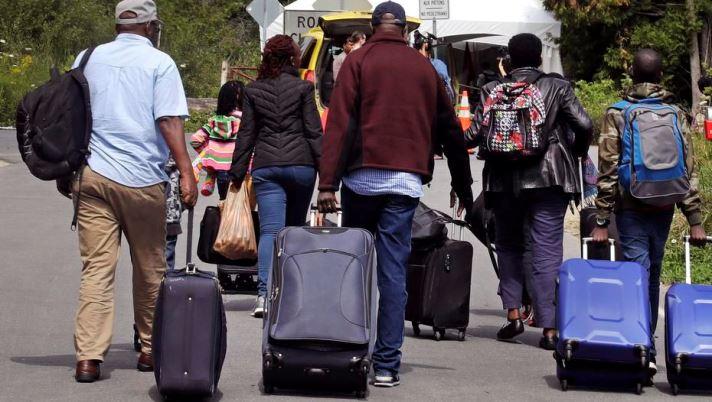
In recent years, one word has dominated conversations among young Nigerians: “Japa.” Derived from Yoruba slang meaning to run away or flee, Japa has become shorthand for the mass emigration
In recent years, one word has dominated conversations among young Nigerians: “Japa.” Derived from Yoruba slang meaning to run away or flee, Japa has become shorthand for the mass emigration

Historical Background The Emir of Damaturu is the paramount ruler of the Damaturu Emirate, headquartered in Damaturu, the capital of Yobe State, Nigeria. Role and Authority The Palace Current Emir:
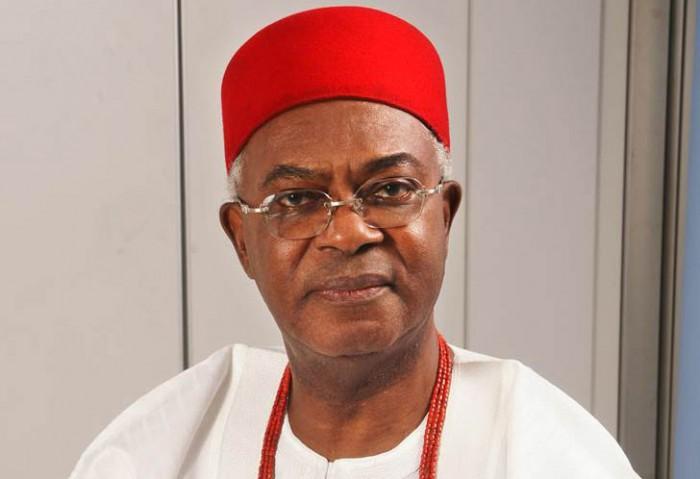
Early Life and Background Igwe Nnaemeka Alfred Ugochukwu Achebe was born on 14 May 1941 in Onitsha, Anambra State, Nigeria. Education Professional Career Ascension to the Throne Reign and Leadership

Historical and Cultural Background The Obi of Obinugwu is the traditional ruler of Obinugwu Autonomous Community, located in Ideato North Local Government Area, Imo State, southeastern Nigeria. Role and Authority

Nigeria has entered a new chapter in its democratic journey. Each change in administration brings renewed hope for reform, accountability, and progress, but also heightened expectations from citizens weary of

Historical Background The Emir of Gwandu is the paramount traditional ruler of the Gwandu Emirate, located in Kebbi State, northwestern Nigeria. Role and Authority The Palace Notable Emirs Abdullahi Fodio
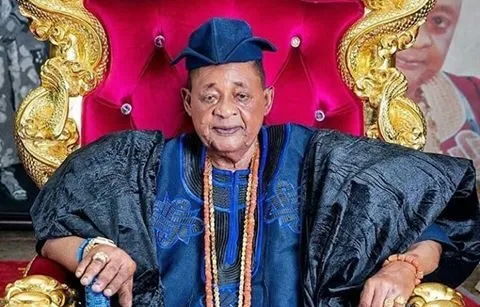
Early Life and Background Oba Lamidi Olayiwola Adeyemi III was born on 15 October 1938 into the royal Alowolodu Ruling House of Oyo. His father was Oba Raji Adeniran Adeyemi

The United Kingdom is home to one of the largest Nigerian communities outside Africa. Nigerians have settled across many British cities, contributing to culture, business, education, and politics. Below are

Historical Background The Oba of Lagos is the traditional ruler of Lagos, Nigeria’s largest city and commercial hub. Role and Authority The Palace Recent Obas Oba Adeyinka Oyekan II (1965–2003)
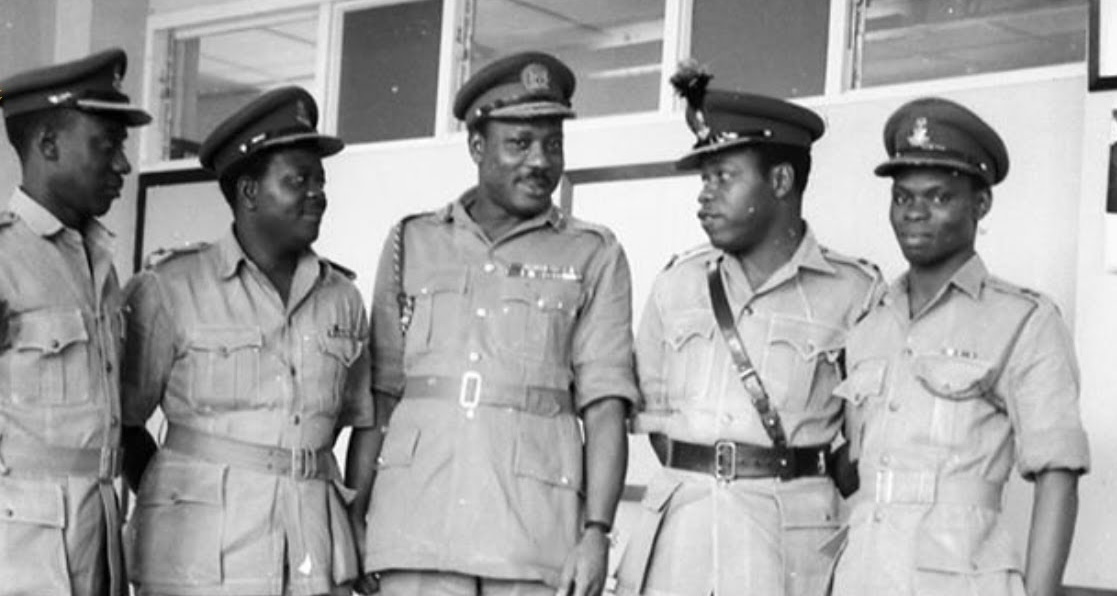
(Part of the Nigeria234.com Civil War Series (1966–1970)) 📝 Introduction The Nigerian Civil War (1967–1970) did not erupt out of nowhere. It was born out of a year of political