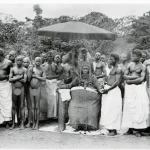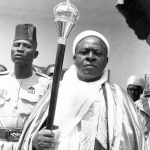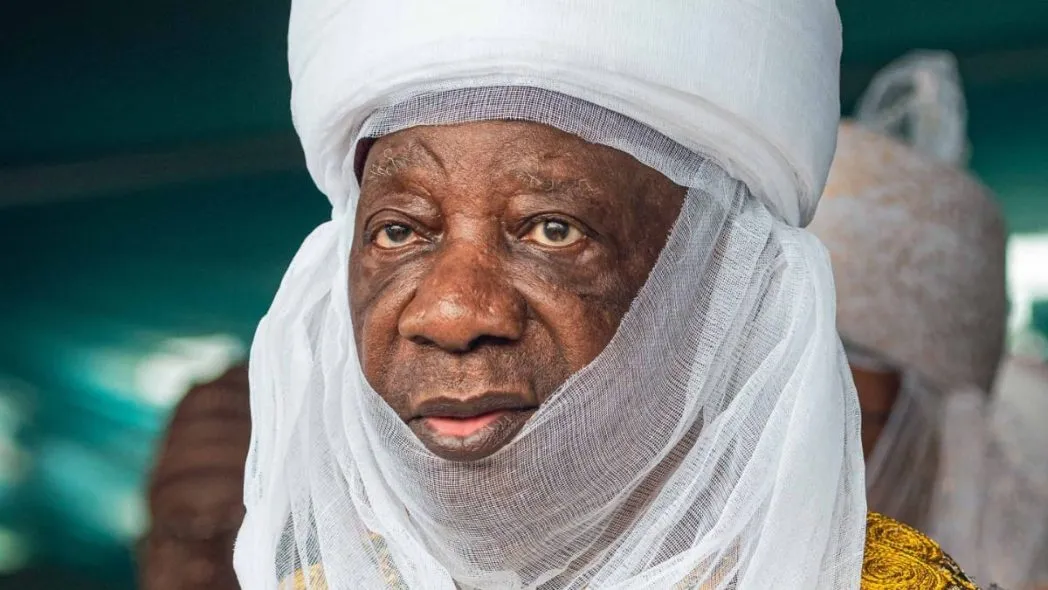
Early Life and Background Ibrahim Kolapo Sulu-Gambari was born on 22 April 1940 into the Fulani-Yoruba Alimi dynasty, rulers of Ilorin since the early 19th century. Education Career Before Ascension
Early Life and Background Ibrahim Kolapo Sulu-Gambari was born on 22 April 1940 into the Fulani-Yoruba Alimi dynasty, rulers of Ilorin since the early 19th century. Education Career Before Ascension

1. Executive Summary: The Relocation Landscape Relocating to Nigeria, whether as a foreign expatriate or a Nigerian from the diaspora, is a complex undertaking that requires a strategic and nuanced
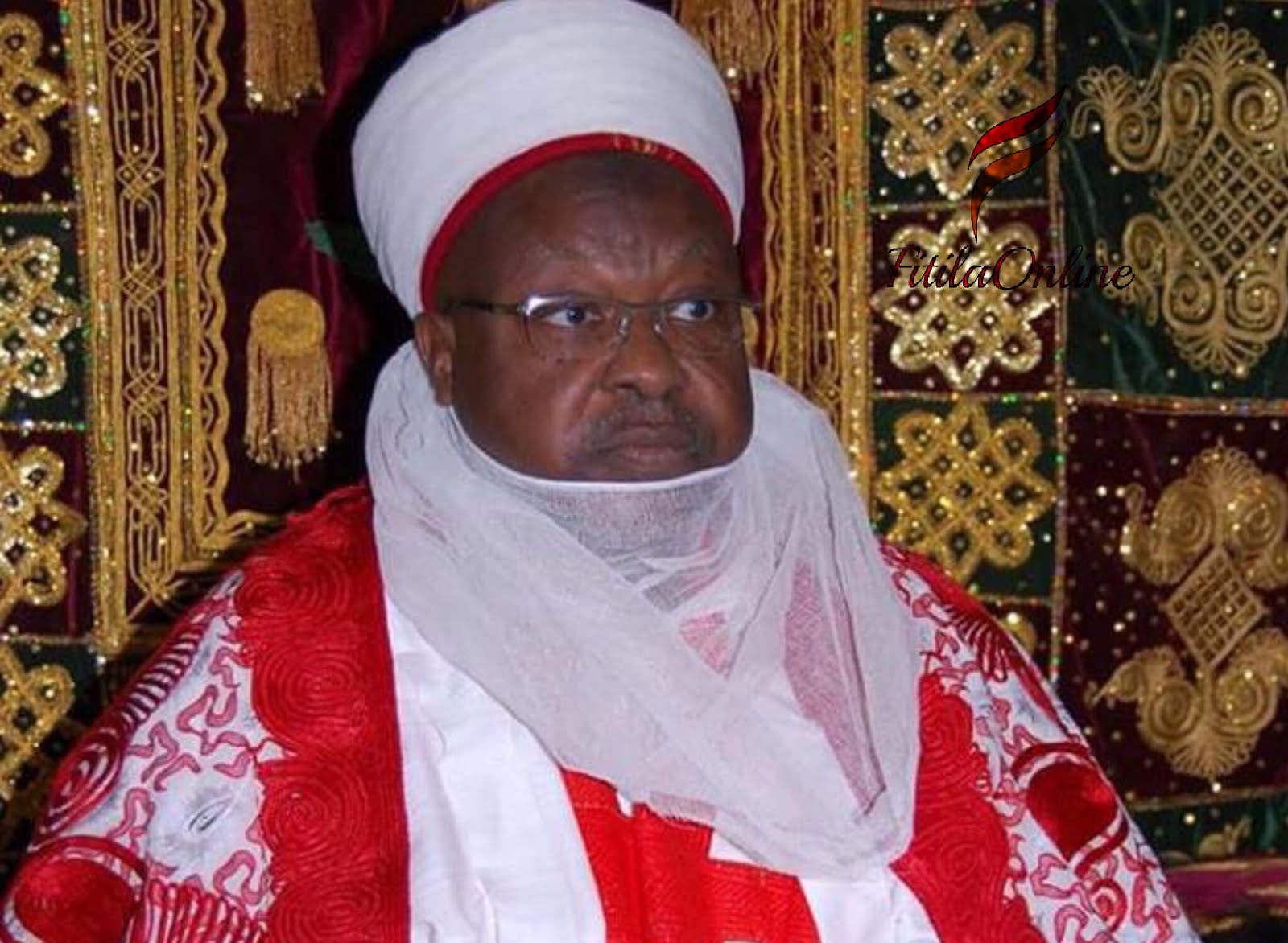
Early Life and Background Alhaji Abdulmumini Kabir Usman was born in 1952 in Katsina, northern Nigeria. Ascension to the Throne Reign and Leadership Custodian of Tradition Education and Development Peace

Nigeria, Africa’s most populous country and one of the continent’s cultural powerhouses, carries a name that is both historic and symbolic. But where did the word Nigeria come from, and

Early Life and Background Muhammadu Sanusi II was born on 31 July 1961 in Kano, Nigeria. Professional Career Banking and Finance Central Bank Governor (2009–2014) Ascension to the Throne Reign
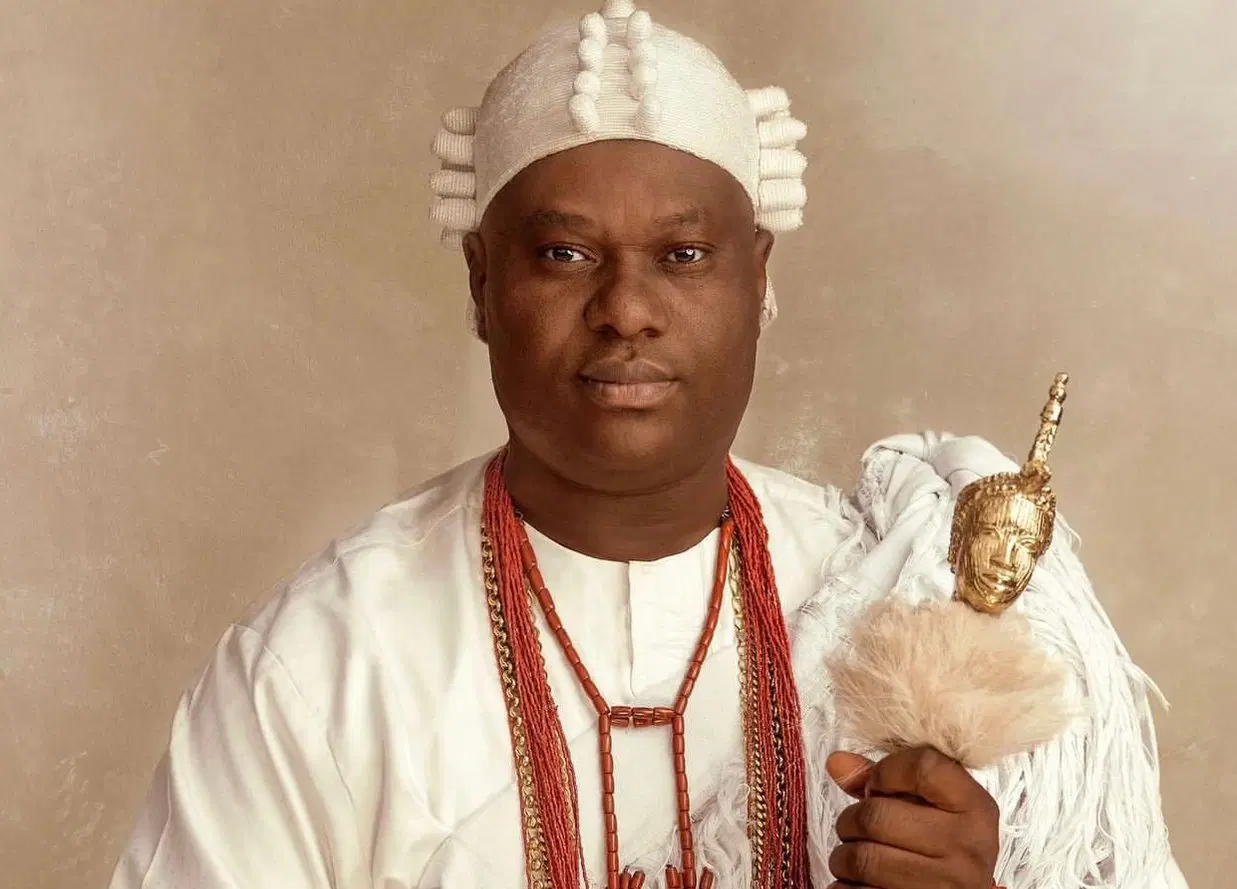
Historical Significance The Ooni of Ife is the paramount traditional ruler of Ile-Ife, regarded by the Yoruba as the spiritual cradle of humanity and the sacred city of origin. In
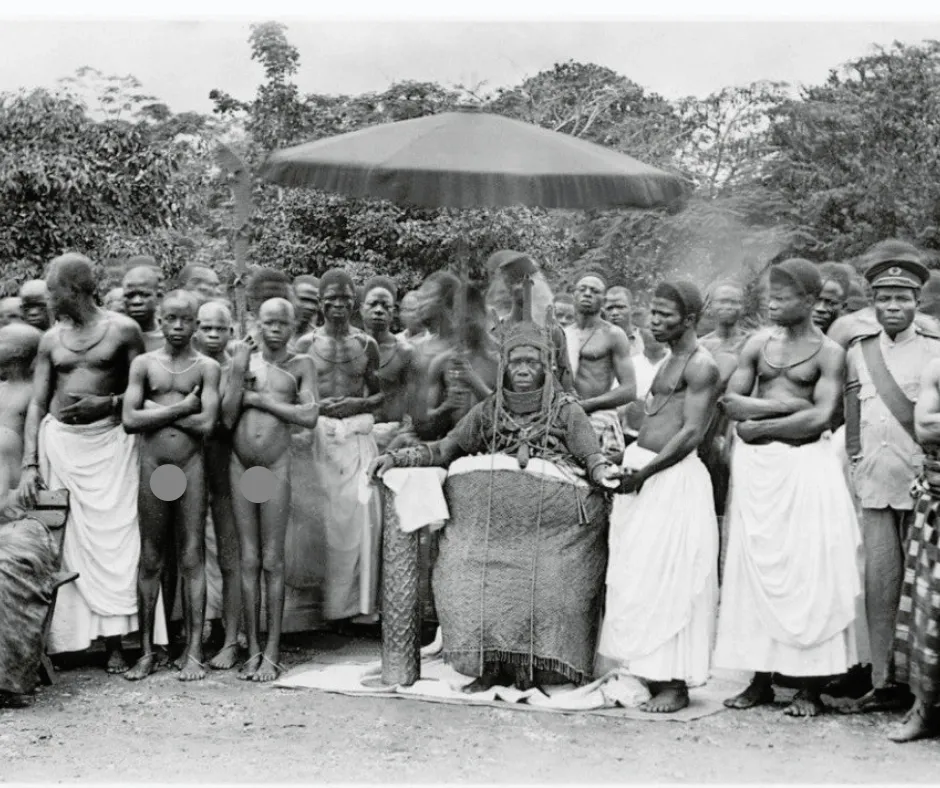
Historical Background The Oba of Benin is the traditional ruler of the Benin Kingdom, headquartered in Benin City, Edo State, Nigeria. Role and Authority The Palace Historical Significance Recent Obas

(Part of the Nigeria234.com Civil War Series (1966–1970)) 📝 Introduction In the Nigerian Civil War (1967–1970), religion was not the cause of conflict — it was not a war of
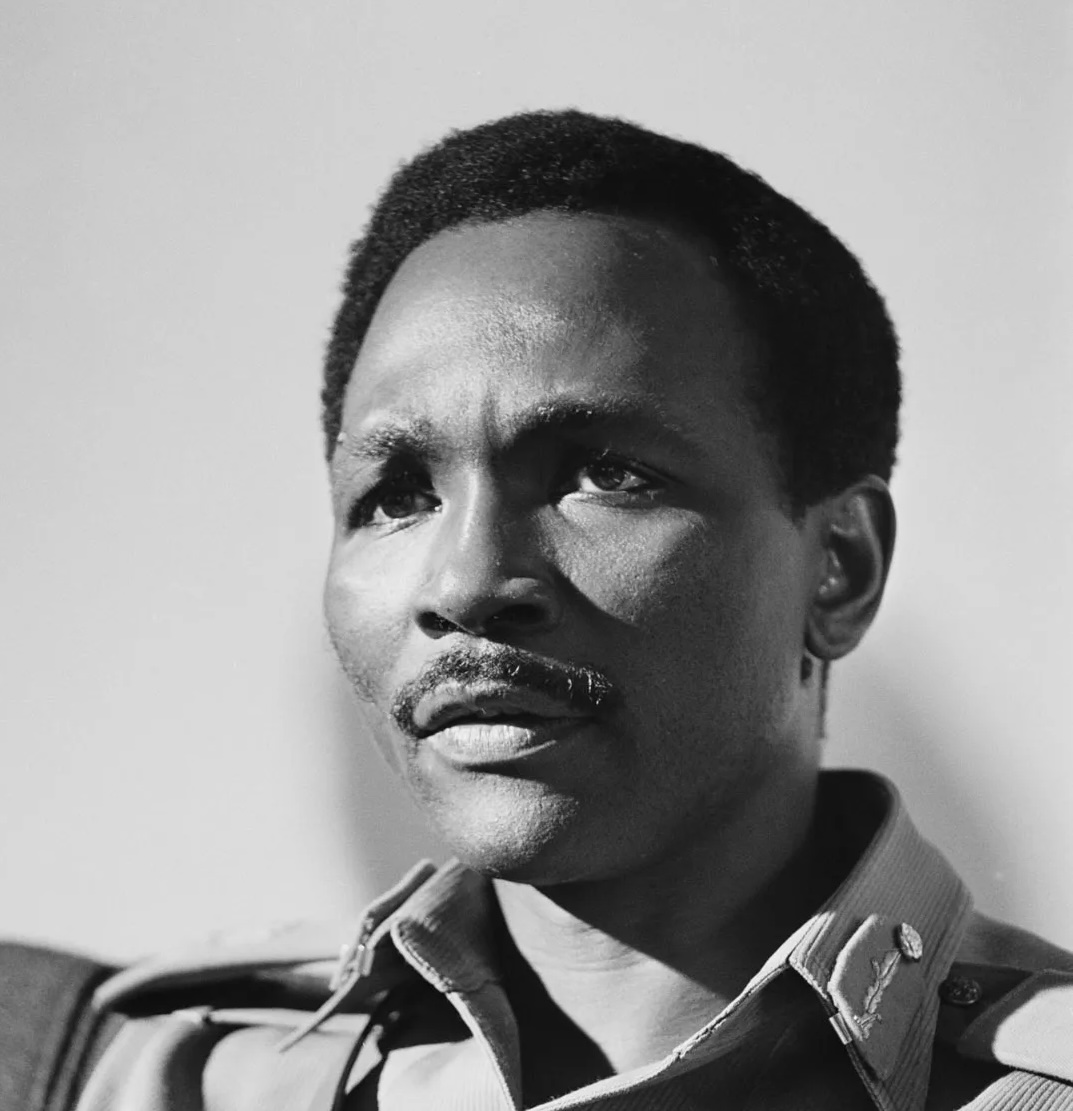
(Part of the Nigeria234.com Civil War Series (1966–1970)) 📍 Quick Facts 👶 Early Life & Education 🎖️ Rise to Power ⚔️ The Nigerian Civil War (1967–1970) Under Gowon’s leadership: 🏛️
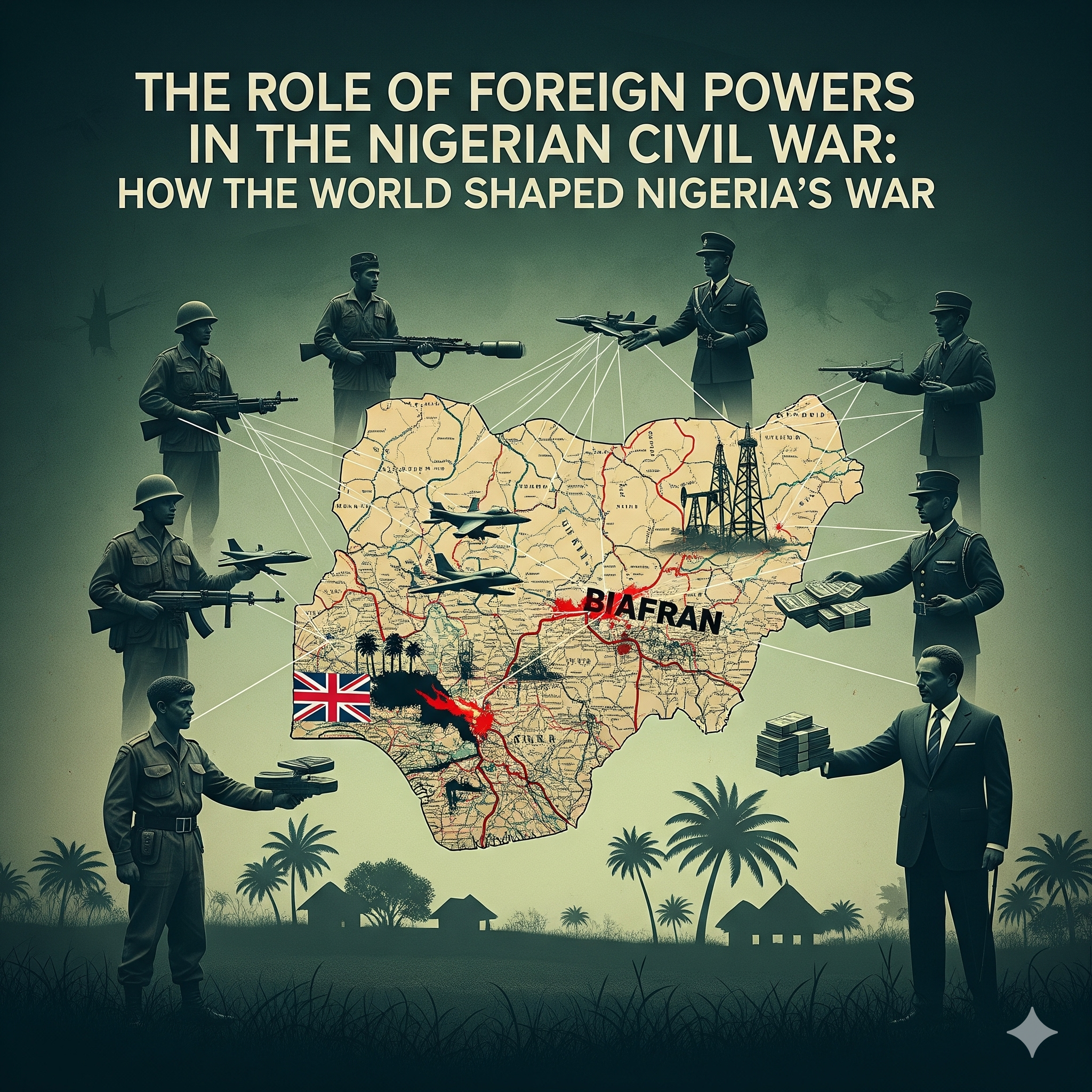
(Part of the Nigeria234.com Civil War Series (1966–1970)) 📝 Introduction The Nigerian Civil War (1967–1970) was not fought by Nigerians alone. Behind the battlelines, foreign powers played decisive roles —