Historical Background
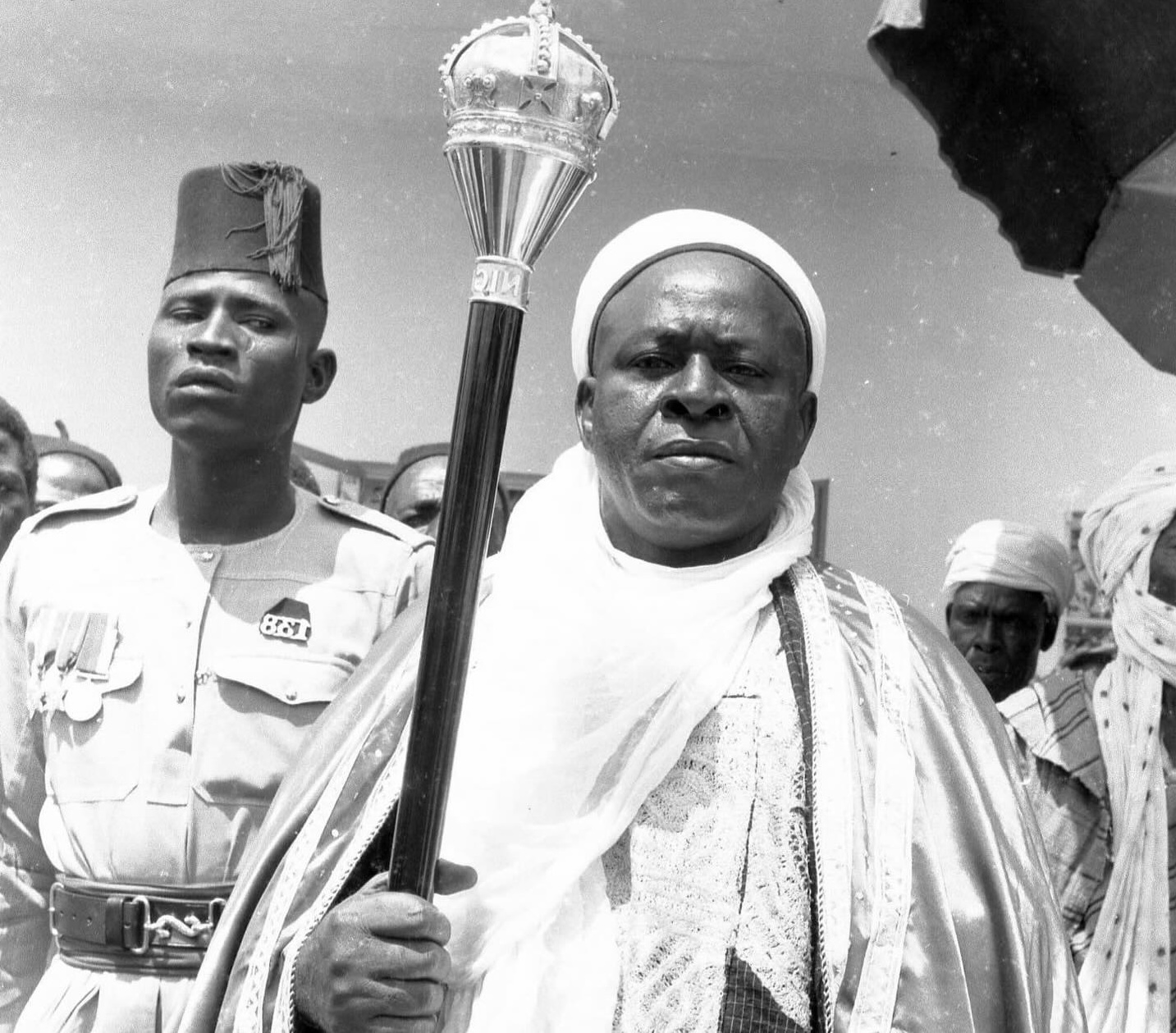
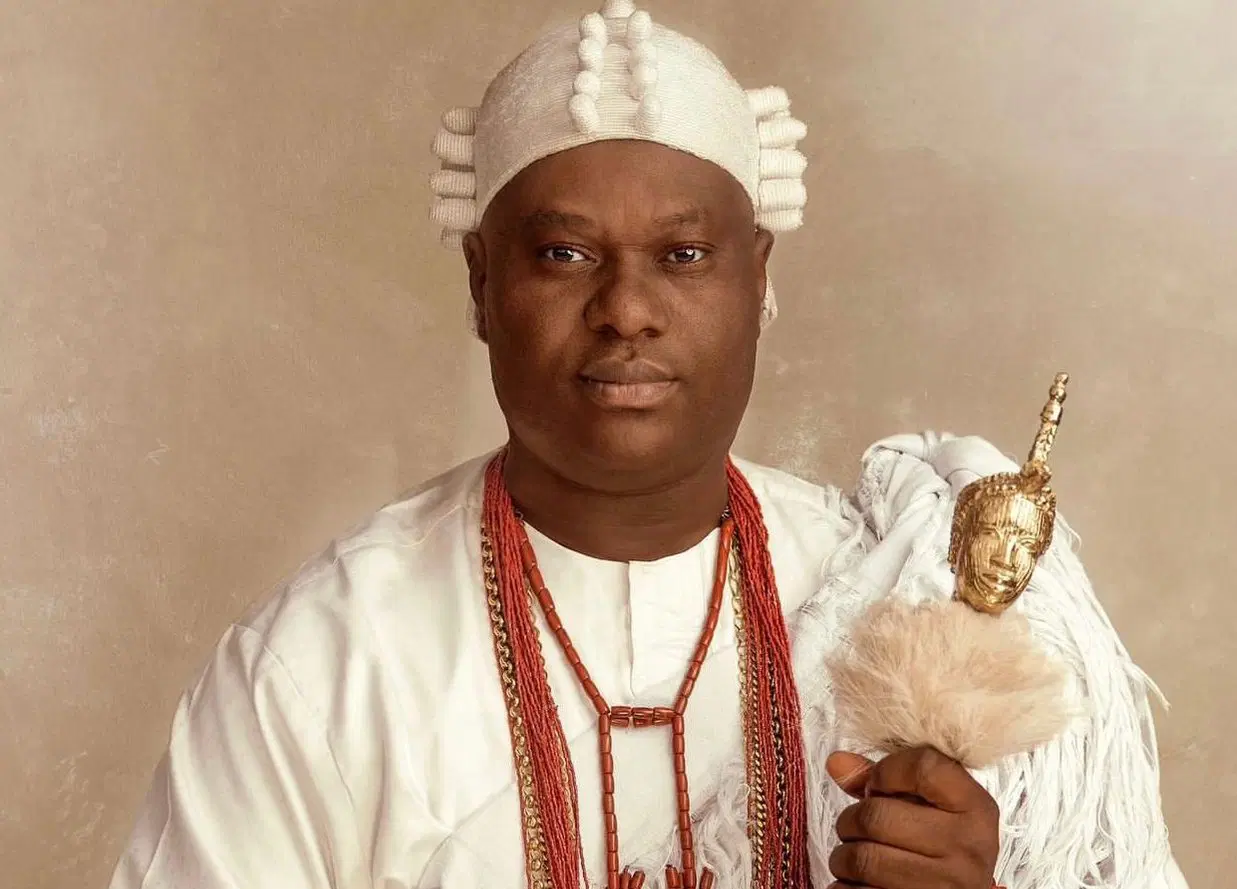
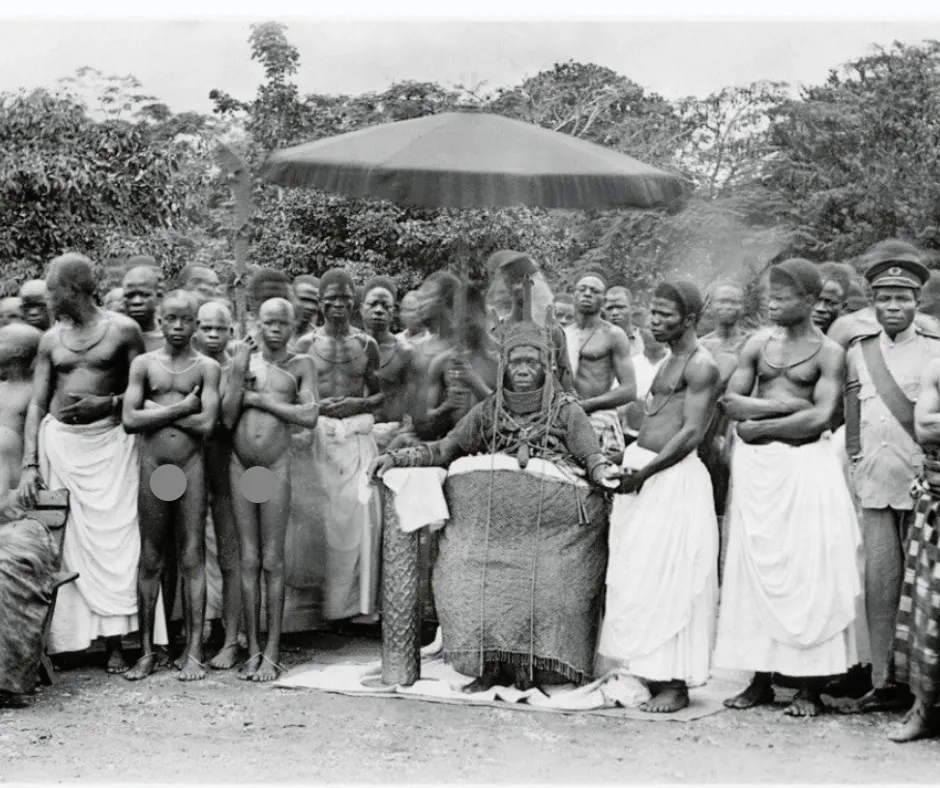
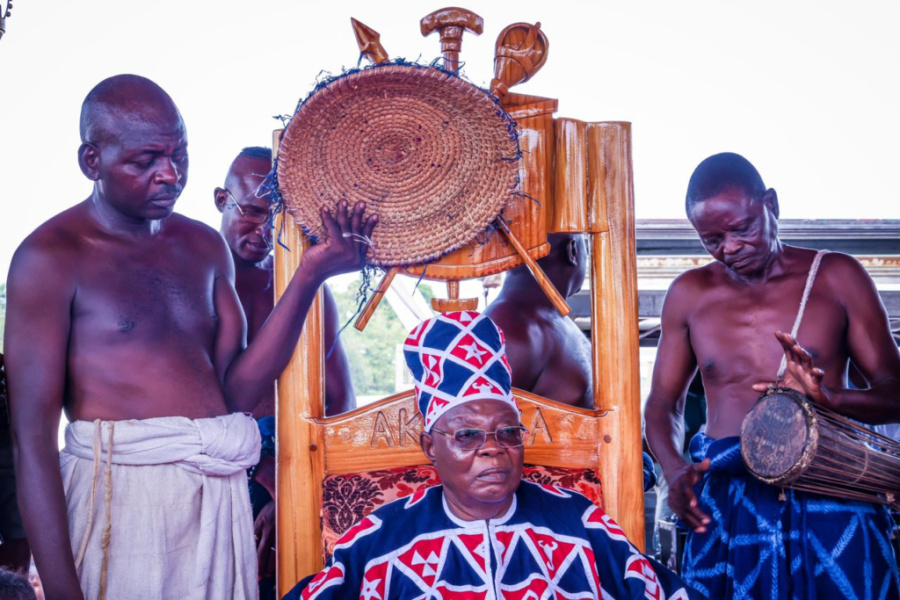
The Olubadan of Ibadanland is the paramount traditional ruler of Ibadan, the largest city in West Africa and capital of Oyo State, Nigeria.
- The title “Olubadan” means “Lord of Ibadan.”
- Ibadan’s kingship system is unique in Yorubaland because it is based on a meritocratic line of succession, not just hereditary lineage.
- Two parallel chieftaincy lines — Egbe Agba (civil line) and Balogun (military line) — produce future Olubadans. A chief climbs step by step (like a ladder) until he reaches the top and becomes Olubadan.
Role and Authority
- The Olubadan is the supreme monarch of Ibadanland, presiding over traditional institutions, customs, and festivals.
- Maintains peace and unity among Ibadan’s diverse communities.
- Serves as a cultural symbol, with influence extending beyond Oyo State due to Ibadan’s size and history.
The Palace
- The Olubadan resides at the Popoyemoja Palace, Ibadan, a historic royal court that symbolizes Ibadan’s martial and cultural heritage.
Notable Recent Olubadans
Oba Yesufu Oloyede Asanike (1983–1993)
- Remembered for strengthening Ibadan’s cultural festivals.
Oba Samuel Odulana Odugade I (2007–2016)
- Lived to 101, making him one of the oldest monarchs in Yoruba history.
- His reign was marked by wisdom and stability.
Oba Saliu Adetunji (2016–2022)
- A respected monarch and successful businessman in the music industry.
- Reigned until his passing in March 2022.
Oba Lekan Balogun (2022–present)
- Oba Lekan Balogun, Alli Okunmade II, was crowned on 11 March 2022 as the 42nd Olubadan of Ibadanland.
- A former senator and intellectual, he brings political experience to the throne.
- His coronation drew national and international attention due to Ibadan’s prominence.
Cultural Role Today
- Presides over major Ibadan festivals such as Oke’badan Festival, celebrating the city’s origins.
- Acts as a cultural ambassador for the Yoruba nation.
- Supports peace and development initiatives in Ibadan and Oyo State.
Unique Succession System
- Unlike many monarchies, any male Ibadan indigene who begins as a Mogaji (family head) can rise step by step through the chieftaincy hierarchy.
- This system is admired as fair, transparent, and democratic, though it often produces elderly Olubadans due to the long climb.
Legacy and Significance
- The Olubadan throne is a symbol of Ibadan’s military origins, resilience, and civic pride.
- Maintains one of the most inclusive and respected succession systems in Nigeria.
- Represents the cultural power of Ibadan, a historic Yoruba military capital turned modern metropolis.
Conclusion
The Olubadan of Ibadanland is more than a king — he is the embodiment of Ibadan’s unique tradition of merit-based monarchy. From Popoyemoja Palace, the Olubadan continues to symbolize unity, pride, and continuity in one of Africa’s greatest cities.