📌 Step 1: Decide the Best Time to Visit 📌 Step 2: Plan Your Journey 📌 Step 3: Entry & Permits 📌 Step 4: Choose Accommodation 📌 Step 5: Explore
📌 Step 1: Decide the Best Time to Visit 📌 Step 2: Plan Your Journey 📌 Step 3: Entry & Permits 📌 Step 4: Choose Accommodation 📌 Step 5: Explore

The Lagos Lagoon is one of the most important and iconic water bodies in Nigeria. Located in the heart of Lagos State, it stretches for about 50 kilometers in length
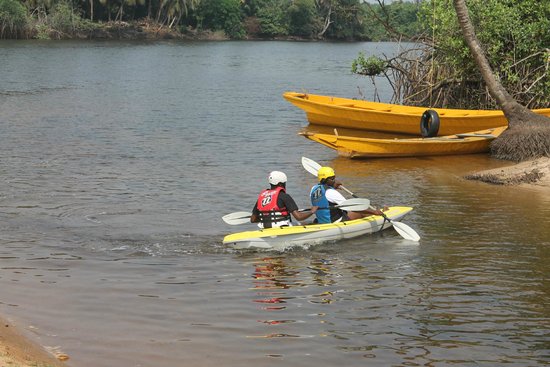
The Lekki Lagoon is one of Nigeria’s most scenic and ecologically rich water bodies. Located in Lagos and Ogun States, it lies to the east of the more famous Lagos

While Lagos Lagoon and Lekki Lagoon attract much attention, the Ologe Lagoon, located in Badagry area of Lagos State, remains one of Nigeria’s lesser-known but highly important lagoons. Surrounded by
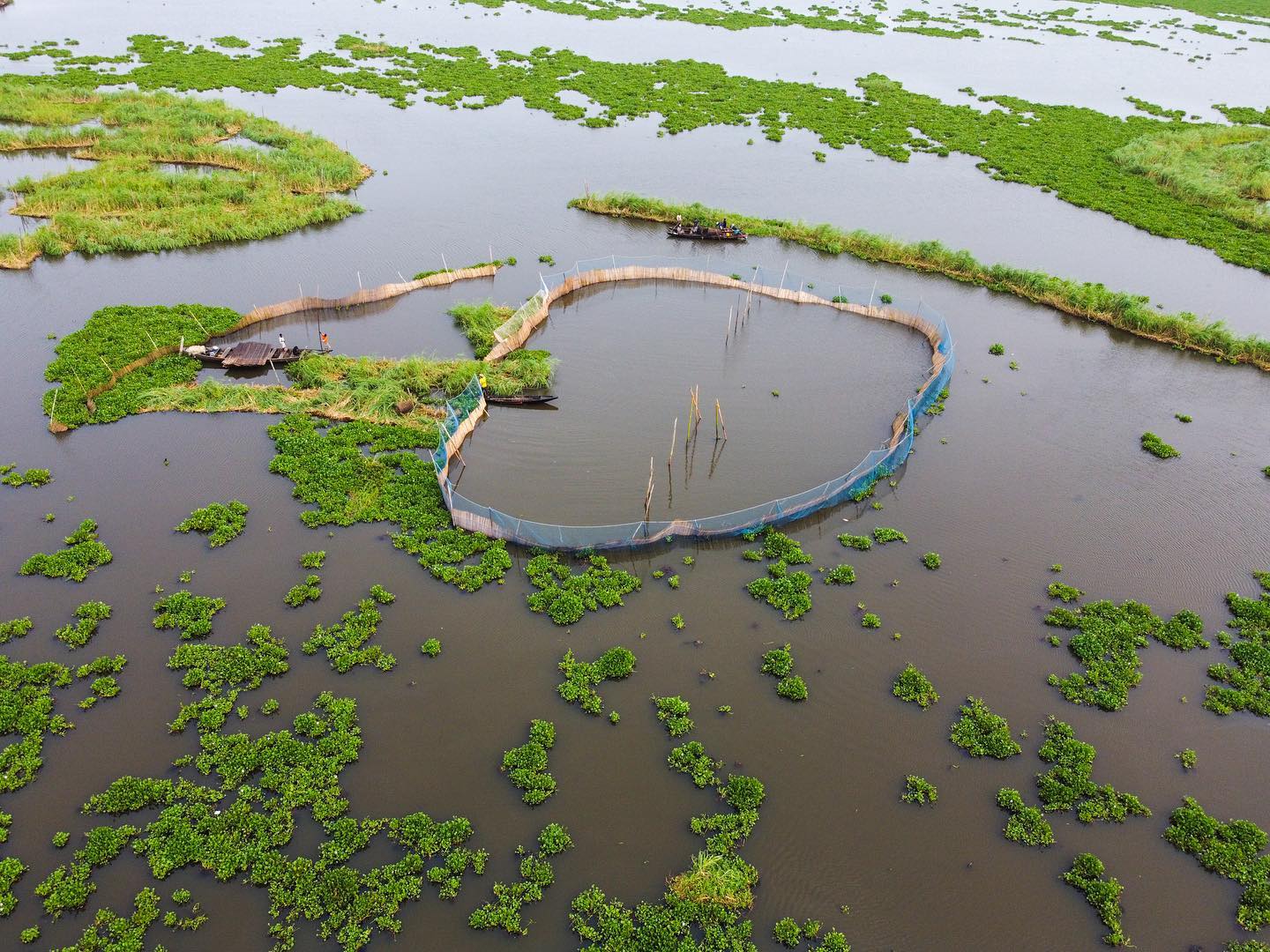
The Epe Lagoon, located in the eastern part of Lagos State, is one of Nigeria’s most productive and culturally vibrant water bodies. Situated near the town of Epe, this lagoon
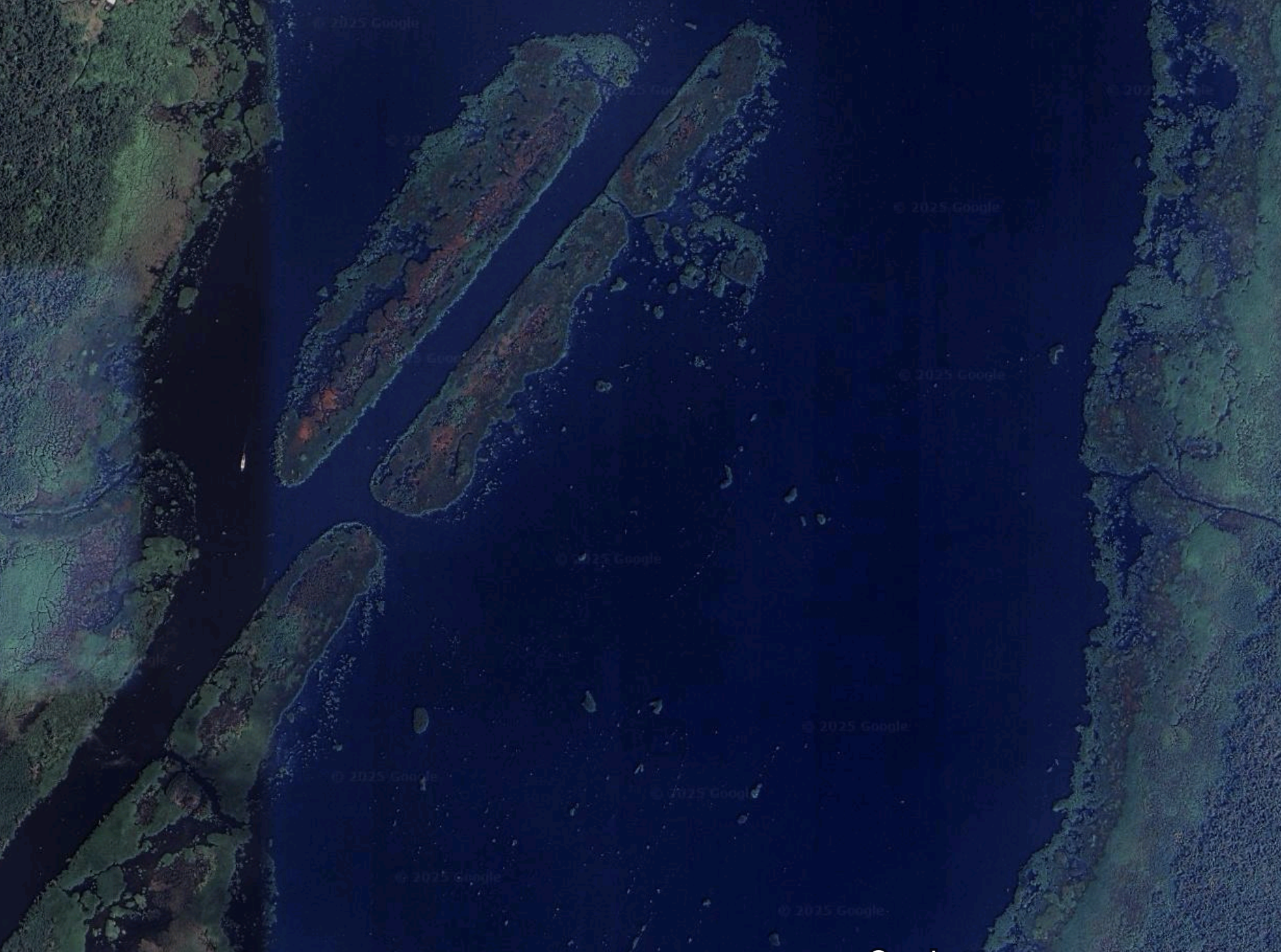
The Mahin Lagoon, located in Ondo State in southwestern Nigeria, is one of the country’s most beautiful and culturally significant lagoons. Stretching through the Ilaje and Ese-Odo local government areas,
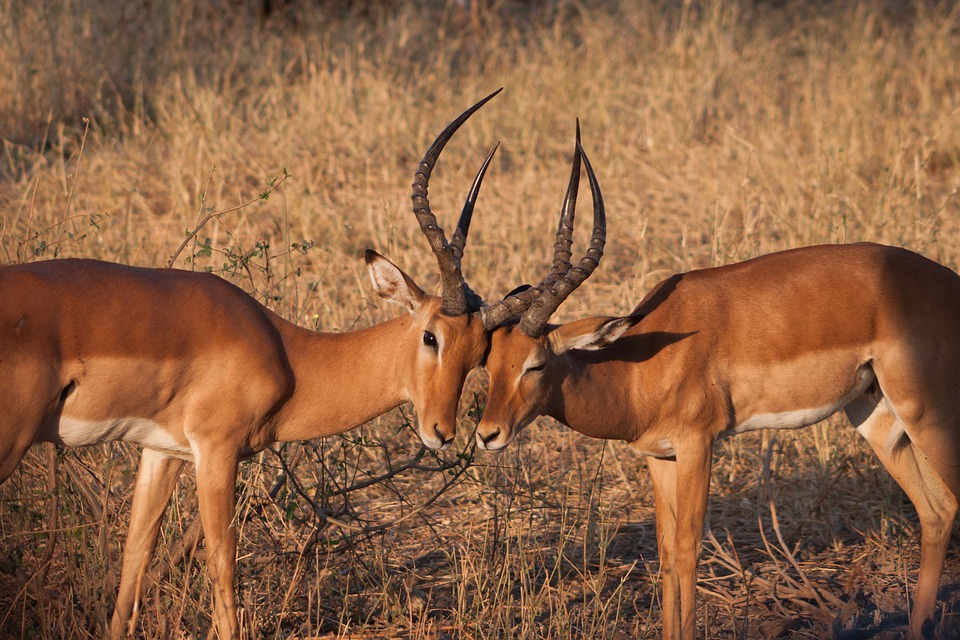
Located in Birnin Gwari Local Government Area of Kaduna State, Kamuku National Park is one of Nigeria’s lesser-known but ecologically rich parks. Covering about 1,120 km², the park represents a
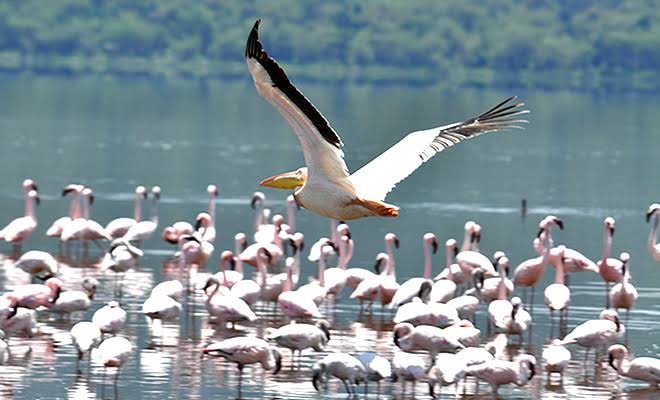
The Chad Basin National Park, located in Borno and Yobe States, is one of Nigeria’s largest protected areas. Covering about 2,258 km², it preserves the unique ecosystems of the Sahel

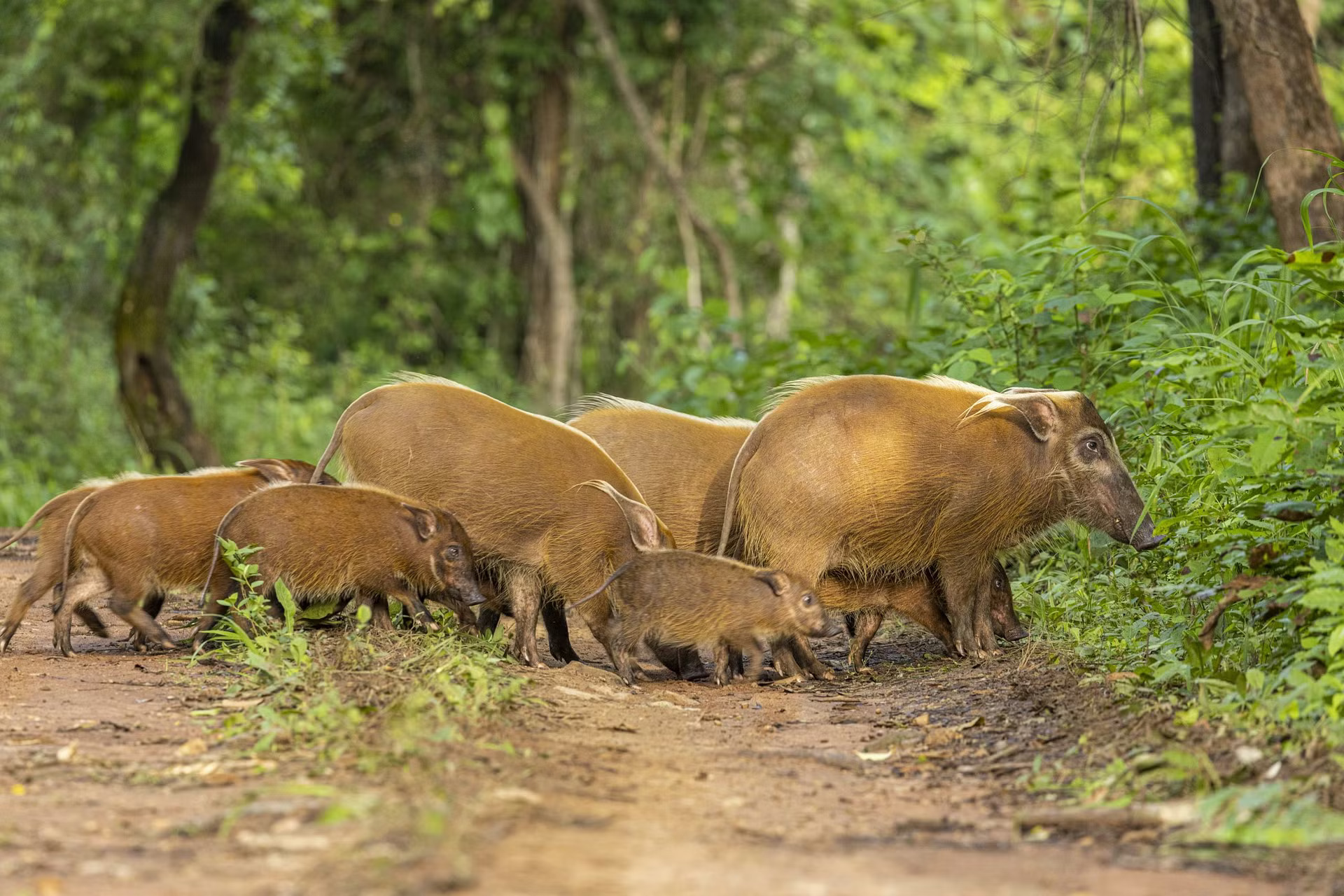
The Okomu National Park, located in Ovia South-West Local Government Area of Edo State, is one of Nigeria’s last remaining lowland rainforest reserves. Covering about 202 km², it is a

The Old Oyo National Park, located in southwestern Nigeria, is one of the country’s most fascinating protected areas. Covering about 2,512 km², the park is not only rich in wildlife