The Igbo People
Culture · Enterprise · Heritage · Ohanaeze
Explore the dynamic heritage of the Igbo people, one of Africa's largest and most enterprising ethnic groups, renowned for their industrious spirit, rich cultural traditions, and profound resilience.
The Spirit of
Enterprise
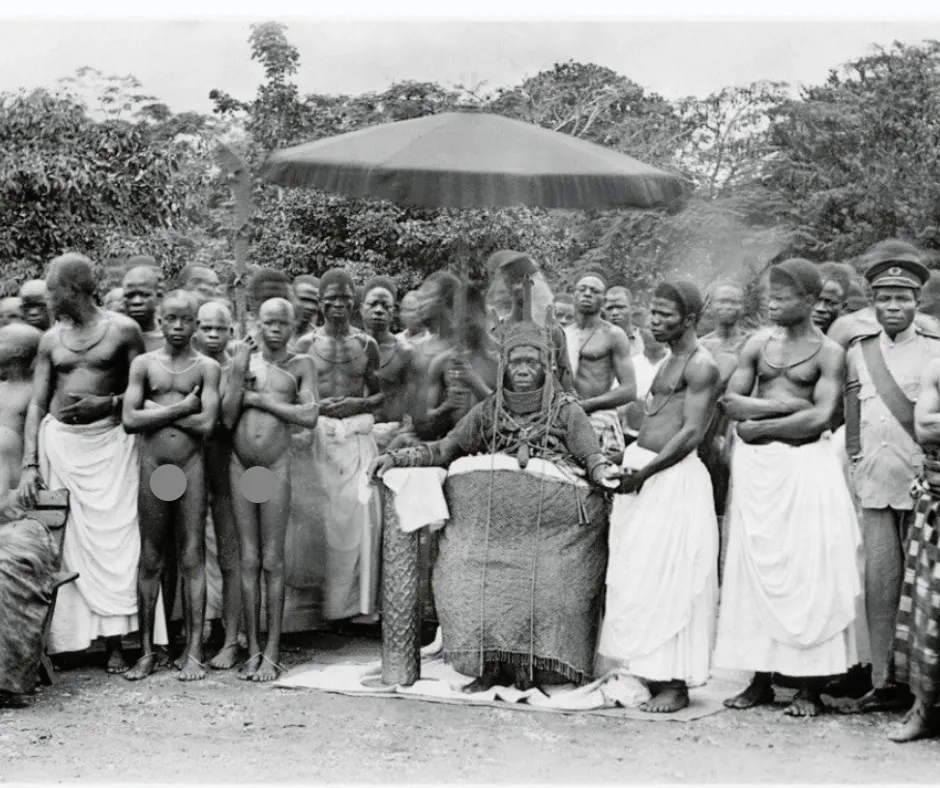
The Igbo people (also spelled Ibo) represent one of the largest and most influential ethnic groups in Africa. Their historical heartland is located in Southeastern Nigeria, primarily across the states of Abia, Anambra, Ebonyi, Enugu, and Imo, with significant populations stretching into the neighboring Delta and Rivers states.
Historically, Igbo society was fiercely egalitarian and decentralized. Unlike many of their neighbors, they operated under the political philosophy of "Igbo enwe eze" (the Igbo have no king), relying instead on democratic village assemblies and respected elders for governance. The exception was the ancient, theocratic Kingdom of Nri, renowned for its religious influence and the spectacular, intricately cast bronze artifacts of Igbo-Ukwu.
In modern times, the Igbo are celebrated globally for their unparalleled entrepreneurial drive and resilience. Following the devastating impacts of the Nigerian Civil War (1967-1970), the region rebuilt its economy remarkably fast. A cornerstone of this economic recovery and continued dominance is the Igba Boyi apprenticeship system, widely considered the most successful indigenous venture capital model in the world.
- Language: The Igbo language, rich in proverbs and tonal complexities.
- Enterprise: A deep-seated cultural reverence for hard work, trade, and economic independence.
- Governance: The Umunna (patrilineage) and town unions forming the bedrock of community organization.
- Religion: Predominantly Christian today, deeply integrated with the indigenous cosmological beliefs of Odinani.
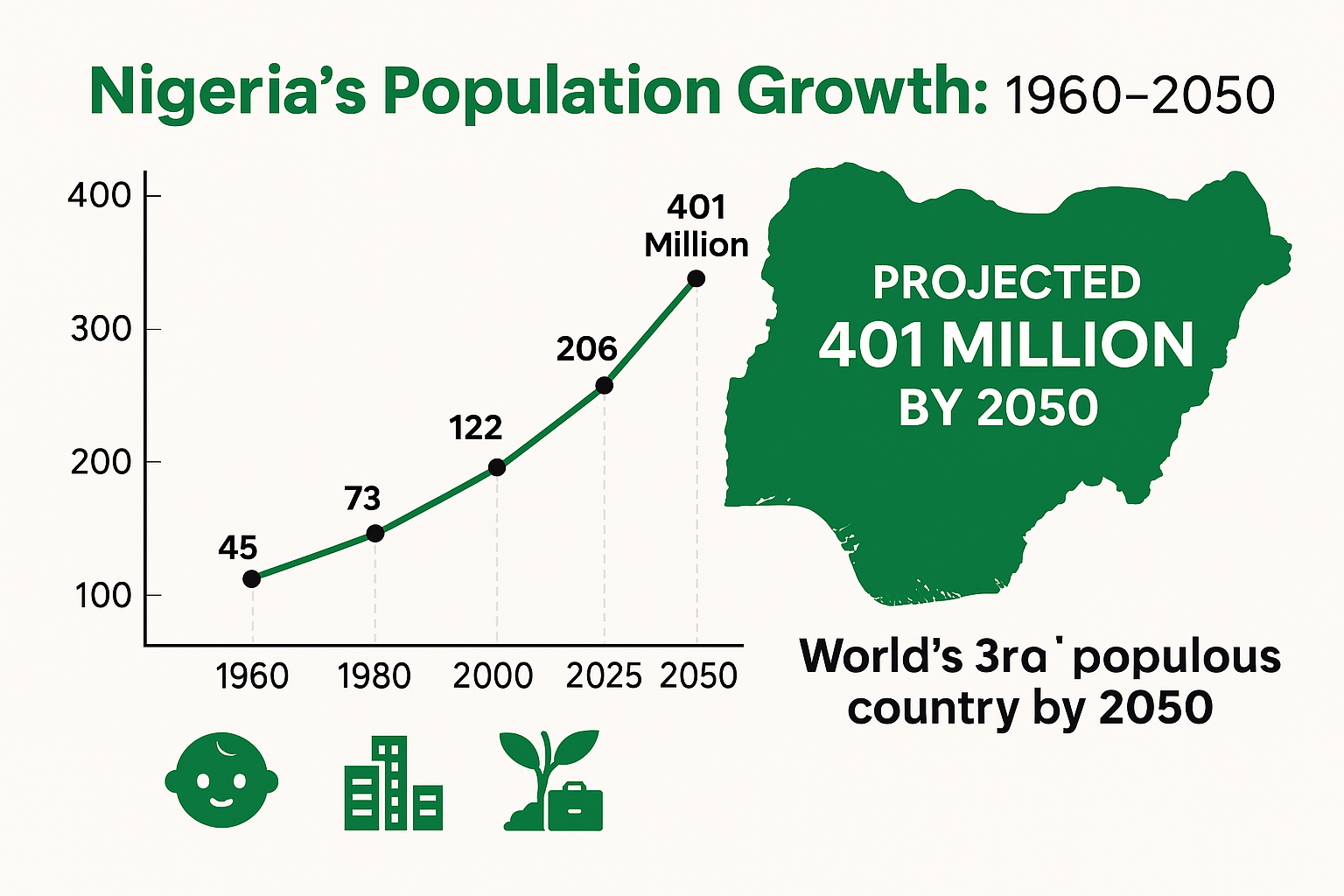
Demographics & Scale
Understanding the group's footprint
Explore the Heritage
The defining aspects of Igbo identity
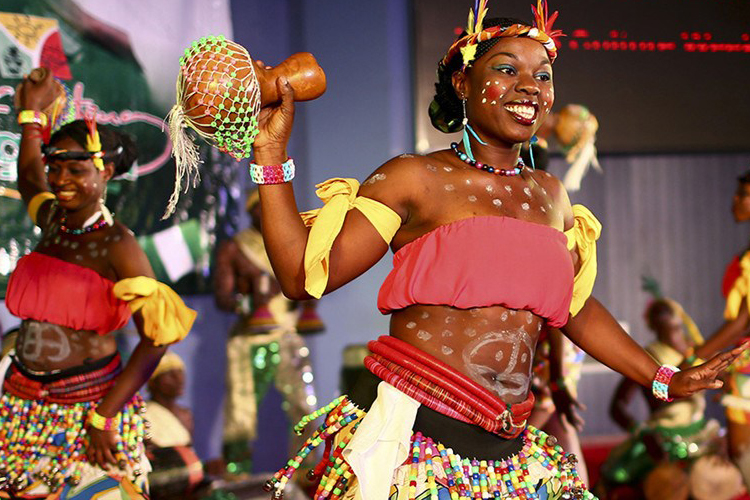
A vibrant display of Igbo traditional dance, featuring elaborate cultural attire, energetic choreography, and rhythmic percussion.
| Ọjị (Kola Nut) | The ultimate symbol of hospitality and communion. Breaking the kola nut involves deep prayers (Igo Ofo) to God and the ancestors. |
|---|---|
| Iri Ji (New Yam) | An annual harvest festival central to the agricultural calendar, celebrating the yam as the "king of crops." |
| Mmanwu / Ekpe | Secret masquerade societies that act as spiritual manifestations of the ancestors and traditional enforcers of law. |
| Isi Agu | Translating to "lion's head," this heavily embroidered velvet tunic is the premium traditional attire for Igbo men. |
| Ozo Title | One of the highest and most respected socio-political ranks an Igbo man can achieve within his community. |
Society & Modernity
How historical philosophies shape the present
Historically, the Igbo did not operate under centralized empires with absolute monarchs. Instead, they organized into autonomous villages where decisions were made democratically by an assembly of men and women. This inherent egalitarianism fostered a culture that champions individual achievement and merit over inherited nobility.
The Igba Boyi model is a globally recognized venture capital and incubation system. A successful merchant takes on young apprentices (often from their village), houses them, and teaches them the trade for several years. Upon "graduation," the master provides seed capital for the apprentice to start their own business, continuously regenerating wealth within the community.
The Nigerian Civil War (Biafran War) decimated the Eastern Region economically and structurally. Furthermore, post-war policies effectively wiped out the savings of many Igbo families. However, through fierce communal cooperation and a mass migration to trading hubs across Nigeria (like Alaba and Trade Fair), the region engineered a miraculous economic recovery within a single generation.
Igbo intellectuals and artists have deeply shaped global African literature and cinema. Chinua Achebe's Things Fall Apart redefined African literature by presenting a complex, dignified pre-colonial Igbo society. Today, authors like Chimamanda Ngozi Adichie and the massive output of Nollywood (which originated largely through Igbo merchants) continue to export the culture globally.
Geography & Institutions
A guide to modern organization
| City | State | Significance |
|---|---|---|
| Enugu | Enugu | The historic capital of the Eastern Region and the former Republic of Biafra; the "Coal City". |
| Onitsha | Anambra | A massive port city on the Niger River, home to one of the largest continuous markets in West Africa. |
| Aba | Abia | The manufacturing and industrial nerve center of the East, famous for "Aba Made" goods. |
| Owerri | Imo | The entertainment and hospitality capital of the southeast heartland. |
| Asaba / Port Harcourt | Delta / Rivers | Major cities outside the core southeast with massive native or migrant Igbo populations. |
| Institution / Title | Description |
|---|---|
| Ohanaeze Ndigbo | The apex socio-cultural organization representing all Igbo communities worldwide. |
| Igwe / Eze | Modern traditional rulers of autonomous communities (a system largely introduced during/after colonial rule). |
| Umunna | The basic unit of social organization; a patrilineal extended family group. |
| Town Unions | Powerful diasporic networks where Igbo people outside their hometowns fund projects and governance back home. |
Cultural Archives
See also & internal links
Go deeper